







This week's magazine story. How did America, Israel and others move from avoiding targeting countries' leaders to political assassination and cross-border detention becoming the new norms?
When it comes to killing politically prominent people, countries are often best placed to do so, as a long history of state assassinations attests. But is there any evidence that it is effective?
For decades, the United States adhered to international norms governing arrests and assassinations of political leaders beyond its borders. That script has now been ripped up.
Throughout history, kings have been killed, but this has been turbocharged by the US and Israel in recent years, with senior state officials no longer immune from targeting. What are the implications?
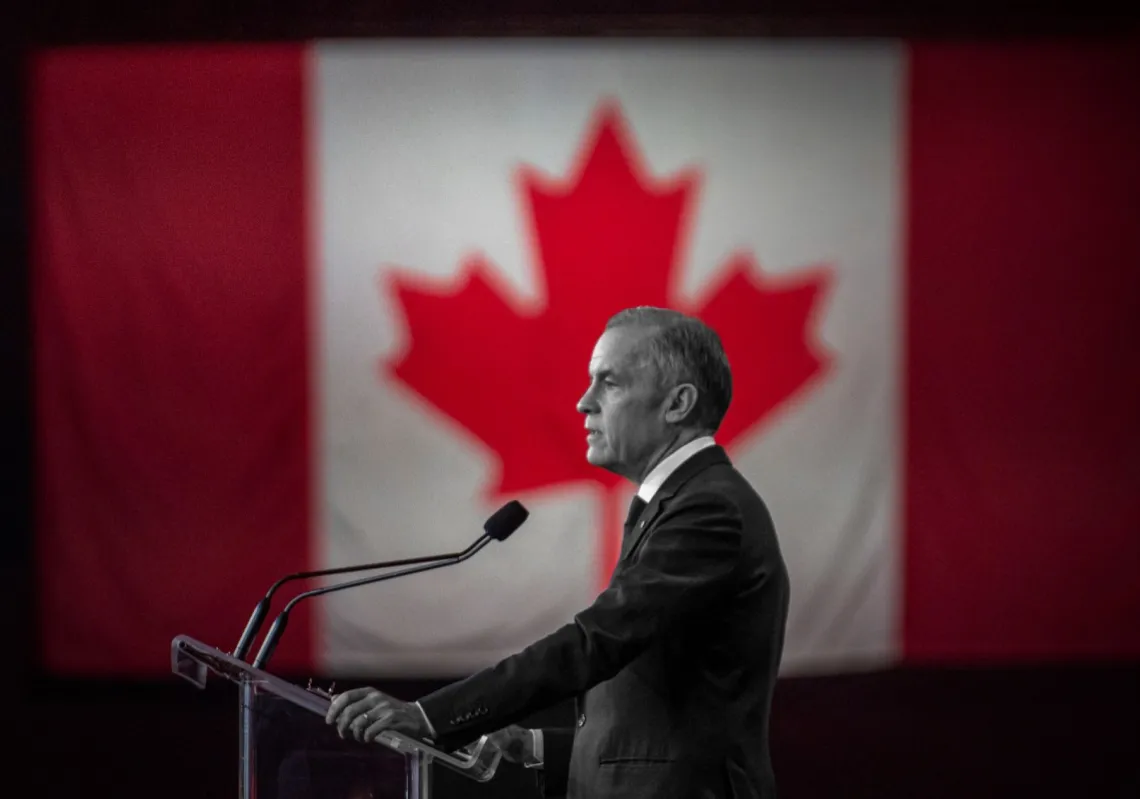
Faced with tariffs and geopolitical instability, Canada's prime minister has responded with state-backed investment, energy pragmatism, and a push for economic independence
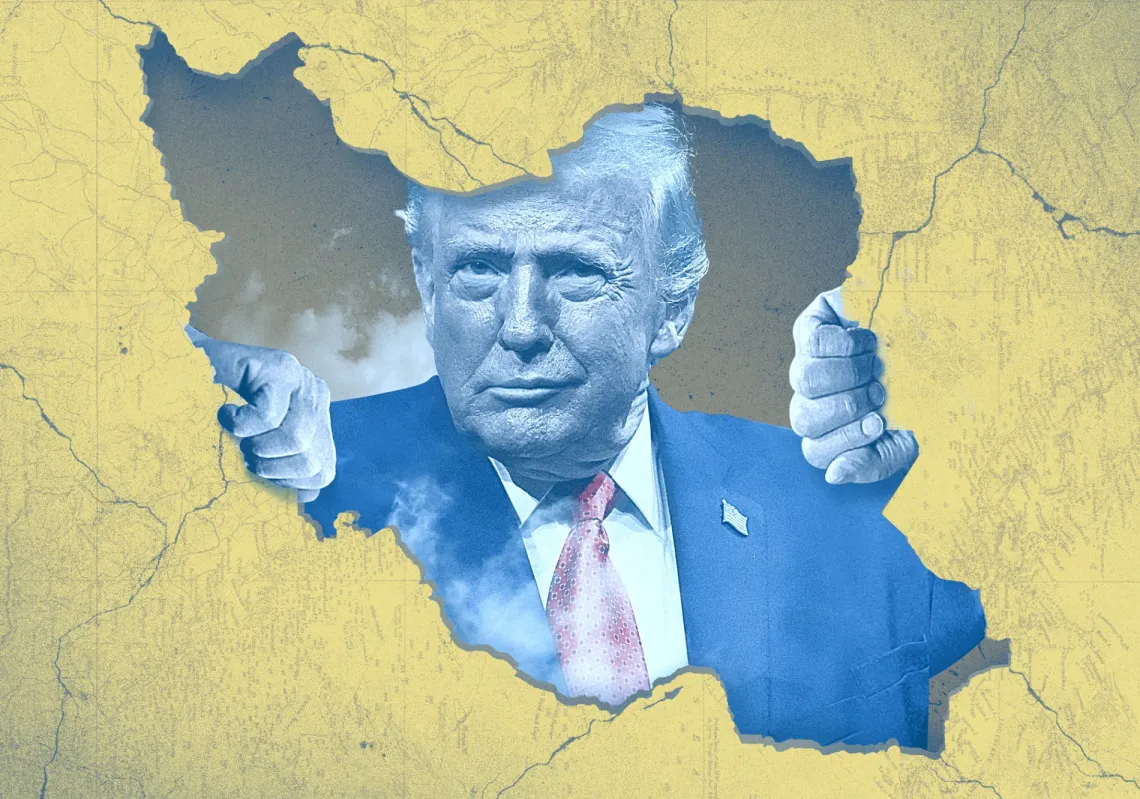
Sabre-rattling social media statements are par for the course with the US president, whose performative declarations keep everyone guessing, but do they produce lasting results?
As support for Israel weakens across the US political spectrum, once-taboo questions about military aid, lobbying influence, and US backing are moving into the mainstream
A US envoy wants the institutions of western Libya to accommodate the son of an eastern warlord as Libyan president. Is this another doomed effort to unite the feuding factions, or could it work?
As the FIFA World Cup 2026 shows, identity, belonging, and tension combine to make football fandom unlike any other sport. So, what is going on in fans' brains?
Beijing's duty-free access for African exports promises mutual economic gains, but more importantly, it deepens its strategic influence across the continent