
Before the year began, analysts warned that 2026 could usher in a period of profound global uncertainty amid geopolitical fragmentation. In this shifting landscape, middle powers may prove decisive in shaping the global order, with Pakistan potentially standing to gain significantly from the Trump administration’s ‘Donroe Doctrine’, a neo-Monroe approach prioritising US hegemony in key regions.
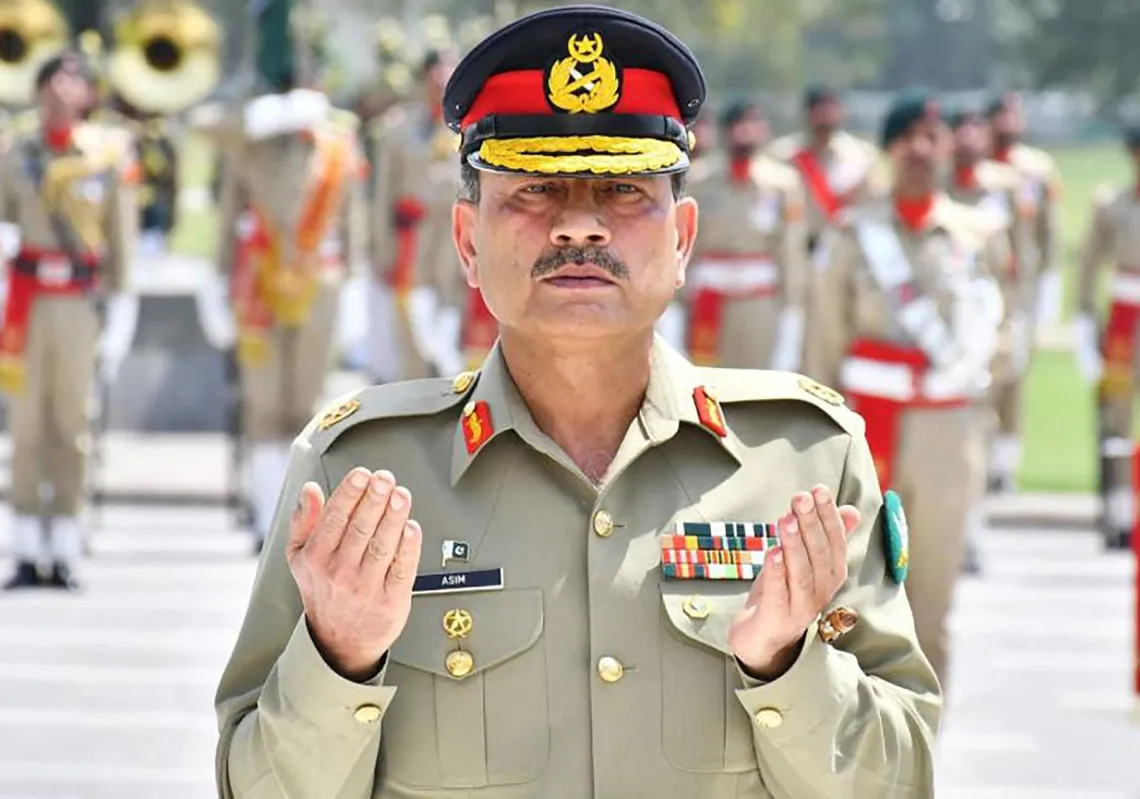
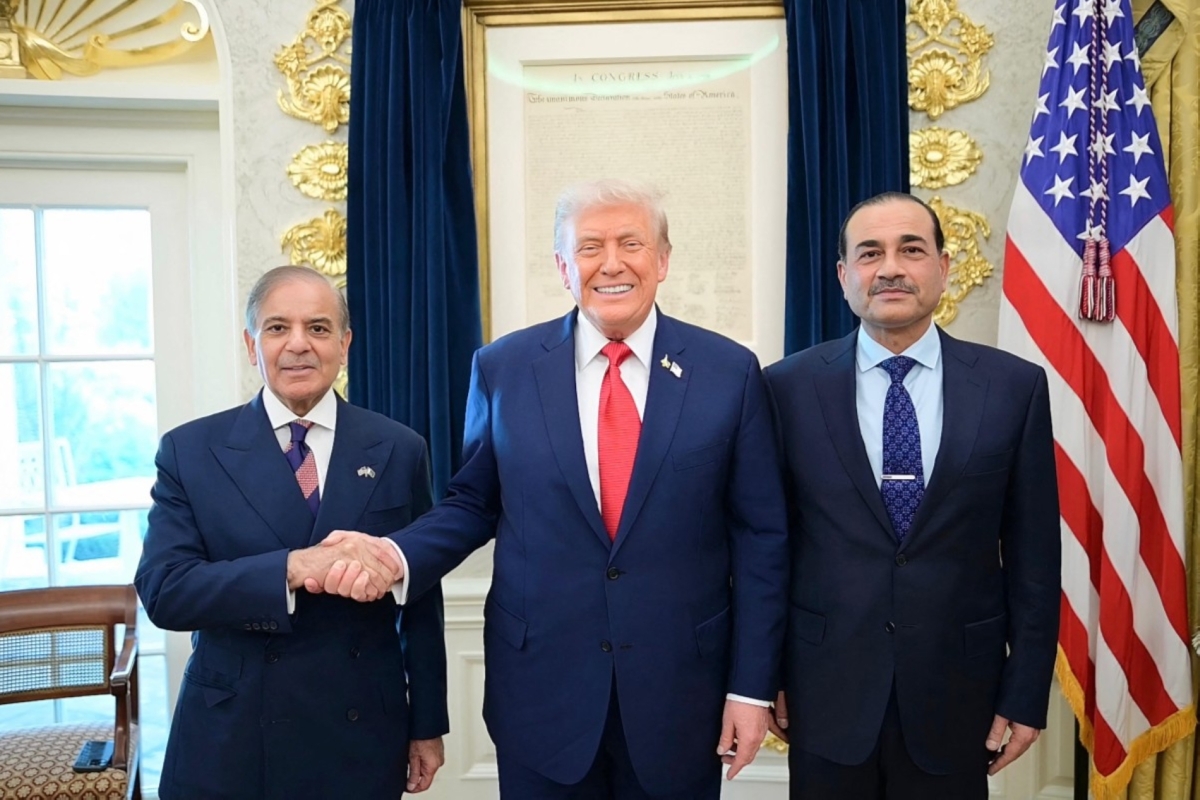
Pakistan has a front seat at US President Donald Trump’s White House table, with Prime Minister Shehbaz Sharif and Field Marshal Asim Munir visiting in September last year. However, aside from its role as a traditional military and security provider in the Middle East, Pakistan has re-emerged as a middle power, acting as a bridge in difficult conflicts and bringing together major powers such as China and the US.
Pakistan brokered the US’s first diplomatic meeting with China during the presidency of Richard Nixon. Now, after decades in the diplomatic wilderness, Pakistan has re-emerged as a capable mediator, handling back-channel talks with Iran amid growing tensions and deepening its strategic alignment with China.
At the beginning of Trump’s second term, there was great uncertainty in Pakistan, given the US president’s previous close relationship with India—Trump’s strategic partner of choice in countering China. However, after a year in office, Pakistan has emerged not only as one of Trump’s regional favourites but as a favoured actor on the global stage. During the 12-day summer conflict between Israel and Iran, it was no coincidence that Field Marshal Munir found himself between the power corridors of Washington, D.C. and Langley.
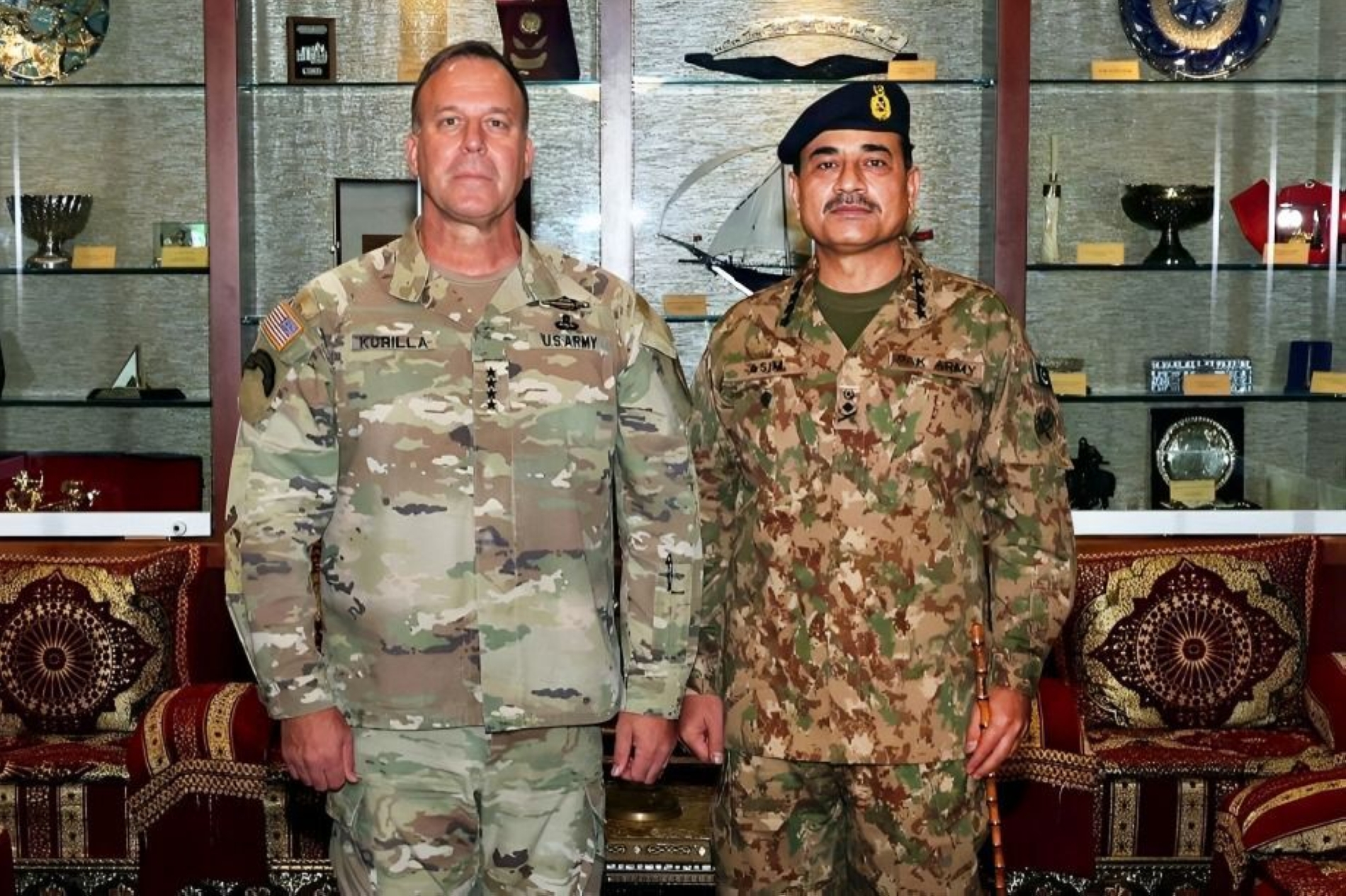
To many people’s surprise, the then commander of the US’s Central Command, General Michael Kurilla, defended Pakistan’s role as a counter-terror partner. His rhetoric went against a decades-long push at Capitol Hill, when leading congressmen, senators, and generals labelled Pakistan as a supporter of terrorism. So, what had changed?
Quiet yet key role
For one, Kurilla had revived an old Cold War reliance on Pakistan’s ability to talk to undesirable regimes—something the US could not do directly, at least not openly. During last year’s Israel-Iran conflict and the US’s attack on Iran’s nuclear sites, Pakistan played a quiet behind-the-scenes role, limiting the possibility of out-and-out escalation. Pakistan did not simply pass messages back and forth between Tehran and Washington. It whispered in Trump’s ear, advising him how to deal with Iran.
Following his meeting with Munir in June last year, during which a strategy was discussed to curtail the fallout of US strikes on Iran, Trump said, “Pakistan knows Iran much better than most.” This was in line with the 2020 assassination of Qasem Soleimani, a major general in Iran’s Islamic Revolutionary Guard Corps, by a drone strike during Trump’s first term. One of the first calls Trump made following that attack was to General Qamar Javed Bajwa, then Pakistan’s chief of the Army Staff.