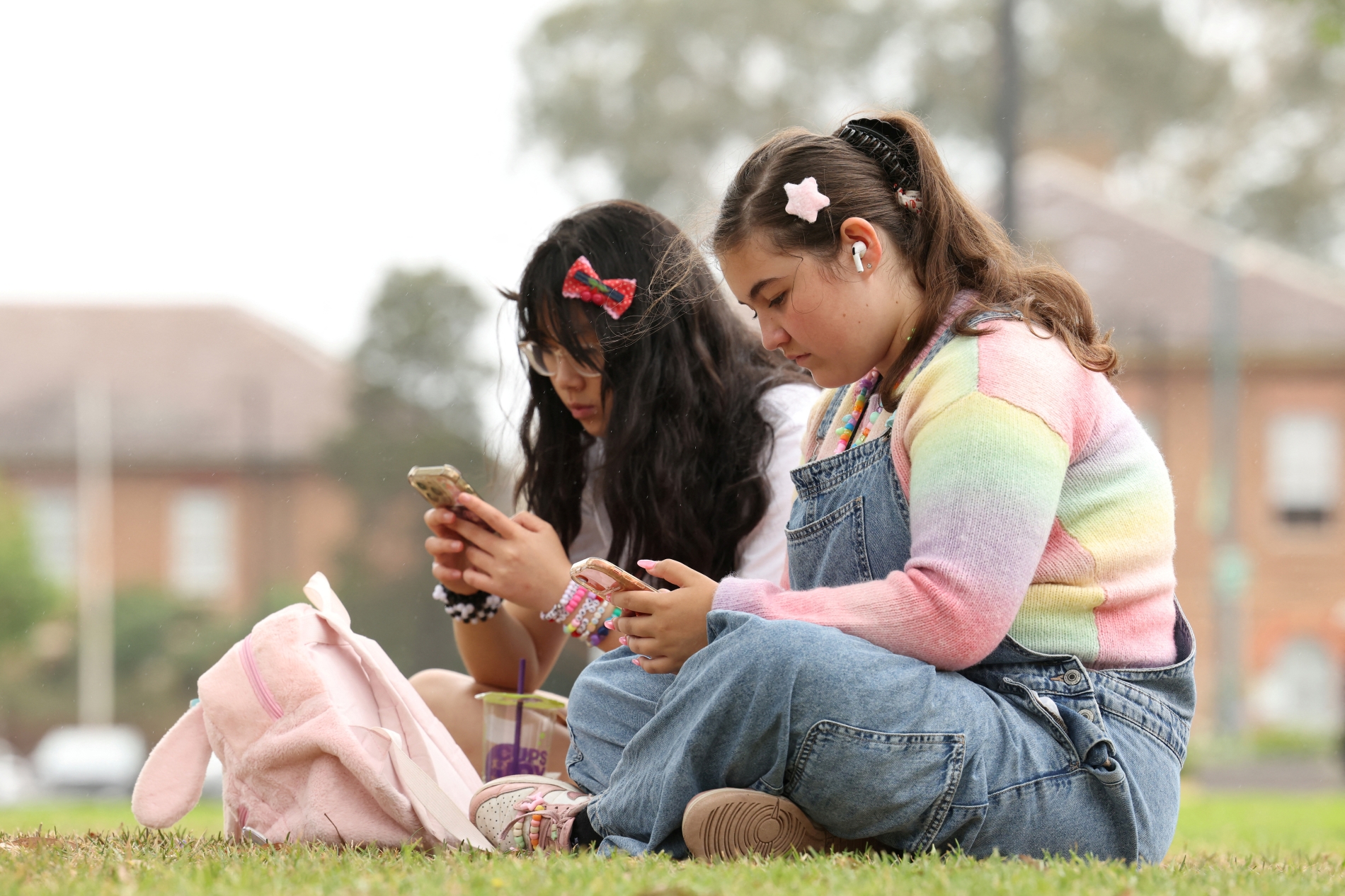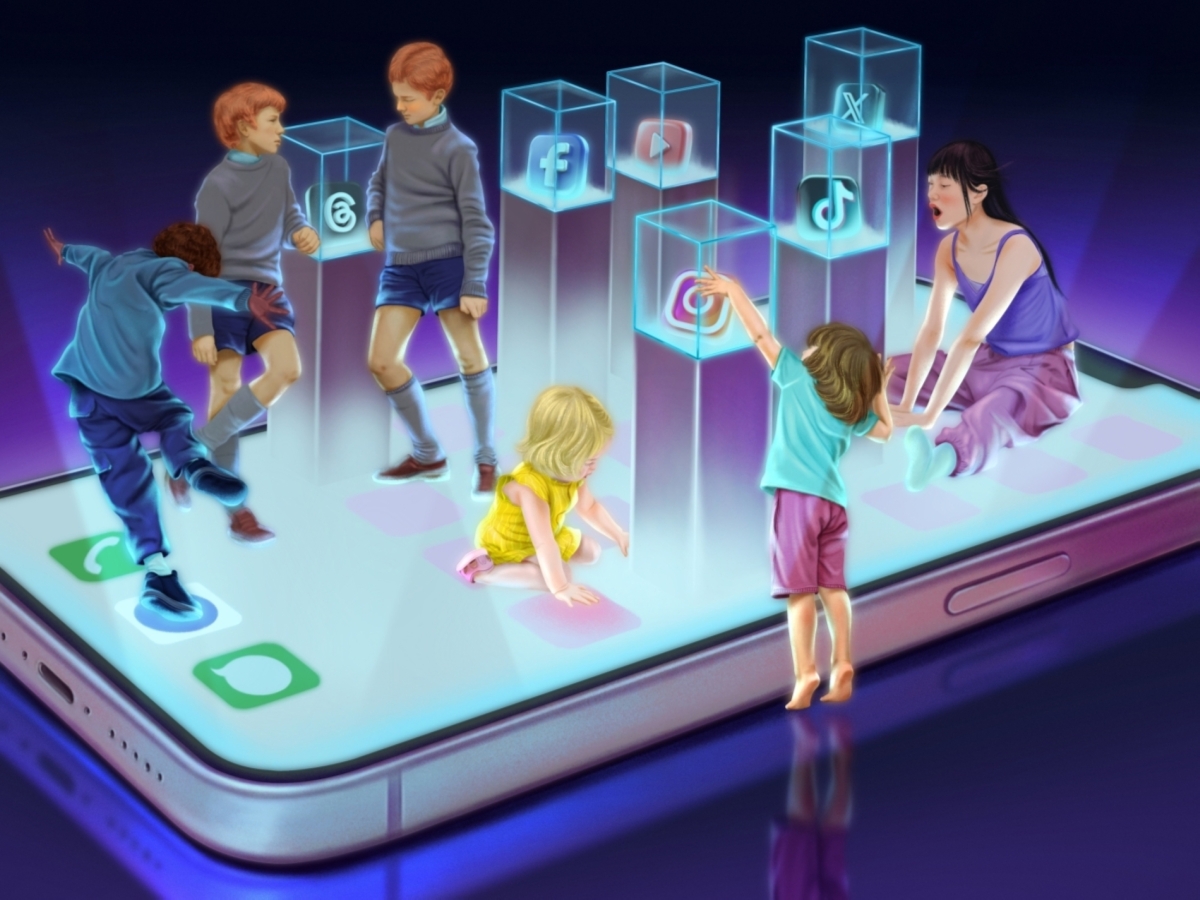

The debate over whether to ban Under-16s from using social media has returned to the fore after Britain’s House of Lords voted in favour of prohibition. The upper house may not be the most social media savvy institution—most of the 800+ Lords are over the age of 70, dozens are over the age of 90, and only 3.7% are under the age of 50. Still, their votes matter, and they voted in favour of a legislative amendment to prevent those aged 15 or younger from accessing the platforms.
The British government has been consulting widely on children’s relationship with the digital space, and there is some evidence of there being cross-party support for a ban, which could reflect a broader shift in mood both in the UK and beyond. Increasingly, legislators are having to deal with big, era-defining questions. How should children’s presence in the digital space be regulated, if at all? What are the limits of legal protection? These are questions that experts are trying to answer. Social media is now an inseparable part of everyday life, but early teenage years are formative, and children are uniquely vulnerable.
Legal responsibility
A social media ban for Under-16s means a set of measures aimed at preventing minors from creating or maintaining accounts. It does not imply criminalising the child or their family. Rather, legal responsibility is typically placed on the companies operating the platforms, obliging them to verify users’ ages and to prevent access by those deemed too young under the law.
The type of ban voted for by Britain’s Lords differs from the concept of digital consent related to the processing of personal data (GDPR legislation), which refers to the legal age at which a child is considered capable of consenting to the collection and processing of their personal data when using digital services without parental approval. A social media ban, by contrast, entails preventing access altogether, not merely regulating its conditions or data requirements.
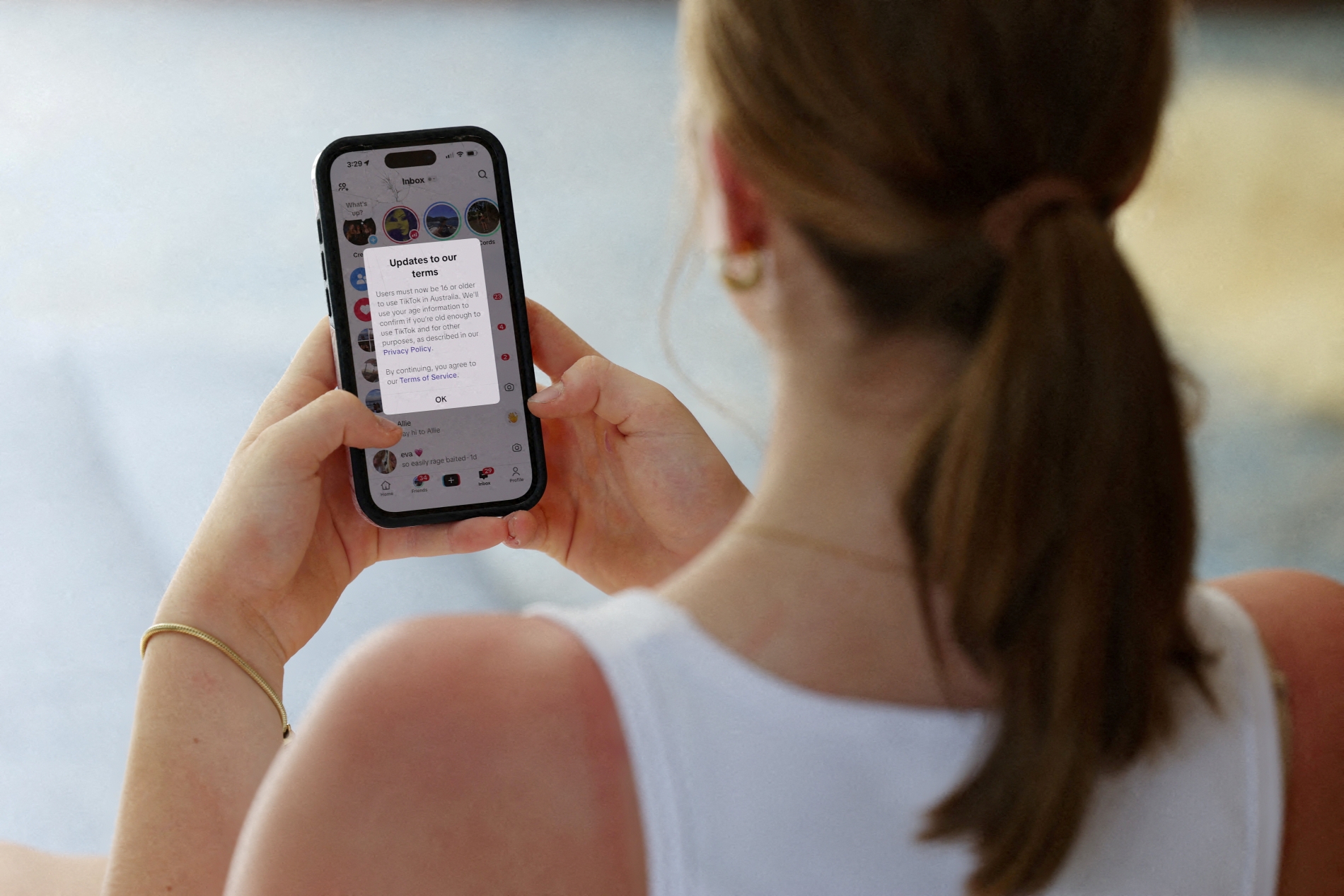
The idea of banning minors from social media has gathered pace after platforms’ voluntary policies increasingly failed to limit children’s access effectively. The first legally-binding implementation of an age-based ban was recently enacted in Australia. Sites now banned for children include Facebook, Instagram, Snapchat, Threads, TikTok, X, YouTube, Reddit, and streaming platforms Kick and Twitch. WhatsApp, YouTube Kids, and Google Classroom have been excluded.
Countries such as Malaysia and New Zealand seem set to follow suit, which may confirm the move from ‘safe use’ to ‘age-based ineligibility.’ In Europe, legislation has been discussed. The European Parliament debated the issue and issued non-binding positions calling for the establishment of a unified minimum age, but implementation is up to member states. In France, an age-based ban has been proposed, while others have opted for a regulatory framework centred on data protection or age-appropriate design.