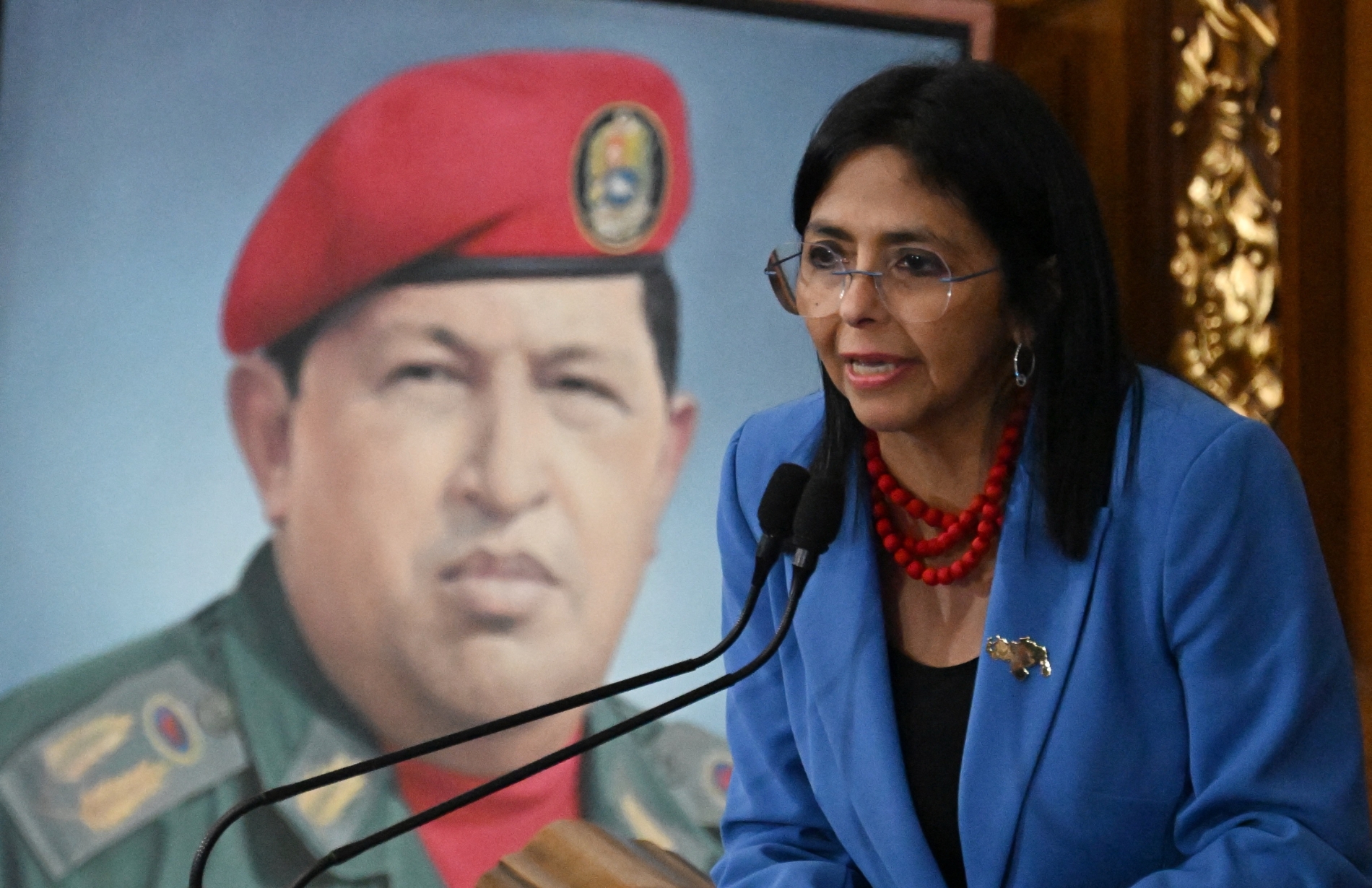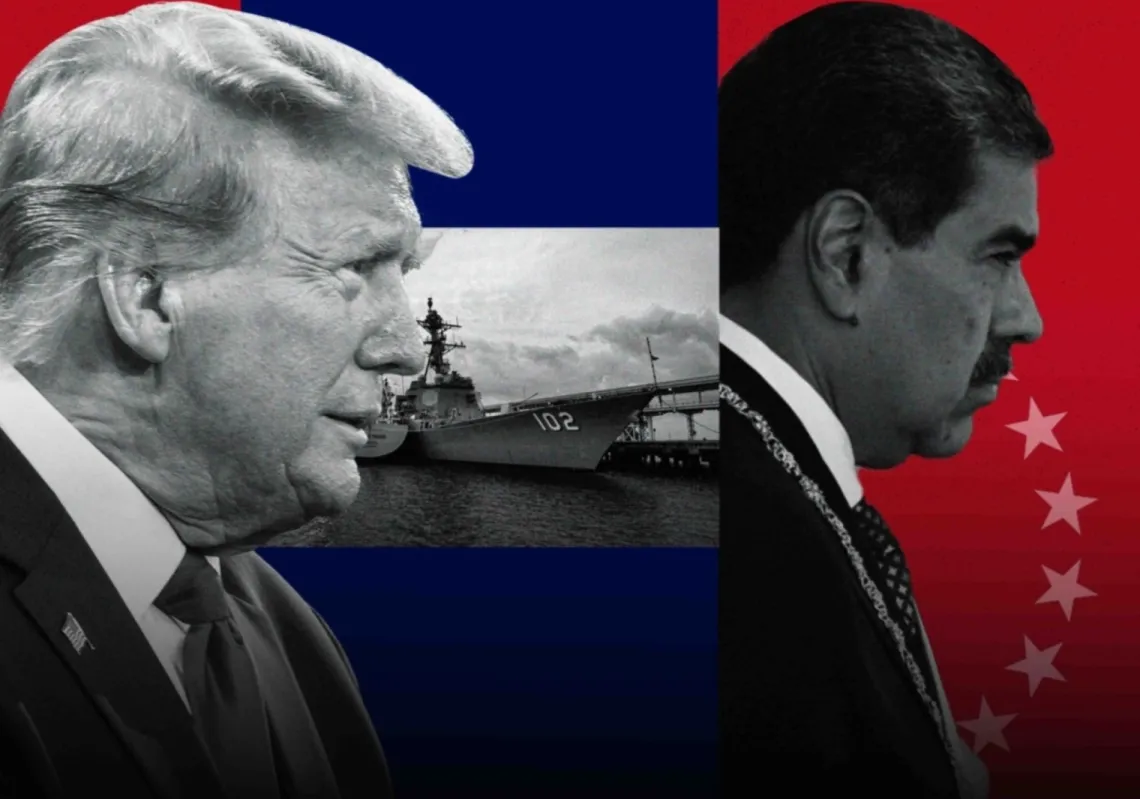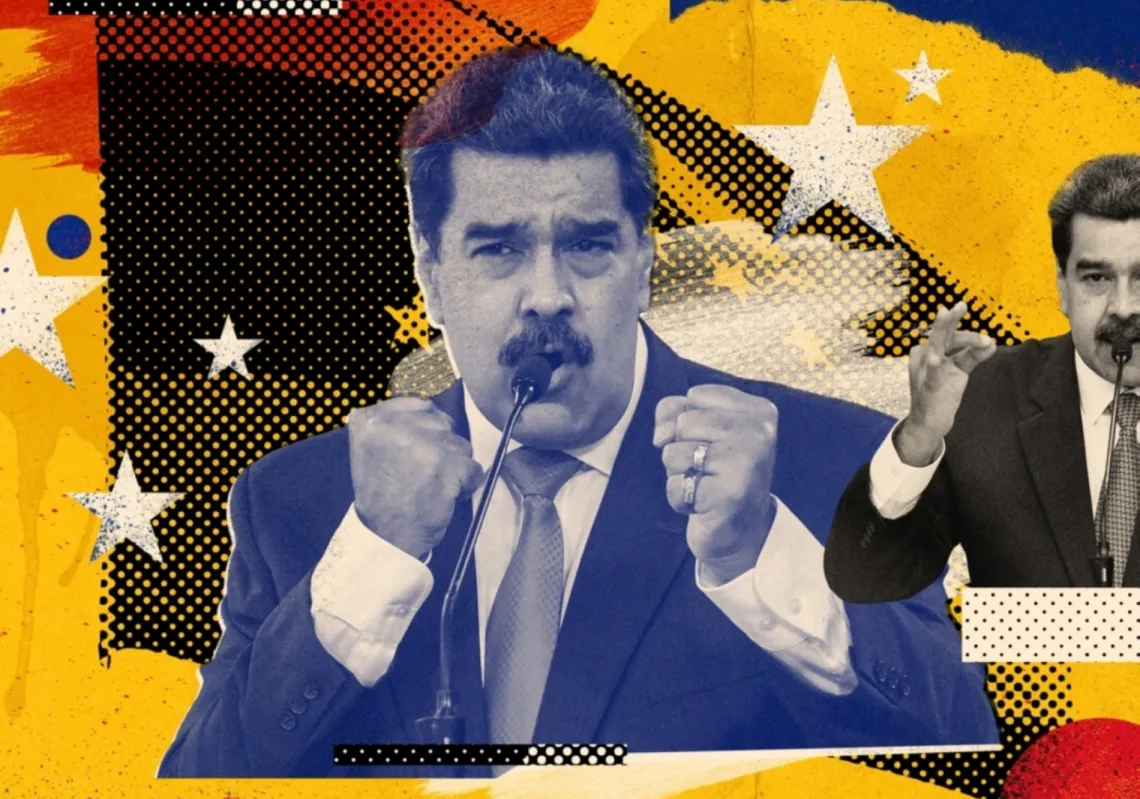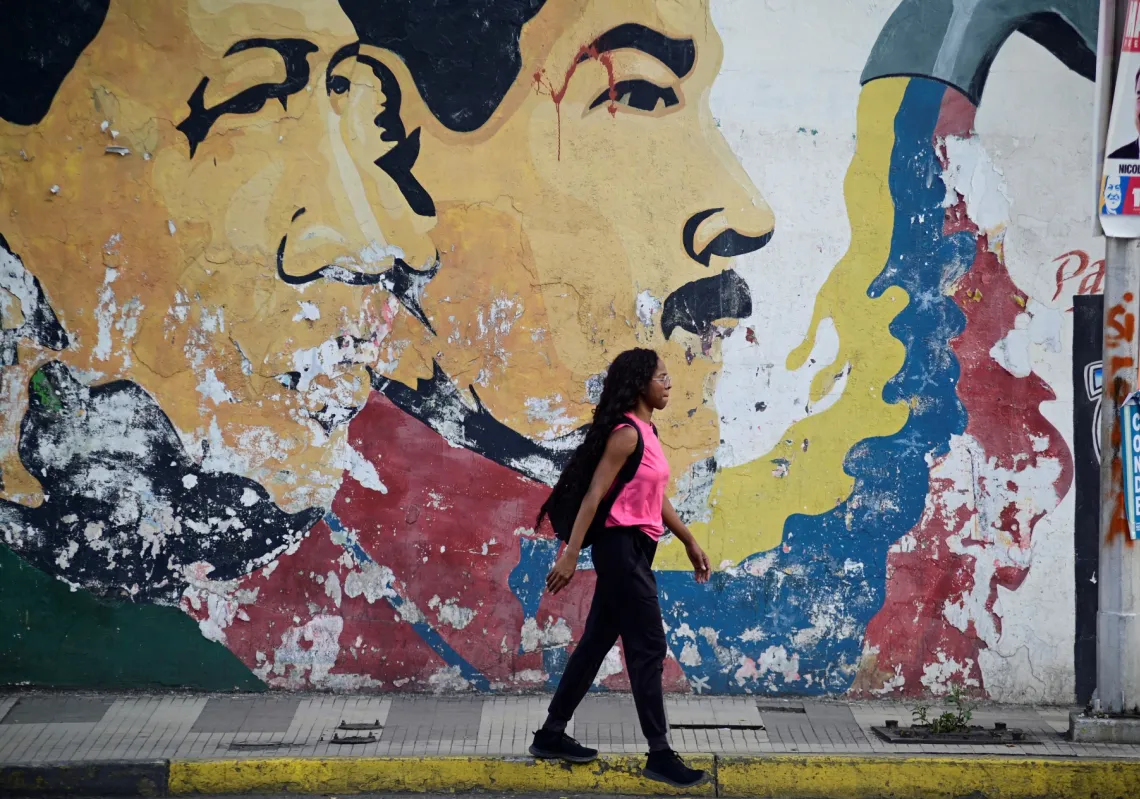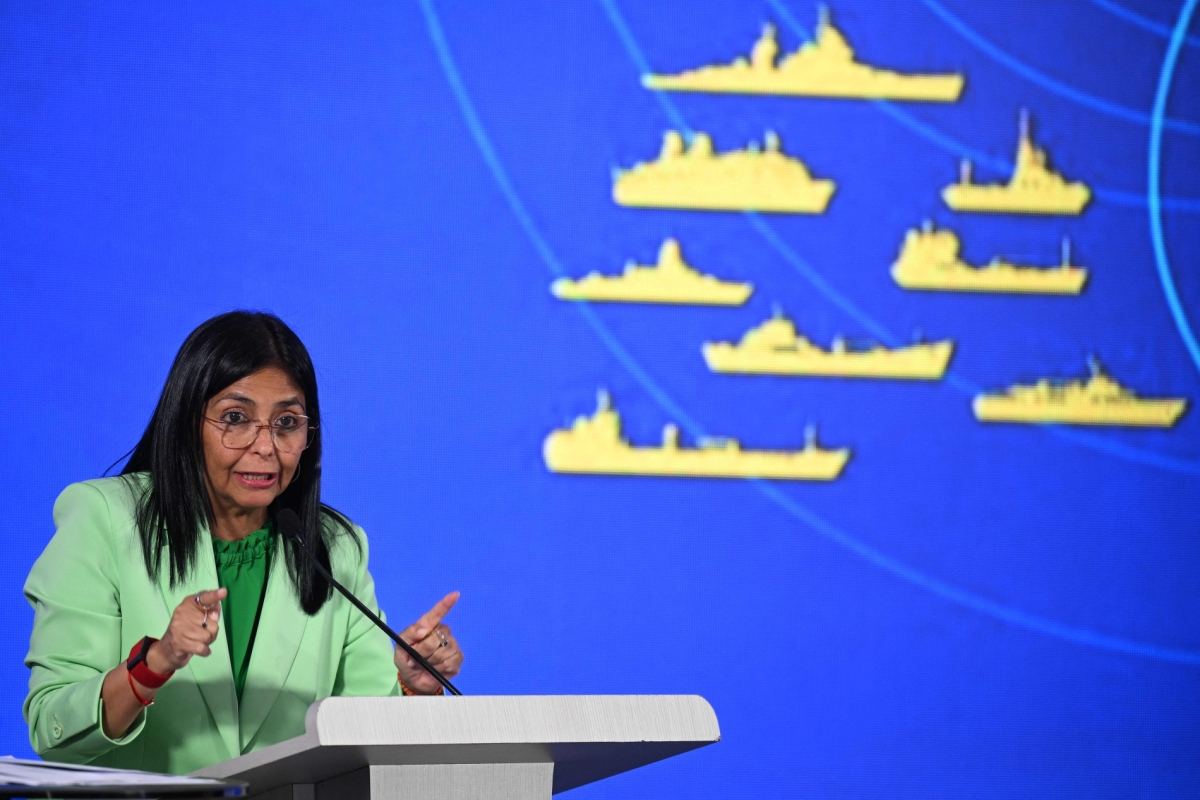

The US attack on Venezuela, and subsequent abduction of its president, Nicolás Maduro, on 3 January, shocked the country's political system, which was already under strain. However, it didn't trigger the collapse many in Washington had long anticipated. Instead, it revealed how deliberately Venezuela’s power structure has been engineered for moments of crisis. At its centre stood Delcy Rodríguez, the vice president of Venezuela. Calm, controlled and resolute, she emerged as the government’s principal voice, signalling continuity rather than rupture.
Rodríguez’s prominence was not accidental. For years, she has operated at the intersection of diplomacy, internal discipline and crisis management. While Maduro embodied the symbolic inheritance of Hugo Chávez’s revolution, Rodríguez has increasingly represented its operational core. Her ascent offers a revealing window into how Venezuela’s leadership withstands pressure, and why external coercion so often strengthens rather than destabilises figures like her.
From cadre to command
Delcy Eloína Rodríguez Gómez was born in Caracas in 1969 into a politically engaged family. Her father, Jorge Antonio Rodríguez, was a Marxist leader who co-founded the Socialist League, a militant-leftist group in the 1960s. In 1976, he died at the age of 34 in state custody after undergoing interrogations for the kidnapping of US businessman William Niehous, for which he was suspected of being involved.
Rodríguez would visit her father in prison as a child, and was seven years old when her father died. Her brother is Jorge Rodríguez, a psychiatrist serving as President of the National Assembly of Venezuela. In a past interview, she said: “The revolution is our revenge for the death of our father."
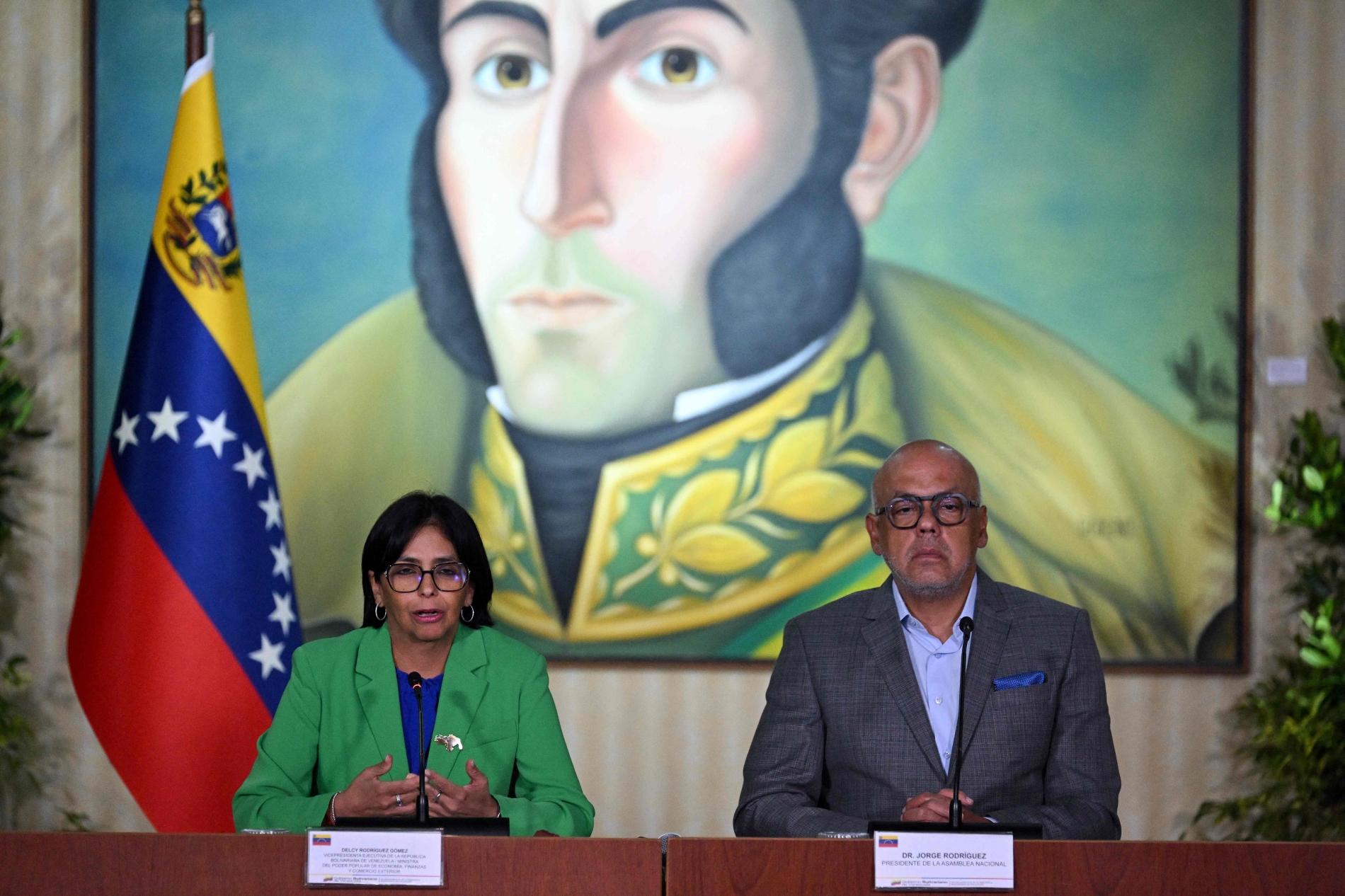
She grew up and studied law, but then entered politics through the disciplined ranks of the Bolivarian movement rather than through popular mobilisation. Early on, she demonstrated a knack for institutional mastery over public charisma—a trait that would later define her leadership style.
Unlike Chávez, whose authority rested on mass appeal, Rodríguez advanced through reliability and ideological alignment. She served in a series of legal and political posts before becoming Venezuela’s permanent representative to the United Nations, where she developed a reputation as a sharp and steadfast defender of state sovereignty. Her rise accelerated in 2014 with her appointment as foreign minister, a position she would hold during some of the most punishing years of diplomatic isolation.
Observers often note that Rodríguez lacks the theatrical populism associated with Chavismo’s early phase. Yet this turned out to be an asset. In a system increasingly shaped by sanctions, scarcity and confrontation, discipline and competence carry more weight than popular appeal. Rodríguez’s authority has been forged less in public squares than in negotiating rooms, court filings and crisis briefings.
Diplomacy under sanctions
Rodríguez’s tenure as foreign minister coincided with Venezuela’s deepening confrontation with the United States and Europe. Sanctions tightened, diplomatic recognition fractured, and access to international markets narrowed. In response, Caracas shifted from ideological outreach to tactical survival.
As Latin America policy specialist Ryan C. Berg documents, the government increasingly relied on selective engagement, legal manoeuvring and discreet bilateral relationships to blunt the impact of isolation. Rodríguez became central to this effort. She pursued a strategy that combined public defiance with quiet pragmatism, exploiting European divisions, multilateral ambiguity and the limits of enforcement.
Her diplomatic style was confrontational in tone but cautious in substance. Rodríguez understood that survival depended less on overturning sanctions than on managing them. This required legal fluency, message discipline and the capacity to absorb pressure without provoking escalation. In the process, her standing within the government solidified as that of a trusted operator capable of navigating hostile terrain.
Power without succession
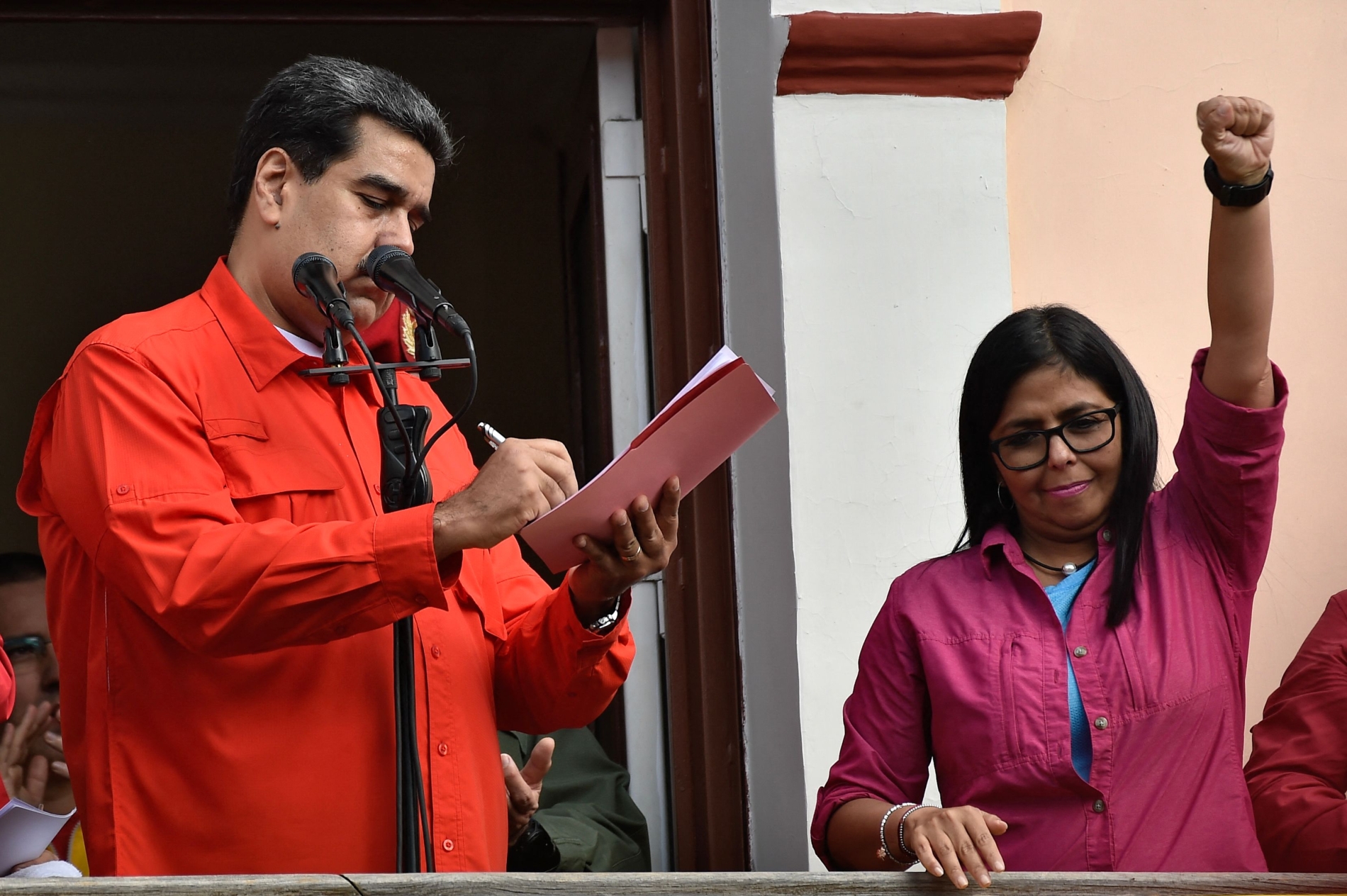
Despite her visibility, Rodríguez has never been framed as Maduro’s successor. Her role has instead been that of stabiliser. Research on authoritarian systems under pressure helps explain this dynamic. Political scientist Lars Marsteintredet, whose work examines sanctions and government survival, argues that such systems prioritise cohesion over renewal, elevating insiders who reinforce discipline rather than figures who promise transformation.
Rodríguez fits this pattern precisely. Her authority derives not from electoral appeal or revolutionary mythology, but from her ability to enforce coherence within a fragmented state. She bridges civilian leadership, military loyalty and international messaging. In moments of crisis, this makes her indispensable.
The US strike reinforced this logic. Rather than triggering elite fractures, external pressure consolidated the inner circle. Rodríguez’s swift emergence as spokesperson underscored how power in Venezuela flows through trusted mechanisms rather than formal hierarchies.
Networks beyond the state
Venezuela’s endurance under sanctions cannot be explained by domestic politics alone. It is sustained by a web of international relationships that operate alongside formal diplomacy. Security and illicit finance analyst Douglas Farah details how Venezuelan officials rely on informal transnational networks linking Europe, the Middle East and parts of Asia to access resources, move capital and preserve strategic flexibility.
Rodríguez has become a key node within these networks. Her experience in multilateral institutions and her legal expertise enable her to navigate jurisdictions in which political alignments remain ambiguous. As conventional diplomatic avenues narrow, this capacity has grown more valuable.
These networks do not signal strength in the conventional sense. They reflect adaptation. The state survives by becoming porous, leveraging ambiguity and operating in the grey zones of the international order. Rodríguez’s role within this system highlights how authority is exercised less through command than through coordination.
Pressure as political capital
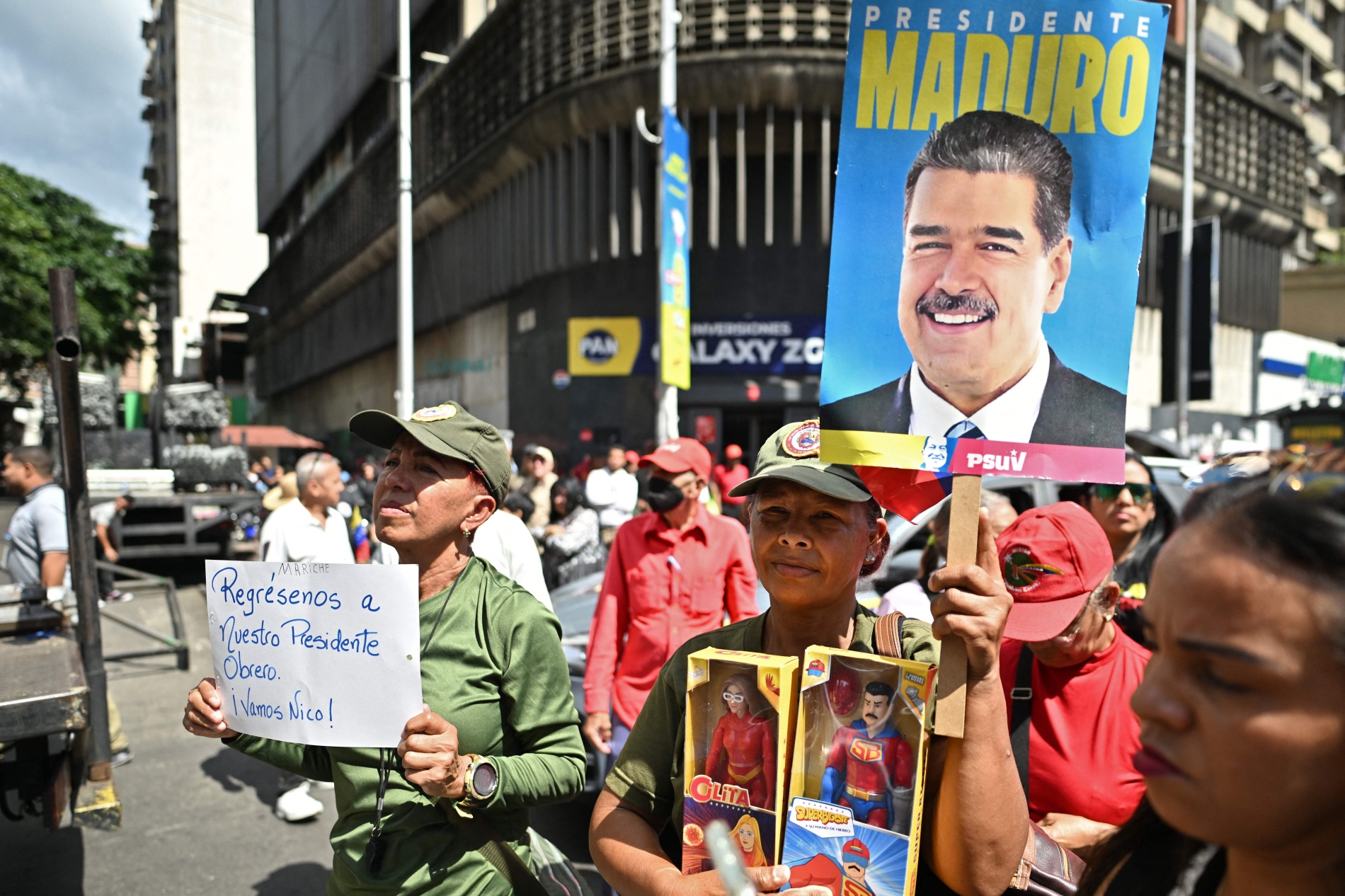
The recent US action follows a familiar pattern. As the United States Institute of Peace notes, coercive measures against Venezuela have repeatedly failed to produce a political transition, instead reinforcing narratives of external aggression. Rodríguez has been particularly effective at converting such pressure into narrative advantage, strengthening the governments’s claim to sovereignty under threat.
By framing sanctions and strikes as assaults on national independence, she repositions the government as defender rather than oppressor. This narrative resonates not because it persuades all Venezuelans, but because it draws on a long regional memory of intervention. External force has historically been associated with instability rather than reform.
Analysts of authoritarian politics describe this process as consolidation through threat perception. External pressure narrows political space, marginalises dissent and tightens internal discipline. Rodríguez’s messaging after the US strike reflected this logic, emphasising unity, legality and resistance rather than escalation. In doing so, she helped convert vulnerability into political capital.