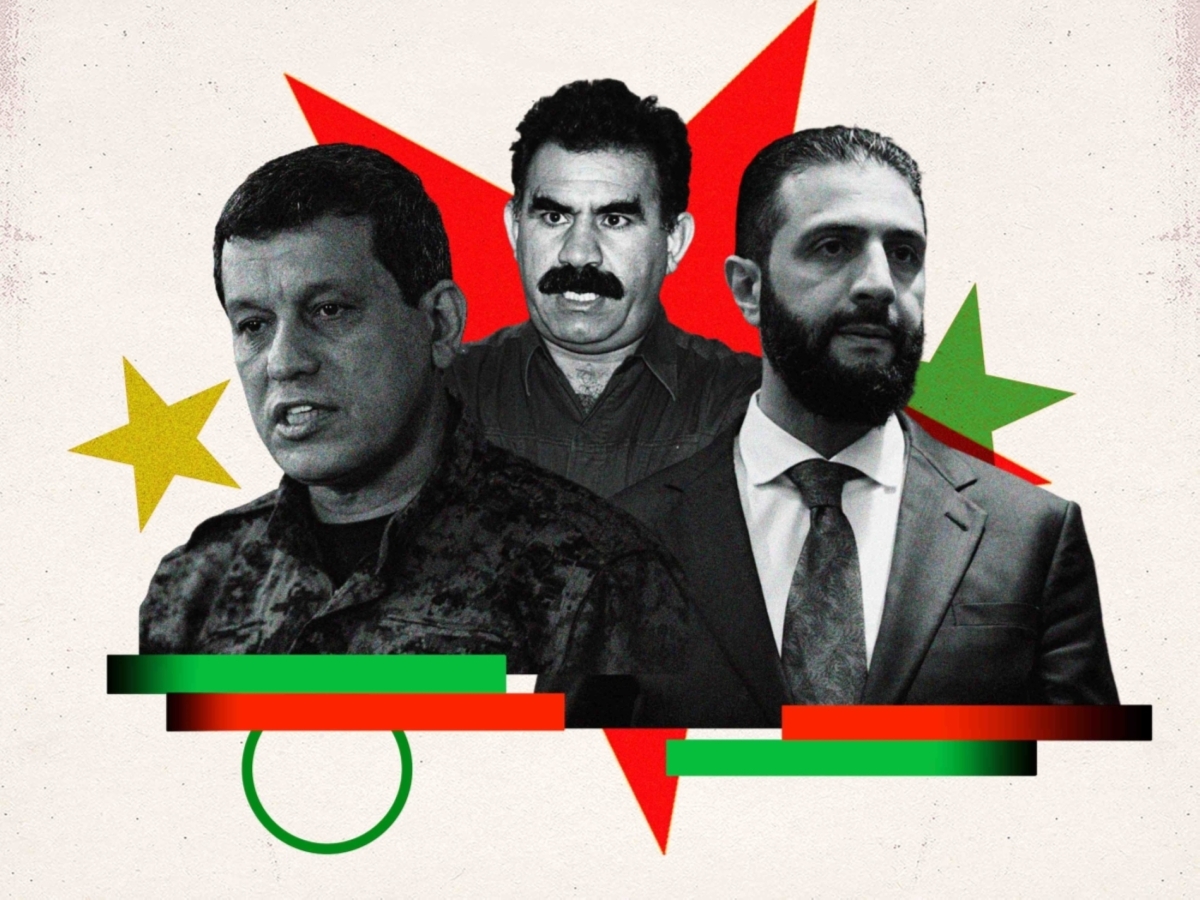
Back to Qandil: PKK fighters finally leaving Syria

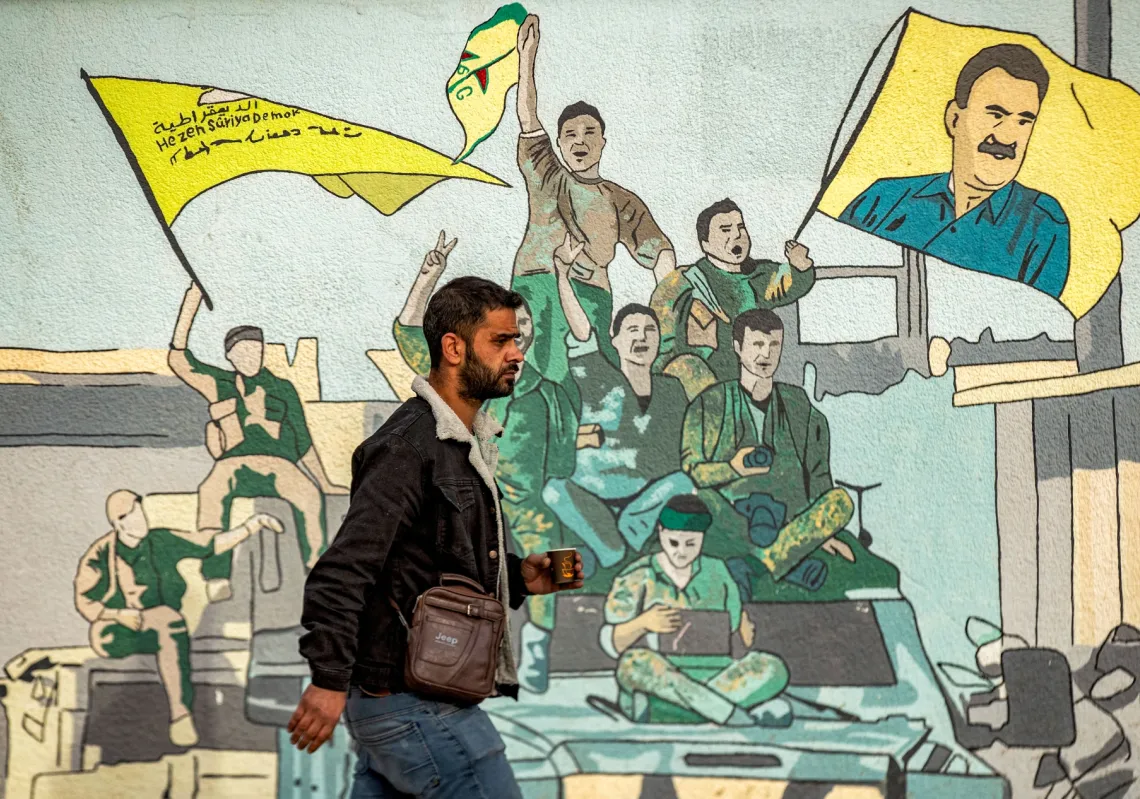
More than 40 years after PKK leader Abdullah Ocalan began building networks of trained operatives in Syria’s north-east to infiltrate Türkiye, they have been sent packing.

AFP / Al Majalla

Back to Qandil: PKK fighters finally leaving Syria

In recent days, Kurdish fighters who spent years building vast tunnel networks in the border area between Syria, Iraq, and Türkiye have begun to emerge from their bunkers and leave Syrian territory, as part of a deal struck with the new leaders in Damascus. Many of those leaving quietly and without fanfare belong to the proscribed Kurdistan Workers Party (PKK). Their departure had been sought for more than a year.

It was the most sensitive clause in an agreement signed last month between the Syrian government in Damascus and the Kurdish-led Syrian Democratic Forces (SDF) in Syria’s north-eastern corner. The two sides fought deadly battles in January, beginning in Aleppo, but the SDF were quickly pushed back and forced to agree to terms that they had spent 2025 refusing. The removal from Syrian territory of leaders and fighters from the PKK was a condition set by both Damascus and Turkish authorities, who consider armed Kurdish fighters on their southern border a national security threat.

Among those to leave Syria has been Dr Bahoz Erdal, the nom de guerre of senior Syrian-born PKK leader Fehman Hûseyn, best known for ordering attacks against Turkish military outposts from 2007-16. Born in Al Malikiyah in 1969, he studied veterinary medicine at Damascus University (hence his combat name). He became a prominent leader of the PKK’s military wing and helped establish the Kurdish People’s Protection Units, which later formed the core component of the SDF. After PKK leader Abdullah Ocalan was captured by Turkish agents in 1999, Erdal was one of three PKK commanders who took control of the group.

A long time coming

After the fall of Syrian president Bashar al-Assad on 8 December 2024, negotiations took place between Syria’s acting president, Ahmed al-Sharaa and SDF commander Mazloum Abdi. The stipulation that PKK leaders leave Syria came from Türkiye, which had supported al-Sharaa. Ankara has been busy negotiating the PKK’s permanent disarmament with the group’s imprisoned leader, Abdullah Ocalan, in parallel with the negotiations between Damascus and the SDF.

Al-Sharaa and Abdi reached an agreement on 10 March 2025, and although this did not mention the PKK. Last month, sometimes amid fighting between their forces, they agreed on three different sets of terms, in documents dated 4 January, 18 January, and 30 January. The document they signed on 18 January did mention the PKK explicitly.

Mediation between the SDF and Damascus was led by Masoud Barzani, president of the Kurdistan Region of Iraq from 2005 to 2017. Those meetings involved al-Sharaa, Abdi, the US envoy Tom Barrack, and Turkish leaders. It is widely believed that Barzani was crucial in convincing Abdi that PKK leaders had to leave Syria and that the SDF had to cut ties to the PKK.

It was not just the PKK that was no longer welcome. It also covered two affiliated formations: the Hard Power faction and the Revolutionary Youth. Their numbers were estimated in the thousands, including about 1,000 non-Syrians.
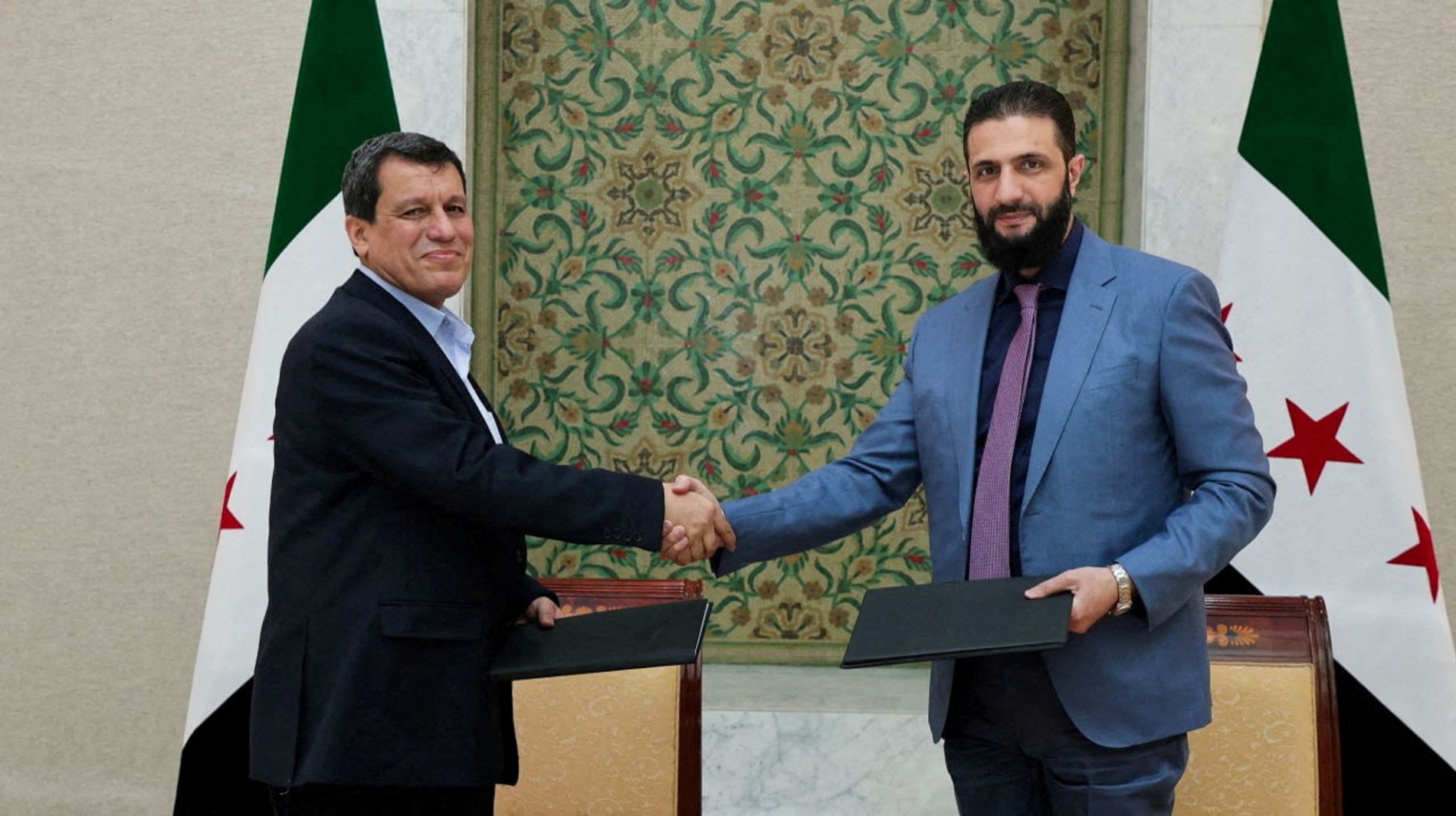
AFP
Ahmed al-Sharaa and Mazloum Abdi during the signing of the agreement to integrate the SDF into state institutions, Damascus, on 10 March 2025.

The al-Sharaa-Abdi agreement announced on 30 January includes a team from the authority sent to oversee land border arrivals at the Semalka and Nusaybin crossings, to prevent weapons and foreigners from entering.

Enacting the deal

This week, Damascus and the SDF began implementing the agreement. Kurdish politician Nour al-Din Issa has been appointed governor of Al Hasakah. SDF commander Jia Kobani, who has represented the group in negotiations, was named deputy defence minister. Kobani’s nomination was approved by Damascus, but the central government appointed a security director for Al Hasakah, where the SDF has operated with autonomy for several years.

The central government also took control of the Rumaylan and Al Suwaydiyah oil fields and Qamishli airport, and deployed personnel to oversee the launch of Asayish (Kurdish domestic security agency) operations in Al Hasakah and Qamishli. The two cities will be placed under joint administration as state institutions resume work gradually. Consultations are continuing over a deputy interior minister, nominated by the SDF and approved by Damascus, as part of steps to integrate the Asayish into the federal security apparatus.
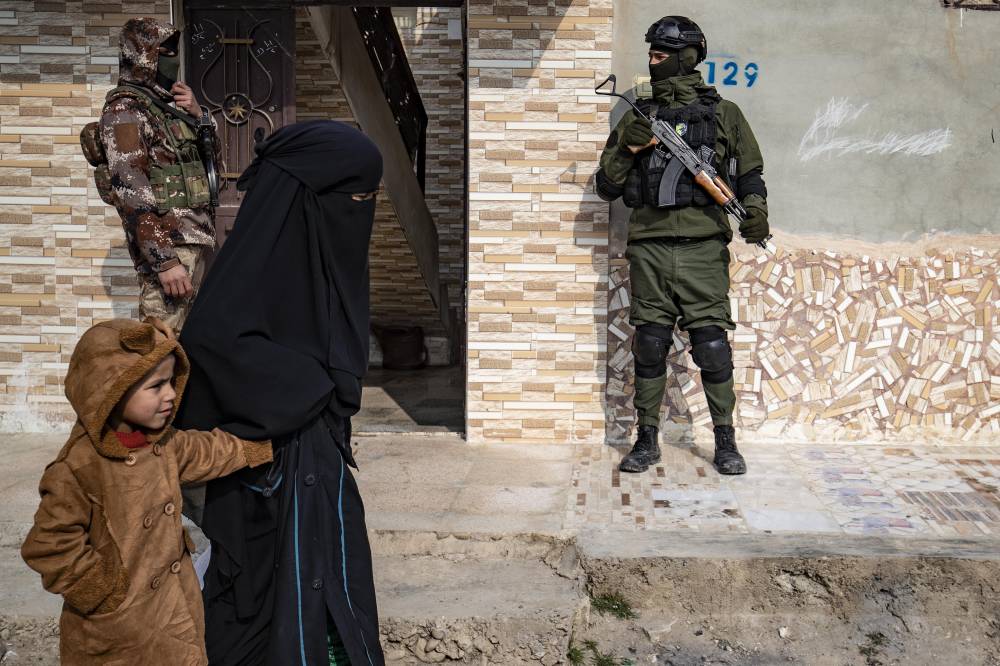
AFP
Syrian Kurdish Asayish security forces stand guard outside a house during a raid against suspected Islamic State group fighters in Raqqa, the jihadist group's former de facto capital in Syria, on 29 January 2023.

Some PKK leaders hinted at joining the SDF in the fight against Syrian government forces, using tunnel networks in Al Jazirah, but this raised fears of a more widespread Arab-Kurdish sectarian conflict. For several days, this seemed likely. On 16 January 2026, the Syrian army said Erdal had arrived from the Qandil Mountains (a well-known base for Kurdish fighters in Iraq) to oversee SDF military operations in Aleppo. President al-Sharaa later referred to his role in fighting in Aleppo’s Sheikh Maqsoud, Al Ashrafiyah, and Bani Zaid districts.
PKK leaders hinted at joining the SDF in the fight against Syrian government forces, raising fears of a more widespread Arab-Kurdish conflict

Shifting sentiment

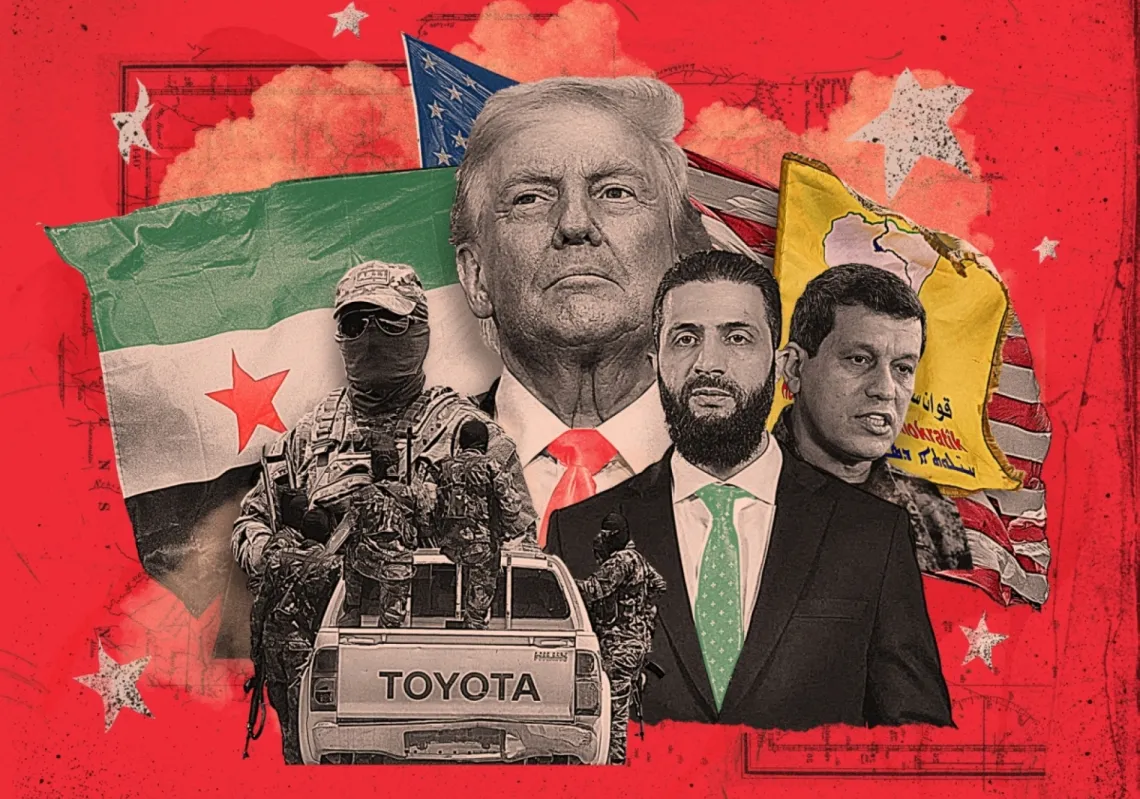
After two weeks of conflict, the 30 January agreement was brokered with the involvement of US President Donald Trump, Turkish President Recep Tayyip Erdogan, and French President Emmanuel Macron, shifting priorities. This helped avert a wider confrontation, reinforced the ceasefire, and pushed both sides towards implementing provisions intended to restore state sovereignty while acknowledging unique Kurdish concerns.

During the negotiations in Erbil, several leaders and officials urged Abdi to distance himself from the PKK, saying decisions needed to come from Syria, not from the Qandil Mountains (home of the PKK). Barzani's opinion carries weight. His political, civil and logistical influence is expanding among Kurdish groups in north-eastern Syria, and he has ties with Türkiye, al-Sharaa, Abdi, and the Americans. 

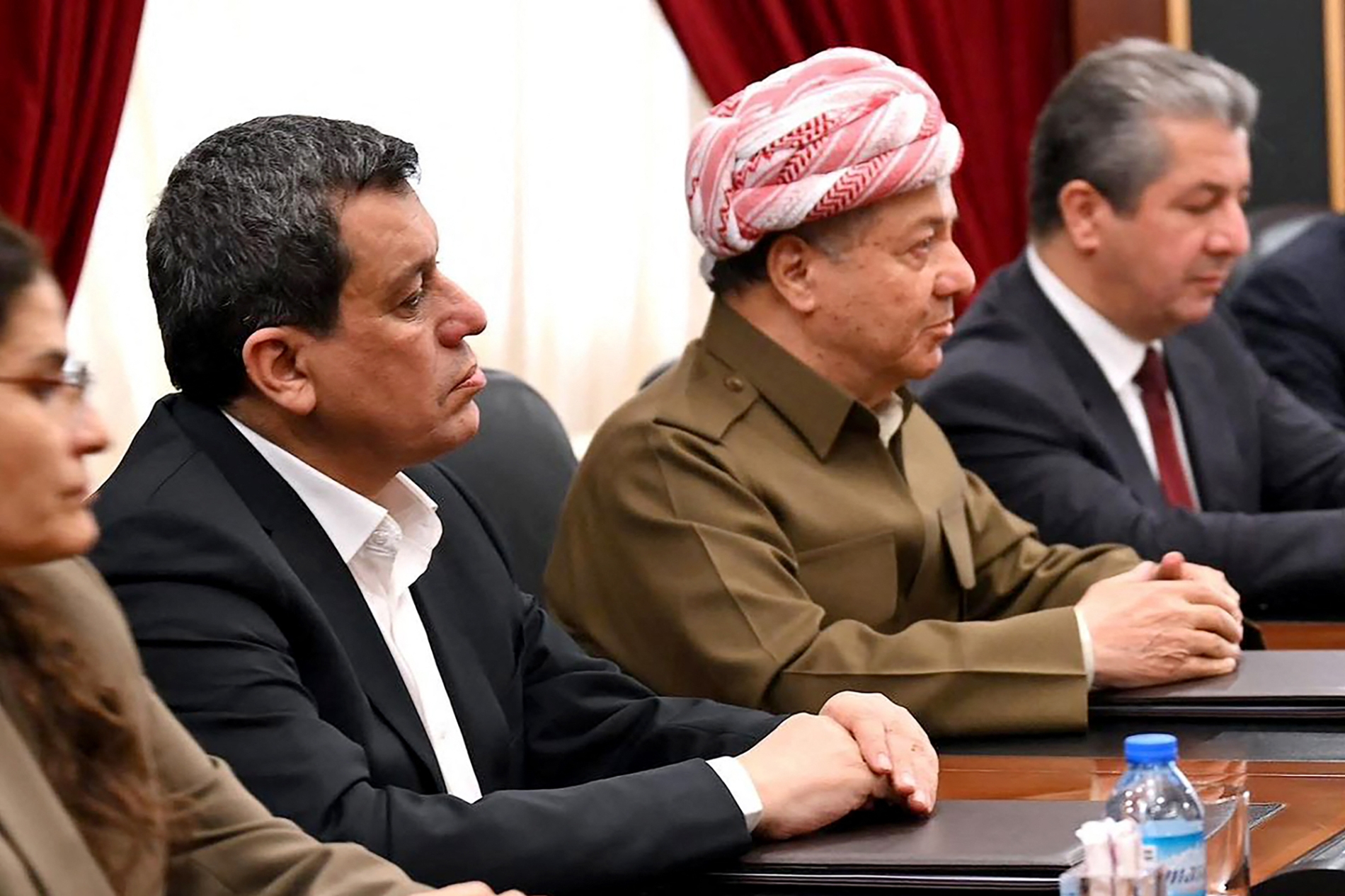
AFP
Kurdish political leader Masoud Barzani (second from left) sits next to the commander of the Syrian Democratic Forces, Mazloum Abdi (left), during their meeting with the US Special Envoy to Syria in Erbil.

The PKK leaders and fighters who began leaving Al Jazirah in Syria in recent days have been heading for the Qandil Mountains. A Western official said about 1,000 members were expected to leave Syrian territory. They added that several Western countries had promised major investment projects as alternatives to the tunnel networks built by the PKK in the area, which extend across the Iraqi and Turkish borders.

PKK's history in Syria

The PKK has been active in Syria since 1984, when Abdullah Ocalan arrived and began organising groups to infiltrate Türkiye, either across the Syrian border or from Iraq. He built networks and trained supporters in Palestinian camps in Syria and Lebanon, all under the supervision of Syrian intelligence and the Syrian army in Lebanon's Bekaa Valley.

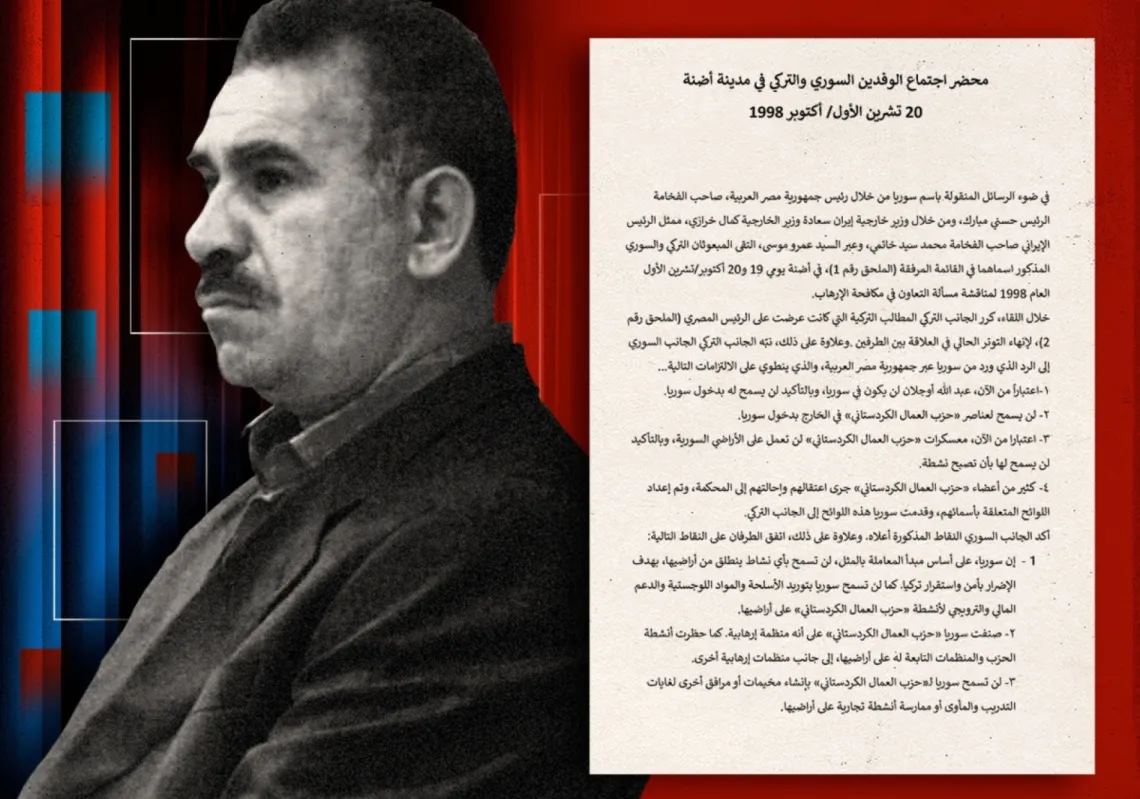
In the early 1990s, the Syrian government under President Hafez al-Assad tried to mediate between Ocalan and Ankara. In 1992, the late Syrian vice-president Abdul Halim Khaddam held his first meeting with Ocalan, but despite further talks, the mediation effort failed. Damascus continued to host Ocalan and rejected Ankara's requests to hand him over or expel him, but in 1998, Türkiye massed its forces on the Syrian border and issued an ultimatum.

After mediation by the late Egyptian president Hosni Mubarak, Damascus and Ankara agreed to cooperate on terrorism. This agreement gave Türkiye the right to pursue PKK members inside a defined zone in northern Syria, a provision Ankara now wants to renew and update. It also required Ocalan to leave Syria. In October 1998, Assad expelled him. Turkish intelligence captured him in Nairobi soon after, in February 1999. He remains imprisoned in Türkiye to this day.

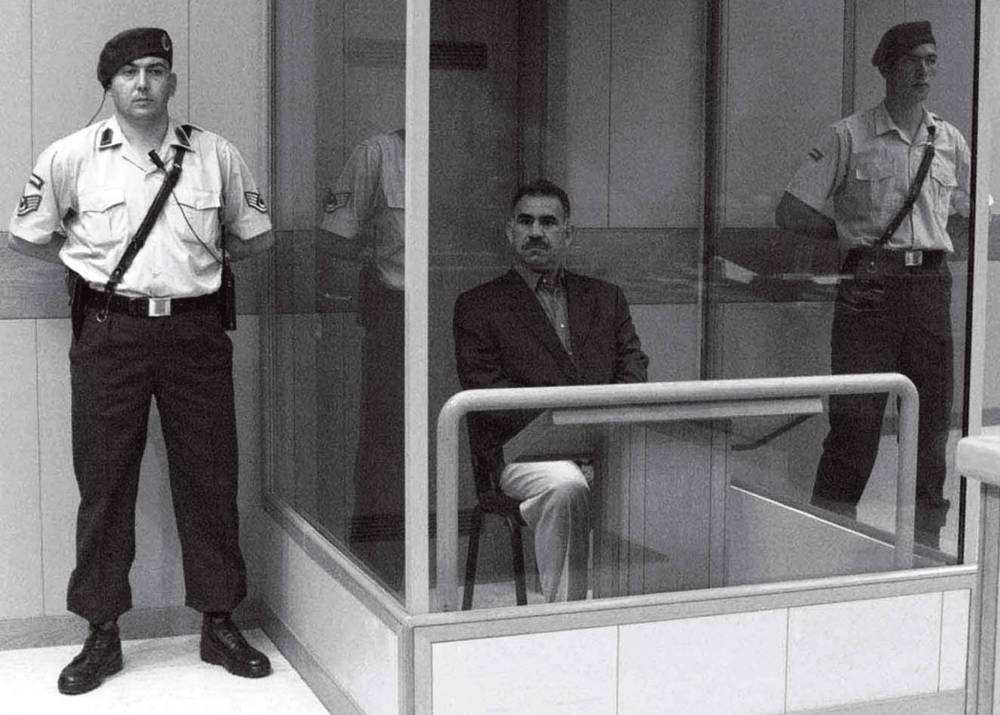
Ocalan in a glass cage during a court appearance.

After Bashar al-Assad assumed power in 2000, Syrian authorities handed dozens of PKK leaders to Türkiye. Erdal was appointed head of the People's Defence Forces, then took a role on the PKK's executive council. Türkiye accused him of ordering attacks against it and placed him on its most wanted list, but Turkish-Syrian relations nosedived after Assad's brutal suppression of the 2011 Syrian uprising, and Damascus once again allowed PKK activity in Syrian territory.

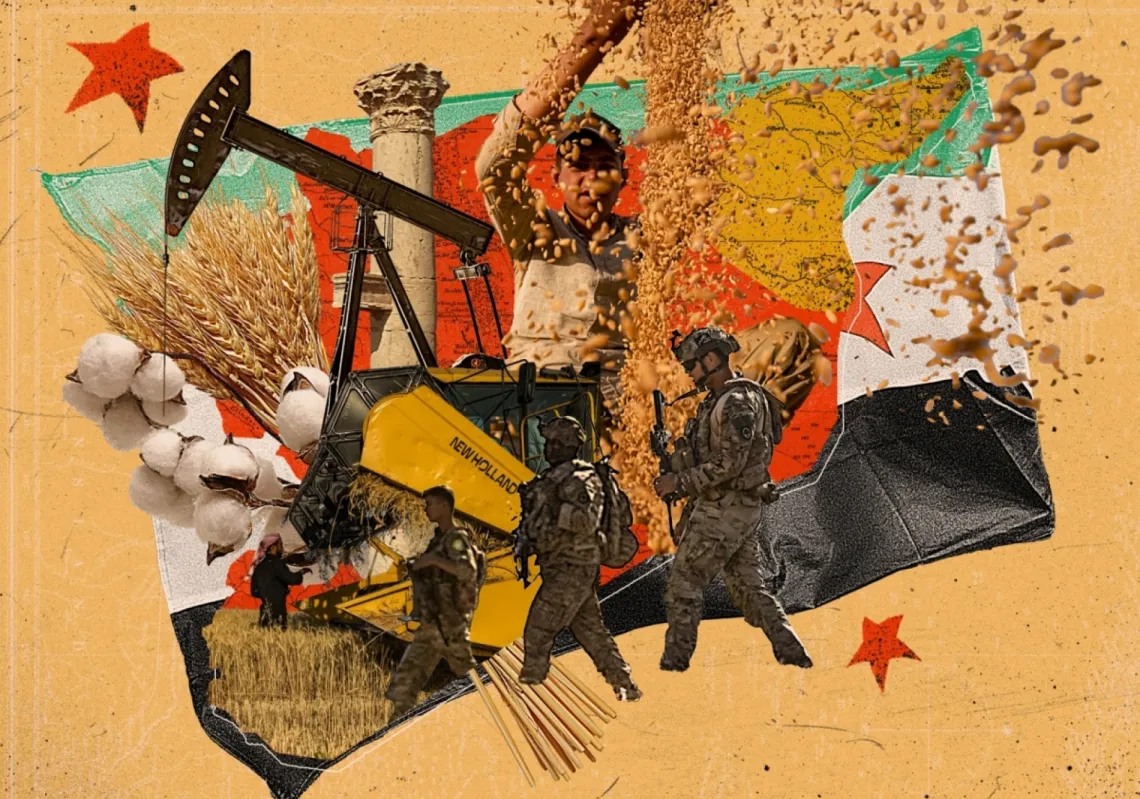
Erdal, who had been based in the Qandil Mountains, became responsible for PKK activity in Syria. He organised the Kurdish People's Protection Units, established the SDF, and led the fight against Islamic State together with American partners after 2015. Over time, the SDF worked with Arab tribes and came to control areas east of the Euphrates. At its peak, it held a third of Syrian territory, including most of its oil wealth.

Brigades and divisions

Work is now underway to implement the other clauses in the 30 January agreement, including the handing over of oil and gas wells and strategic sites, and integrating the SDF into the army. The process is expected to culminate in the SDF handing control of the Semalka Crossing with Iraq and the Nusaybin Crossing with Türkiye to the federal government, with Damascus having already taken over Qamishli airport.

The most complex issue is incorporating the SDF into the Syrian army. A delegation from the Ministry of Defence recently visited Al Hasakah to begin implementation. Under the earlier 4 January draft agreement, the SDF was to retain three divisions and two brigades, one for counter-terrorism and the other for women, but the 30 January agreement reduced this to a single division: the Jazirah Division.

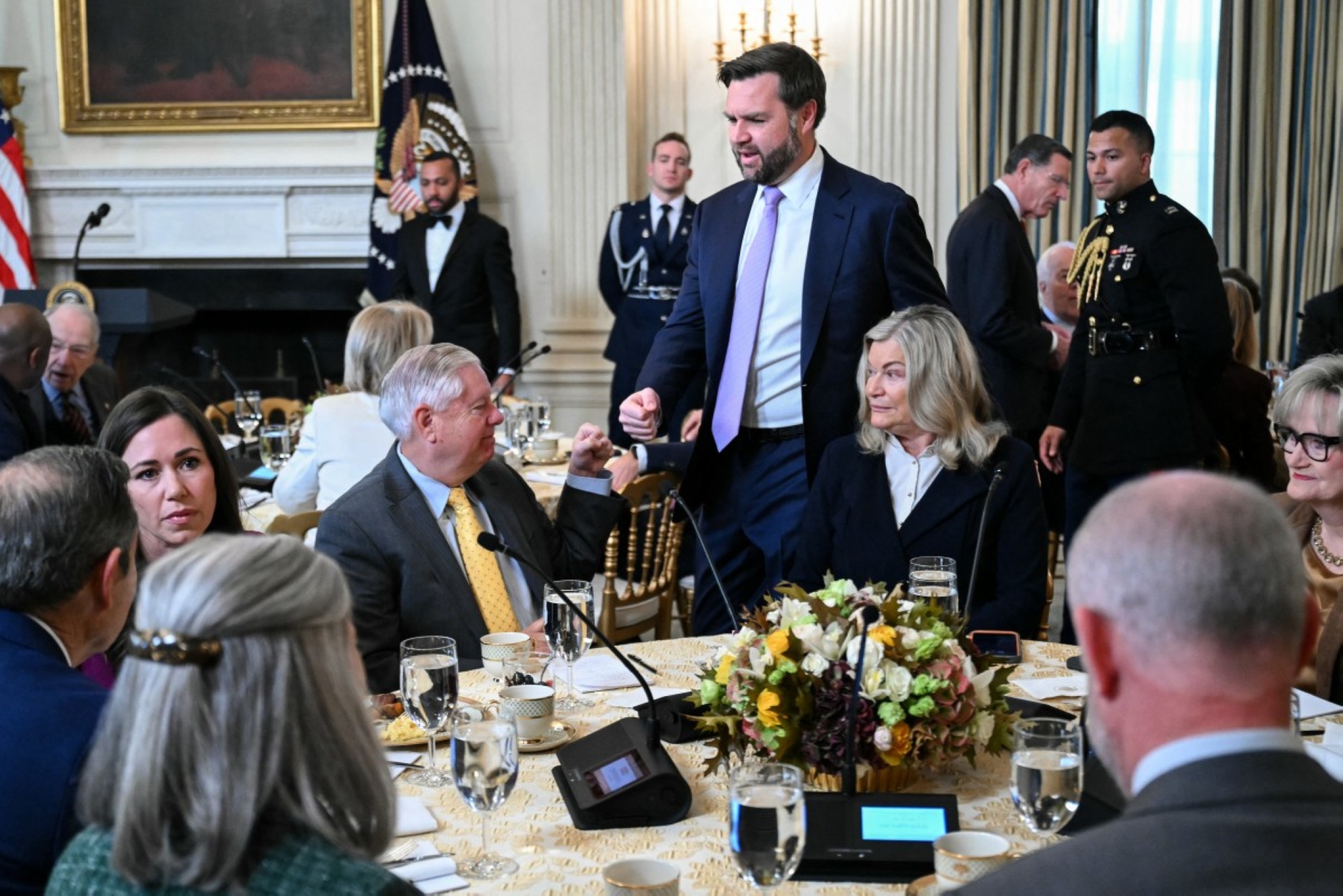
It would also keep three brigades based in Al Hasakah, Qamishli and Al Malikiyah (known locally as Derek), as well as a brigade in Ayn al Arab (known as Kobani). A Western diplomat said the 30 January agreement gave the SDF less than the 4 January draft, but more than the 18 January agreement. They attributed the outcome to the involvement of US Vice President JD Vance and Senator Lindsey Graham. 

Photo by SAUL LOEB / AFP
US Vice President JD Vance (C) gives a fist bump to Senator Lindsey Graham before Trump speaks at the White House on 5 November 2025, in Washington, DC.

Implementing integration

A meeting in Al Hasakah last week between the Defence Ministry delegation and the SDF suggested that both sides were ready to begin implementing the plan. The proposal is to form three brigades in line with the Defence Ministry structure, with between 1,000 and 1,300 fighters in each brigade, subject to security vetting.

Each brigade would include an attached battalion from the Women's Protection Units, and each would be based at an agreed military site around Al Hasakah governorate, alongside a separate brigade in Ayn al Arab (Kobani). The SDF now has 25,000-30,000 male and female fighters after defections by fighters from Arab tribes. Those who choose not to join the federal army will move into civilian work.

Based on discussions in recent days, there are two currents within the SDF. The first favours integration and a shift from military activity to political action. It seeks dialogue with the Syrian government and ministerial positions, with a view to improving the status of Kurds and ensuring their rights within the new constitution of a pluralist Syria.

Advocates of this approach say there cannot be a Kurdistan Region of Syria, like the Kurdistan Region of Iraq, because conditions in the two countries are entirely different. Those in this group are betting on a presidential decree from al-Sharaa and on his decision to open communication channels with Kurdish officials, including those from the Kurdish National Council, a rival of the SDF.

The second current seeks to delay implementation of the 30 January agreement to give time for external balances to shift. Proponents of this approach want a Syria-specific version of the Kurdistan Region of Iraq, to entrench Kurdish control on this north-east pocket of Syria bordering Iraq and Türkiye. If this group influences the SDF approach in the coming weeks, Syria may not have seen the last of the fighting in the north. 

font change