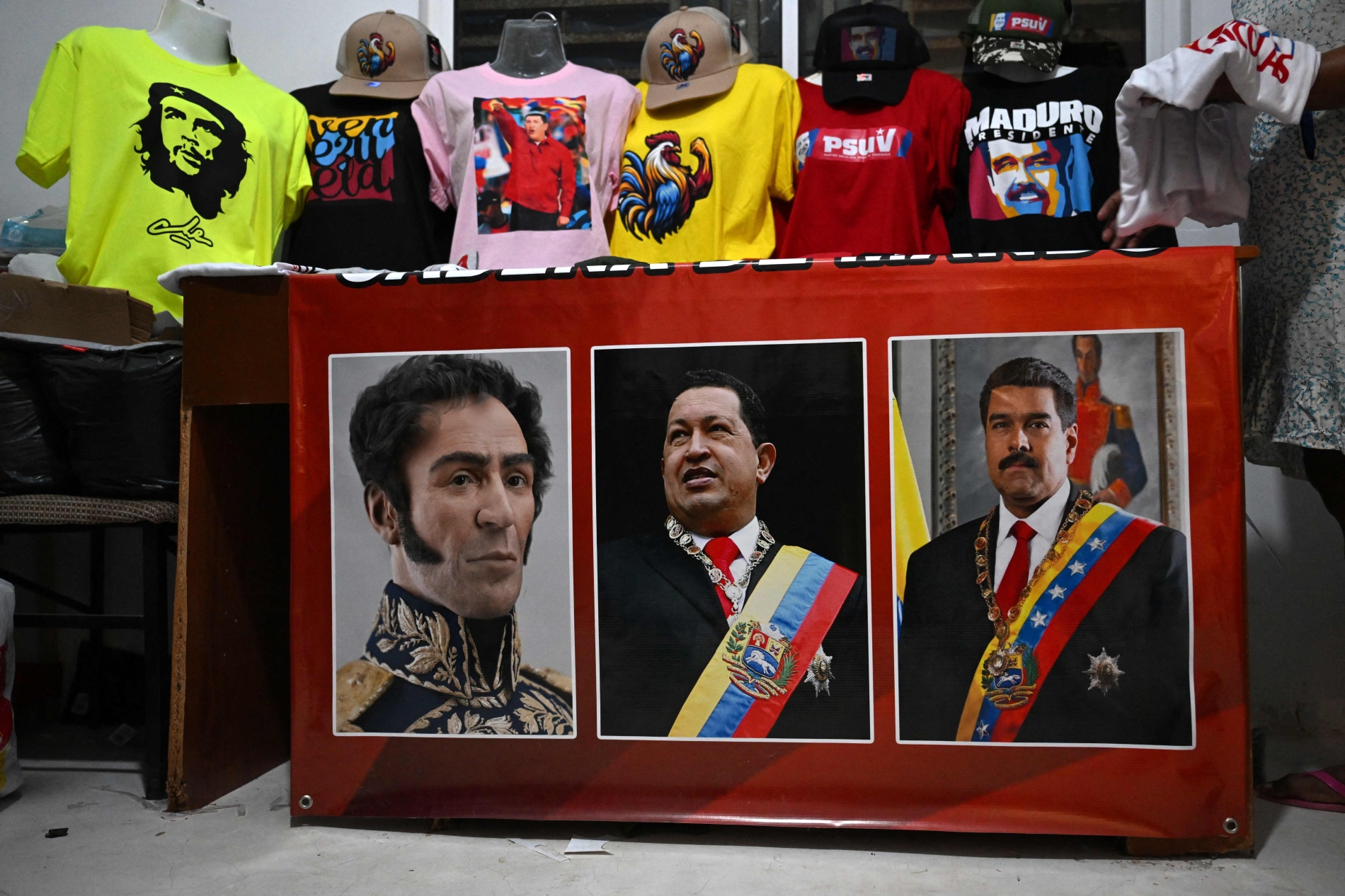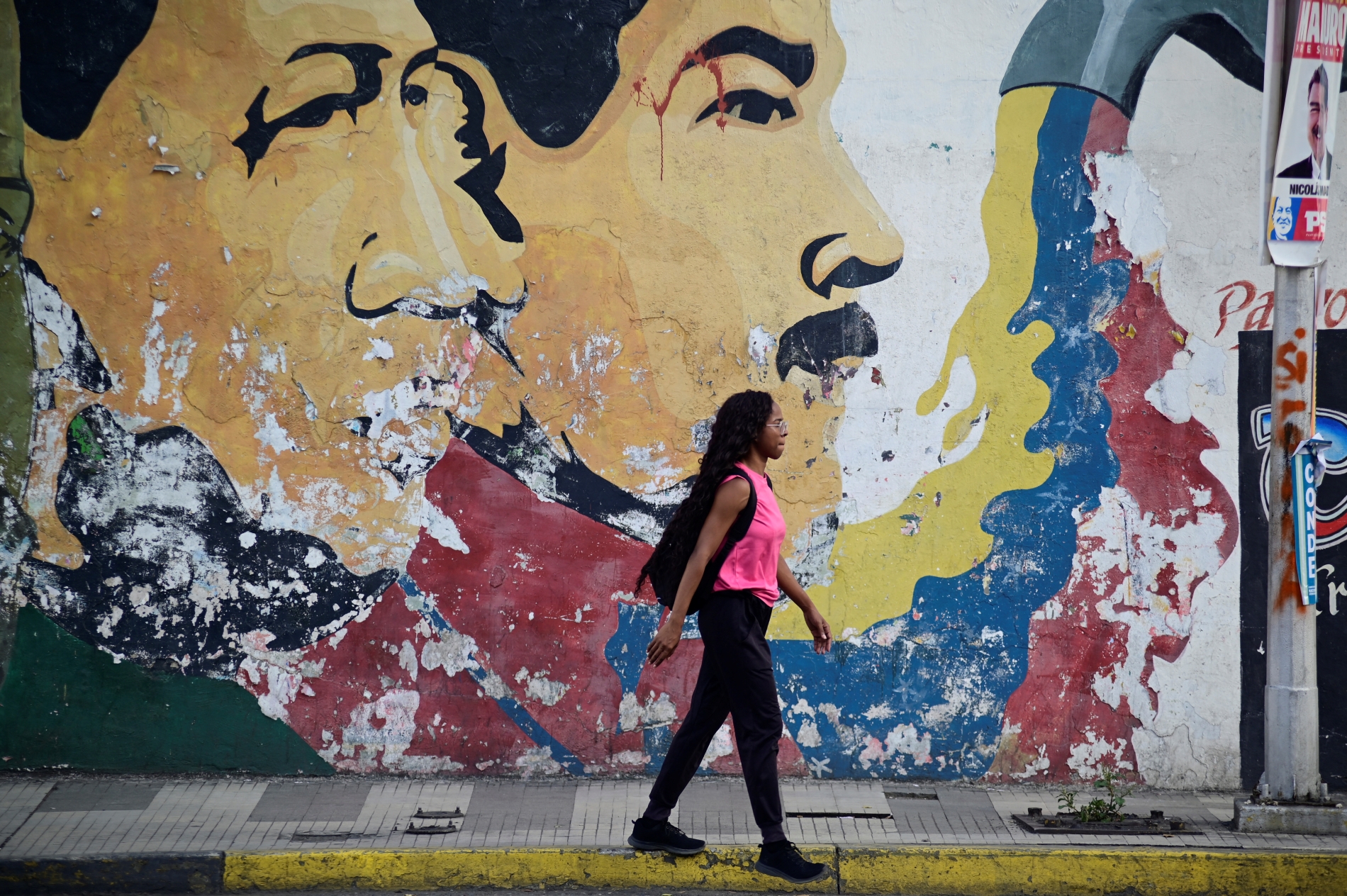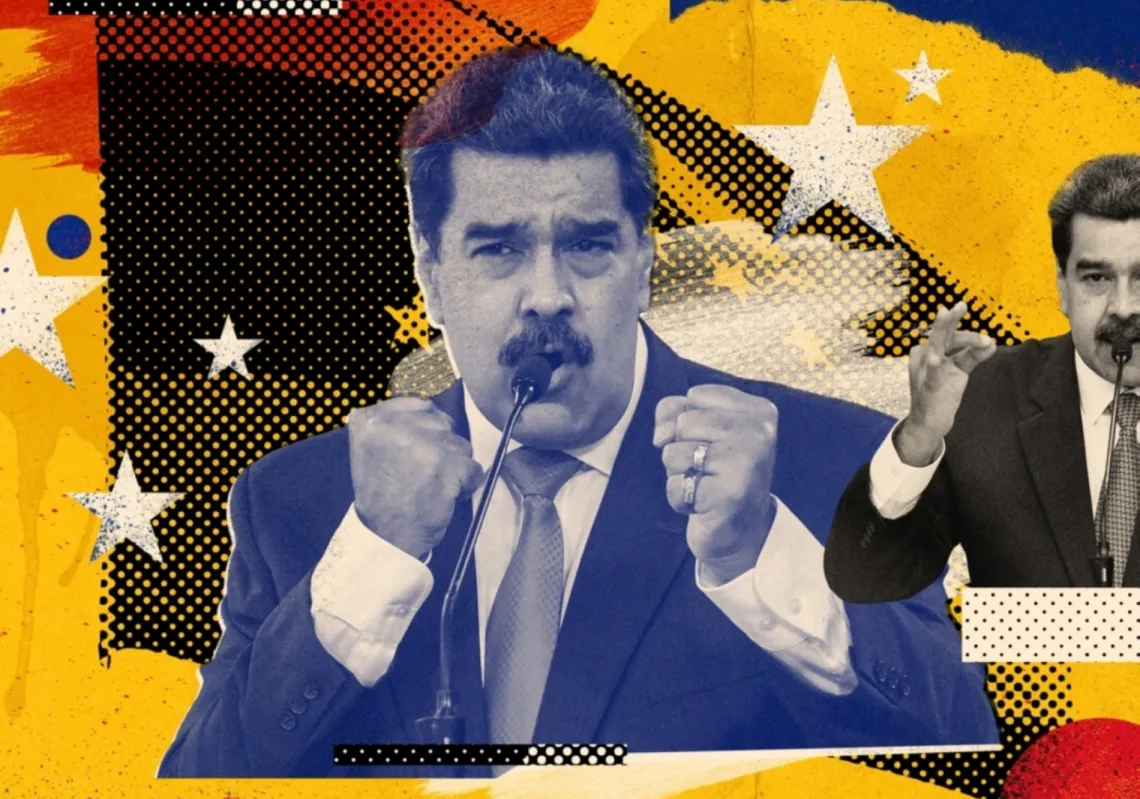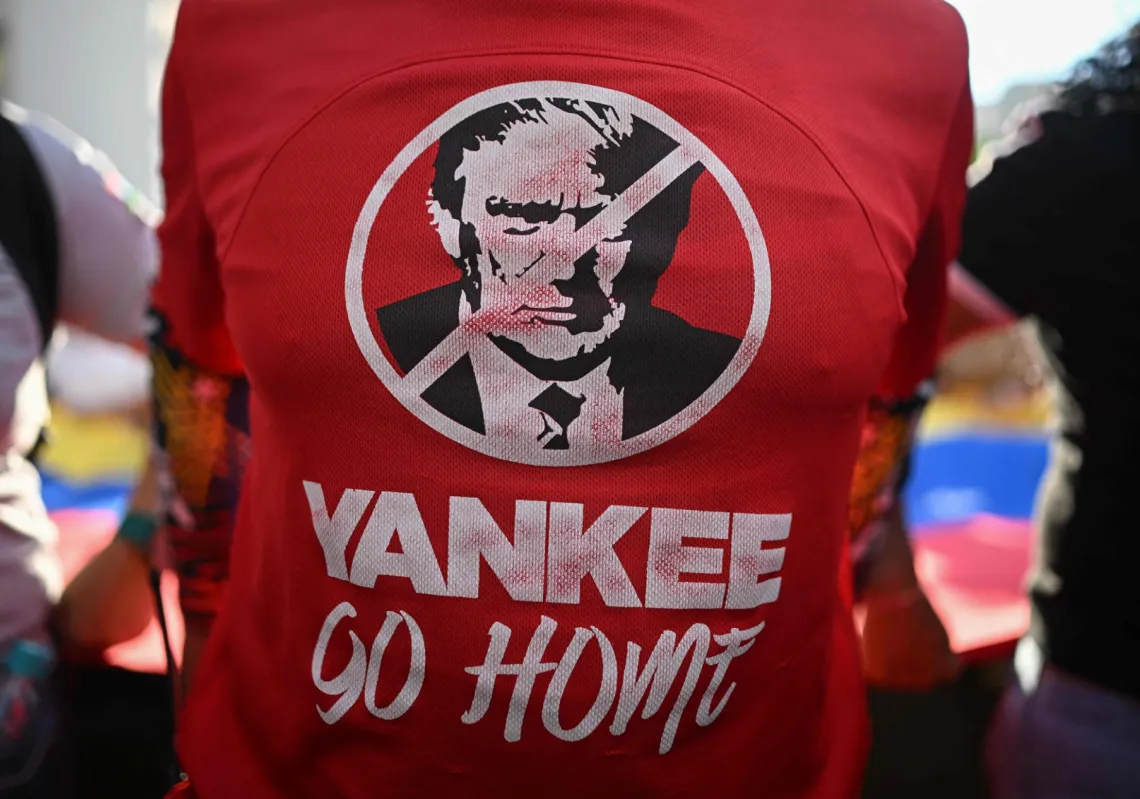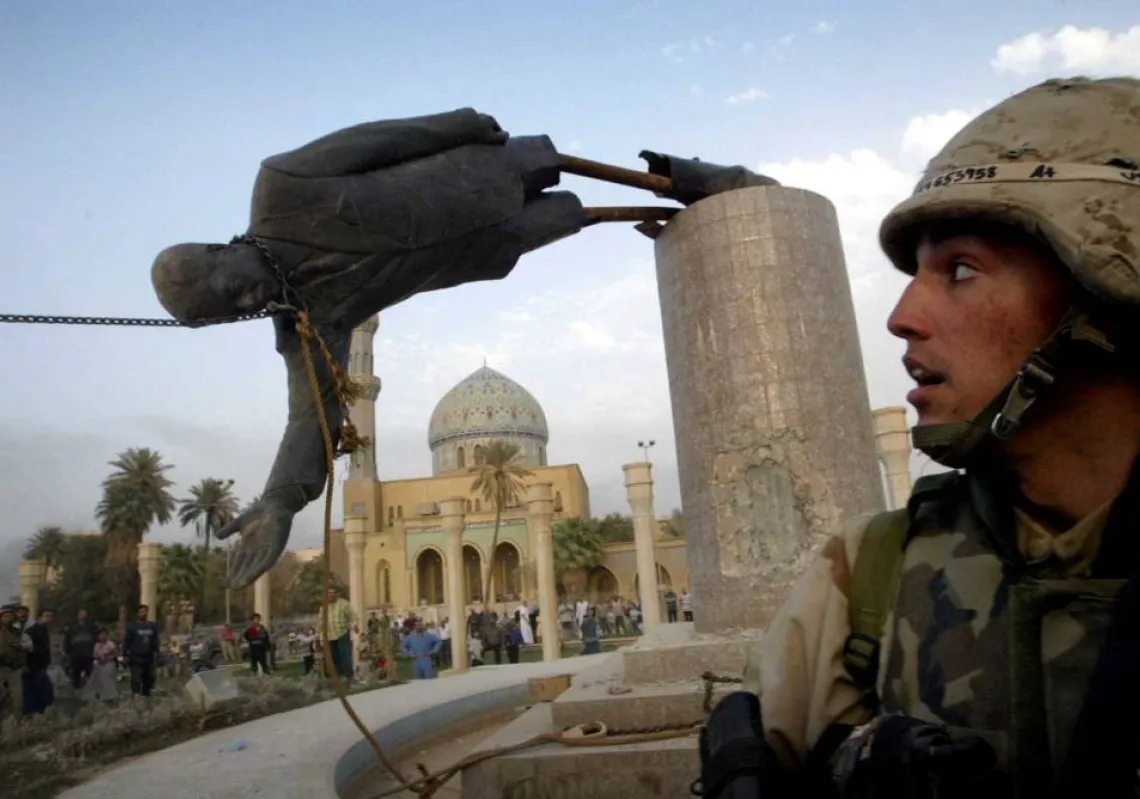

The 3 January US attack on Venezuela and subsequent capture of Venezuelan President Nicolás Maduro calls into question the future of the country—and possible scenarios of who will lead it going forward.
With so much in flux, different candidates could assume the role—either through new elections or through American imposition. However, as things currently stand, it appears that the country’s Vice President, Delcy Rodríguez, is still in charge.
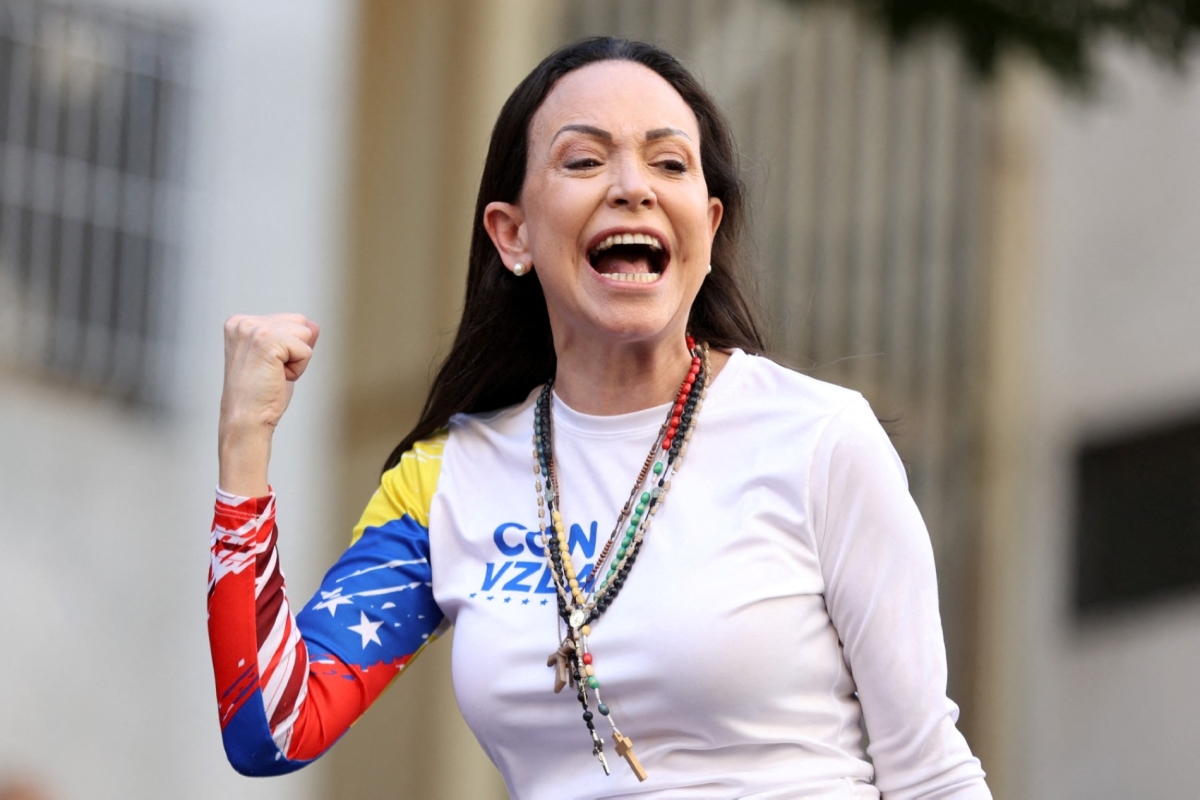
However, should things change, one person in the running could be Maria Corina Machado, a Venezuelan opposition leader and this year’s recipient of the Nobel Peace Prize. Machado been campaigning against Maduro, the country’s long-serving president, for years, and battling the Chavista political movement, which Maduro inherited from Hugo Chávez after his death in 2013, for half of her life.
In the years after Maduro took power, plummeting oil prices, economic mismanagement, and corruption plunged the country into economic chaos, with US sanctions later compounding the crisis and triggering a massive exodus of Venezuelans.
In July 2024, Maduro appeared to suffer a landslide defeat in the presidential election, amid widespread anger at his increasingly authoritarian rule and Venezuela’s economic collapse. Detailed voting data released by the opposition and verified by independent experts indicated that Edmundo González, a diplomat who ran in Machado’s place after she was banned, won the vote, although Maduro clung to power after launching a ferocious crackdown.
Shortly after the 28 July election, Machado announced that she had gone into hiding, citing fears for her life and freedom under the Maduro government.
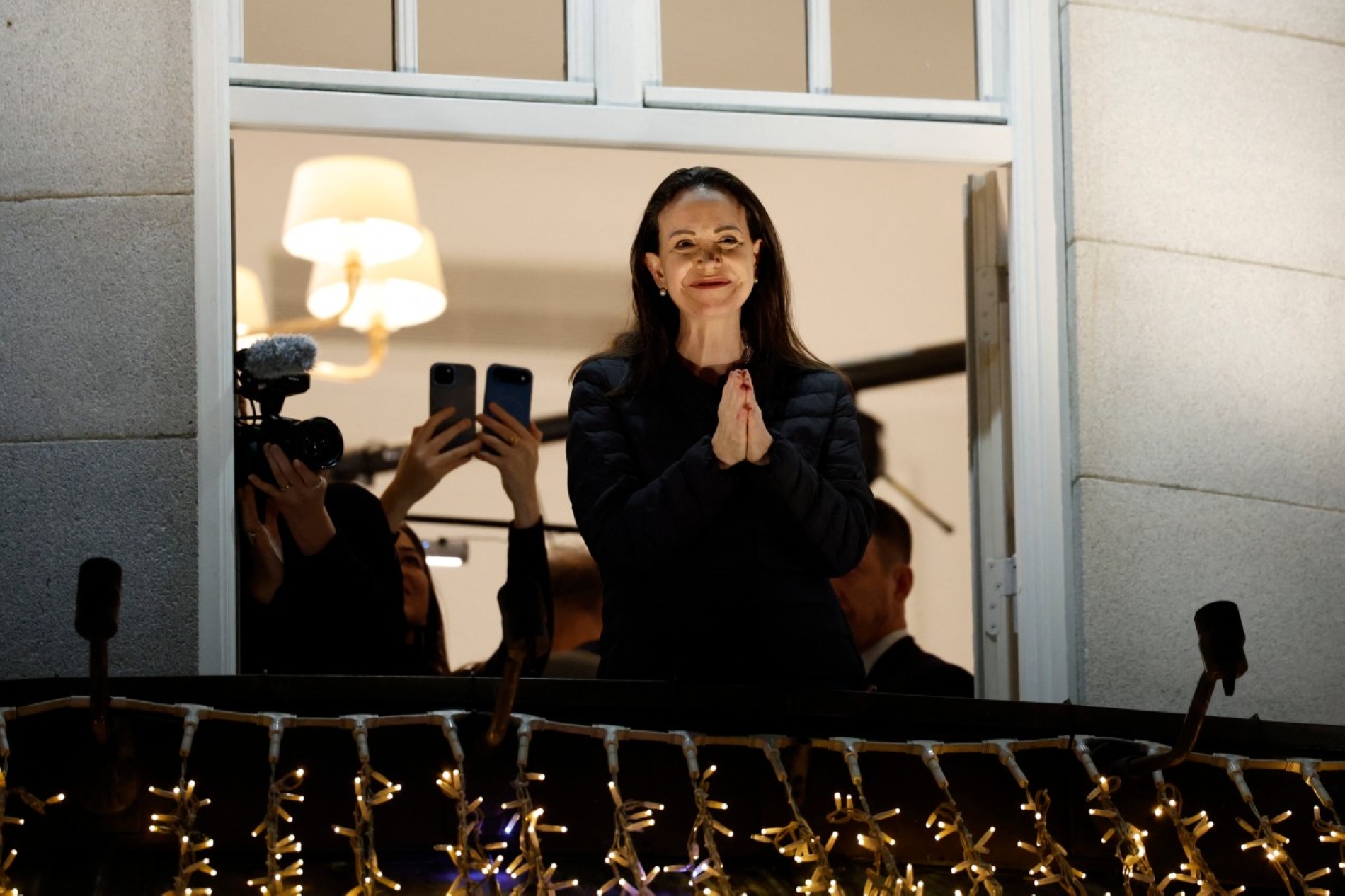
Early life and career
María Corina Machado was born on 7 October 1967. An industrial engineer with a master’s degree in finance, she is the daughter of Henrique Machado Zuloaga, a prominent steel industrialist, and Corina Parisca Pérez, a psychologist. Growing up, she attended an elite Catholic girls’ school in Caracas and later the Dana Hall boarding school in Wellesley, Massachusetts.
She went on to receive a degree in industrial engineering from Andrés Bello Catholic University and later completed a postgraduate specialisation in finance at the Institute of Advanced Studies in Administration (IESA). Following her university training, Machado began a career at her family’s steel company, Sivensa.
In 1992, she founded the Atenea Foundation, an organisation dedicated to supporting children living in poverty in Caracas. A decade later, as Venezuela grew increasingly polarised under Chavez, she shifted her focus from philanthropy to civic engagement.