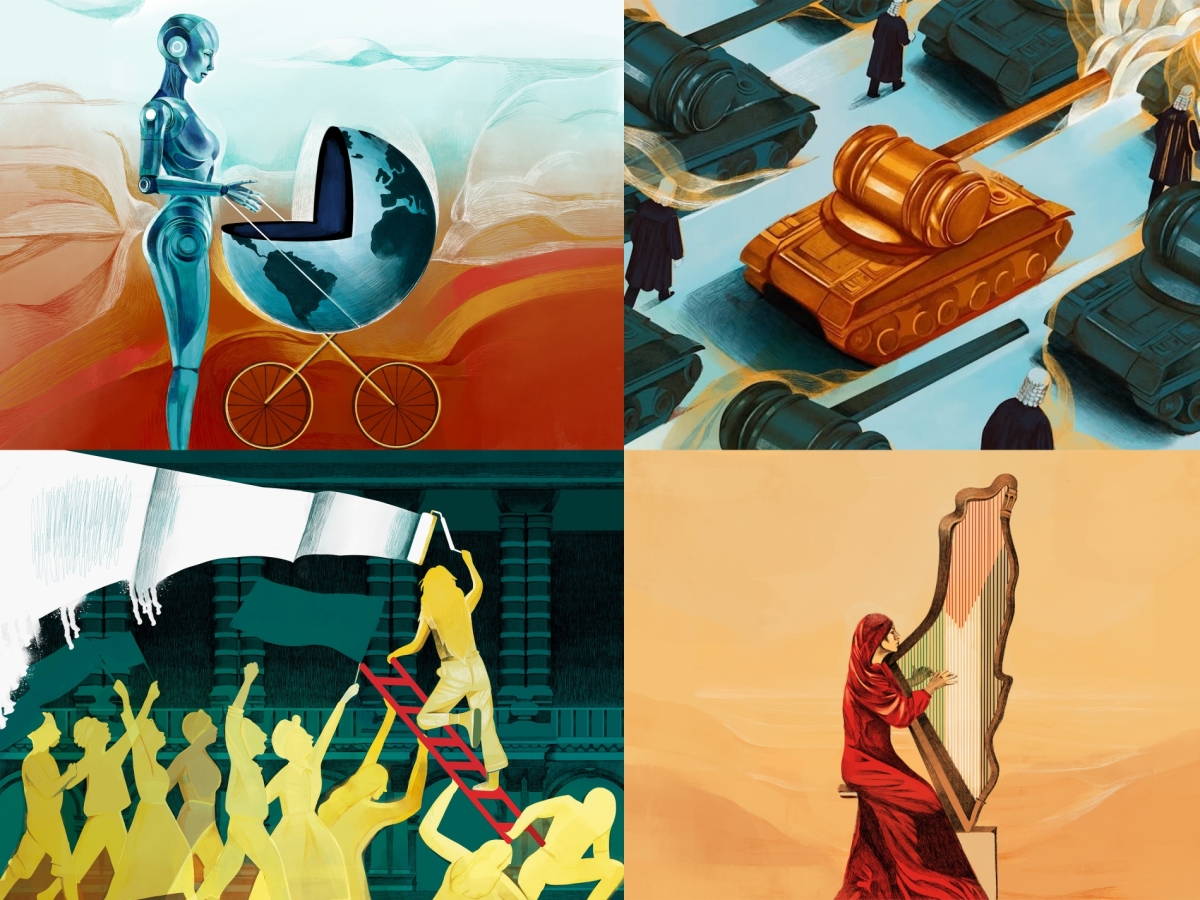

On the last day of 2025, Al Majalla looks back on the past year and the first quarter of the 21st century, examining the sweeping transformations that have reshaped the Arab region and broader world.
In 2025, the machinations of a changing global order and the restructuring of regional dynamics—especially in the Middle East—were evident. Al Majalla unpacks these shifts and opines on potential future trajectories, commissioning leading thinkers and researchers to share their perspectives beyond the headlines.
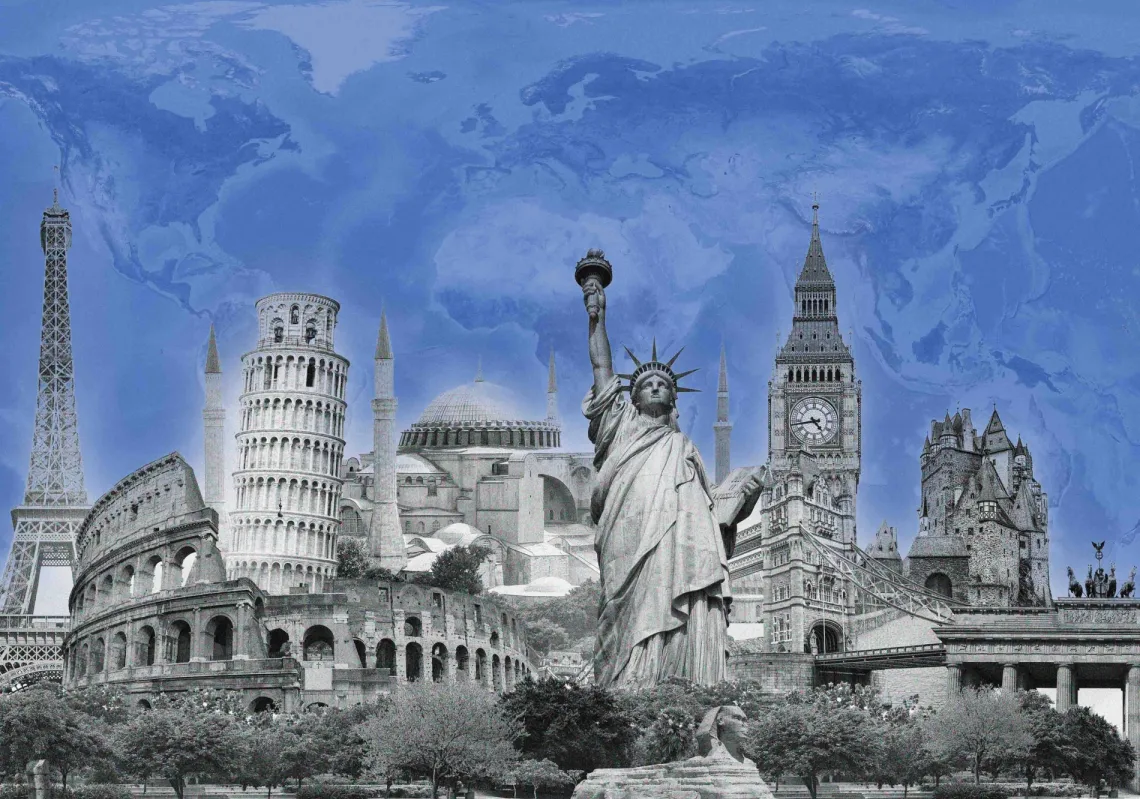
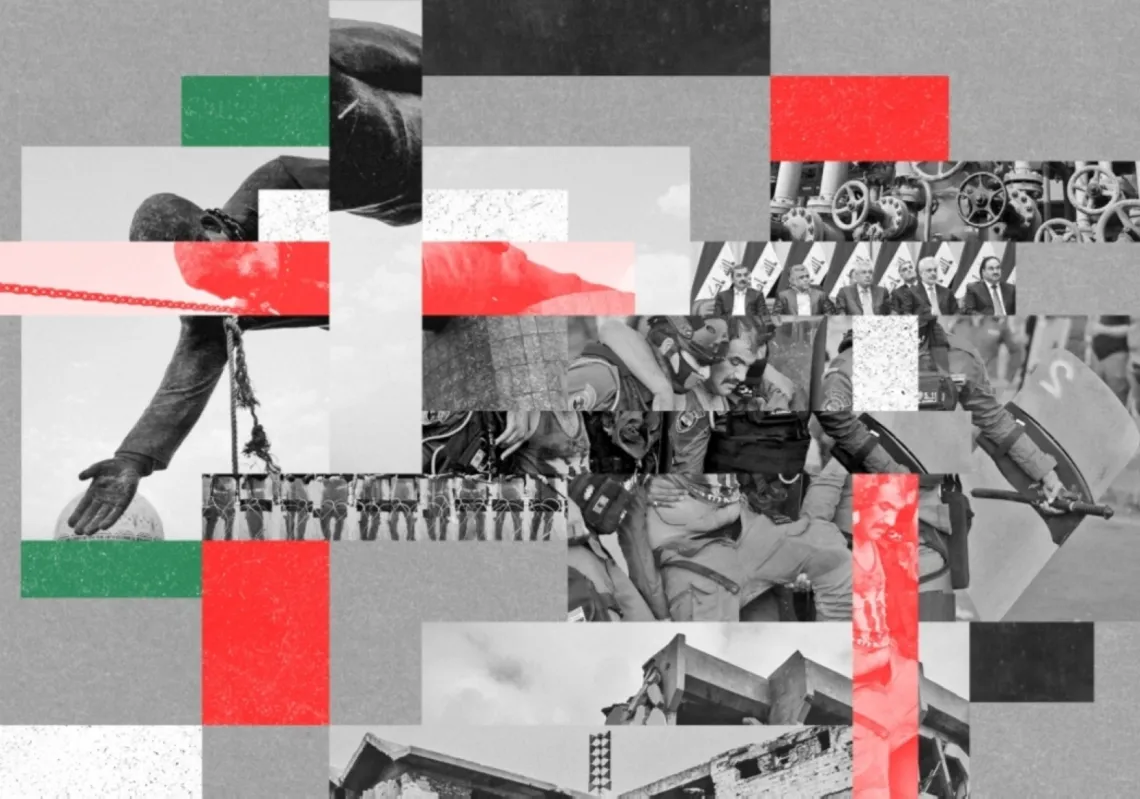
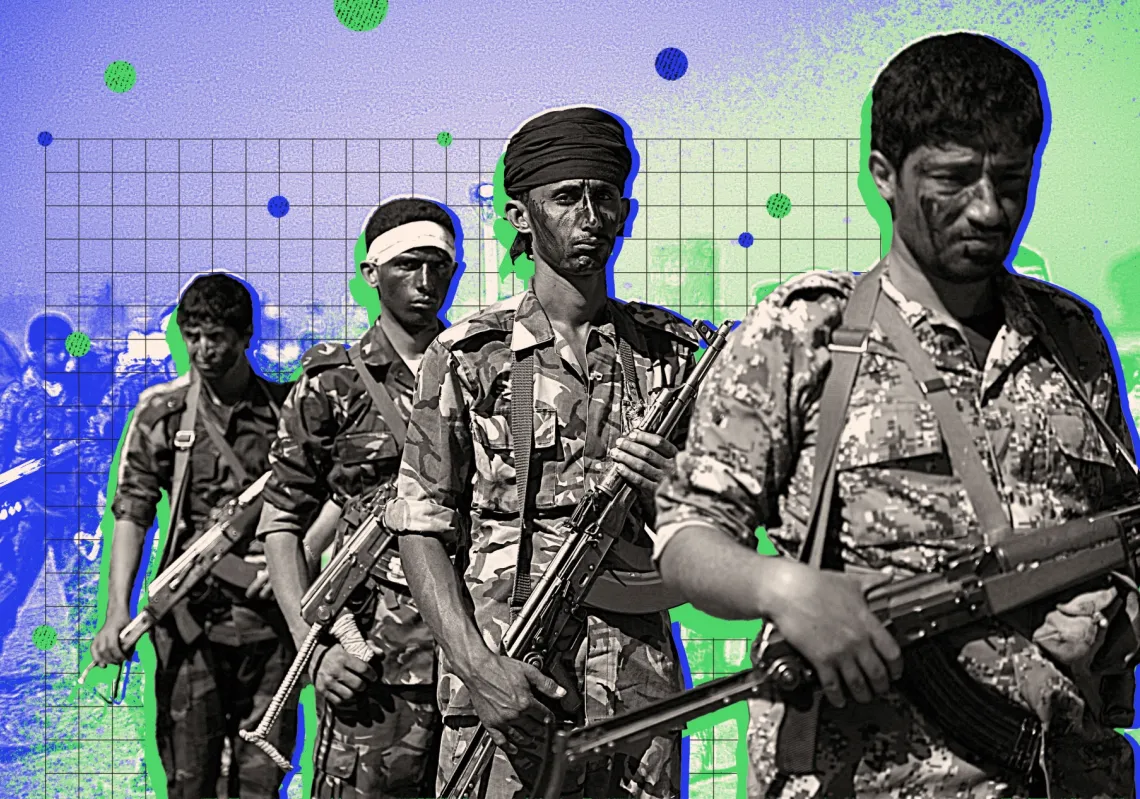
For his part, Christopher Phillips examines the geopolitical changes that have swept the globe over the past 25 years, including the end of the unipolar world and the advent of multipolarity. Meanwhile, Robert Ford zooms in on American foreign policy in the Middle East, comparing the similarities and differences between presidents Bill Clinton, George W. Bush, Barack Obama and Donald Trump. In the end, he concludes that the longstanding US goal to ensure Israel's security has yet to be achieved.
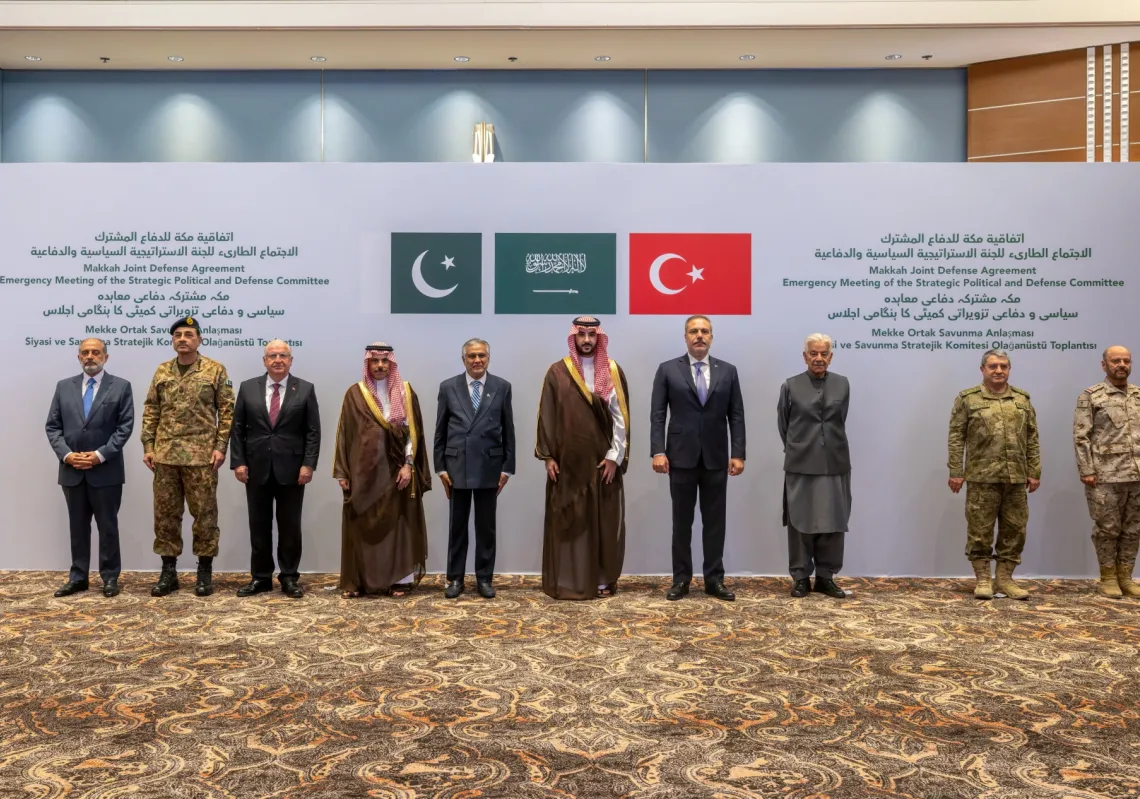
And Ramzy Ezzeldin Ramzy opines that Israel's war on Gaza has helped Arab states rediscover their agency. In his piece, he says, "Middle East nations have found that they are strong when acting in concert. This has the power to fundamentally change the game."
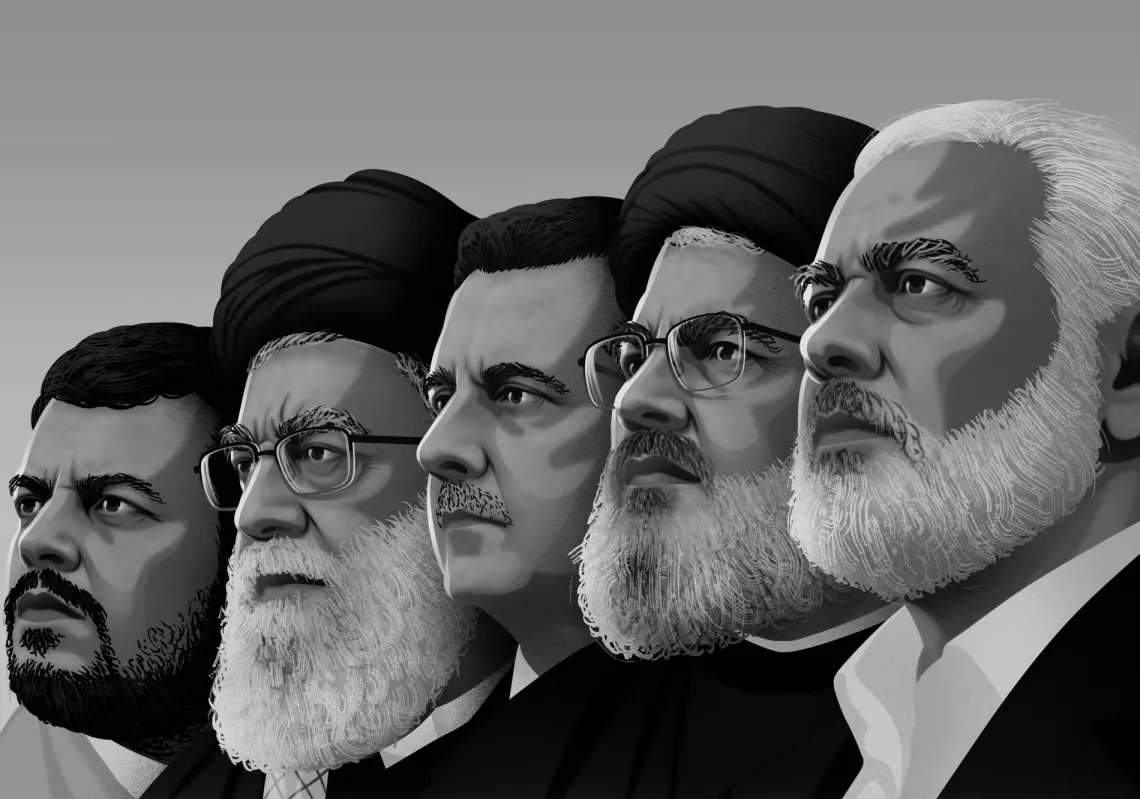
Meanwhile, Alia Mansour reflects on Syrians' first year free from Assad family rule. She says, "while much has been achieved—more than many imagined possible in so short a time—the challenges ahead remain daunting." And Amr Emam echoes her apprehension in his piece, looking at the year ahead for Egypt. In his piece, he explains how the past 12 months heralded problems to the east and south, with worries over water security, Red Sea instability, refugees, borders, and disputed gas reserves.
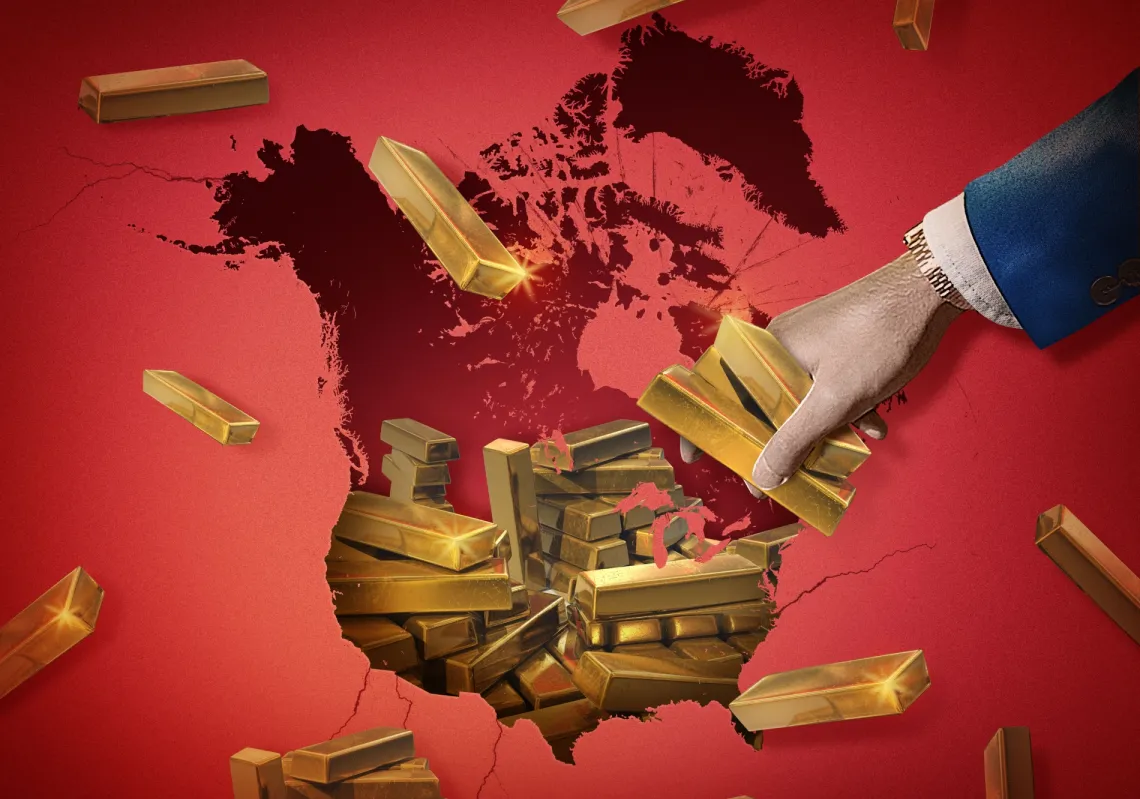
Switching gears, Mohamed Sharki examines global economic trends in the first quarter of the 21st century. In his piece, he details how the world's wealth has been radically reshaped, a trend that appears set to continue in the coming decades. For his part, Abdulfattah Khattab tracks the rapid evolution of telecoms in the past 25 years, explaining, "What was cutting-edge in 2000 now sits in museums. From wires, dial-up, and fax paper to the world in the palm of your hand, tech empires have risen and fallen in just a generation."
Meanwhile, Al Majalla also did a wrap-up on how Arab and Gulf economies fared in 2025. Writing on how Gulf states performed, Amer Ziab Al Tamimi says, "Economic and technological dynamism characterised 2025, with ambitious initiatives aimed at accelerating non-oil growth, diversifying national economies, and ushering in regional integration."
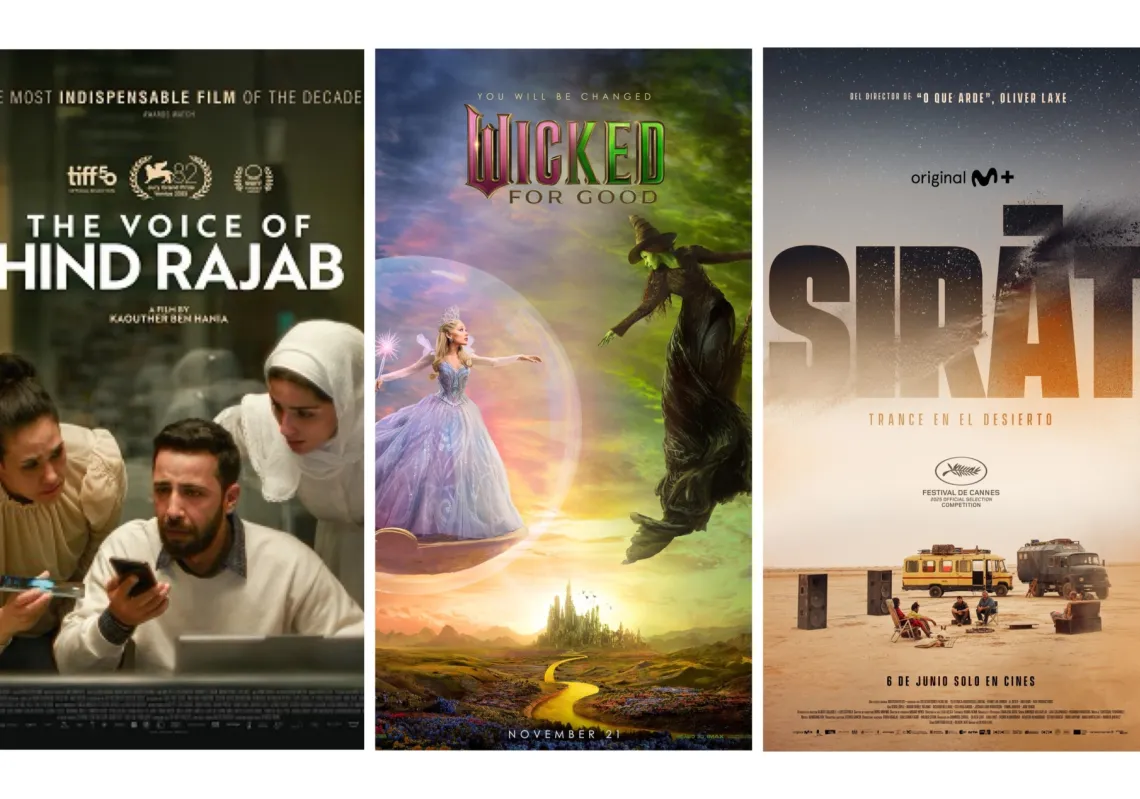
Meanwhile, Shadi Alaa Aldin looks at the cultural trends that swept 2025 and how Israel's war on Gaza inspired artists to channel their sadness, anger over the genocide and admiration of Palestinian resilience into beautiful works across cinema, music, theatre and literature. For his part, Wael Said writes on the standout films of 2025, in which the Gaza genocide also featured prominently, such as Kaouther Ben Hania’s The Voice of Hind Rajab, one of 2025’s most powerful movies. And last but not least, Ibrahim Adel shares his picks for standout Arabic novels, picking up on a common theme: belonging.