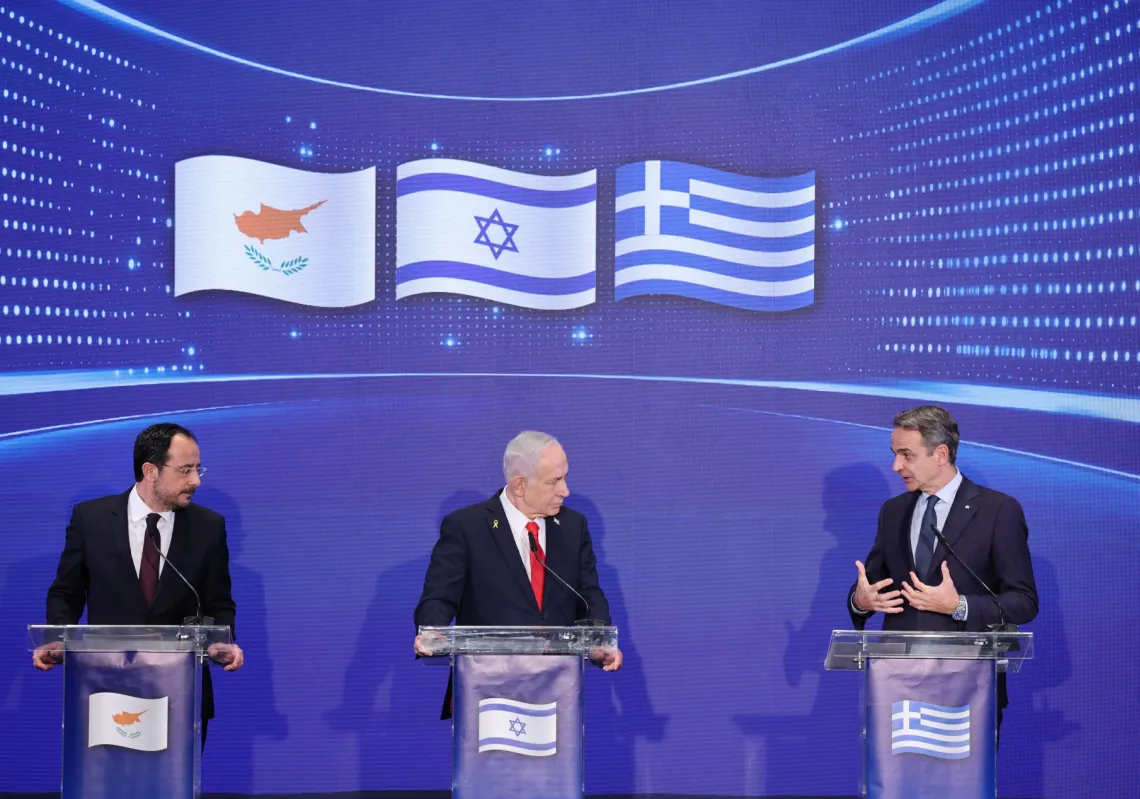
Ankara wants to be a regional energy hub, while Israel seeks deeper integration into Europe's emerging energy system. Will Europe choose or the other, or a combination, to meet its energy needs?
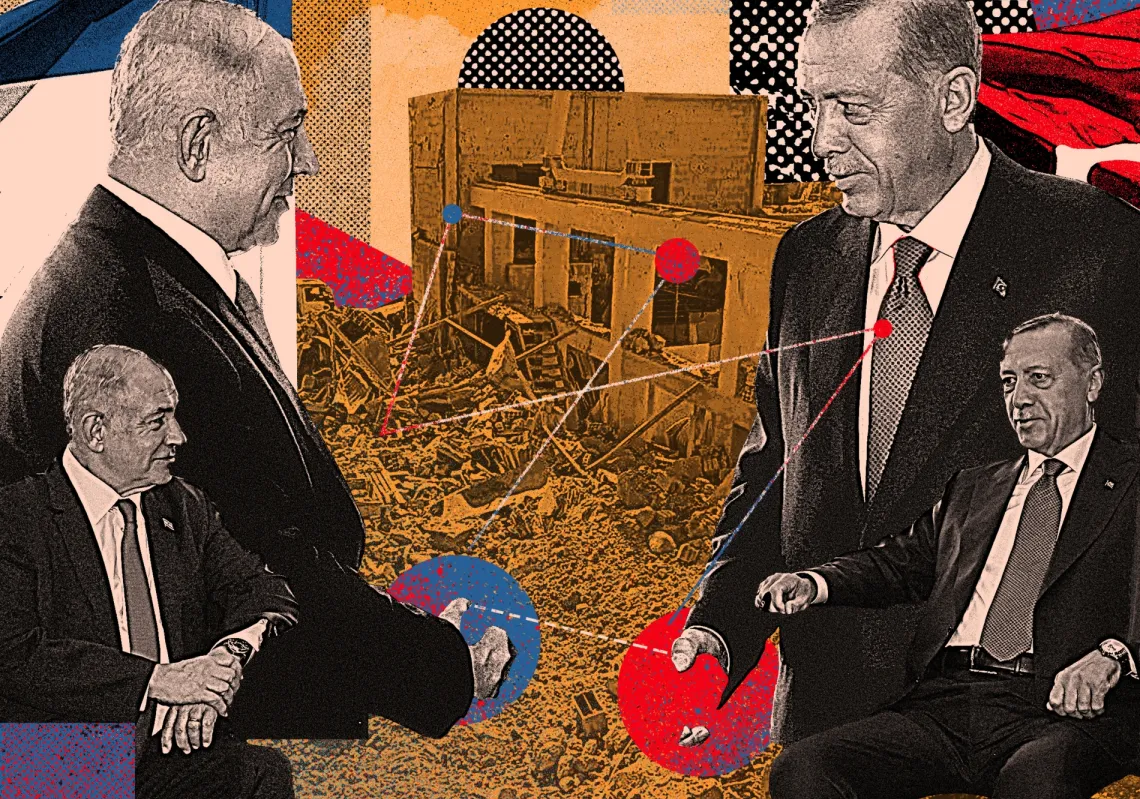
Tel Aviv and Ankara were once so friendly that they shared intelligence and cooperated militarily. Today, they accuse each other of genocide and limit trade. Where next for these two regional rivals?
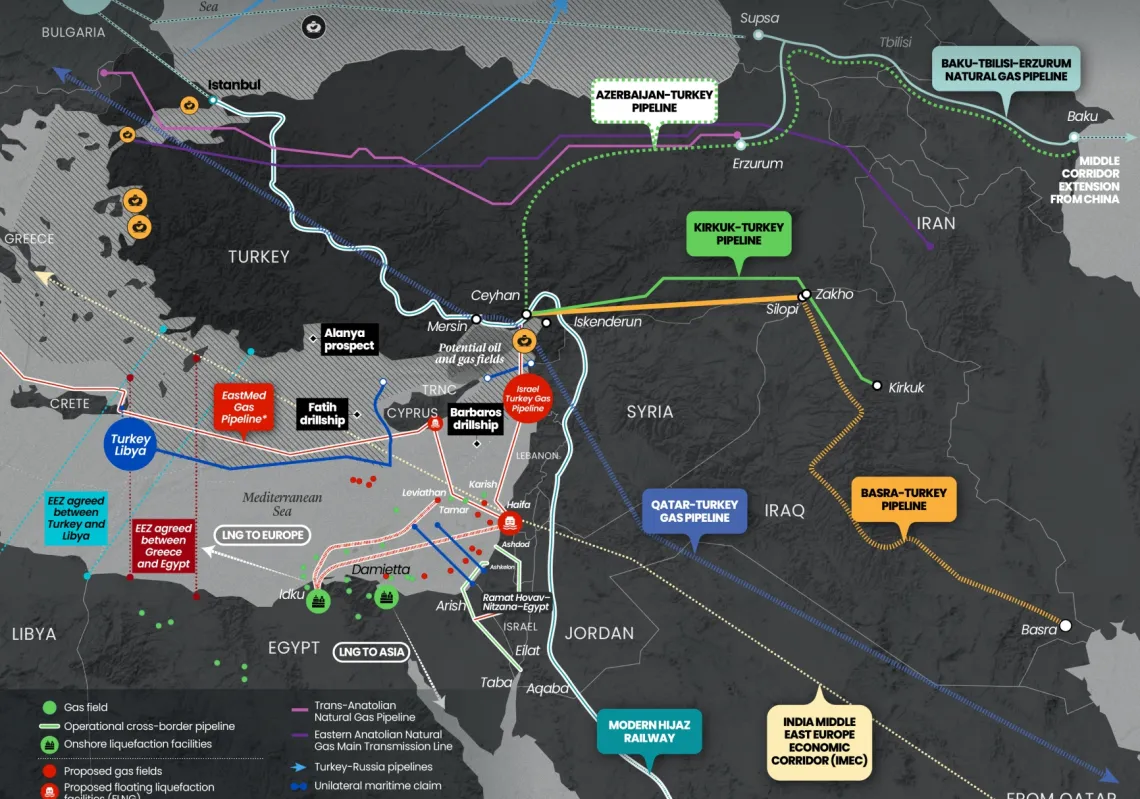
Overlapping interests in energy and geopolitics have led to competing maritime claims, disputes over trade corridors, and fights over fighter jets and Syria. It all adds up to a new strategic rivalry
Türkiye calls Israel a 'terrorist state', Israel calls Türkiye 'the new Iran'. They have competing interests in Syria, Palestine, the Gulf, Washington, and arms exports. Will they come to blows?
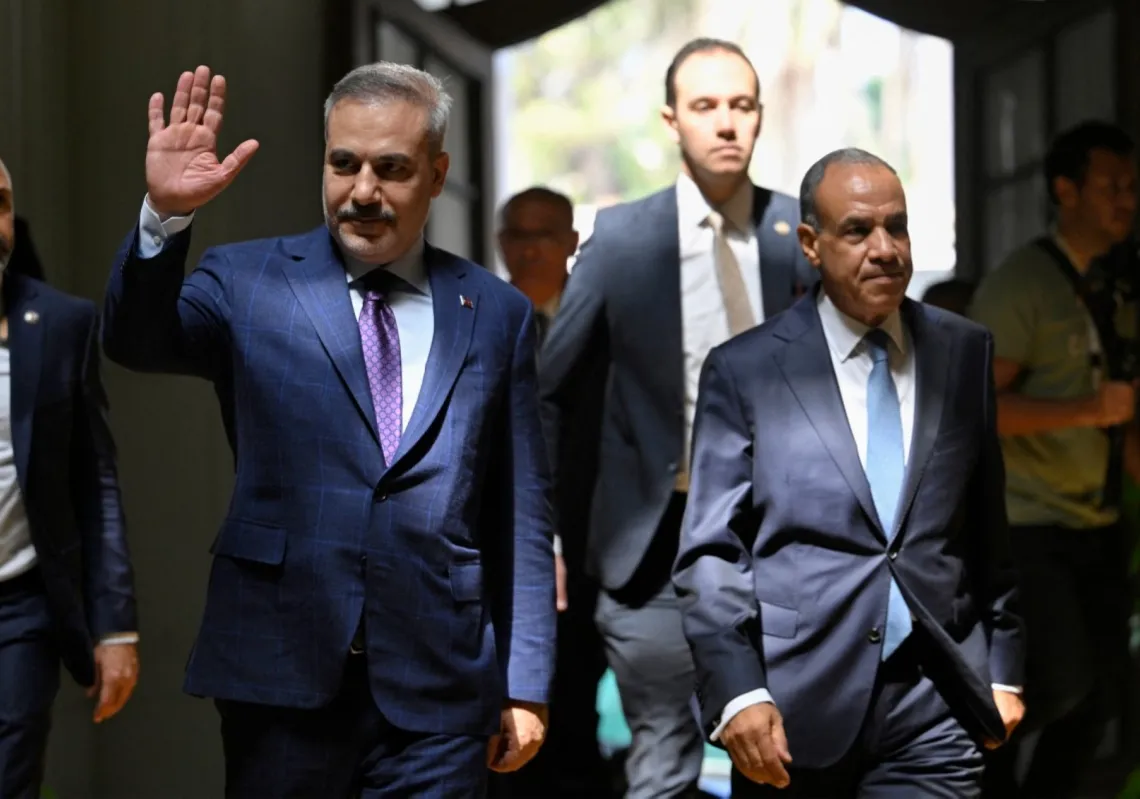
Six years ago, they were issuing threats. Today, it is all smiles and handshakes. Ankara and Cairo disagree on some things, but they are increasingly finding common ground on others.
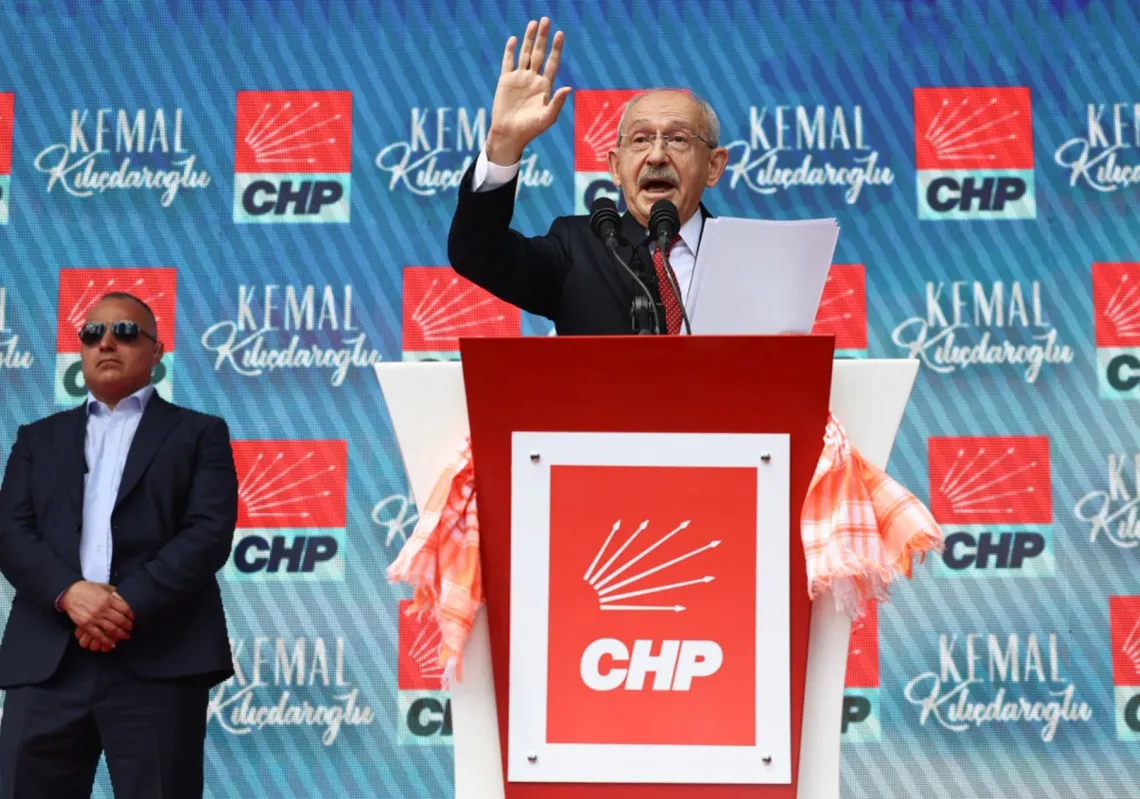
Since the CHP defeated the ruling AKP party in the 2024 local elections, its leaders have either been deposed or imprisoned, in what its supporters call a targeted campaign
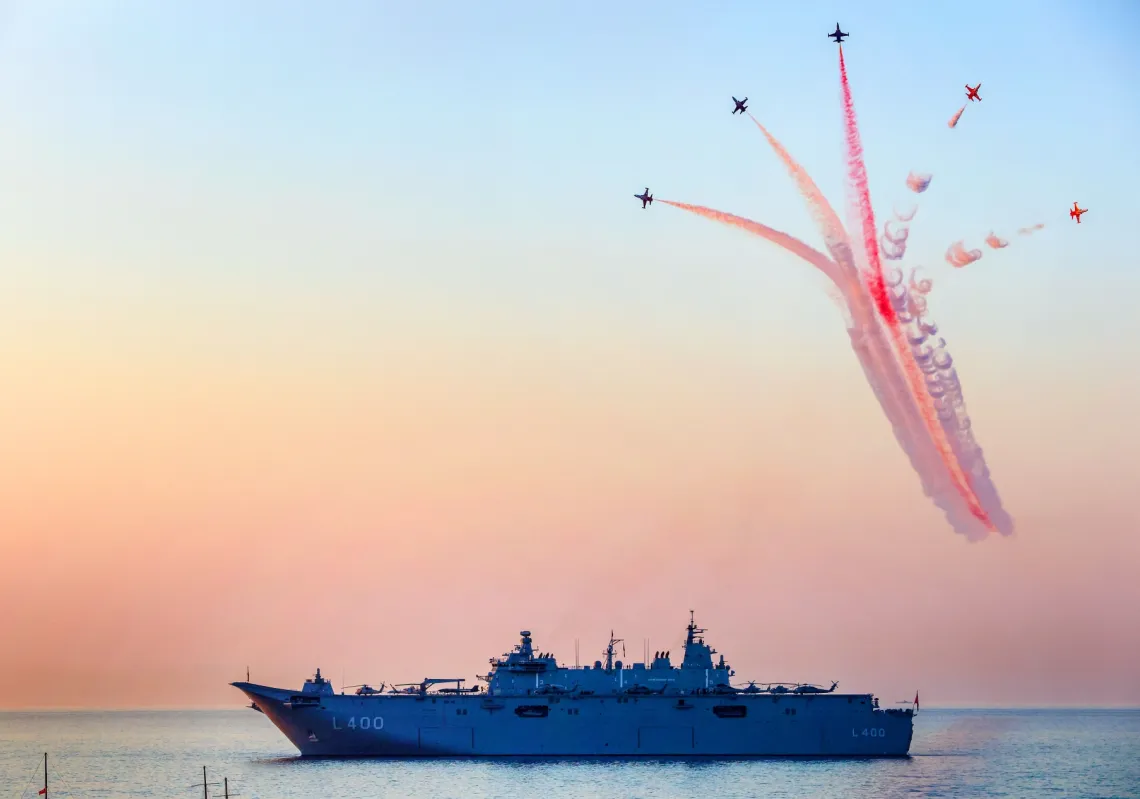
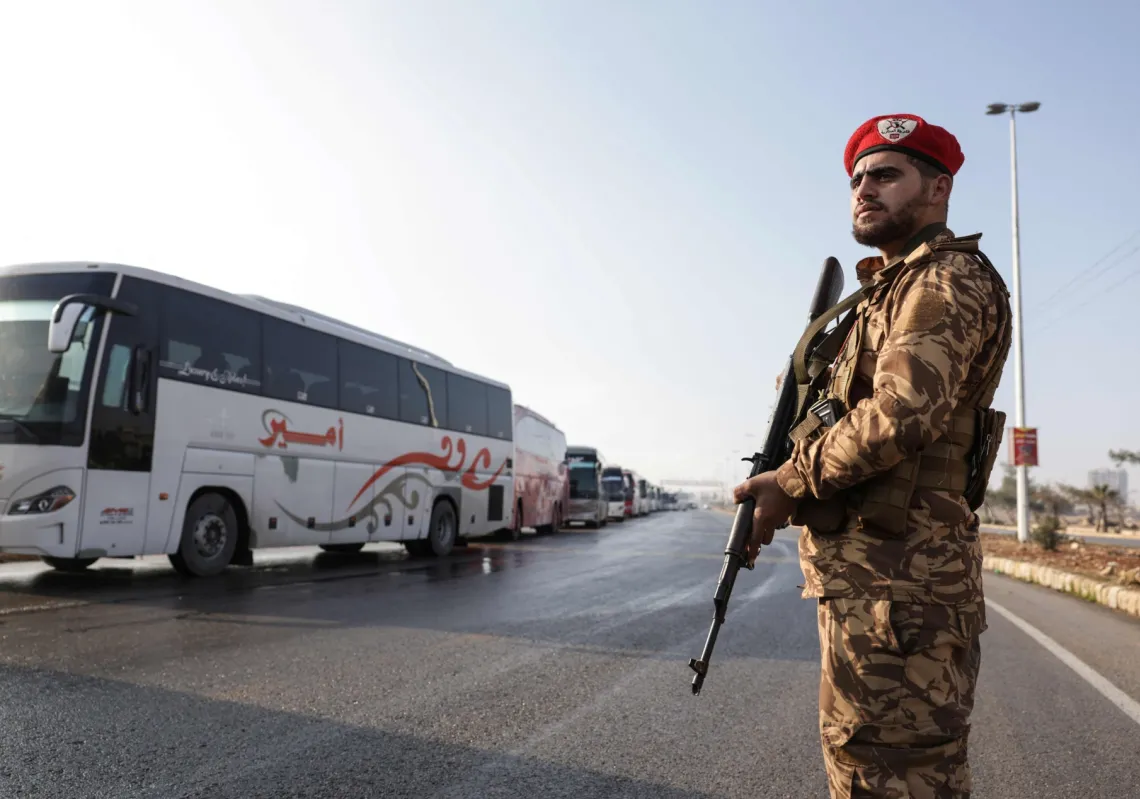
Ankara's national security priority is no longer Kurds or Gülenists, but Israel. Likewise, in Tel Aviv, Türkiye is increasingly seen as a future Israeli adversary. Both are preparing accordingly
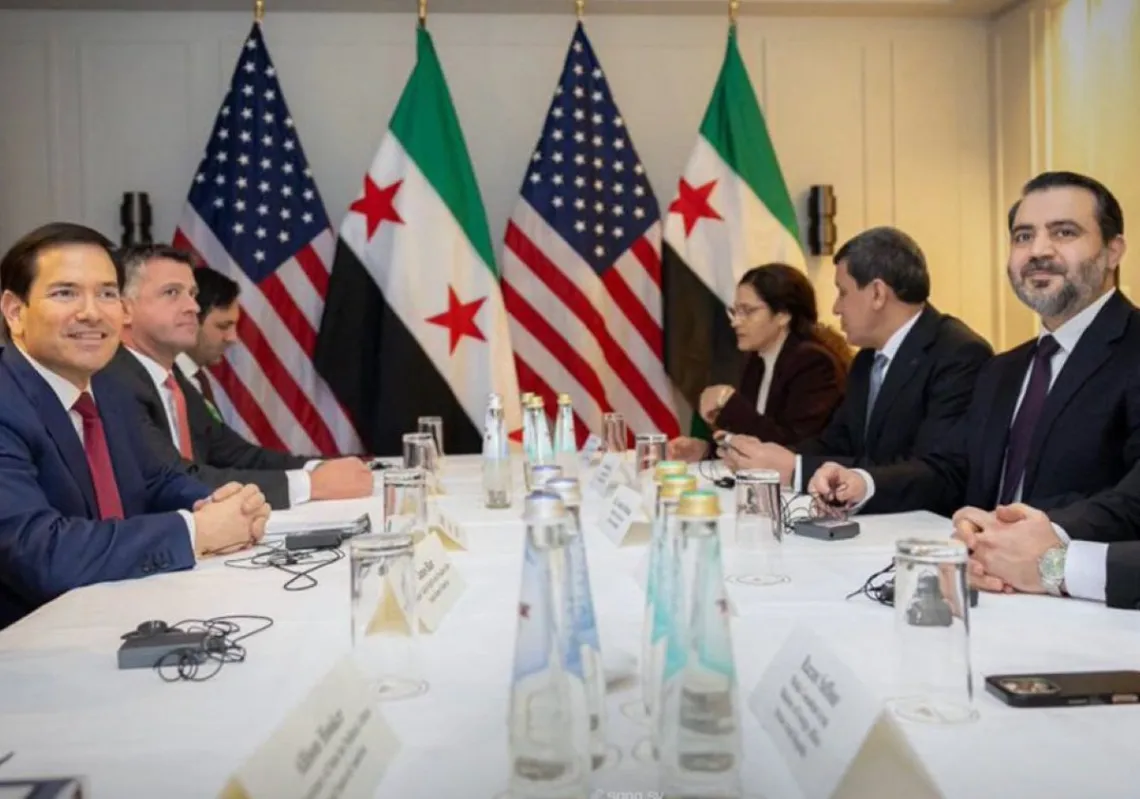
Despite having signed an agreement to integrate into the Syrian state, its leaders attended a key security conference in Germany as a separate delegation from Damascus, in a move that unnerves Türkiye
If fighting spreads beyond the predominantly Kurdish neighbourhoods of Ashrafieh and Sheikh Maqsoud and beyond Aleppo, there is a real risk that Syria could be dragged into a new civil war
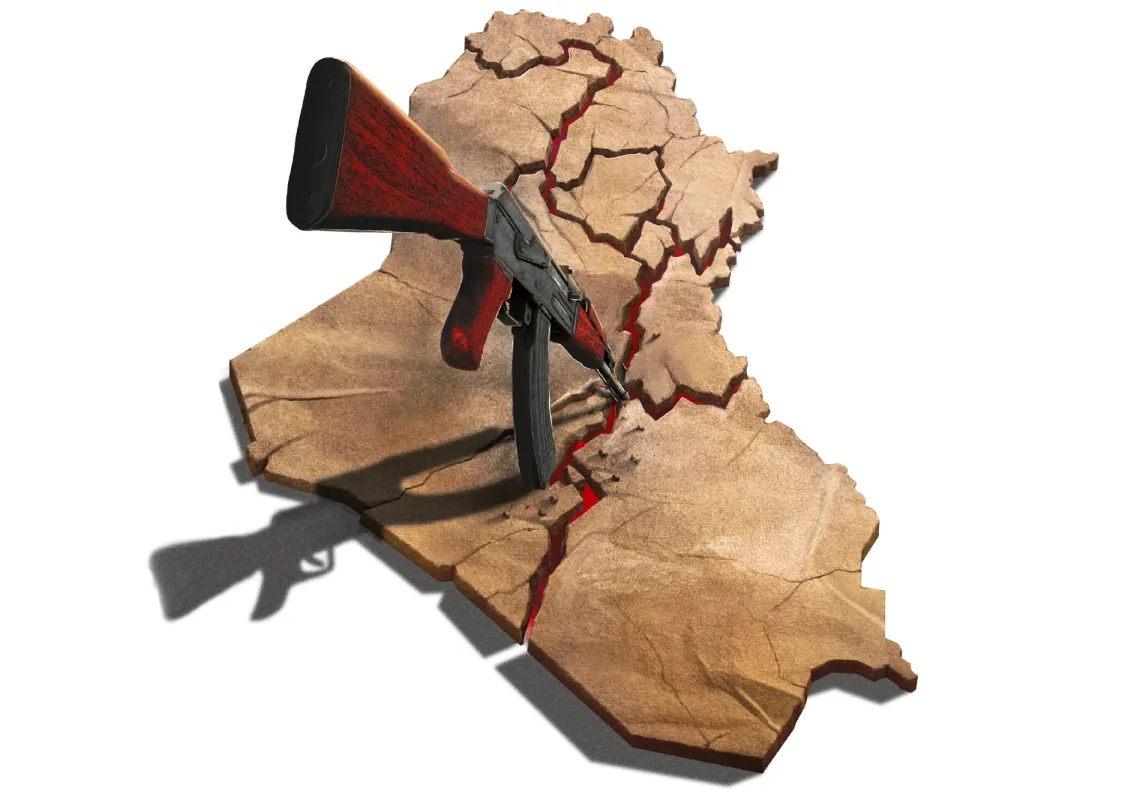
This week's cover story details how militia influence undermines state institutions, deepens sectarian divisions and creates security vacuums that IS could exploit
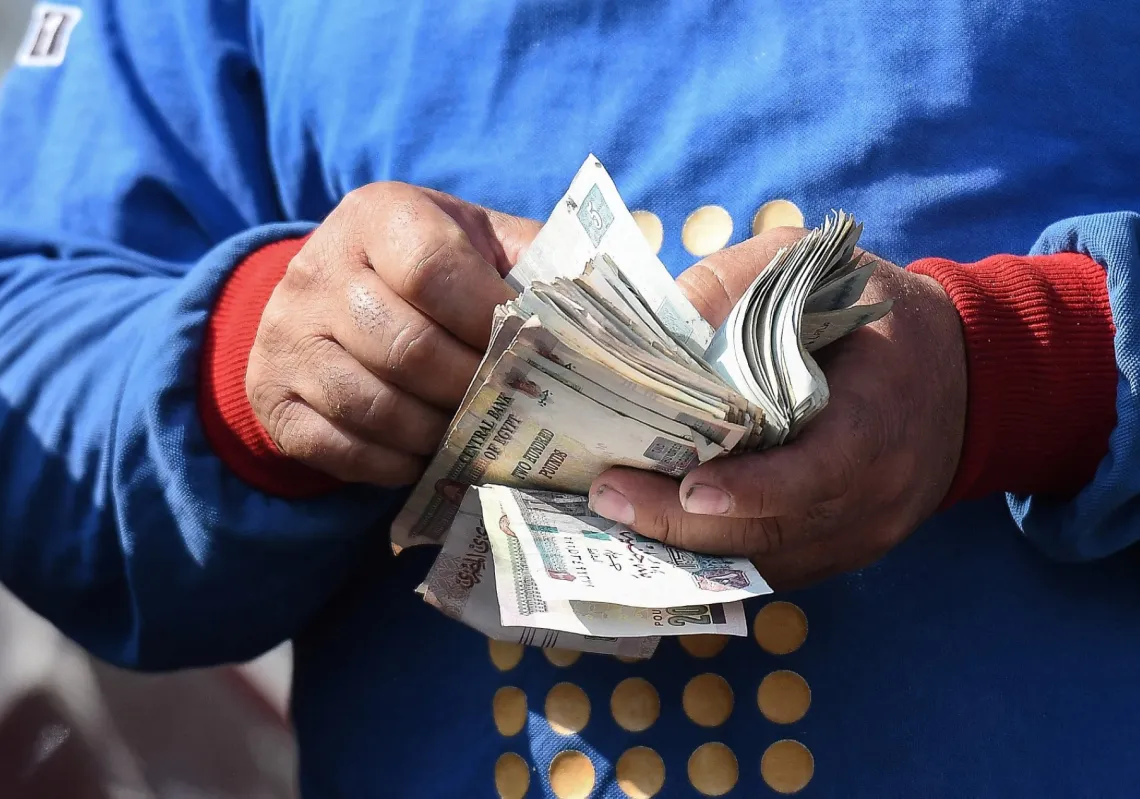
Saved from default in 2024, Egypt's macroeconomic policies and central bank flexibility have helped steady the ship amid the fallout of Israel's war on Gaza and the US war on Iran