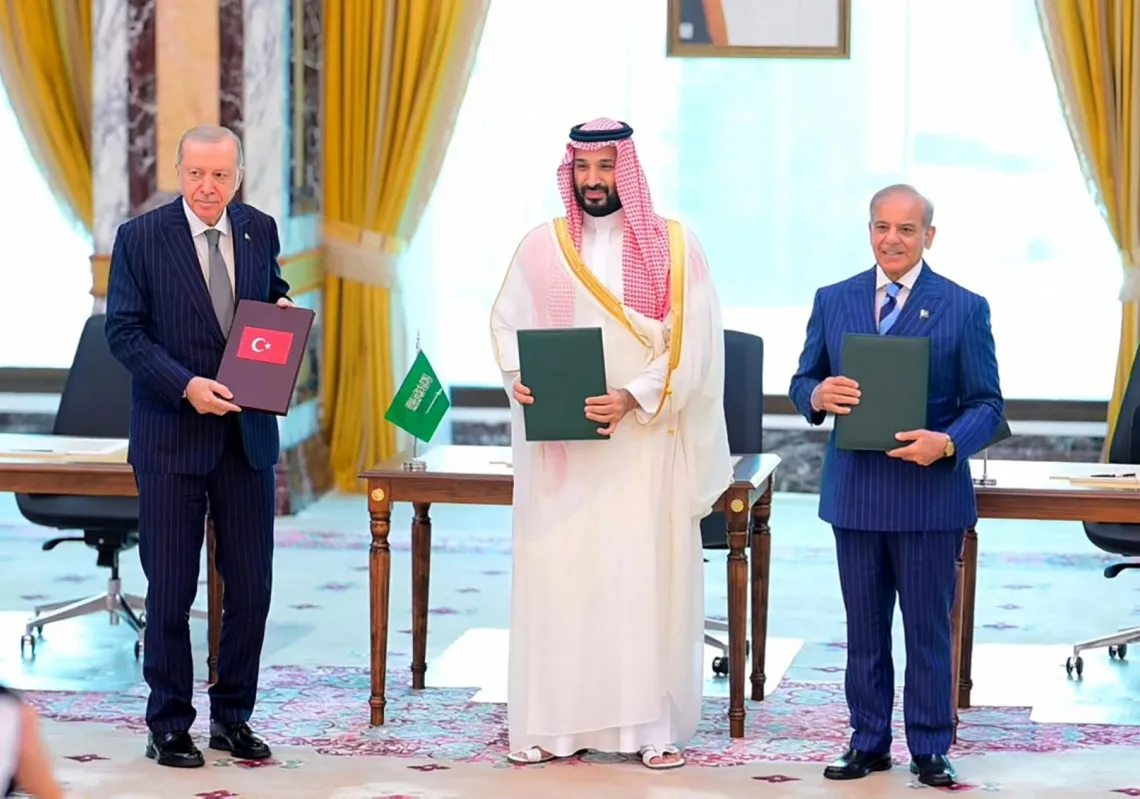
The Iran war exposed the risks of being too closely tied to US military posture, which is why some Gulf states are repositioning themselves not merely as consumers of security but as architects of it
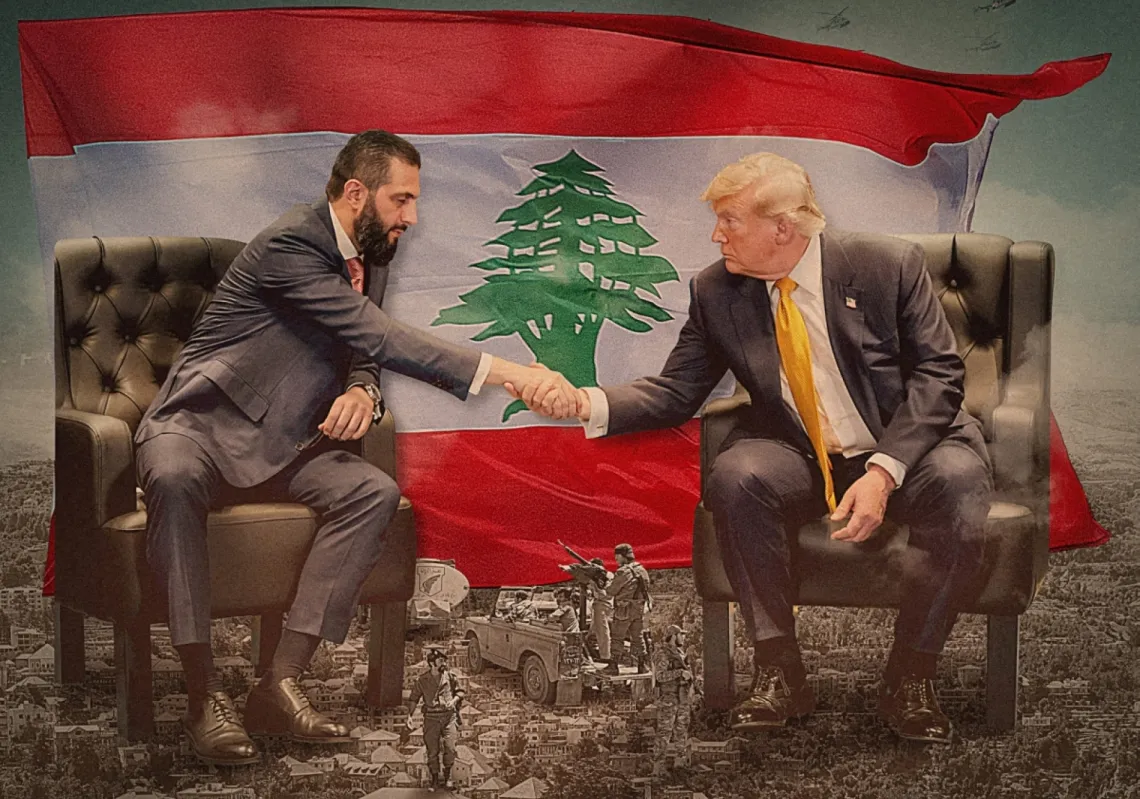
The experience of Lebanon and Syria in the 1970s is more useful as an analytical lens for understanding the thinking behind US calls for al-Sharaa to intervene than as a practical blueprint for action
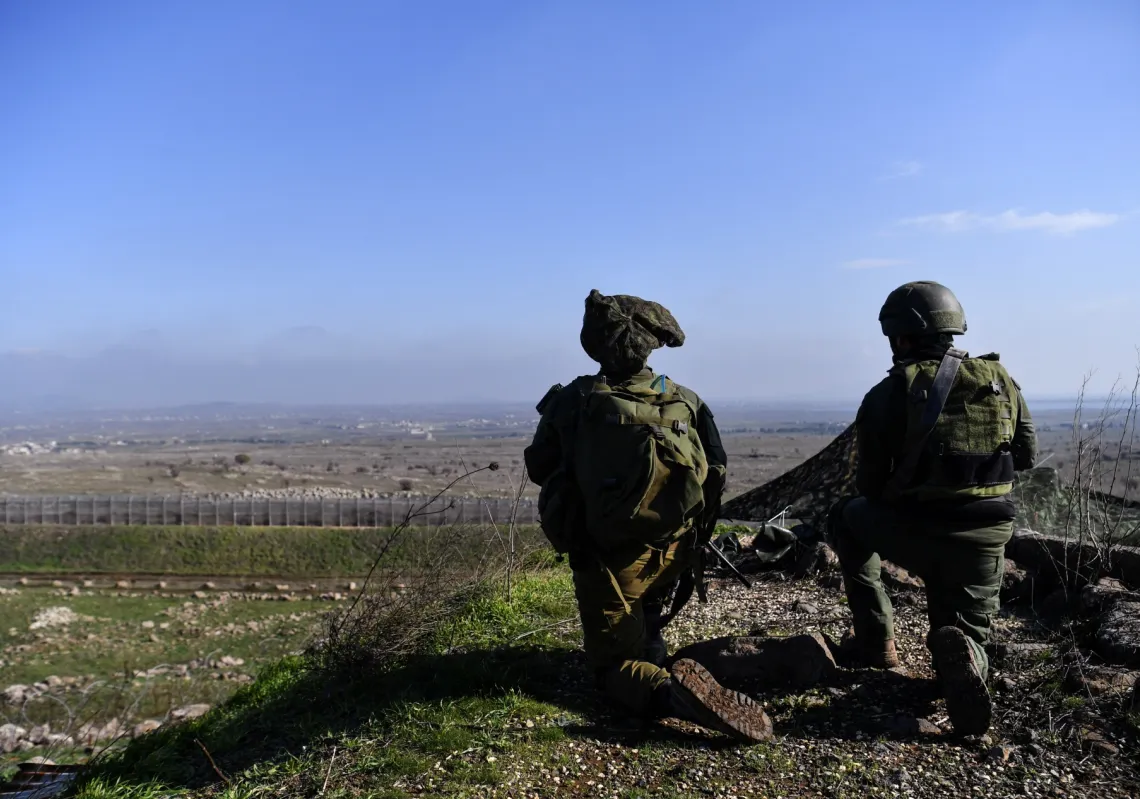
Shaibani held several calls with the Mossad chief days before the strike, explaining why the airport's runway was being rehabilitated and that it had no hostile intentions, but Israel bombed it anyway
A set of understandings or principles could, with some gentle facilitation, be agreed between Ankara and Tel Aviv to minimise the chances of unintended escalation in their mutual neighbour
Turks have been helping Jews for at least 500 years, but today many are angry at the injustices suffered by Palestinians at the hands of the Israeli government. Is there hope for a reset?
Ankara wants to be a regional energy hub, while Israel seeks deeper integration into Europe's emerging energy system. Will Europe choose or the other, or a combination, to meet its energy needs?
Tel Aviv and Ankara were once so friendly that they shared intelligence and cooperated militarily. Today, they accuse each other of genocide and limit trade. Where next for these two regional rivals?
Overlapping interests in energy and geopolitics have led to competing maritime claims, disputes over trade corridors, and fights over fighter jets and Syria. It all adds up to a new strategic rivalry
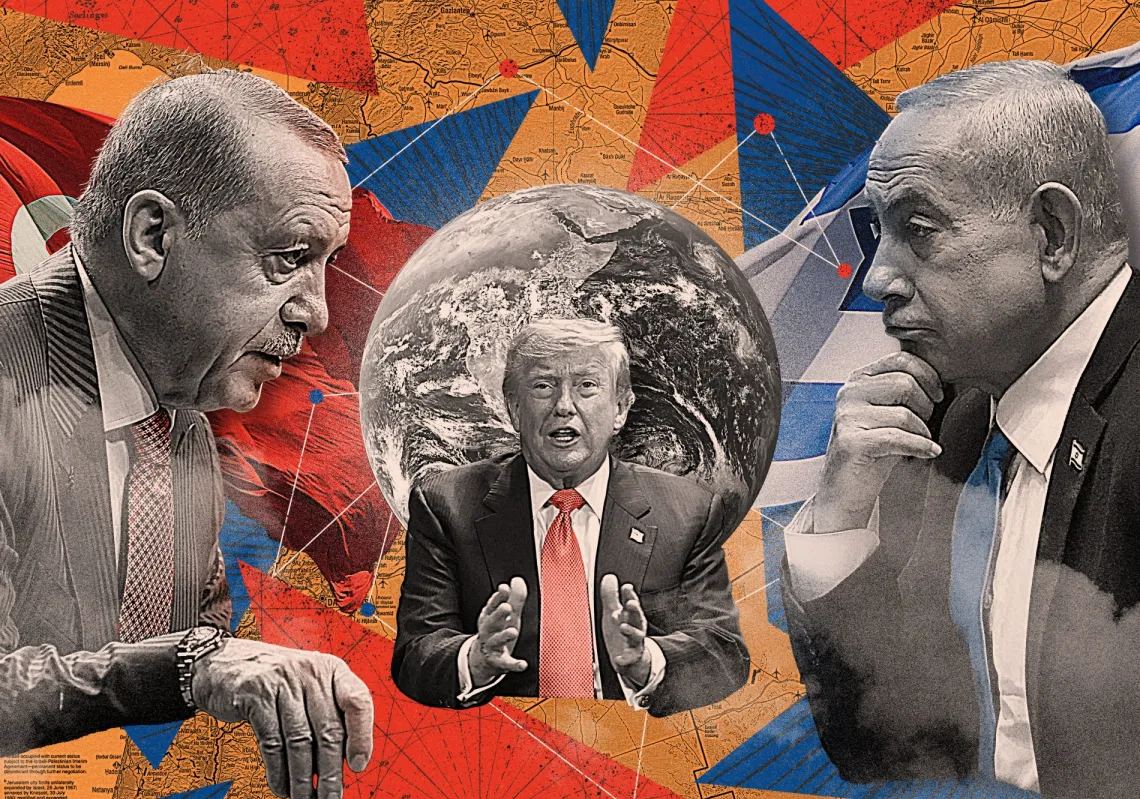
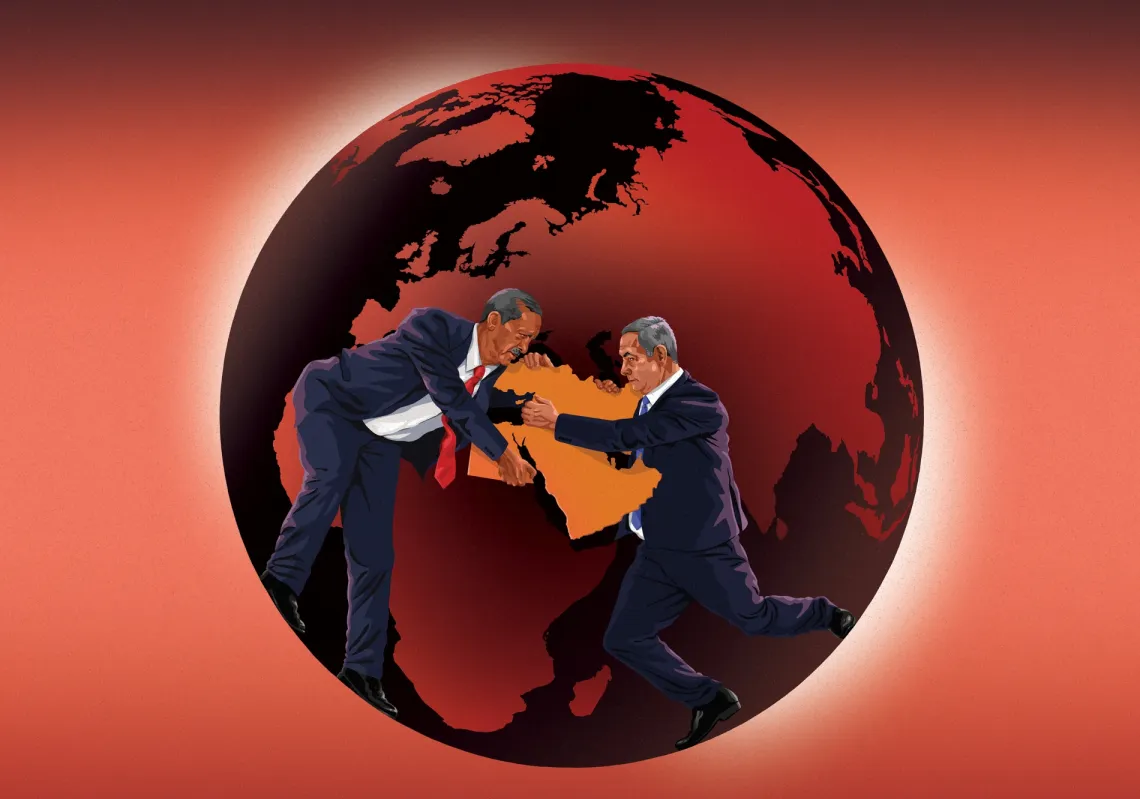
Türkiye calls Israel a 'terrorist state', Israel calls Türkiye 'the new Iran'. They have competing interests in Syria, Palestine, the Gulf, Washington, and arms exports. Will they come to blows?
The Iran war exposed the risks of being too closely tied to US military posture, which is why some Gulf states are repositioning themselves not merely as consumers of security but as architects of it
Supporting Israel used to help politicians get elected, but with Americans far more critical of Tel Aviv's influence on US policy, it has now become a liability at the ballot box
Sliman Mansour, the renowned Palestinian painter who used clay from his land to make his works after deciding to boycott art materials produced by Israel, has died at the age of 79