Syria's government needs to centralise decision-making and bring armed groups to heel, but Kurds in the north-east want to establish a 'coalition of the unwilling' with Druze and Alawites. What now?
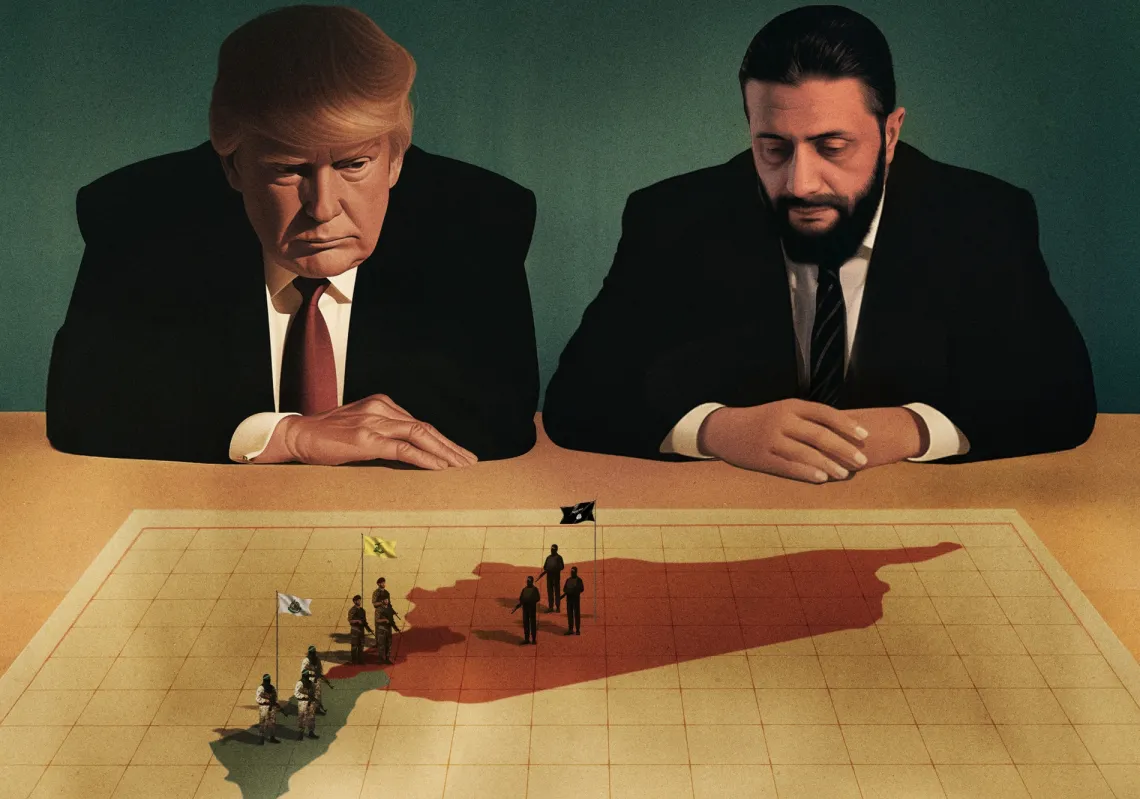
Questions of autonomy, integration, participation, and administration are key to resolving Syria's many disputes among its many groups. Could a 1989 agreement for Lebanon show the way?
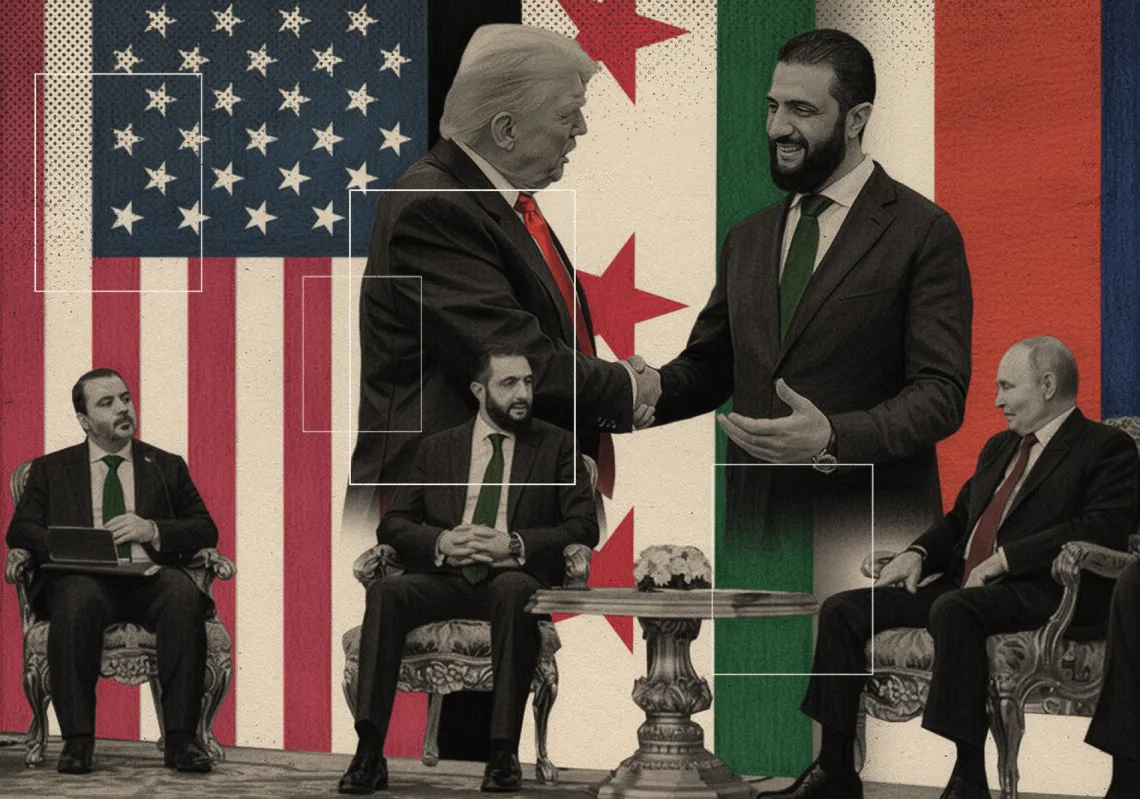
Donald Trump's ambassador to Türkiye and envoy to Syria has been having some critical conversations in regional capitals since April, from disarming Hezbollah to preventing another war with Israel
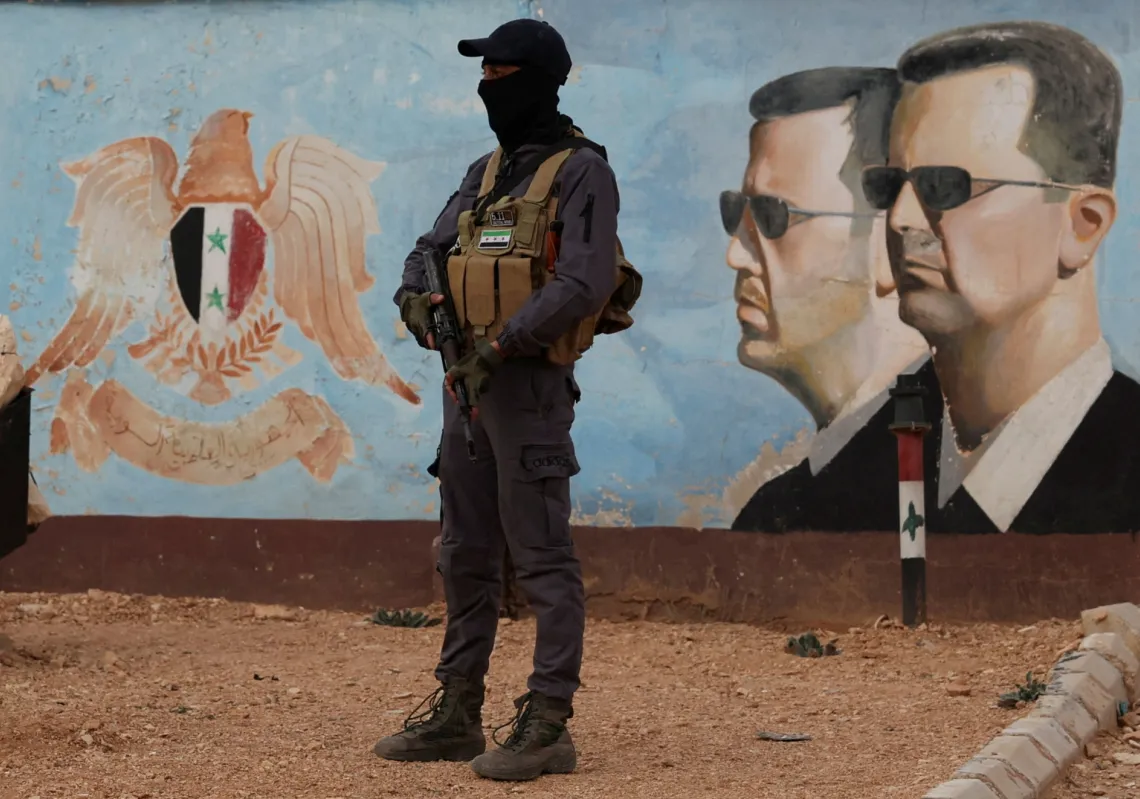
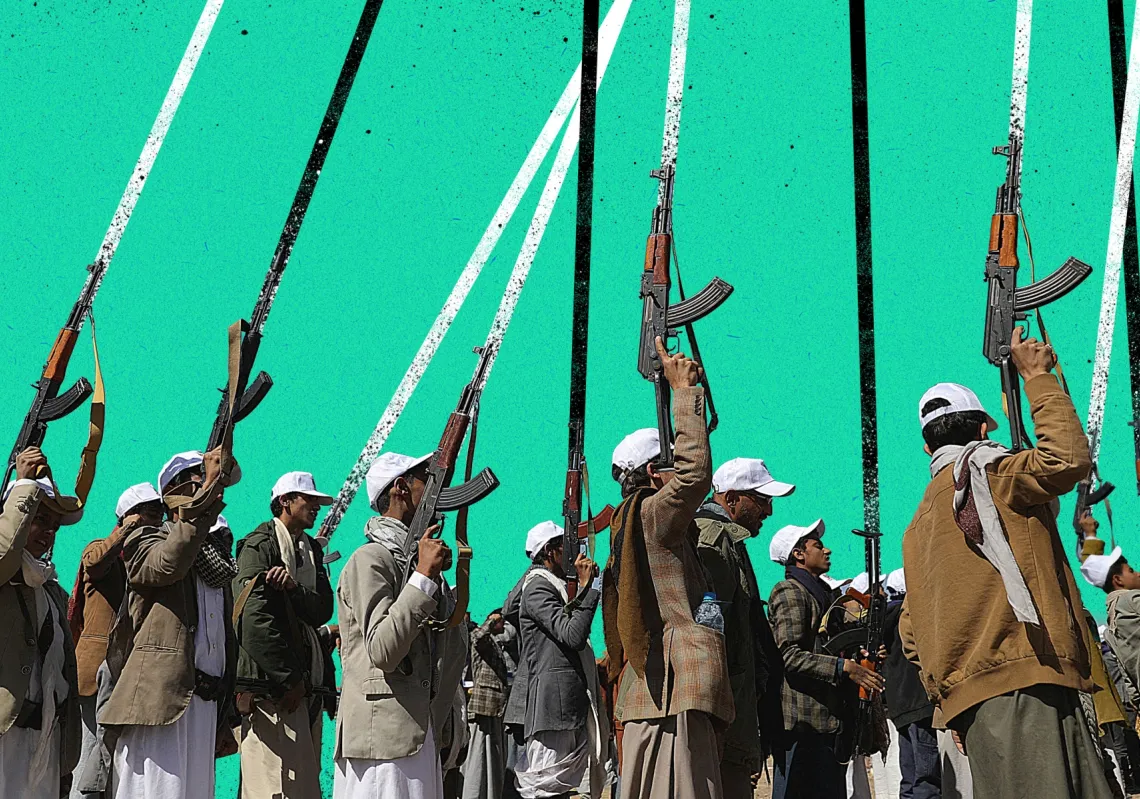
In areas like Daraa and Sweida, local groups are elbowing their way into some of the smuggling voids left by Assad's army and pro-Iranian groups like Hezbollah. That means more to fight over.
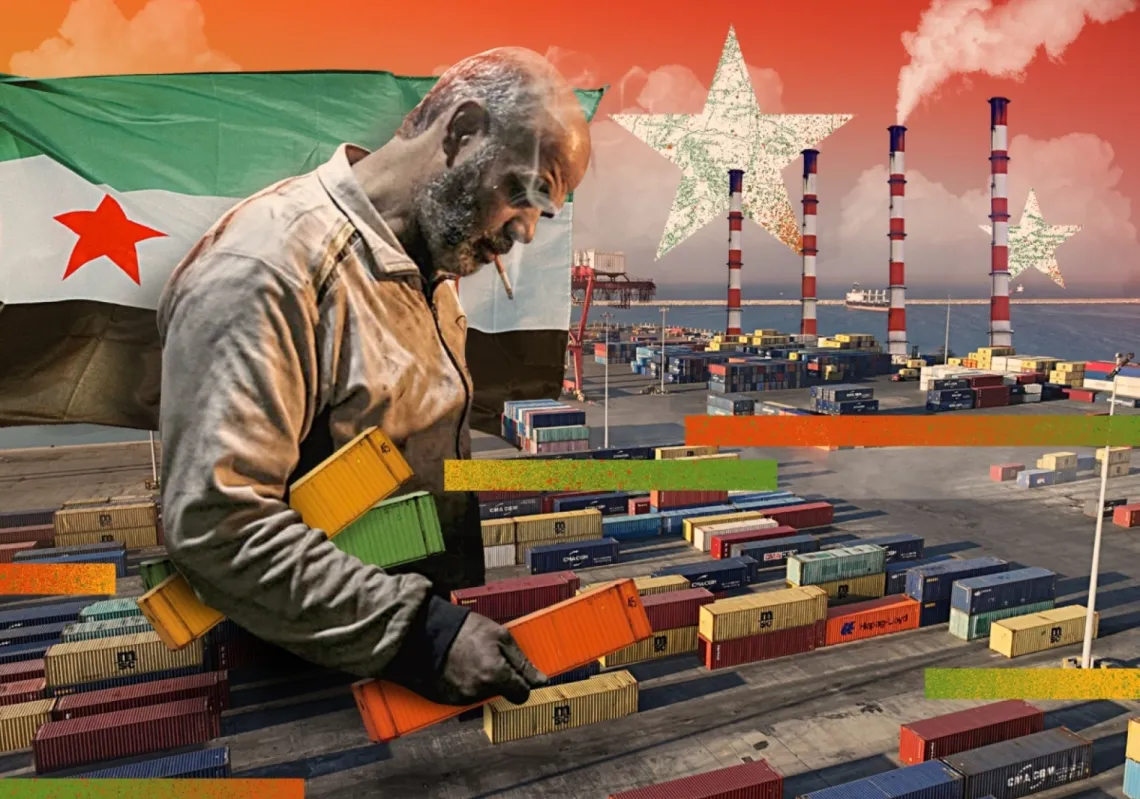
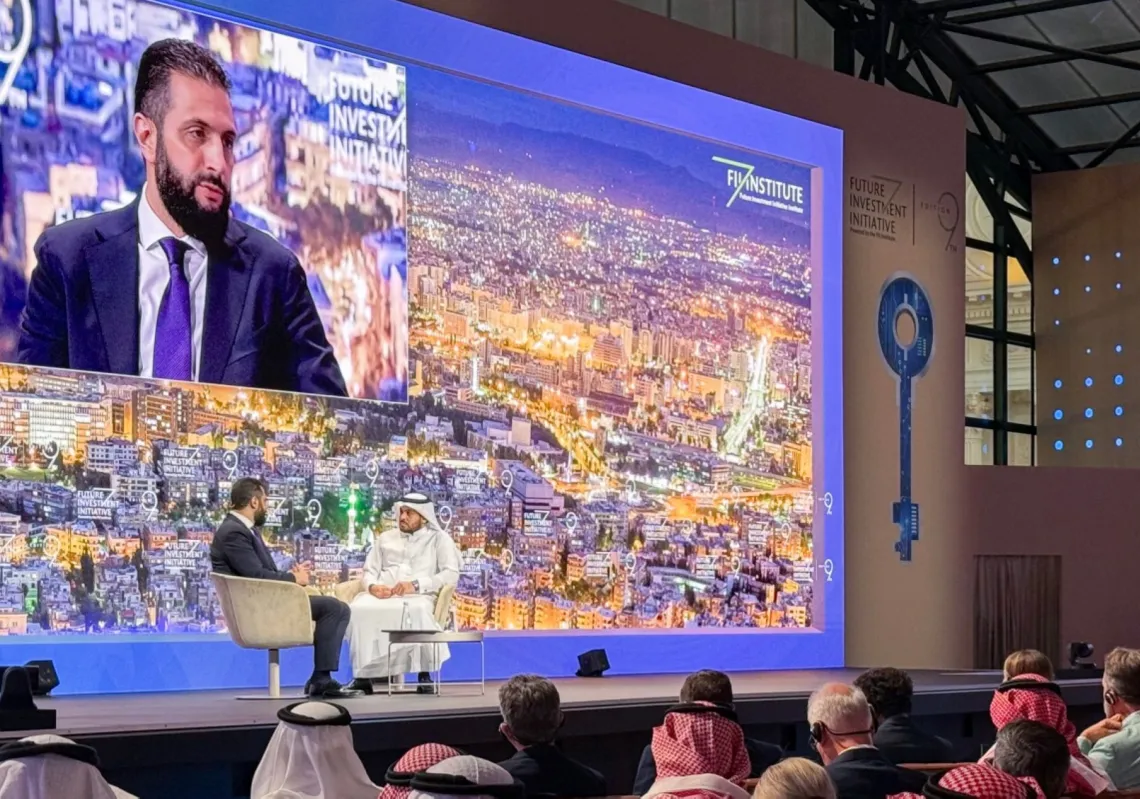
Damascus is getting help from abroad, but it needs to set its economic stall out with a plan to rebuild its economy. An organised and disciplined fiscal and monetary policy will keep bankruptcy at bay
Damascus fell into a trap when it sent its troops racing south as fighting erupted between Druze and Bedouins. Why? Because in Israel's arc of fragmentation, Syria is the last piece of the puzzle.
For more than a century, Druze soldiers and politicians have made their mark on today's Syria. They are still writing their own history, as the recent Sweida violence shows.
When states are attacked, authority gravitates towards institutions capable of mobilising resources, enforcing discipline, and coordinating a military response
There are few examples of successful US regime-change operations in history. And without permanent ground troop presence, these wins can easily be reversed.
Cairo and Tehran have been at loggerheads since 1979, but the Iranian threat has always acted as a check on Israeli ambitions. If Iran is completely defeated, Israel will reign supreme.