
Part of Michael Jackson’s intergalactic appeal was the way he evoked yet dispelled danger. His androgynous looks and high-pitched voice took the edge off songs of lust. A spindly body made his spiky dance moves unthreatening. In music videos, he breaks up brawls and rescues damsels in distress; the zombies who stalk the Thriller mini-movie are only a bad dream. As an artist, Jackson was a one-man fairy tale, sublimating pain and peril into joy.
Michael, a biopic out this week, tries to pull off the same trick with his life. It is a triumphant version of a story that, in reality, became a tragedy: for Jackson, who died in 2009, and for the children he allegedly abused. It aims to transport you to his febrile heyday in the 1980s, but its implicit lesson—about money, memory and the malleability of facts—is uncomfortably contemporary.
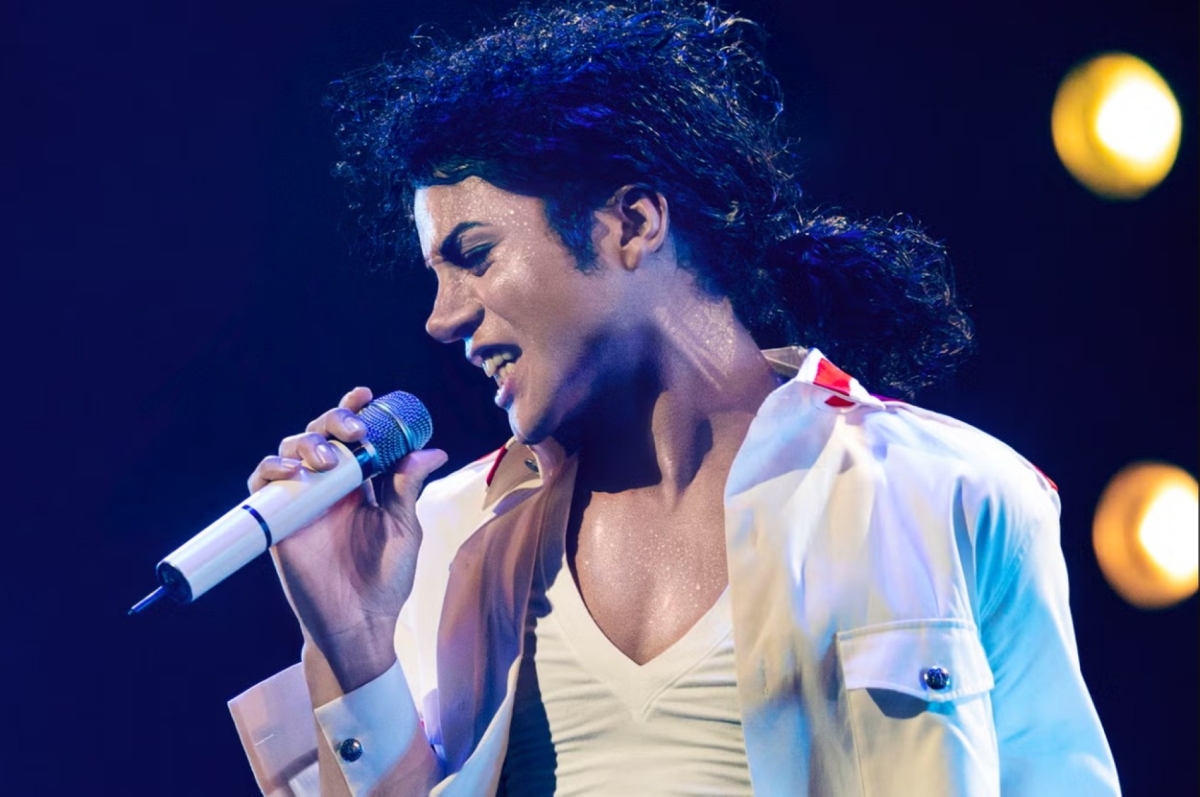
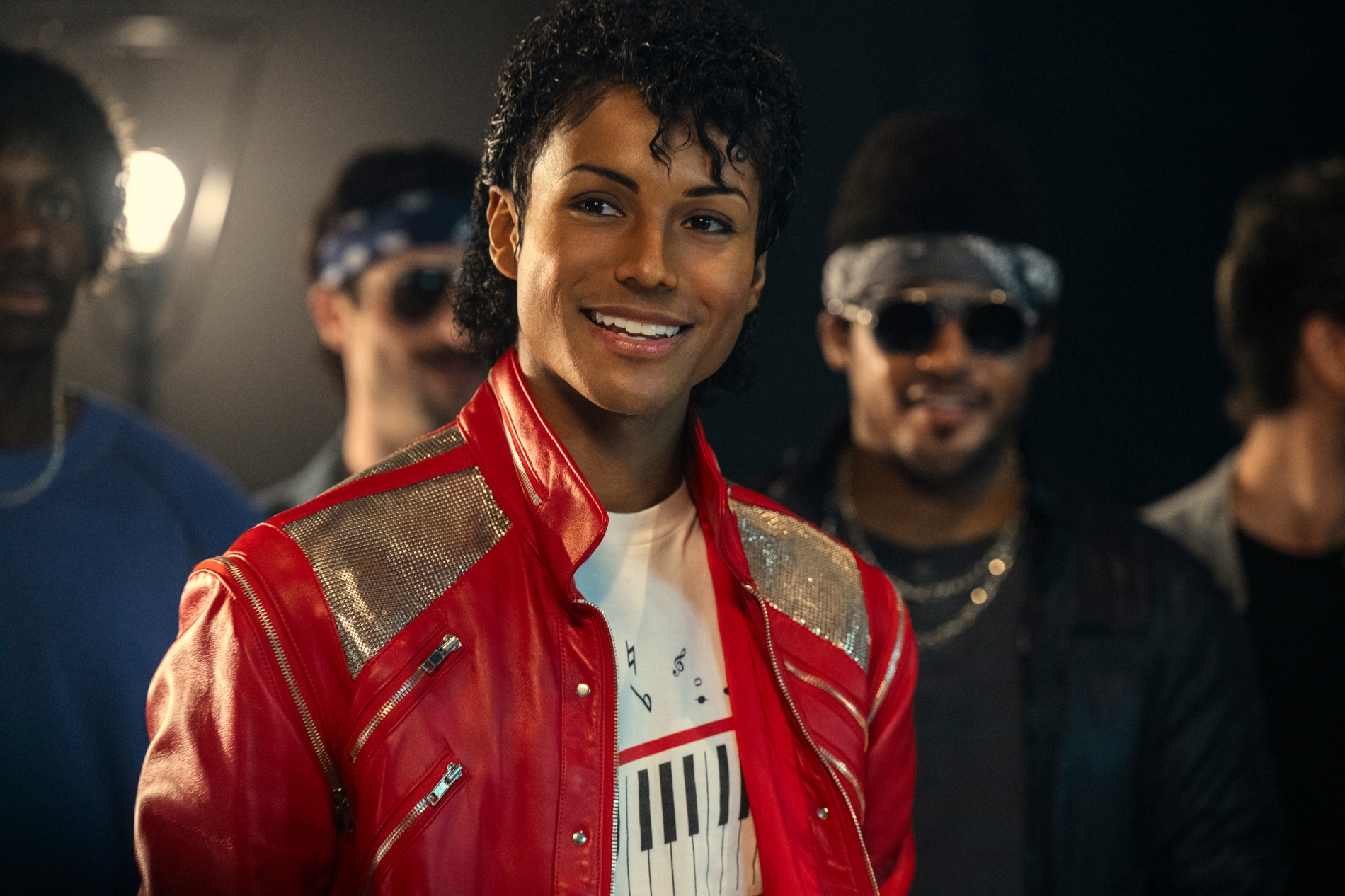
The villain in this fable is Jackson’s tyrannical father, Joseph, played by Colman Domingo. It opens in Gary, Indiana, in 1966, as Joe pitilessly drills his sons into shape as the Jackson 5. Their star is little Michael, played by Juliano Valdi as a child and, as an adult—to the extent that he becomes one—by the singer’s nephew, Jaafar Jackson (pictured). The film charts the family’s rise and Michael’s yen to forge a solo career and escape his father’s thrall.
For a movie about an oddball megastar who befriended a chimpanzee, much of Michael is surprisingly dull. The hero keeps getting bullied by his father and consoled by his mother (Nia Long), while accumulating exotic pets and staring longingly at pictures of Peter Pan. He develops a taste for leather and epaulettes; everyone tells him how special he is. In stretches, this is the sort of fairy tale that could put you to sleep.
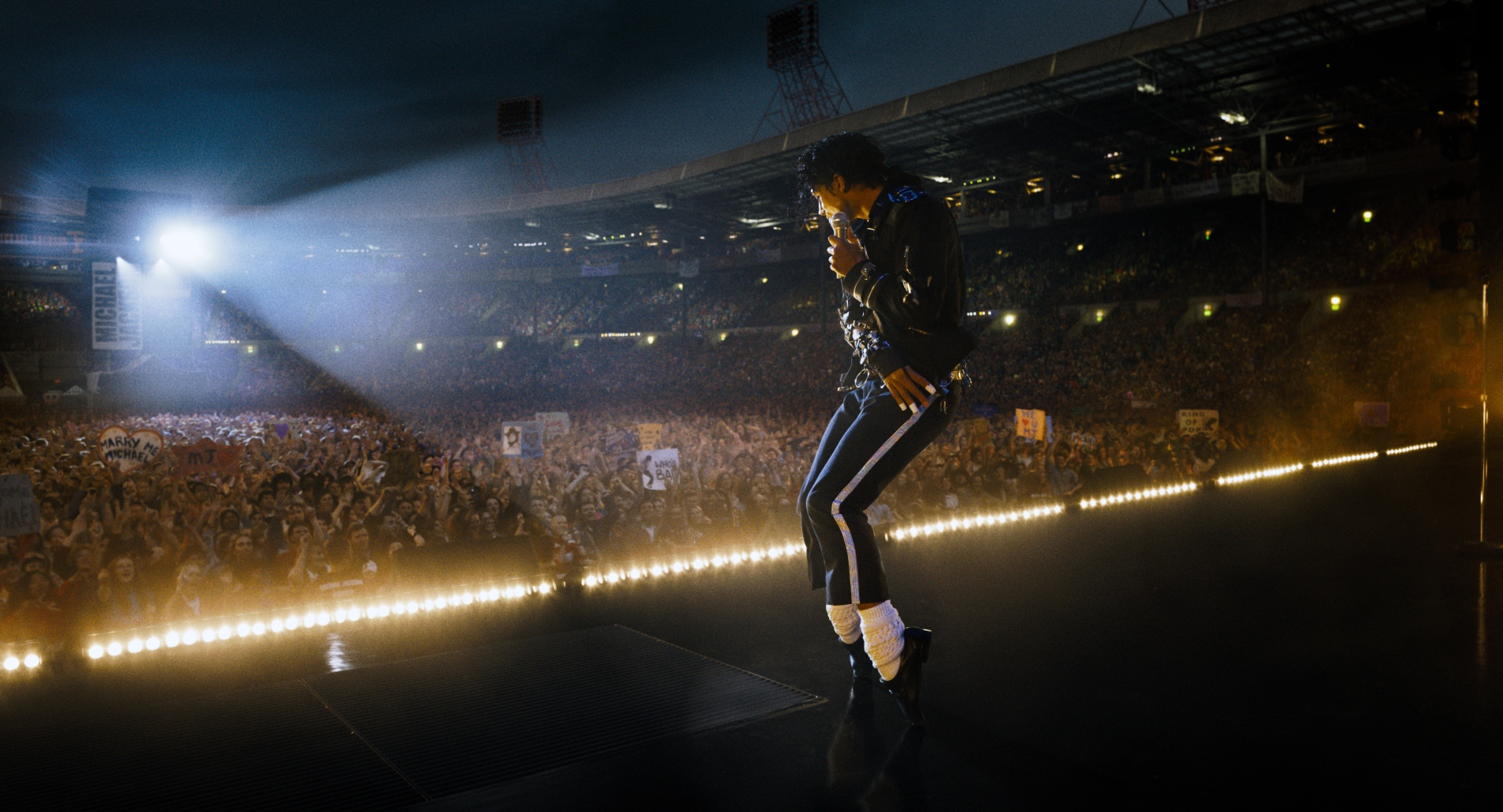
Except, naturally, the main event is the music. Here is Jackson’s magical timbre on “I Want You Back”, released when he was 11. Later comes a recreation of the wondrous moment in 1983 when he debuted his moonwalk to “Billie Jean”. Movie or no movie, these songs have shown the hard practical limit of cancellation: a bit like Picasso, now widely deprecated for misogyny, they have proved too good to abjure. They are all the memorial Jackson needed.
His fame, though, wasn’t powered by talent alone. It was the type that shades into sainthood, as if he suffered for his audience as well as entertaining it. The tribulations included not just his warped childhood but racial prejudice, the burdens of celebrity, a quixotic pursuit of eternal youth and all that plastic surgery. Michael, too, tries to beatify him. He comforts ill children and makes peace between street gangs, sensing his destiny is to “heal” people. “His story continues,” reads a note after the plot ends in 1988.
That is one way to put it. In their shared peculiarity, the saint is cousin to the freak; the freak is kin to the creep, who is brother to the criminal. Jackson allegedly slid to the bottom of this continuum. Since 1993, he has been accused of abusing numerous boys—charges he denied, as does his estate, which is still involved in litigation. He was acquitted at his only criminal trial, and another case was settled out of court.
Michael was reportedly meant to dramatise the earliest accusations, and had to be revised when a prohibitive detail in a legal agreement came to light. As it is, because the film closes when it does, the fictional Jackson never makes it to the notorious Neverland ranch, scene of much of the alleged abuse. The darkest side of the tale doesn’t feature. On the one hand, there is his marvellous art. On the other, just his sequinned glove.