Iran’s 'mosquito fleet' presents a pesky problem

The Strait of Hormuz is now poised to become the primary arena of confrontation, with Iran relying on speedboat-driven guerrilla warfare to confront the US navy.

Sara Padovan

Iran’s 'mosquito fleet' presents a pesky problem

As US-Iran negotiations inch forward at a snail's pace, tensions are rising in the Arabian Gulf and the Arabian Sea, amid a growing American military buildup. These tensions have already manifested into attacks on and seizures of commercial vessels, with both sides trading threats of heightened violence.

In these waters, a new status quo appears to be taking shape, governed by a delicate equation that balances measured escalation against efforts to avert a full-scale conflagration. The maritime arena is now poised to become the prime arena of confrontation, with Iran leaning on unconventional tactics to confront a more powerful adversary: the US navy.

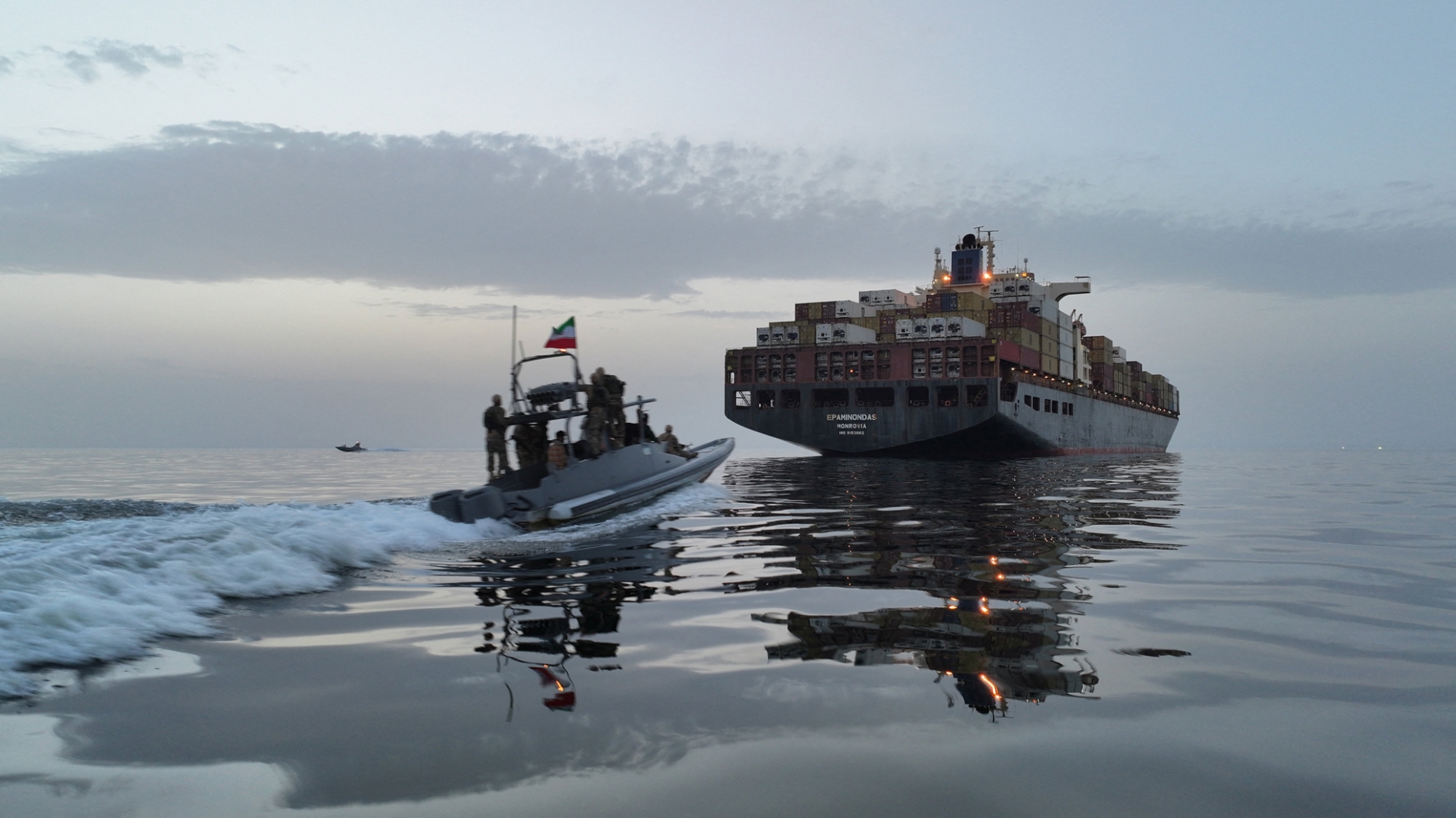
Iran's maritime guerrilla warfare relies on a fleet of speedboats designed to carry out quick, coordinated, and precise attacks in the Strait of Hormuz, one of the world's most important maritime trade chokepoints. These boats have become a central pillar of Iranian naval thinking, especially after the US destroyed much of its conventional naval hardware.

These boats have been dubbed the "mosquito fleet", a term that describes a tactic built on numerical density and high speed, with attacks simultaneously launched from several directions to confuse the adversary, disperse its defences, and deliver a decisive blow. Its value lies less in the firepower of each individual boat than in its cumulative effect when operating as a fast-moving swarm.

The strategy depends on light, rapid vessels, usually fitted with relatively simple weapons such as heavy machine guns and rocket launchers, and sometimes anti-ship missiles. Although their armament is limited compared with that of destroyers and frigates, their effectiveness stems from their ability to deploy quickly, manoeuvre with agility, and conduct surprise attacks in large numbers.
REUTERS
Iran's Revolutionary Guard Corps detains a ship in the Strait of Hormuz.

A hidden armada

Iran is believed to have hundreds, or even thousands, of these boats, hidden in coastal facilities or tunnels, and sometimes concealed amid civilian maritime traffic, which makes them harder to detect in advance or neutralise pre-emptively. They are concentrated chiefly in the Arabian Gulf, particularly around the Strait of Hormuz, through which roughly a fifth of the world’s energy supplies pass. This geography gives them a significant tactical advantage: they can surge towards their targets, whether commercial or military vessels, then withdraw before opposing forces can respond effectively.
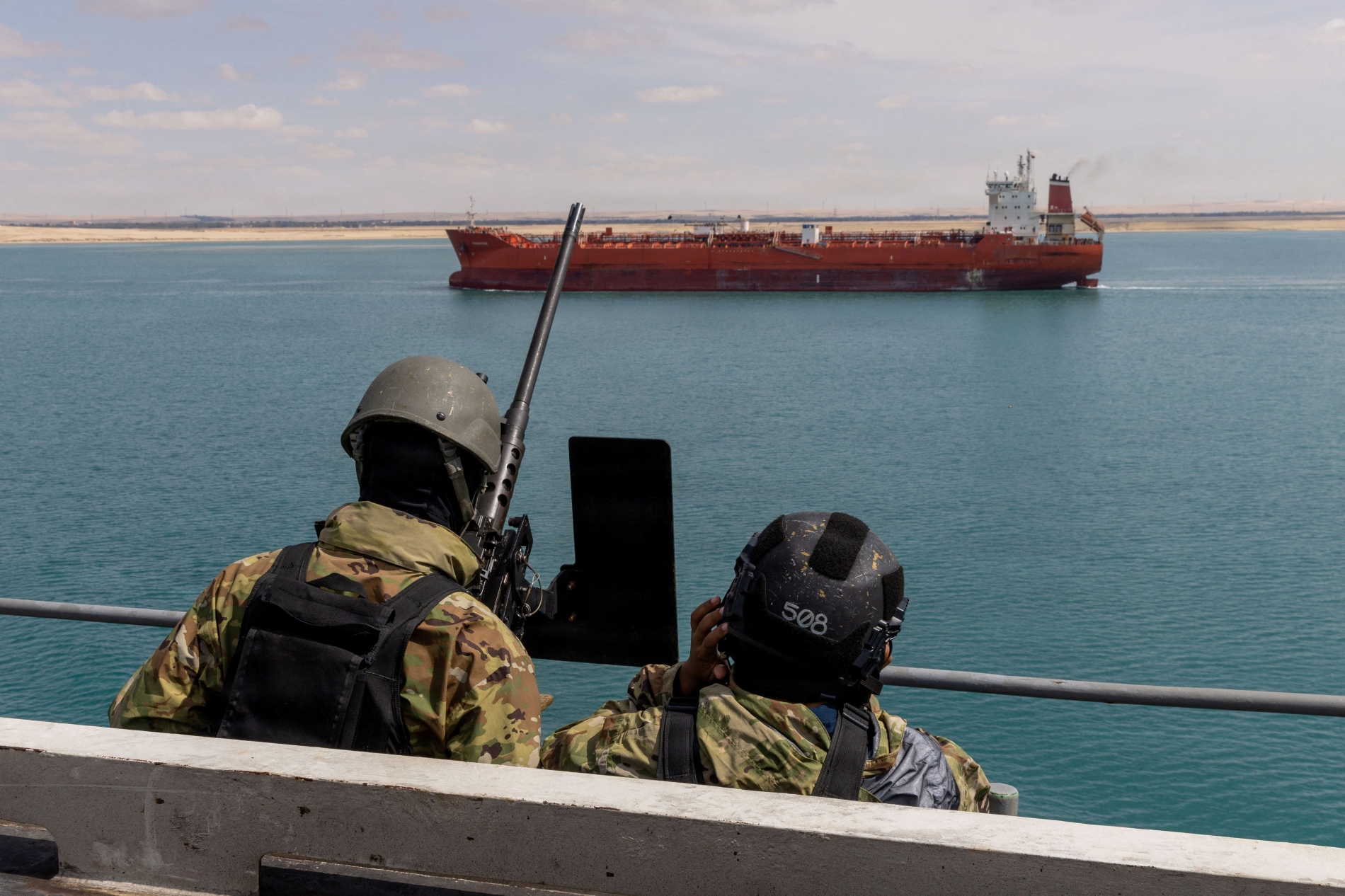
Iran doesn't necessarily seek to sink an American aircraft carrier, but to suck the US into a protracted war of attrition and drain its resources.

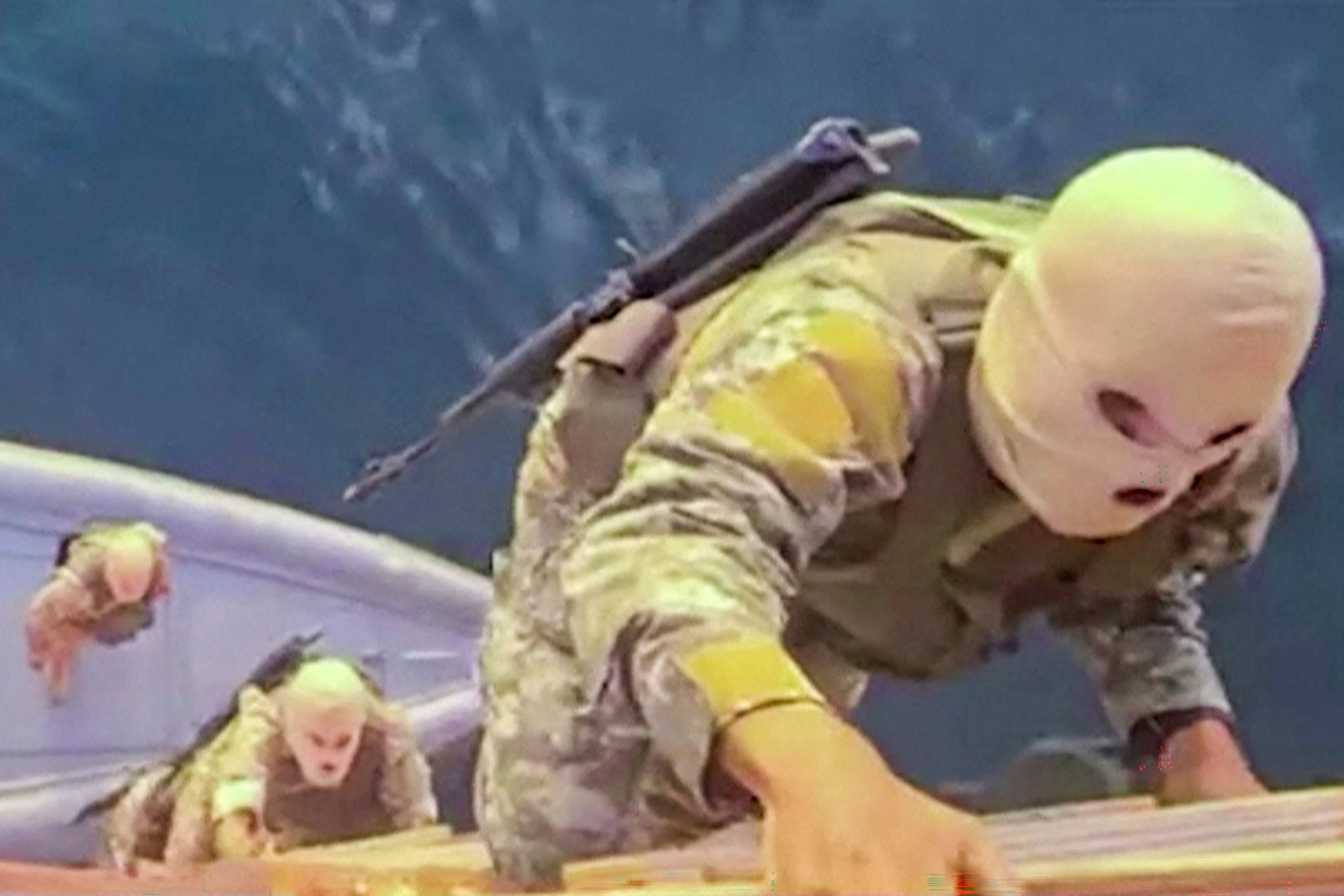
In offensive operations, these boats are usually deployed in small formations of 10 to 12 vessels to either harass or seize ships, and are part of a broader, multi-layered system that includes coastal missiles, drones, naval mines, and electronic jamming capabilities. The purpose of this integration is to disorient the adversary and disrupt its ability to make swift decisions. When confronting a more powerful adversary, weaker parties often aim not to beat but to exhaust their enemy, both physically and financially. Tehran uses low- to medium-cost tools that can be deployed in large numbers to deplete America's arsenal.

AFP
Iranian Revolutionary Guard naval forces boarding a ship that was attempting to cross the Strait of Hormuz.

Even when these means fail to inflict decisive damage, they achieve an important objective: psychological deterrence, by deepening the sense that a threat may emerge at any moment and from any direction. To this end, Iran doesn't necessarily seek to sink an American aircraft carrier, but to suck the US into a protracted war of attrition and drain its resources.

US countermeasures

The United States understands that it cannot rely solely on traditional warships and manned patrols to constantly surveil the vast maritime theatres that stretch for nearly 5,000 miles, from the Suez Canal through the Red Sea and the southern Arabian Peninsula to the Gulf and Kuwait. Therefore, it is increasingly turning to unmanned systems to adapt to the environment.  As the threats of asymmetric warfare have intensified, these systems have moved from supporting instruments to a central element in the method of confrontation.

In September 2021, the US established Task Force 59 as its first naval formation dedicated to unmanned systems and artificial intelligence. This was followed by the launch of Task Force 59.1 on 3 January 2024, with the aim of integrating these systems and putting them into operational use alongside human operators. Among its most prominent expressions are Saildrone platforms, which use radar, cameras, and the Automatic Identification System to track targets in real time. Their purpose is not merely to detect presence, but to distinguish vessels that identify themselves normally from those that move without a clear identity or display suspicious behaviour. This helps the US detect small boats trying to hide amid commercial traffic in a crowded environment such as the Strait of Hormuz.

Artificial intelligence systems collect enormous quantities of data from radars, electro-optical and thermal cameras, and identification systems, volumes of information that human operators cannot process as quickly. This system helps sort information, detect abnormal patterns, and flag activity that may appear benign on the surface but is masking hostile intent.

Reuters
US navy sailors on a small boat monitoring team on a side passage of the aircraft carrier USS Gerald R. Ford as it transits the Suez Canal, en route to support Operation Epic Fury, on 5 March 2026.

The US is also building an early-warning network that strengthens its ability to detect threats in their earliest stages and reduces two of the central advantages of asymmetric warfare: surprise and the ability to dictate tempo.

In the air, the MQ-4C Triton stands out as one of the principal pillars of this approach. A high-altitude, long-endurance maritime surveillance platform, it is equipped with an advanced sensor suite that enables continuous monitoring across vast areas. It operates within the US maritime reconnaissance system alongside the P-8A Poseidon, providing a comprehensive picture that goes beyond tracking a single target and extends to reading broader patterns of movement across the maritime theatre. This could prove vital in the Strait of Hormuz, where threats take shape through seemingly ordinary movements.

Alongside it comes the MQ-9B SeaGuardian, the maritime variant of the MQ-9 family, with an endurance of more than 30 hours and equipment tailored for maritime surveillance. This capability makes it especially suited to tracking shipping lanes and small targets over extended periods, rather than merely capturing fleeting moments of observation.

Closer to naval vessels, the US navy, within Task Force 59 operations, has relied on platforms such as the Flexrotor, a small unmanned aircraft capable of vertical take-off and landing from ships. It gives vessels an additional "eye" without requiring a manned helicopter to be deployed each time. The V-BAT has also featured in efforts to integrate unmanned systems in the Gulf, signalling a shift towards light tactical platforms that can operate efficiently in narrow and congested maritime environments.

font change