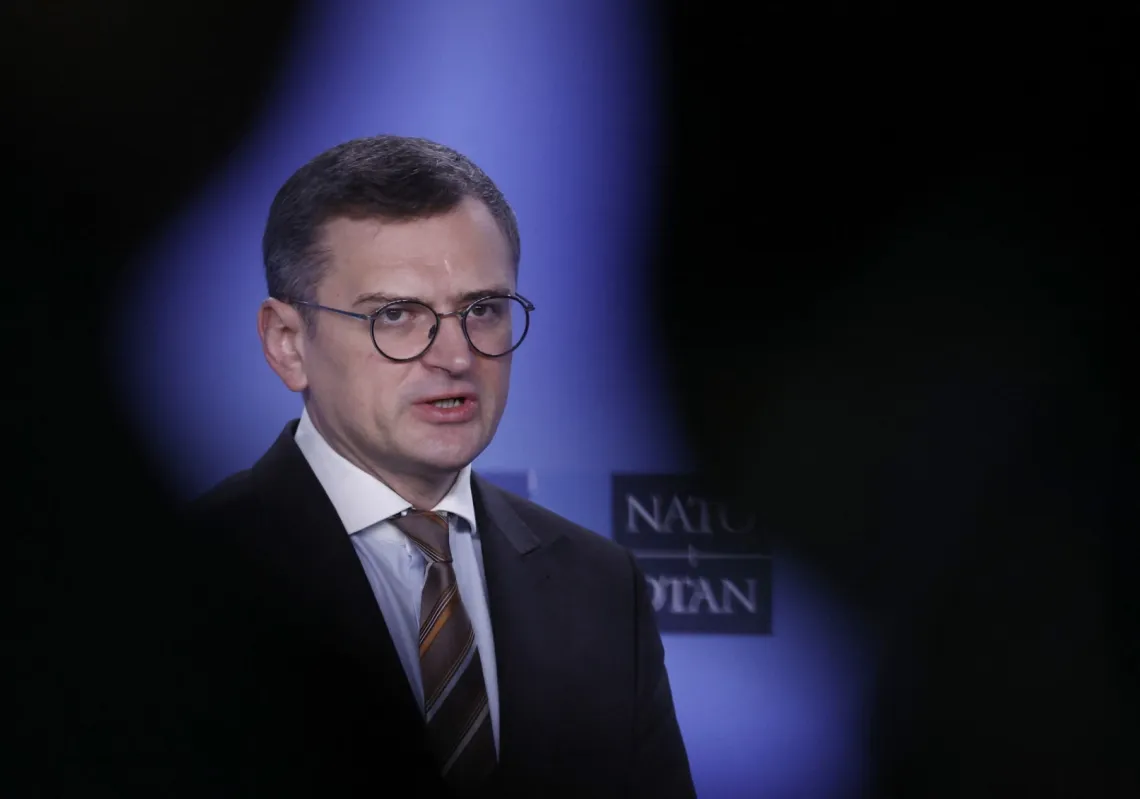
In an exclusive interview with Al Majalla, the Russian political philosopher explains his country's pivot to the Global South and why nothing will change Moscow's edge on the Ukrainian battlefield
No sooner did Washington greenlight Ukraine's use of long-range missiles than Russia announced it had signed a law allowing a nuclear strike in response to such an attack
Moscow has boosted its military presence in southern Syria near deconfliction lines with Israel, and its revitalised interest in being a key regional player hasn't gone unnoticed in Israel
In 2022, hundreds of Western firms left, but around 200 American corporates stayed, including big names like Pepsi and Mars, in part because the cost of leaving is high—and getting higher
BRICS+ wants to offset Western domination, including via 'de-dollarisation'. It certainly has grown in numbers and influence, but some potential joiners are getting cold feet.
A proposed trade route connecting Turkey and the Mediterranean with Azerbaijan through Armenia would be controlled by Russia and bypass Iran. No wonder Tehran is furious.
Russia's intervention on 30 September 2015 won it a warm water port on the Mediterranean, but the political solution that was meant to follow the fighting has not yet materialised
Zelensky ramped up the pressure on Washington and London this week when he called on Britain and America to make a "strong decision" by letting him use long-range missiles
When states are attacked, authority gravitates towards institutions capable of mobilising resources, enforcing discipline, and coordinating a military response
There are few examples of successful US regime-change operations in history. And without permanent ground troop presence, these wins can easily be reversed.
Cairo and Tehran have been at loggerheads since 1979, but the Iranian threat has always acted as a check on Israeli ambitions. If Iran is completely defeated, Israel will reign supreme.