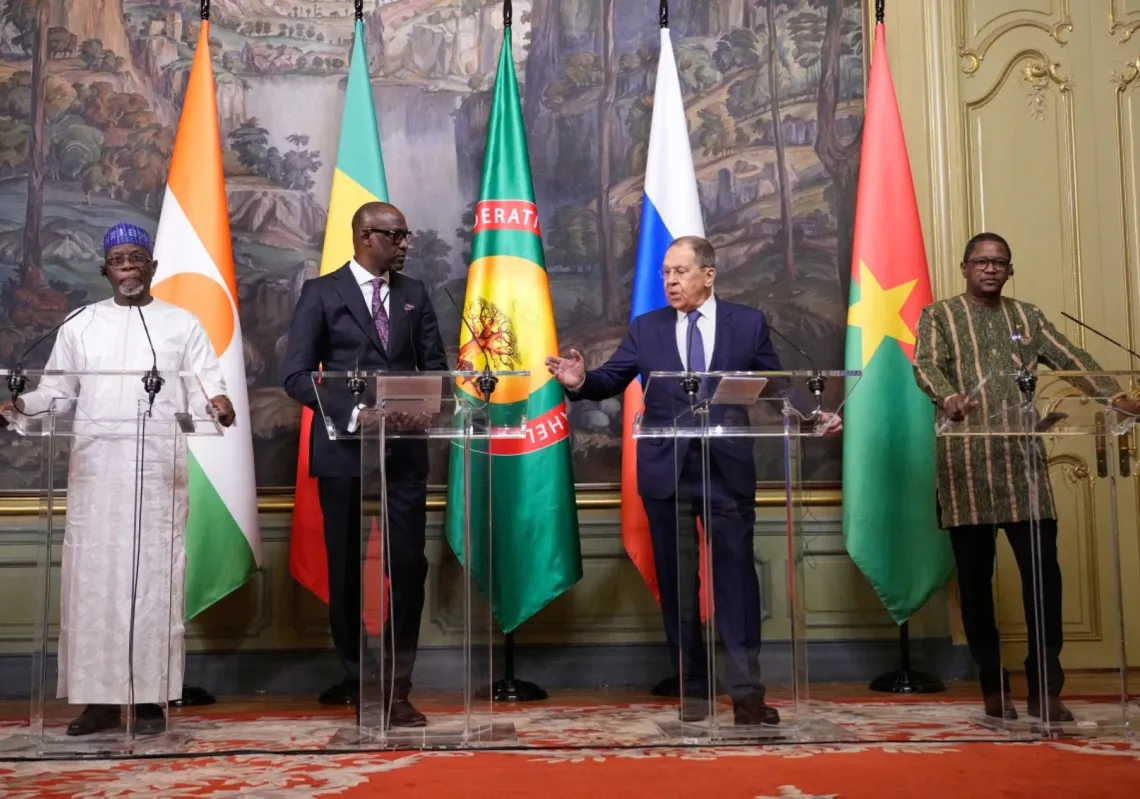
Amid growing competition for influence in Africa from the US, Moscow has been deepening military and economic ties there, especially in Niger, Mali and Burkina Faso. Now, it must deliver.
A recent jihadist attack on Mali's capital and a growing threat from northern rebels reportedly getting help from Ukraine begs the question: is the Sahel a new Russia-West battleground?
Niger accuses Algeria of mistreating EU-bound Nigeriens by dumping them back in the desert. Algeria accuses Niger of opening the floodgates. Neither is backing down.
The US and French withdrawal from the Sahel lets the Russians, Chinese, and Iranians in. Tehran, in particular, will be keen to buy Niger's uranium, despite this being a red line for Washington.
Washington has finally woken up to the importance of developing this vital region, with Nigeria showing the greatest investment potential — in the trillions.
Two months ago today, a coup took place in Niger that delivered yet another blow to France's declining influence in the Sahel. Without US support, Paris has decided to pack up and leave.
France's 'Suez Moment' has been a drawn-out one. Its influence has waxed and waned since the 1960s, but it has been on an overall downward trajectory throughout. Al Majalla explains.
ECOWAS member states are well aware that an armed conflict would worsen the region's existing instability. The mere mention of a military intervention has been enough to divide West African nations.
Until the West can prove that it can address the economic and security challenges Sahel countries face, the governance models represented by China or Russia will continue to gain more appeal.
France is especially affected by the coup, as it has previously lost similar bases in Mali and Burkina Faso due to coups allegedly linked to Wagner activities
Sources tell Al Majalla that Iran was able to build a rapport with US Vice President JD Vance in Islamabad, but sensed his hands were tied in the presence of Trump's son-in-law and close friend
Washington weighs the desire to avoid a protracted war with offsetting the appearance of defeat, as Tehran debates whether to consolidate gains before conditions shift or press perceived advantages
Israel's parliament approved a draconian death penalty law last week that only applies to Palestinian prisoners, in a move that the UN says "would constitute a war crime"