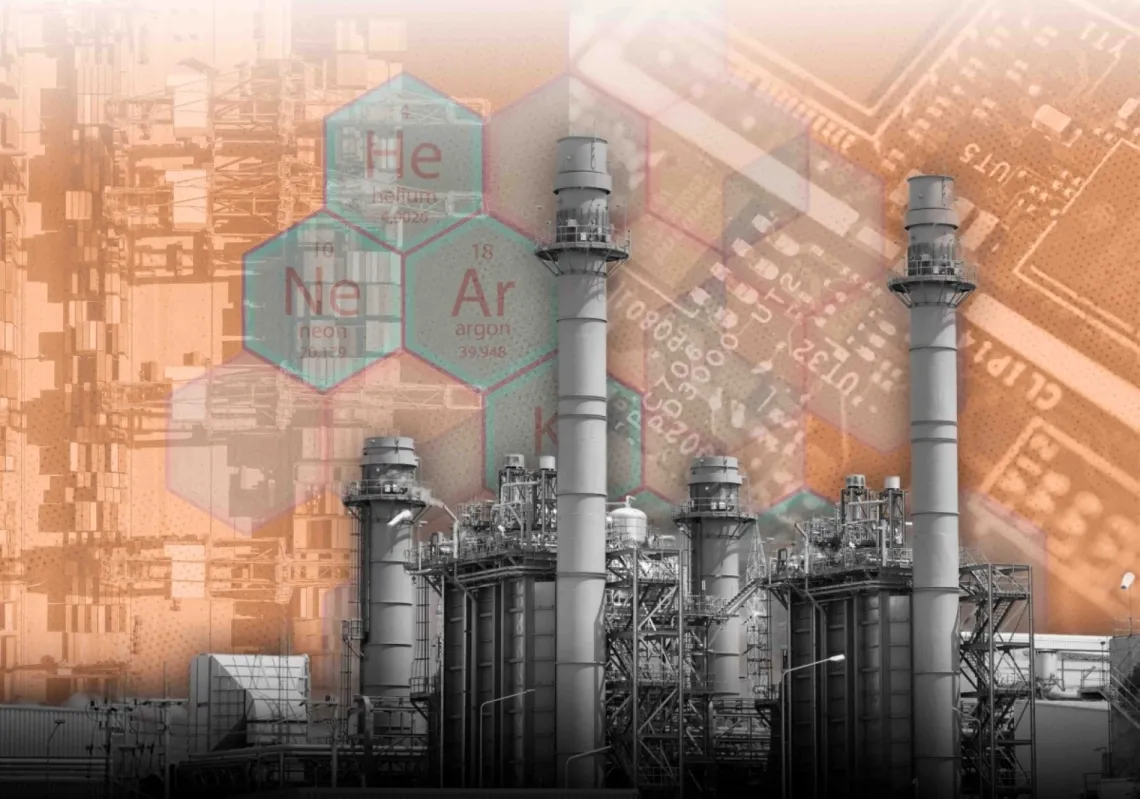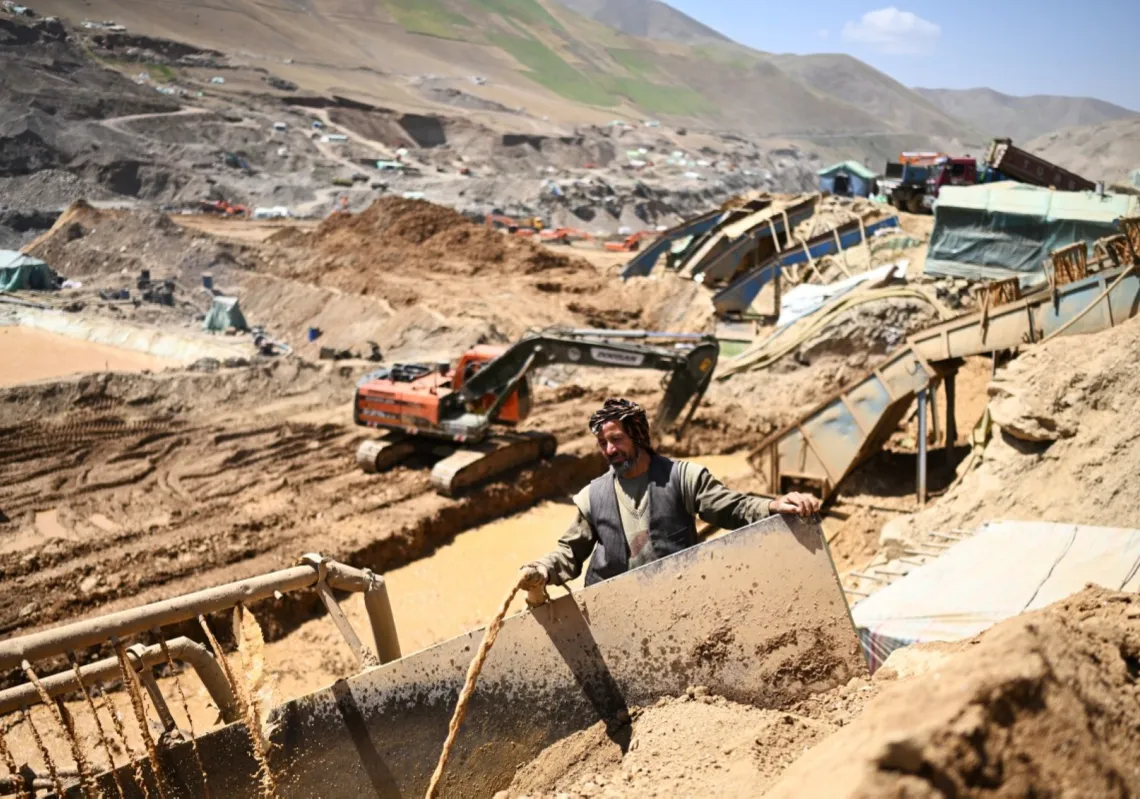
Odourless, colourless gases such as helium, neon, radon, argon, krypton, and xenon power key industries. They are rare, difficult to extract, and hugely valuable, yet largely under the radar.
A metal that can be converted into a fissile material for nuclear power is plentiful in the Arab world's most populous country. If science can harness its potential, Egypt has a valuable asset.
The country has passed a new minerals law seen by its backers as a catalyst for investment. But critics say it surrenders sovereignty. Which way will the pendulum swing?
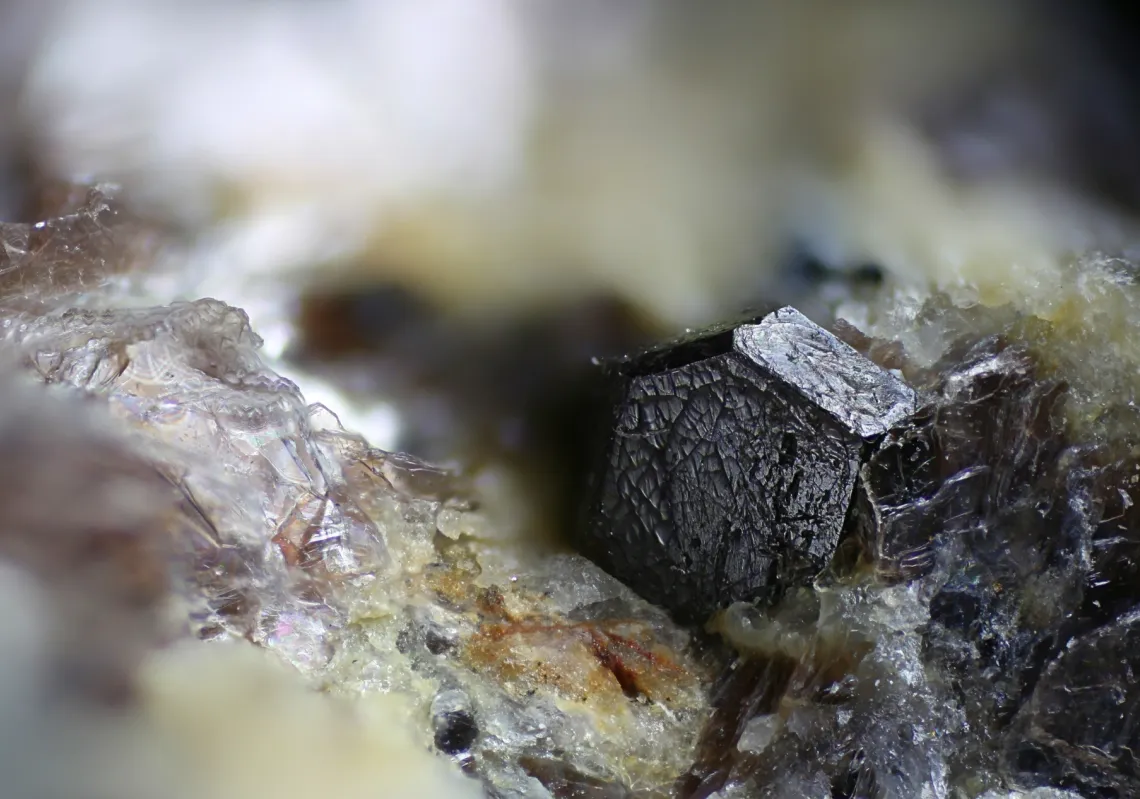
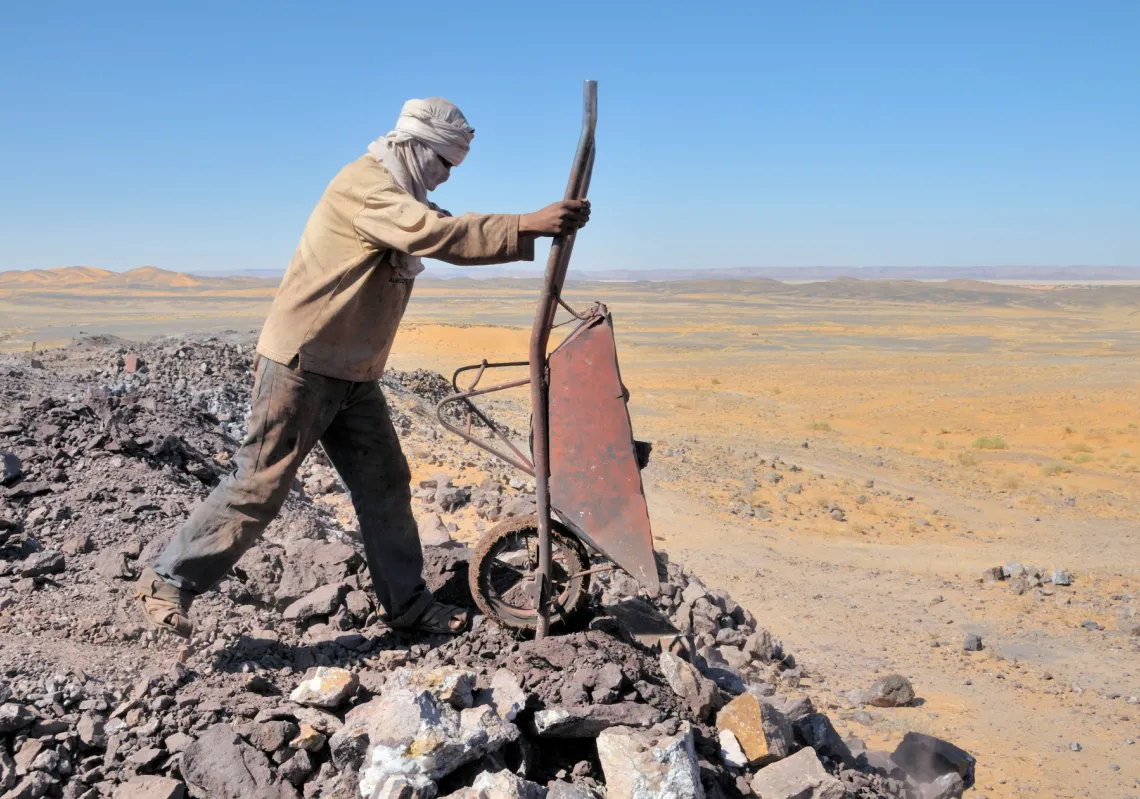
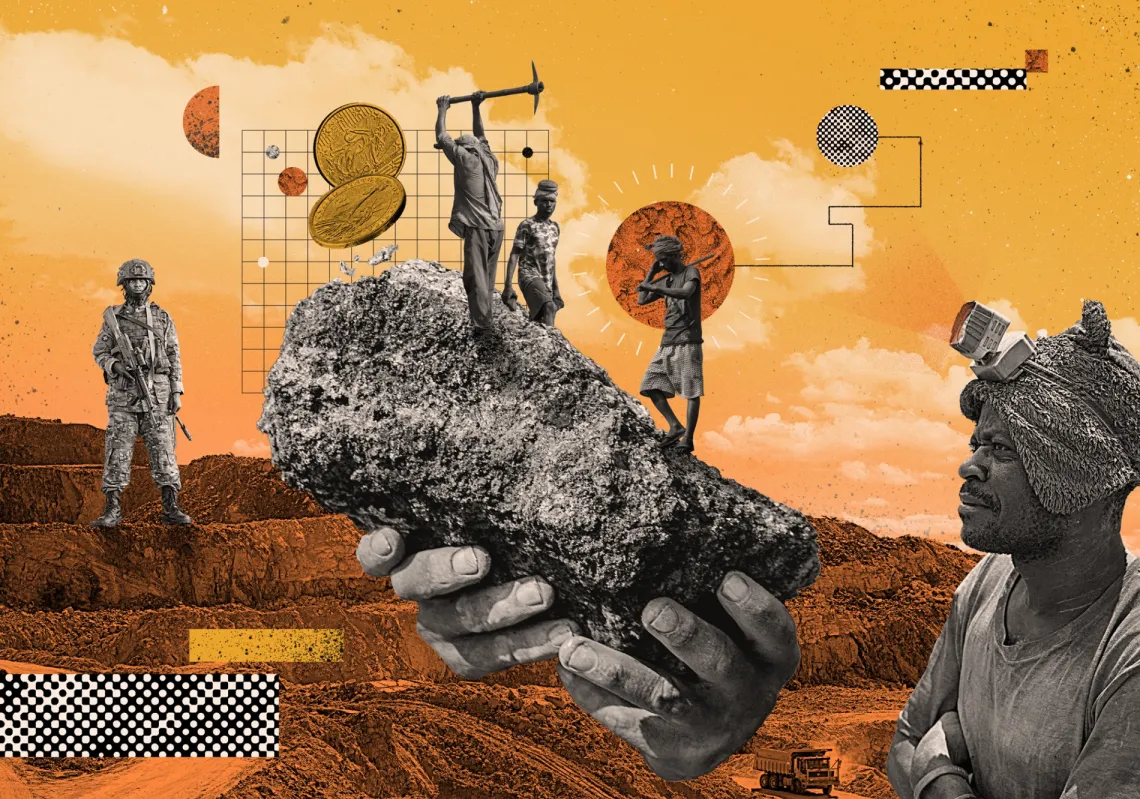
From Africa to the Arctic, certain metals and minerals are so highly sought after for today's strategic industries that countries will go to war over them. What are they? Al Majalla digs deeper.
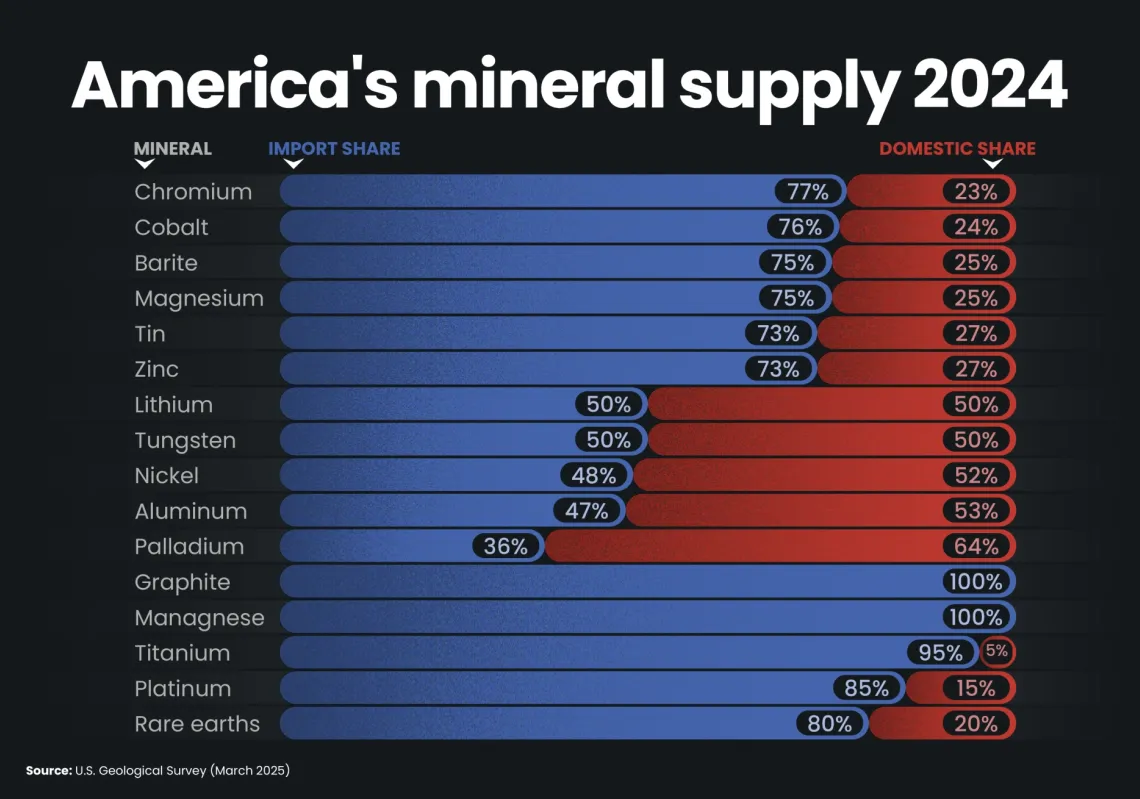
America’s economy heavily depends on imported minerals vital for technology, energy, and defence. In 2024, the US was 100% import-reliant for 12 of the 50 “critical” minerals identified by the US…
For a long period of time, Saudi Arabia’s wealth has come mainly from oil production in the eastern part of the Kingdom. With proven reserves of oil estimated at 267 billion barrels, Saudi Arabia can…
The two appeared to be in lockstep in many areas, but dig deep, and you will see where they don't align. So, what does this mean for the region? Al Majalla explains.
If anywhere encapsulates the Syrian capital in recent decades, it is this enigmatic and iconic public space, which has seen more than its fair share of changes
No single party in Yemen can can impose dominance over the other through military force, nor can any side achieve dominance solely by relying on external actors