In the race for 21st-century technological dominance, most of the talk about resources has focused on critical minerals, by which most assume these to be physical substances. But among the most strategic resources are not just rare metals but also noble gases. Rare and inert, these are chemically aloof, largely non-reactive elements, and highly sought after.
Together with metals, they are, in many ways, the unseen engines of the technological revolution. ‘Rare earth’ dominates headlines owing to its role in industries such as electronics and high-end manufacturing, but noble gases are fast entering a parallel battle, given their irreplaceable importance in medicine, scientific research, and cutting-edge technologies.
China first imposed restrictions on noble gas exports back in 2023, amid its escalating trade war with the United States, a year after Russia halted its own exports in 2022, in response to Western sanctions over its invasion of Ukraine. The trade war and focus on new technologies have led many to ask what makes these gases so valuable and why they have become such a focus of geopolitical contention.
Resisting interaction
The term ‘noble gas’ (or ‘edelgas' in German) was coined by the chemist Hugo Erdmann in 1900 to describe elements with very low reactivity. The word ‘noble’ (‘edel’) reflects their chemical reticence—resisting interaction in the same way that noble metals like gold and platinum resist corrosion and transformation.
These colourless, odourless, non-flammable, and rarely reactive noble gases occupy Group 18 of the periodic table. Scientists generally agree on six: helium (He), neon (Ne), argon (Ar), krypton (Kr), xenon (Xe), and radon (Rn). Some include oganesson (Og); others exclude it due to its synthetic nature and distinct chemical behaviour.
The gases exist as single atoms rather than molecules, and have extremely low boiling and melting points, allowing them to vaporise or freeze at temperatures close to absolute zero. Most are extracted from the atmosphere through liquefaction and fractional distillation (which separates gases by their boiling points), but some require alternative sources. Helium is derived from natural gas fields, for instance. Radon is a by-product of the radioactive decay of radium and thorium, and neon can be harvested during steel manufacturing processes.
Varied applications
Thanks to their chemical stability and distinctive physical characteristics, noble gases play vital roles in advanced technology, healthcare, scientific research, energy, and space exploration. Helium (in liquid form) is essential for cooling ultra-low temperature devices, such as MRI machines and superconductors used in nuclear fusion research. When combined with oxygen (as heliox), it is used to treat respiratory conditions such as asthma and chronic obstructive pulmonary disease (COPD).

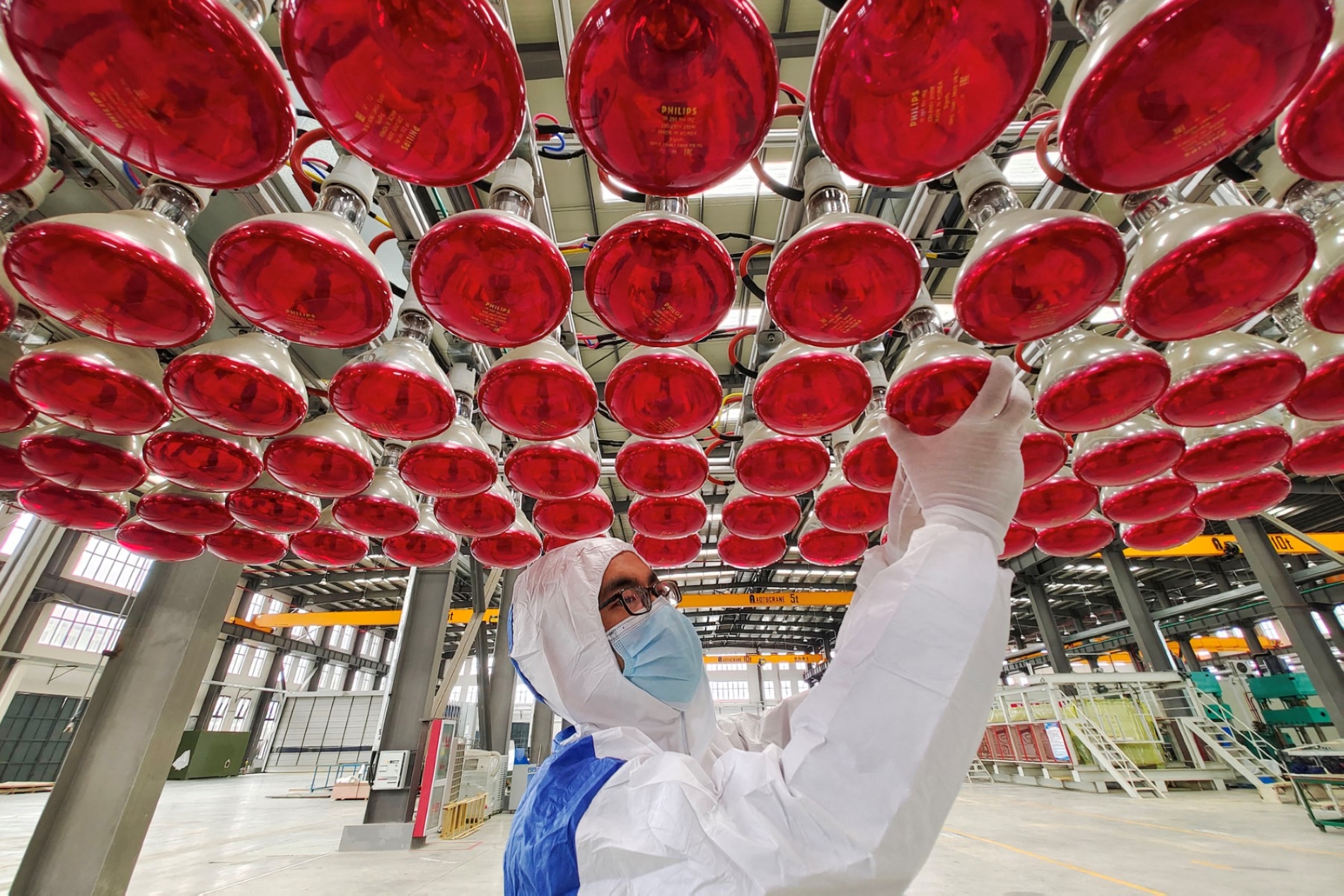
Neon, meanwhile, is best known for its vivid glow in signage and lasers, but in liquid form it also serves as a coolant in cryogenic systems. Argon is used to fill incandescent and fluorescent light bulbs, support spectroscopic analysis, preserve food in packaging, and weld stainless steel. In medicine, liquid argon is used in cryosurgery to eliminate tumours and in laser procedures to seal blood vessels.
Krypton is used in specialised lighting and in the propulsion of certain rocket engines. It also powers high-precision instruments, including Geiger counters and scintillation detectors. Xenon is valued for its use in medical anaesthesia, high-intensity white lighting, and surgical lasers. Groundbreaking research in 2023 highlighted its potential in treating post-traumatic stress disorder (PTSD) by targeting receptors in the brain. Radon is used in small amounts for radiotherapy in cancer treatment.