Eventually, with enough elected Libyans at the local level pushing for national-level change, they will stand a better chance of challenging the status quo, as it seems unlikely to come from the top.
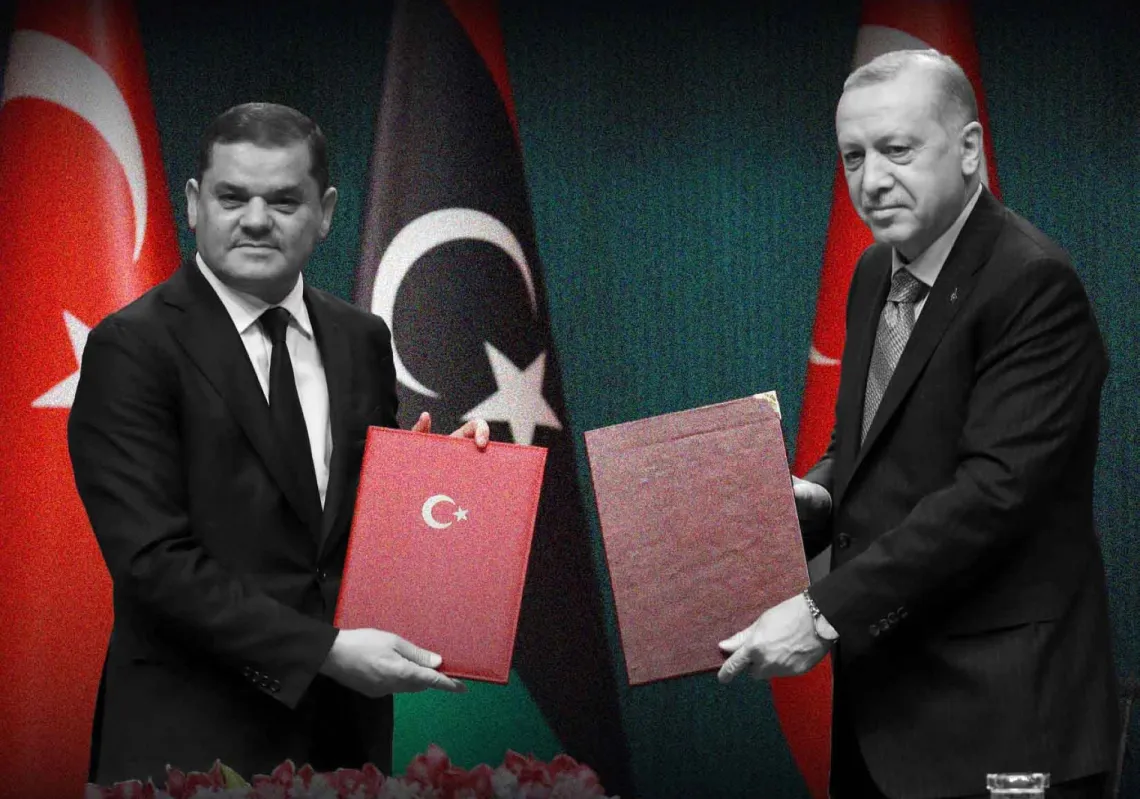
Türkiye's 2019 agreement with Tripoli on maritime boundaries and exclusive economic zones in the Mediterranean irked Athens at the time. The idea that Tobruk may ratify it has set off Greek alarms.
Libya's former foreign minister, based in the country's east, says political decisions are no longer Libyan, as he recalls several missed opportunities since 2011.
A kleptocracy with frozen politics and billions missing from the public treasury, the situation couldn't be worse. Trump could apply pressure to help matters, but it's not his top priority.
Israel wants the total dismantlement and scrapping of all Iranian nuclear facilities, just like in Libya two decades ago. That is unrealistic for several reasons.
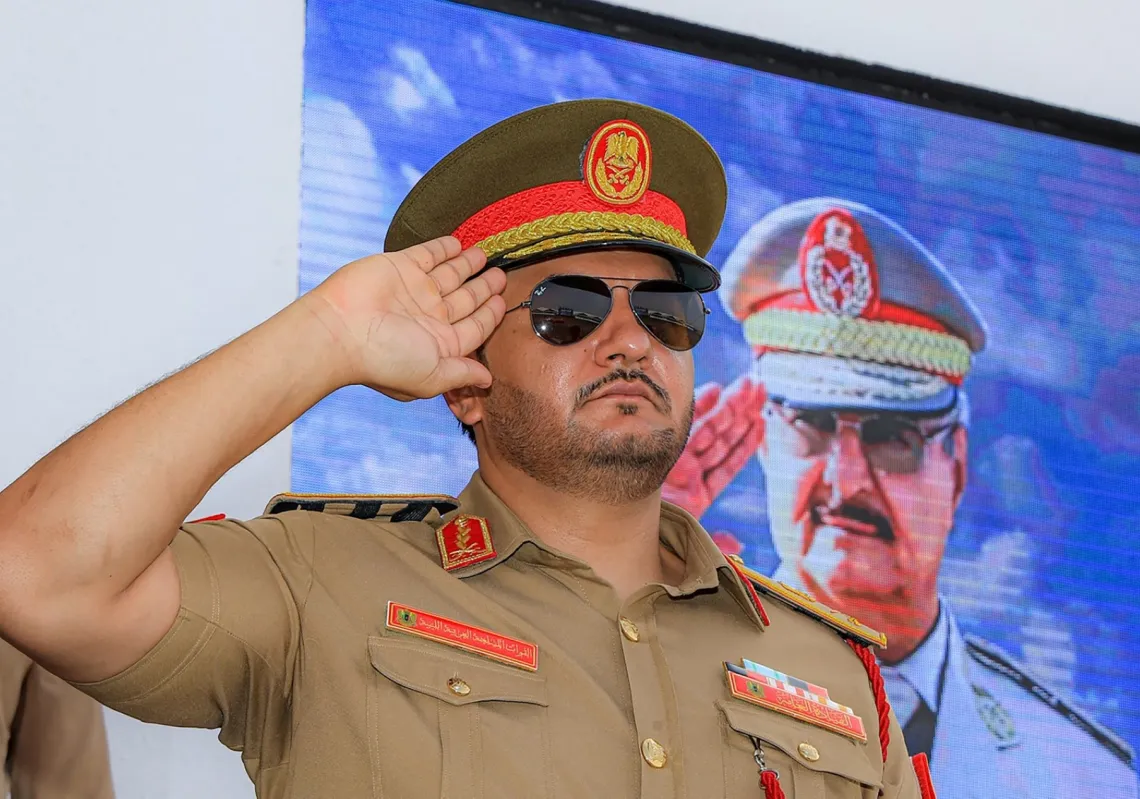
While he never underwent any real military training, he has been crucial to his father's bloody power struggle. He is now being backed by a range of powers to be Libya's next leader.
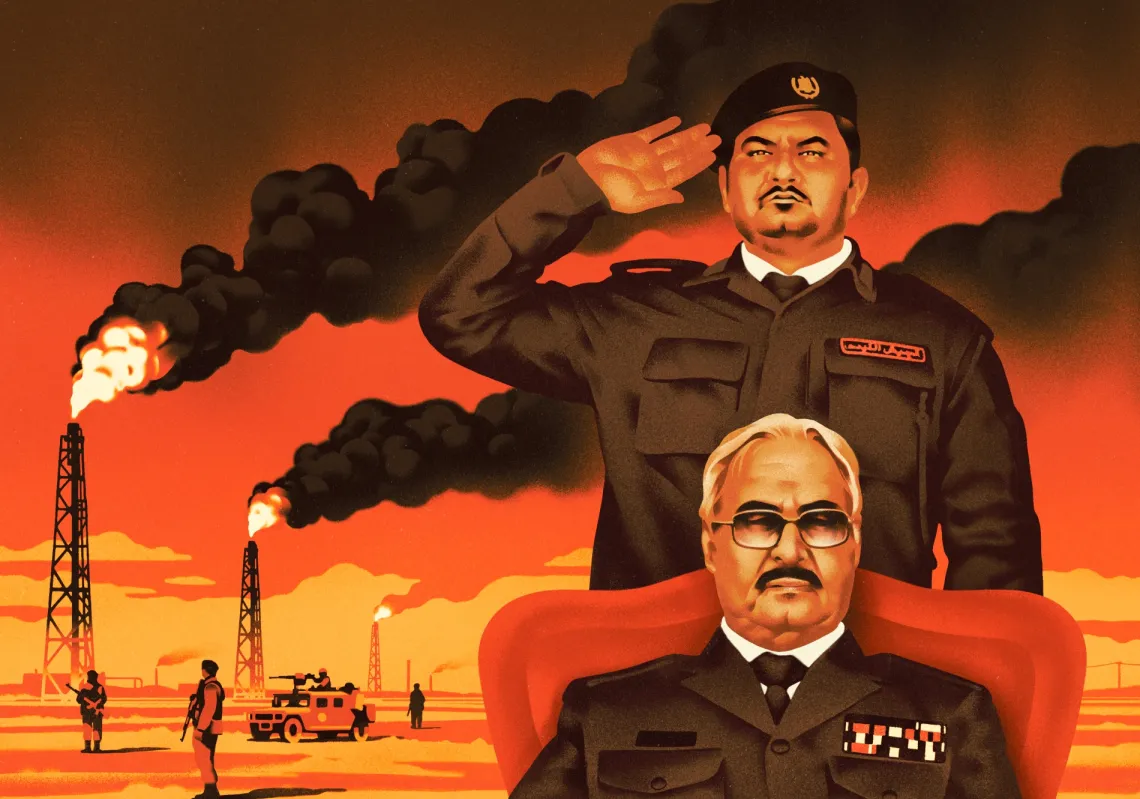
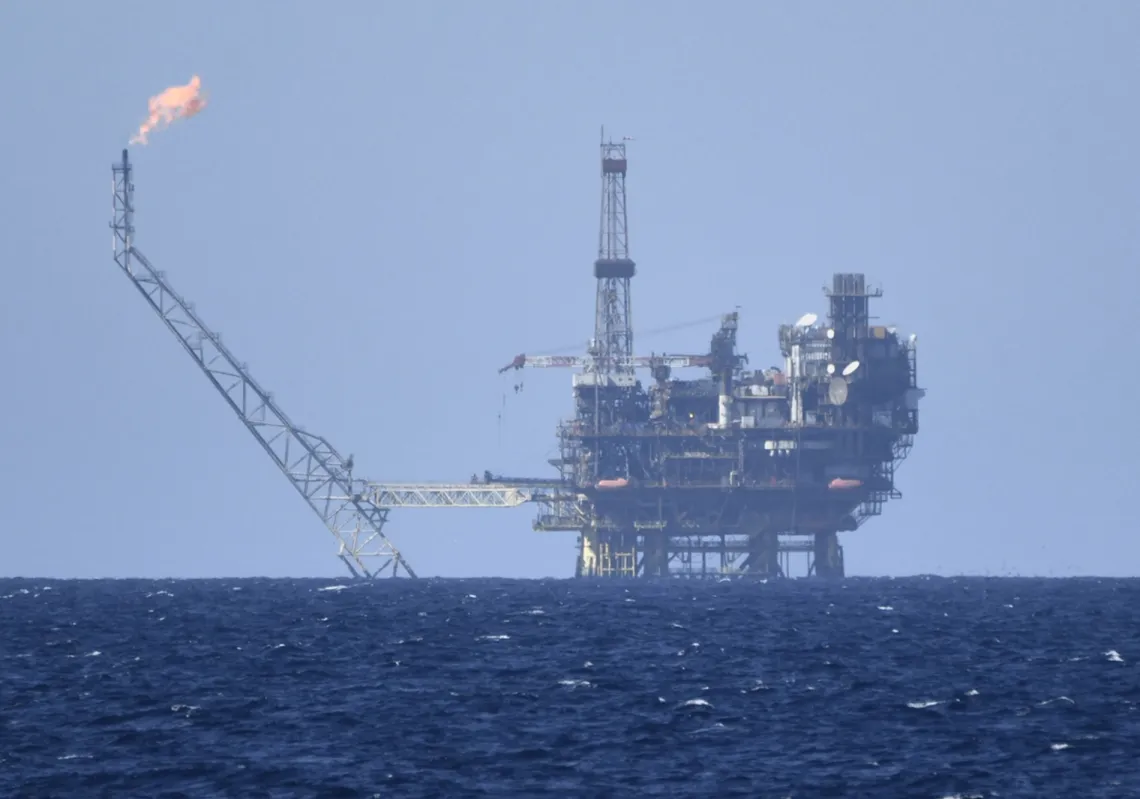
Instead of civil war between armed groups, a new kind of war is being fought over Libya's vast wealth—especially control of the central bank and oil production
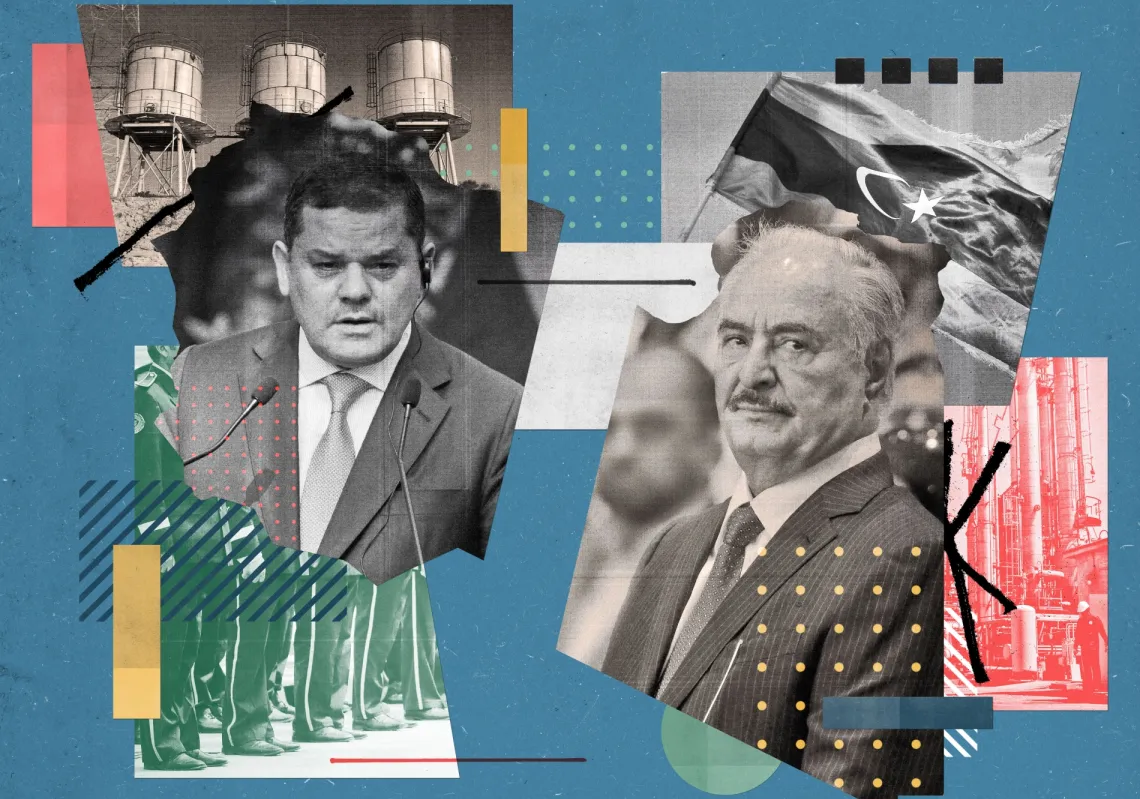
A fight over the nation's piggy bank is emblematic of the squabbles and elbowing since Gaddafi. In one of the world's most heavily armed yet least secure states, a central banker must be on guard.
No stranger to rivalries, the governor of the Central Bank of Libya is technocrat who has had to develop his political wiles, most recently clashing with the prime minister. Is this the next Gaddafi?
What was cutting-edge in 2000 now sits in museums. From wires, dial-up, and fax paper to the world in the palm of your hand, tech empires have risen and fallen in just a generation.
An axis comprising Israel, Ethiopia, and Somaliland appears to be emerging, which has the potential to polarise the Horn of Africa and rapidly accelerate its militarisation
Some stories tackled contemporary life—its realities, tragedies, and evolving conditions—while others turned to the past as an escape, critically distancing themselves from present crises