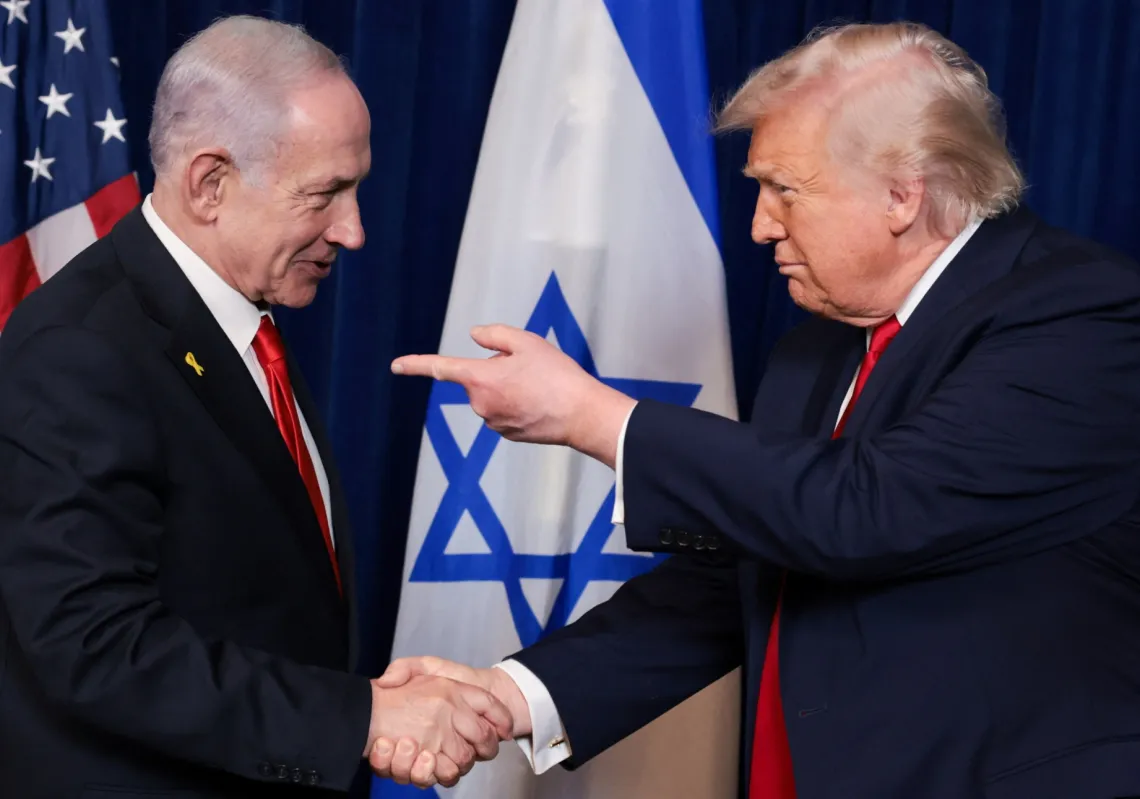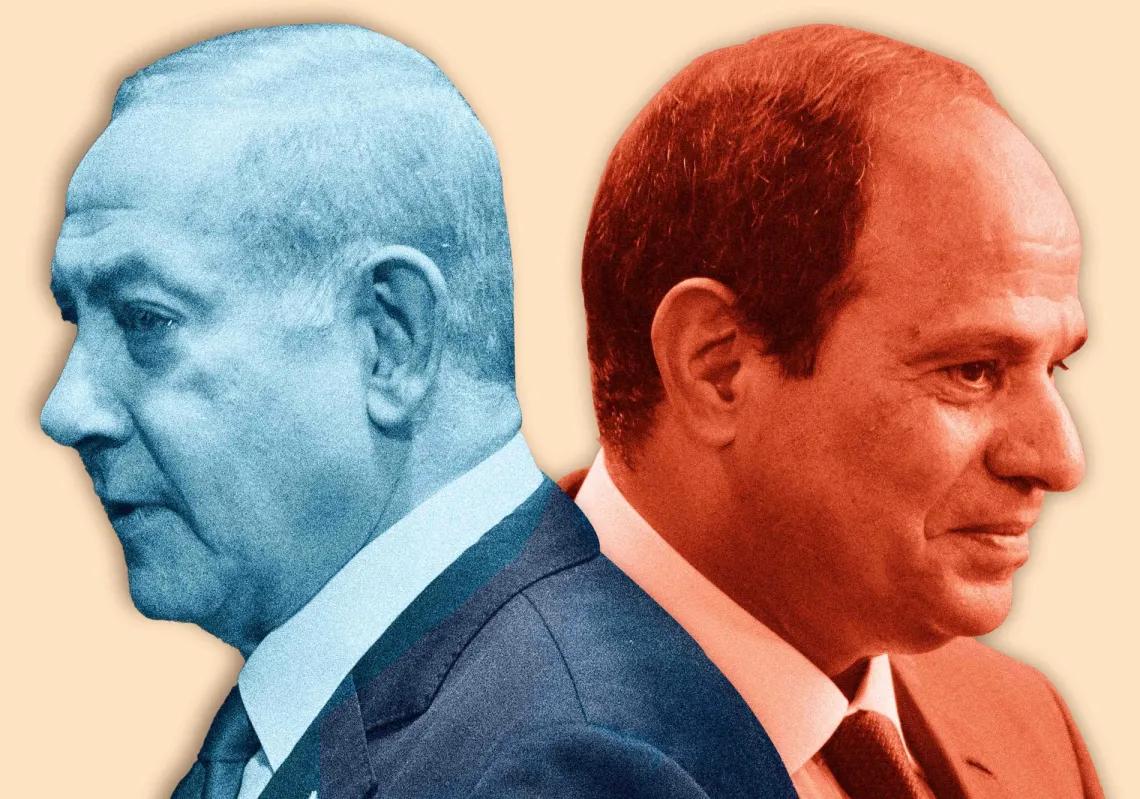
Trump and Netanyahu disagree on whether to use military force to stop Iran's nuclear programme, and Israel's punishing attack on Iran places the region on a worrisome trajectory
While Israel's attack dealt a severe blow to Iran's military and nuclear infrastructure, the long-term impact remains uncertain as Tehran's potential for retaliation introduces new risks
Each side's actions carry risks of misjudgment, miscalculation, and the possibility that the conflict could escalate beyond the planned declared limits
An Israeli presence at the entrance of the Red Sea would alter the regional balance of power, extend the Abraham Accords alliance, and project its military influence into the Indian Ocean
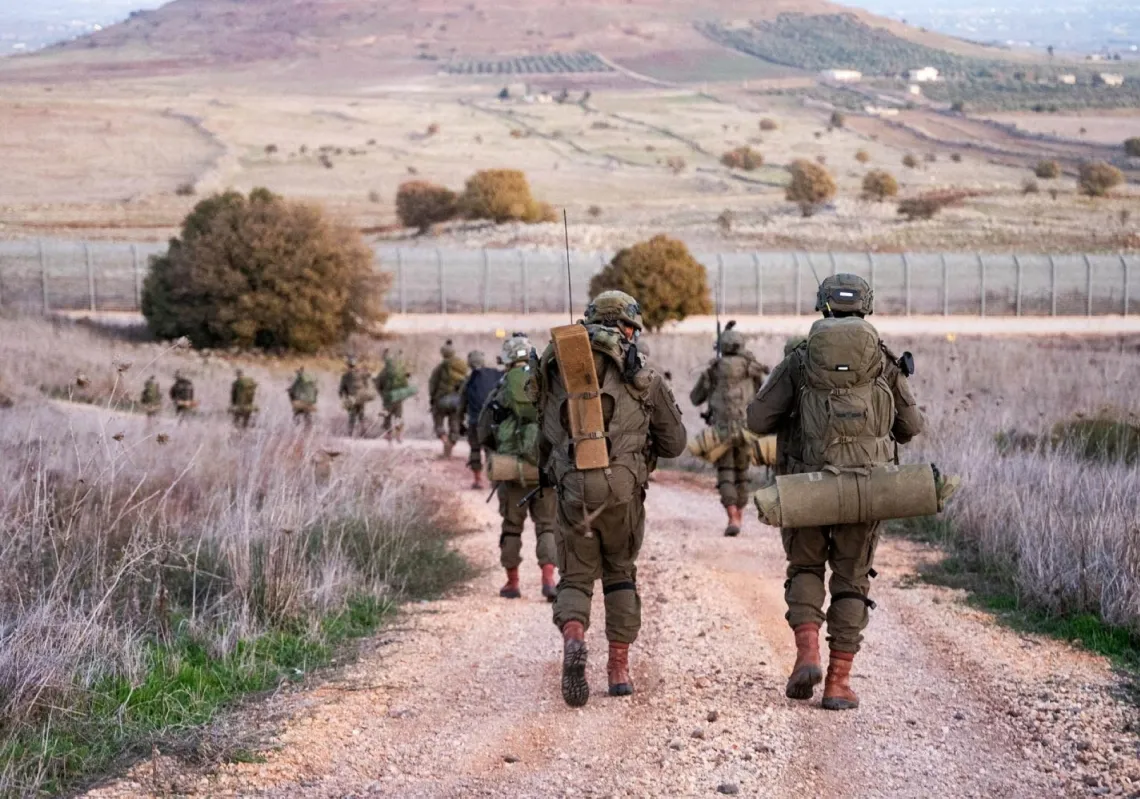
It is both incoherent and self-defeating to hold al-Sharaa's government accountable for attacks while simultaneously obstructing its ability to govern and restore order in southern Syria
Donald Trump's Middle East envoy Steve Witkoff drafted a document outlining the main points for a 60-day ceasefire in Gaza. Al Majalla publishes it in full, alongside the response it got from Hamas.
Khamenei has struck a defiant tone amid growing protests against his regime, but a series of regional setbacks, coupled with an emboldened Trump, could finally bring it down
Overcoming Yemen's fragmentation requires more support for the Riyadh-led path—one that rejects secession, all militias and institutionalises the state
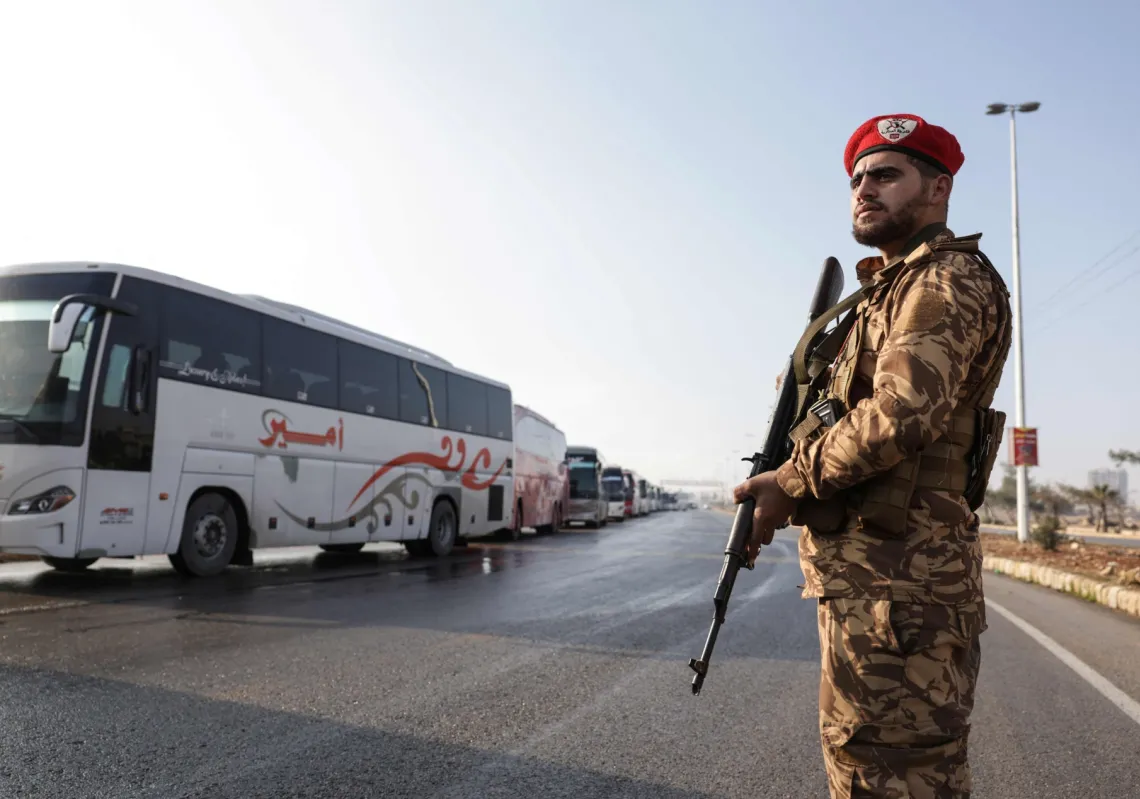
If fighting spreads beyond the predominantly Kurdish neighbourhoods of Ashrafieh and Sheikh Maqsoud and beyond Aleppo, there is a real risk that Syria could be dragged into a new civil war
Recently declassified meeting minutes between the two leaders show how Washington was well aware of Moscow's grievances over NATO expansion, but went ahead anyway