While the Middle East has a track record of leaving conflicts unresolved, could this chapter be one that could reshape history and break with past patterns of conflict resolution?
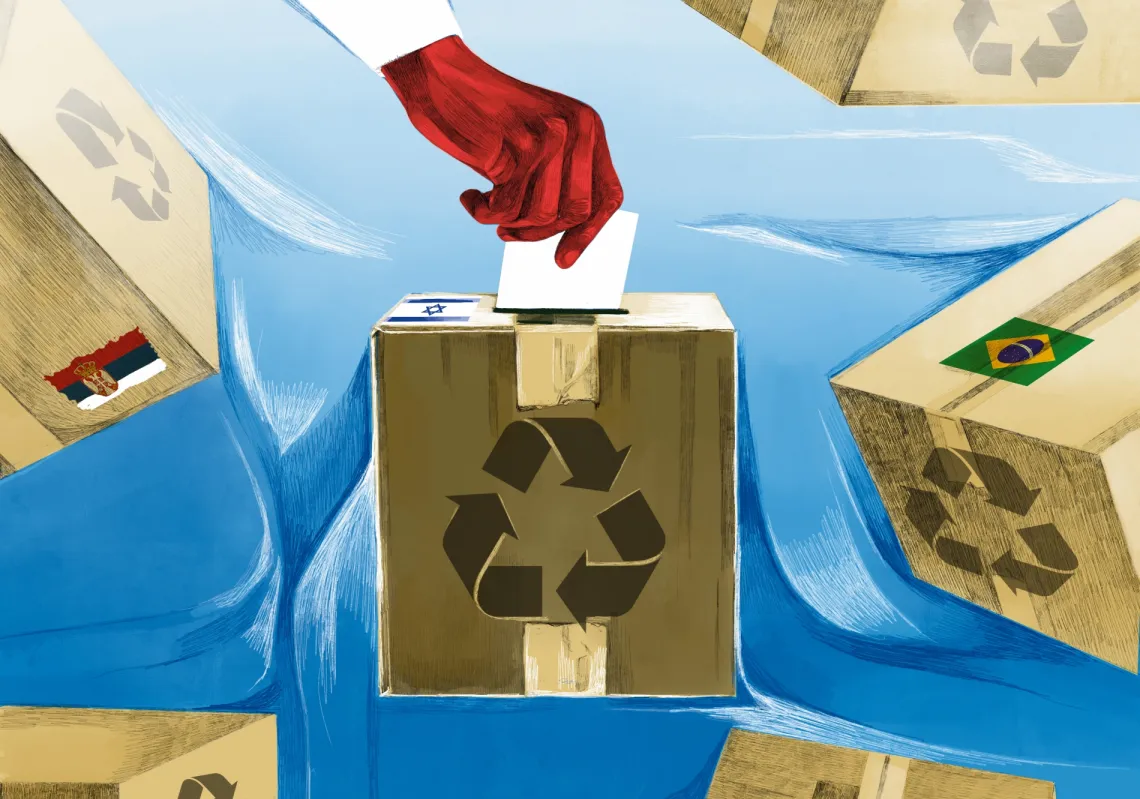
History has proven that cutting separate peace deals with Israel has not led to a comprehensive and lasting peace for the region. The potential of a Saudi-Israel normalisation opens a new door.
Erdoğan must carefully weigh his supporters' deep emotions toward the Palestinian cause with the realpolitik benefits of improved relations with Israel.
Russia's credibility in the region was diminished by its backing of the Syrian regime, so it has limited cards to play. But Moscow stands to benefit from Western distraction in its war on Ukraine.
US warships have been deployed to the Middle East for nearly a century. As the USS Gerald R Ford arrives in the region, Al Majalla revisits the list of 'presidential' destroyers in Arab waters.
Hamas's surprise offensive has hit Israel with its third great surprise of a long-running conflict, and political change will follow, just like after the October War and the Intifada.
Reconciliation with Iran should be viewed with great caution as the Gaza war offers a snapshot of the dangers of peace. The US can do more to assure Gulf allies in this evolving regional landscape.
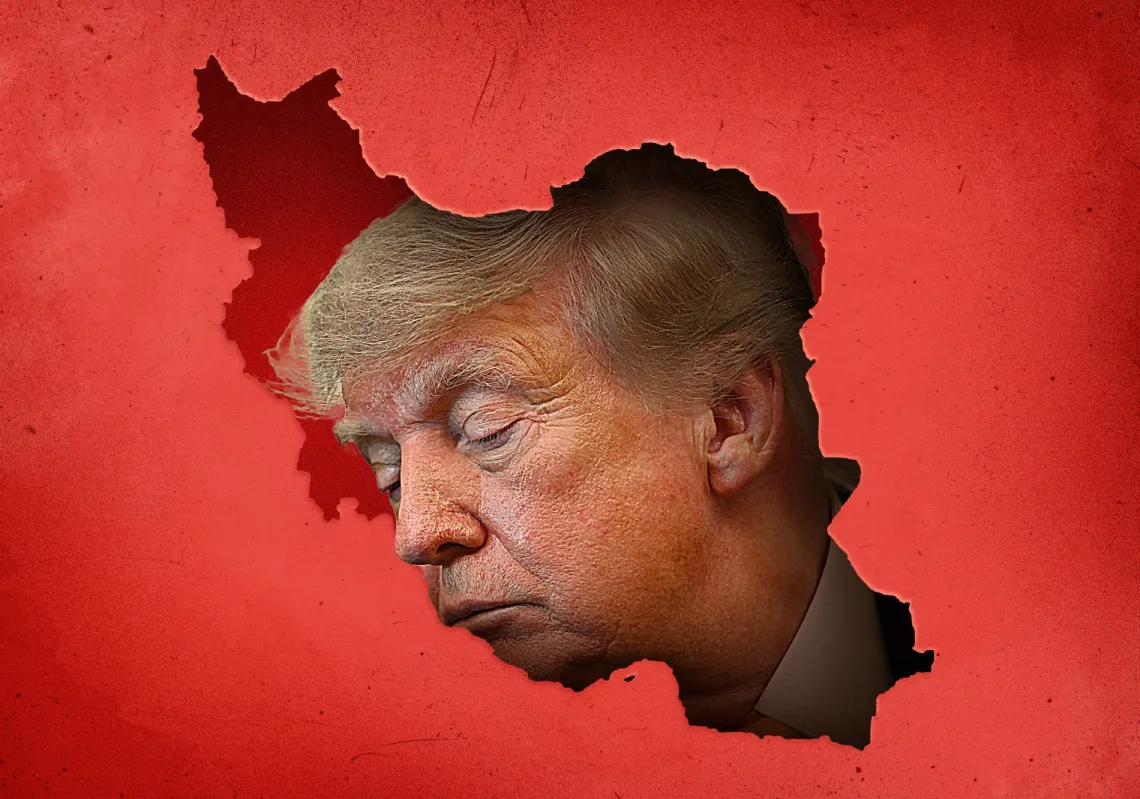
Both Tehran and Washington have powerful incentives to resolve the conflict through negotiations, but actors on all sides have reasons to derail these efforts
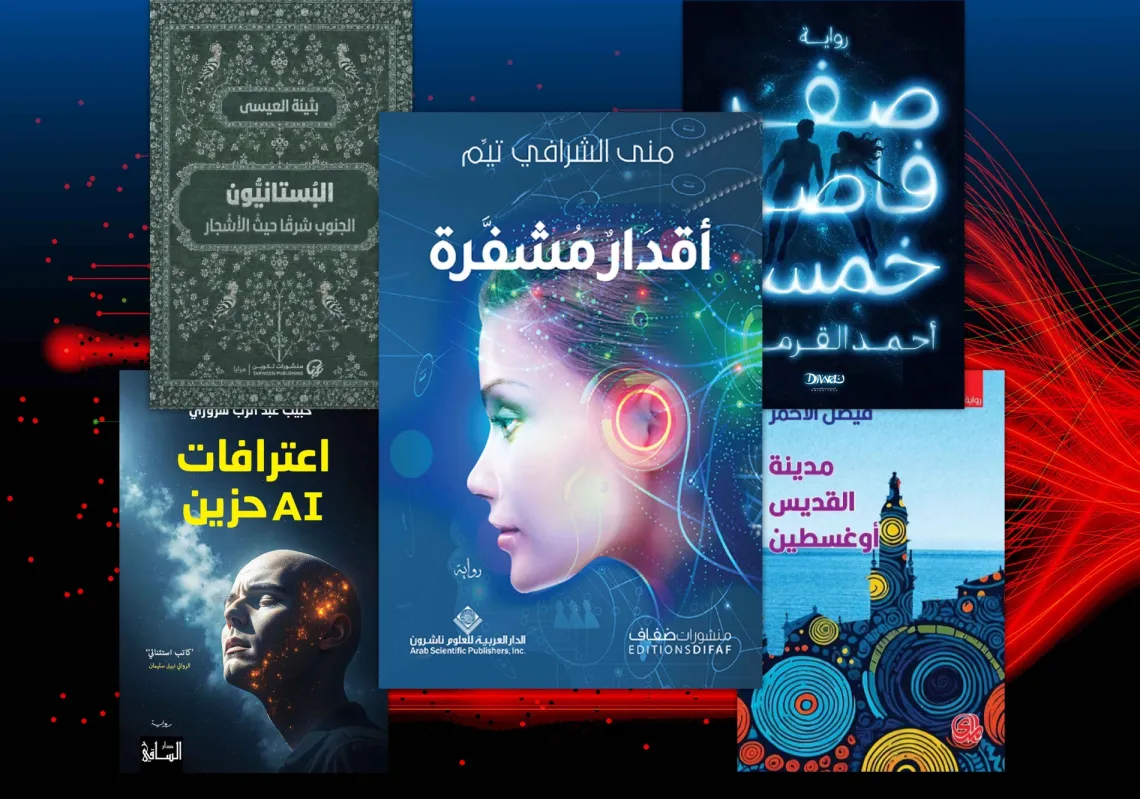
From machines that develop human emotions to societies governed by artificial intelligence, Arab novelists explore the promises and perils of a radically transformed future