After Israel dealt Iran and its regional axis a string of crippling blows last year, Lebanon now finds itself better-positioned to reclaim its eroded state sovereignty. Will it grab the chance?
Lebanon's president and prime minister have a big decision to make: whether, and how, to use the army to disarm Hezbollah. Today's army can be trusted, but its task must be well thought through.
US envoy to Syria Tom Barrack used his latest visit to Beirut to deliver what was, in effect, an ultimatum to the Lebanese government, though he took care not to present it as such
Lebanon's president and prime minister have a big decision to make: whether, and how, to use the army to disarm Hezbollah. Today's army can be trusted, but its task must be well thought through.
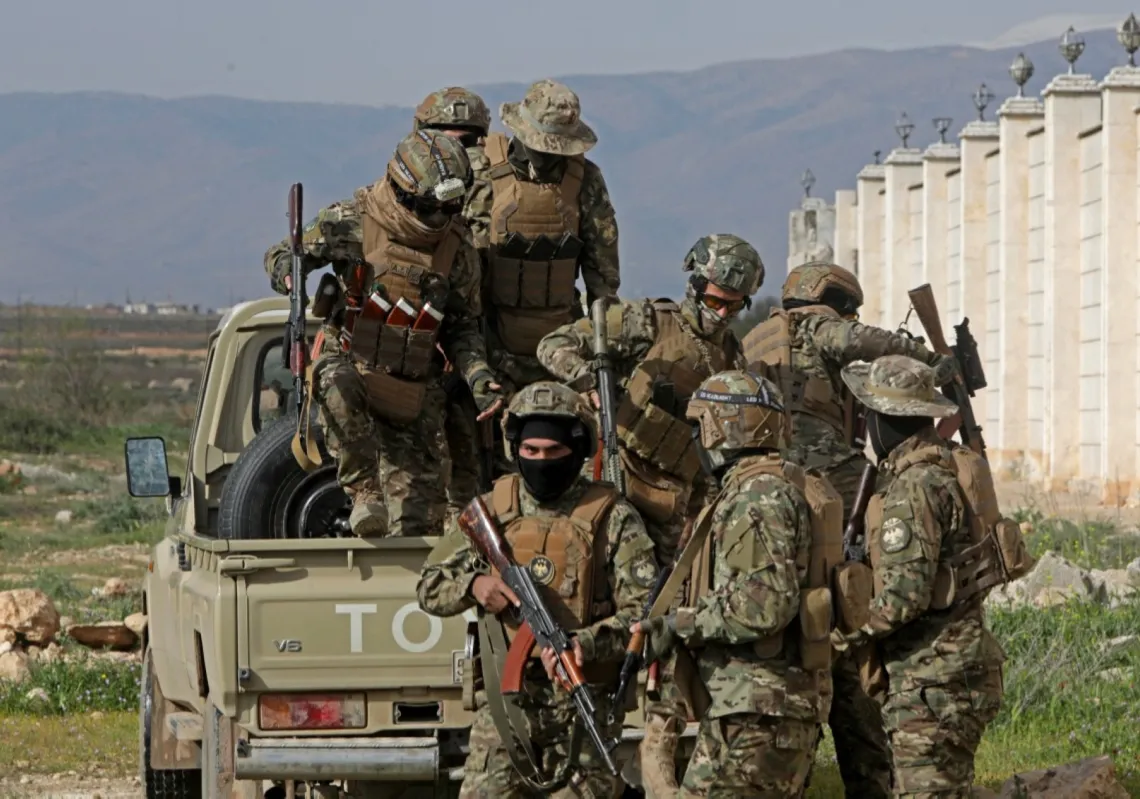
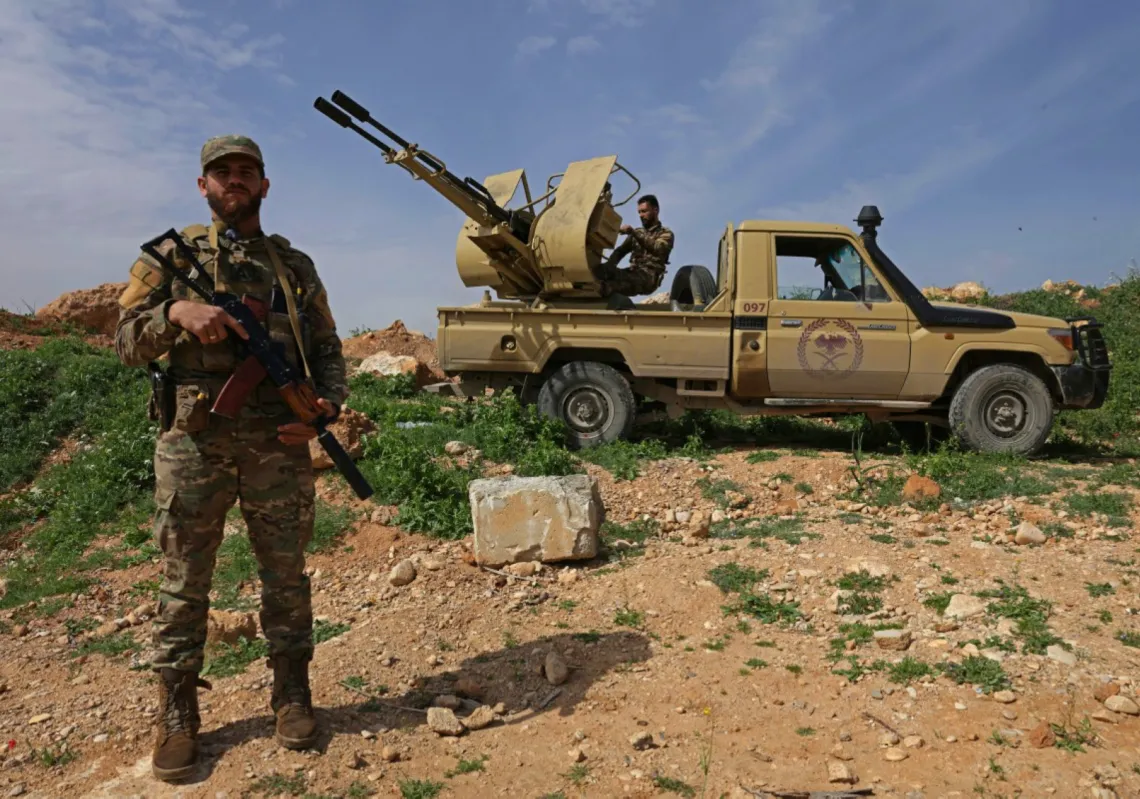
HTS's recent overthrow of the Assad regime recalls the key role militias played throughout history—from Sudan's recent civil war all the way back to the American Revolution. Al Majalla explains.
After suffering a huge blow militarily, Hezbollah is now forced to show political flexibility. By backing Aoun, it tried to position his win as a victory over Israel's preferred candidate, Geagea.
There is suppressed anger within Hezbollah's support base over delayed compensation, with the party now suggesting that the onus rests with the Lebanese state
The US is poised to use Israeli gas as a lever to keep Iran on the backfoot following its regional setback, and it could even use it to undercut Russia's economy
Washington seems to have changed its tone after the RSF committed atrocities in October, putting increasing pressure on the foreign backers of a paramilitary that now controls Darfur. What next?