Hezbollah's debilitation presents a perfect opportunity to shape Lebanon's political dynamics by turning the army into a better-equipped and more effective US security partner
From Gaza to Lebanon and Syria, this is the story of a year of tumult and surprise which has reshaped the region and echoed through global affairs. And Trump's return means more uncertainty ahead.
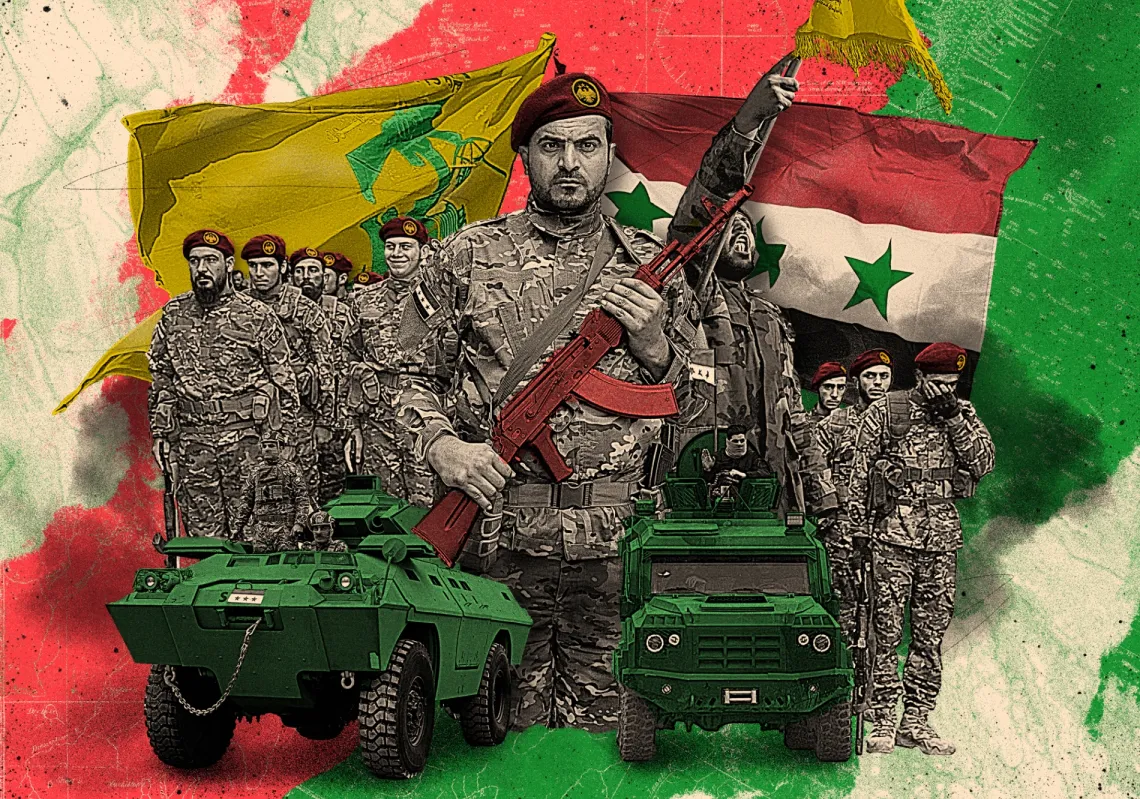
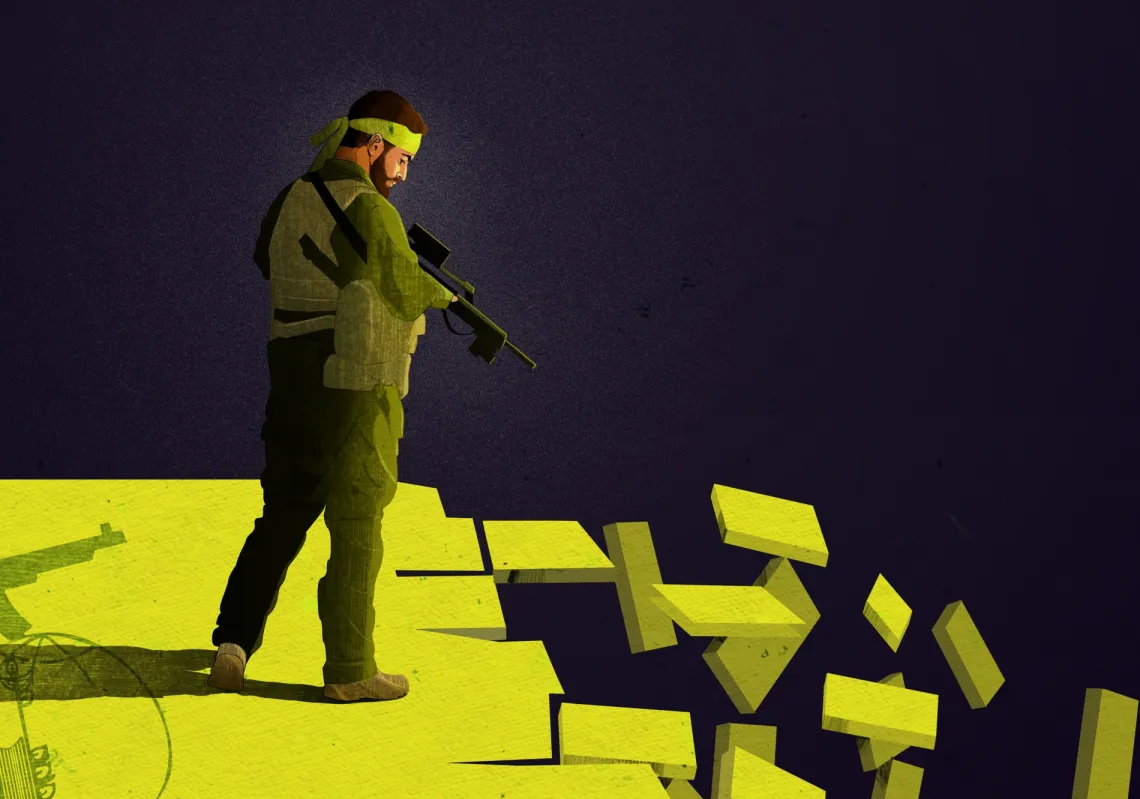
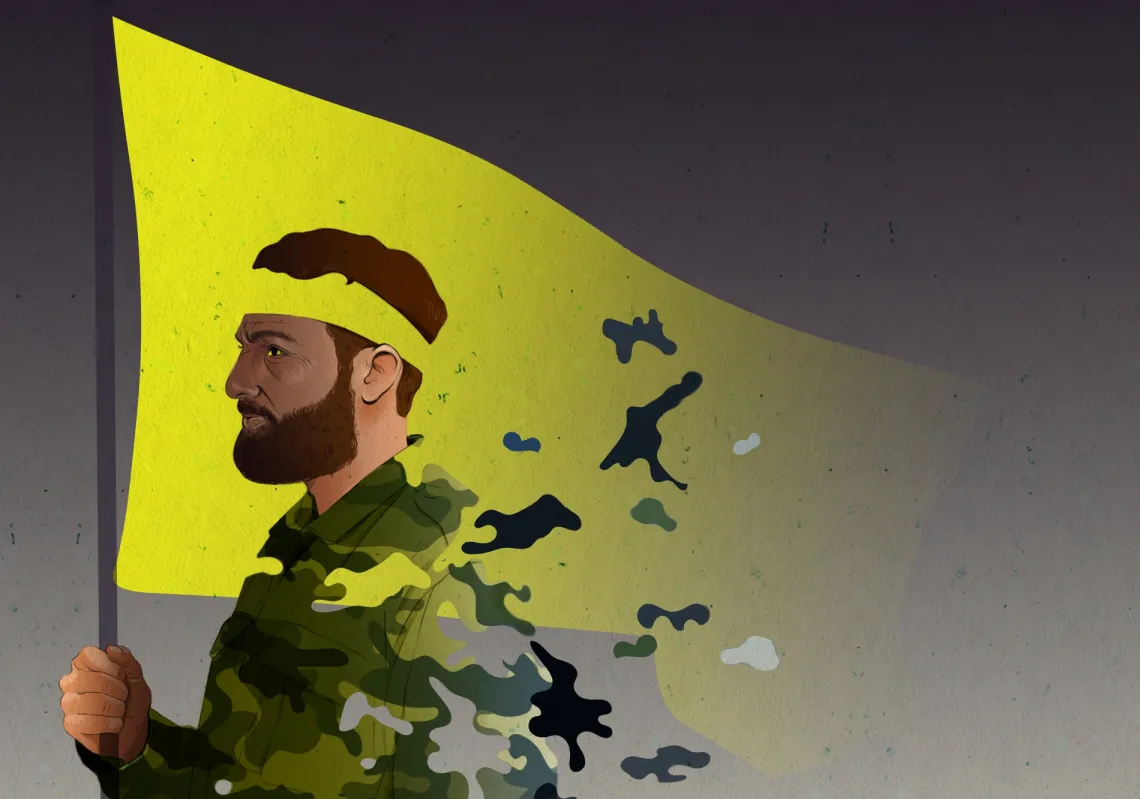
Sources of cash are drying up as front companies and drug production lines are dismantled and supply networks and smuggling routes are compromised. Iran is also questioning its funding of the group.
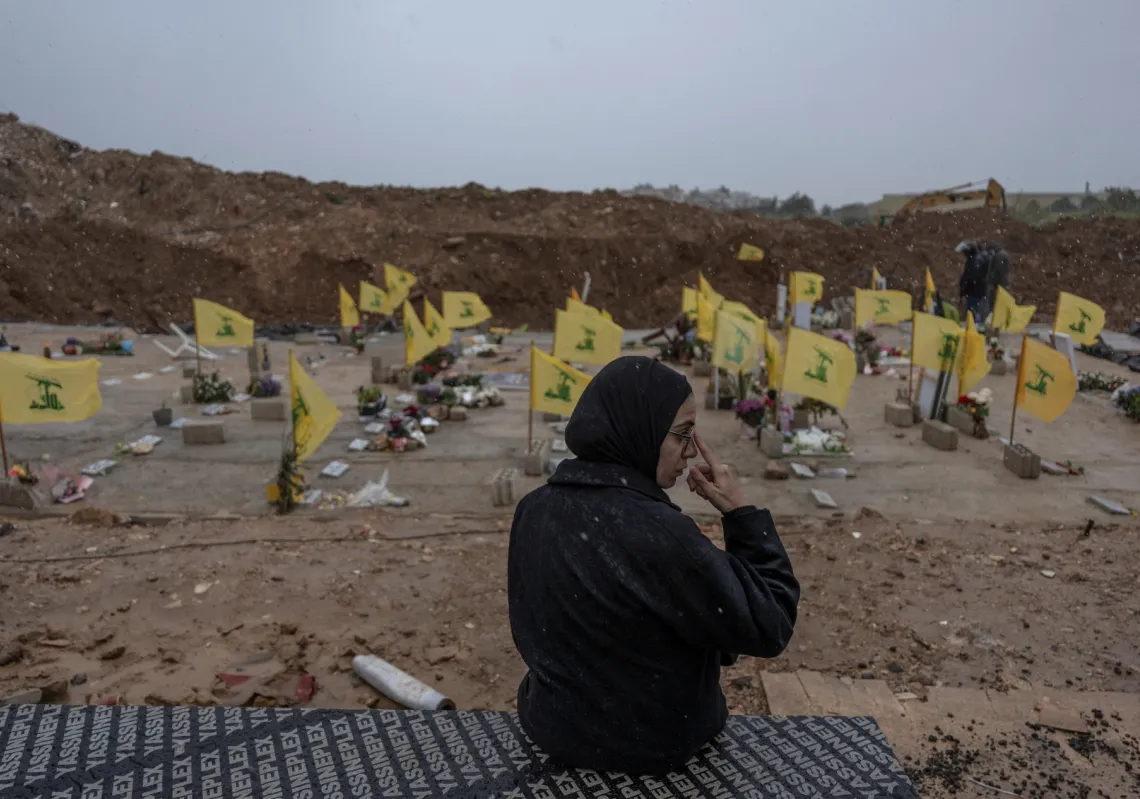
There is no state help, and many cannot yet return home. For those who can, the devastation is almost too much to bear. Still, thousands fly the flag and tell images of Hassan Nasrallah that they won.
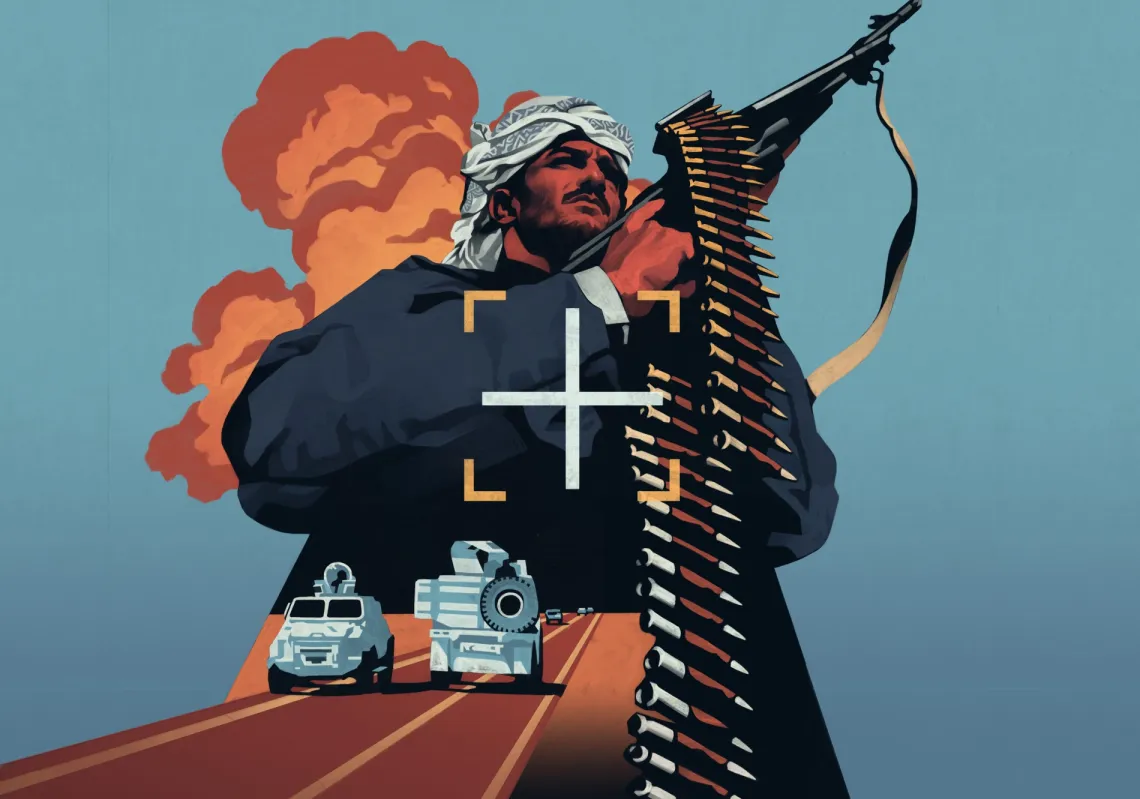
With both internal and external security threats, plus a ceasefire agreement that leaves more questions than answers, the Lebanese Armed Forces seems trapped between a rock and a hard place
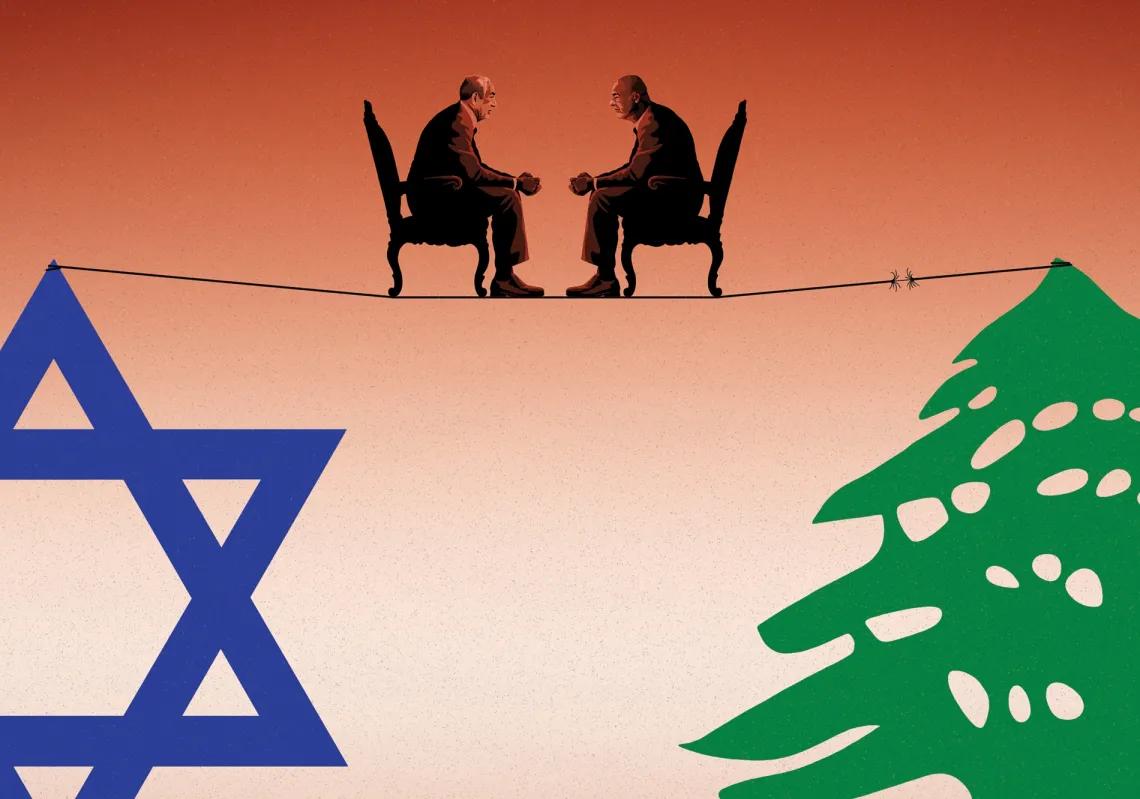
Putting Lebanon back on the path of statehood and economic recovery is not only an urgent necessity for the Lebanese but also a step toward building a more peaceful and prosperous Middle East
A surprise offensive by the Turkish-backed HTS came after Israel warned Damascus it would pay a 'heavy price' if it keeps arming Hezbollah. How might Syria's stakeholders respond? Al Majalla explains.
What was cutting-edge in 2000 now sits in museums. From wires, dial-up, and fax paper to the world in the palm of your hand, tech empires have risen and fallen in just a generation.
An axis comprising Israel, Ethiopia, and Somaliland appears to be emerging, which has the potential to polarise the Horn of Africa and rapidly accelerate its militarisation
Some stories tackled contemporary life—its realities, tragedies, and evolving conditions—while others turned to the past as an escape, critically distancing themselves from present crises