Erdoğan must carefully weigh his supporters' deep emotions toward the Palestinian cause with the realpolitik benefits of improved relations with Israel.
Ankara has balanced its membership of Nato with a need to maintain relations with Russia, since clearly calling out the war in the early days. It has worked so far, but will have to keep at it.
Al Majalla takes a comprehensive look at Erdoğan's domestic and foreign policy agenda and challenges following his election victory. Which policies continue and which have changed?
Suggestions that Erdoğan's long rule has reinvigorated the idea of reviving the Ottoman Empire are misplaced, as is speculation over calls for a broader Muslim state.
A much-watched video from the opposition candidate for Turkey's presidency highlighted the challenges faced by the Alevi minority, as well as their growing political potential, in a close-fought race
The default assumption voiced repeatedly by both Western diplomats and Western journalists in recent months had been that Turks and the West both "want him [Erdogan] out"
These could be the last elections in the country if its president wins again, according to the influential advisor, pundit and journalist. Democracy itself and the Kurdish issue are the main factors.
Israeli media have painted the "defeat of the Kurds" as a win for Türkiye, while Israel's military worries that this may carry negative implications for its presence in the Golan
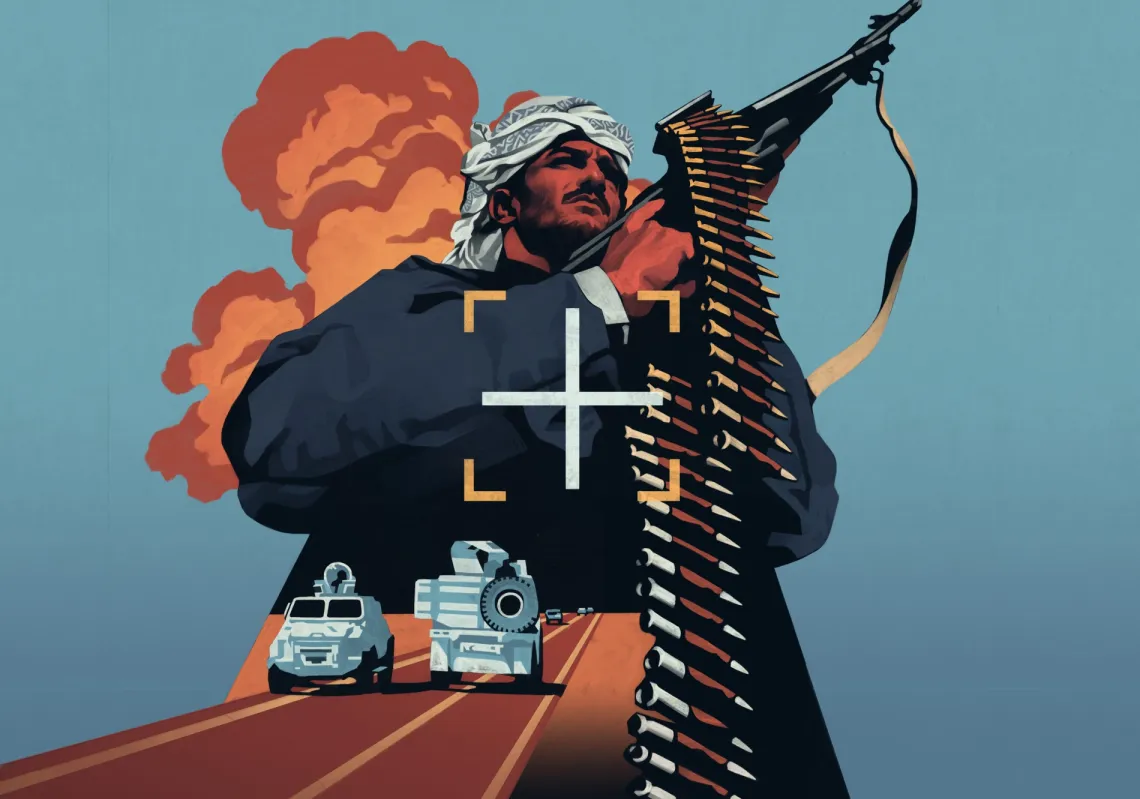
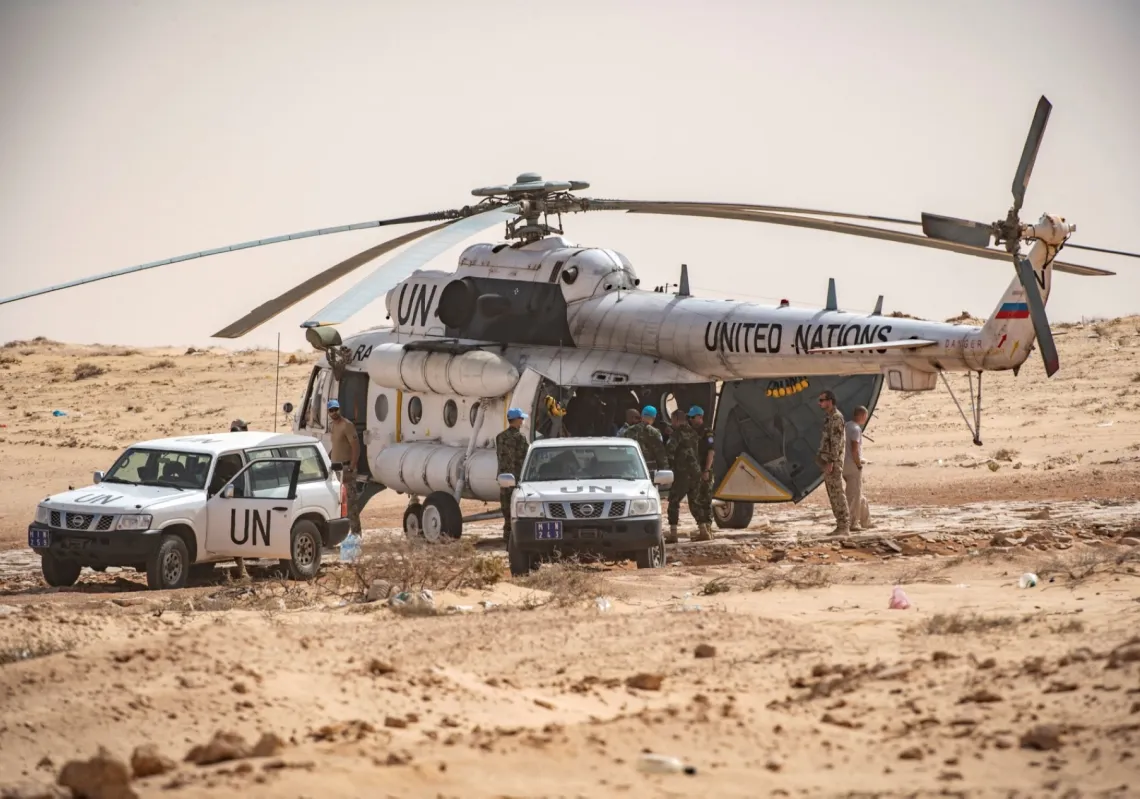
From Yemen and Syria to Sudan and Libya, there is a concerted effort to reassert state authority and thwart moves toward the proliferation of quasi-states and fragmentation
For Cairo, stability in its southern neighbour is a national security issue. After almost three years of seeking a diplomatic solution, there are signs that it is now turning to firepower.