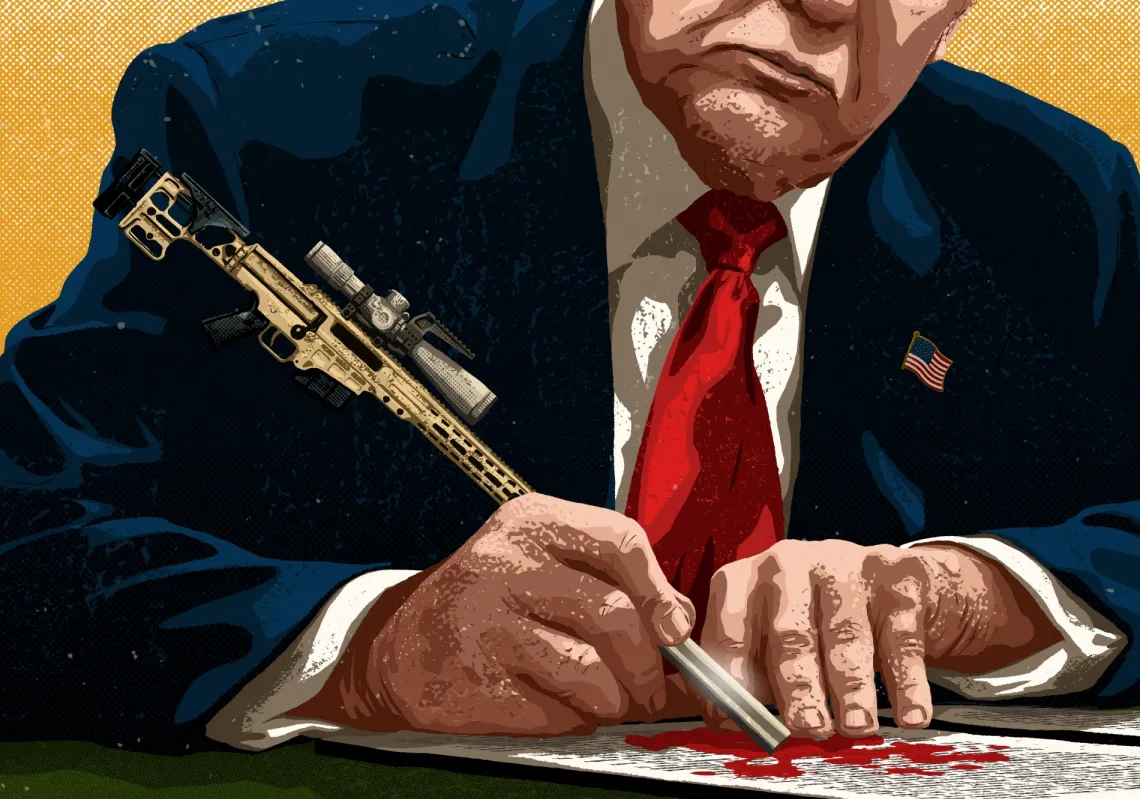
Military strategists have long warned that war should be waged only if those waging it know what they want to achieve. Herein lies a problem: Washington's war aims in Iran are incoherent.
Quick, in-and-out precision operations that inflict maximum damage with minimum US casualties have long been a favoured tool of US presidents. Is Trump planning one for Iran?
Tehran isn't likely to easily fold if/when Trump attacks. This means that the longer a military confrontation drags out, the more untenable Washington's position becomes.
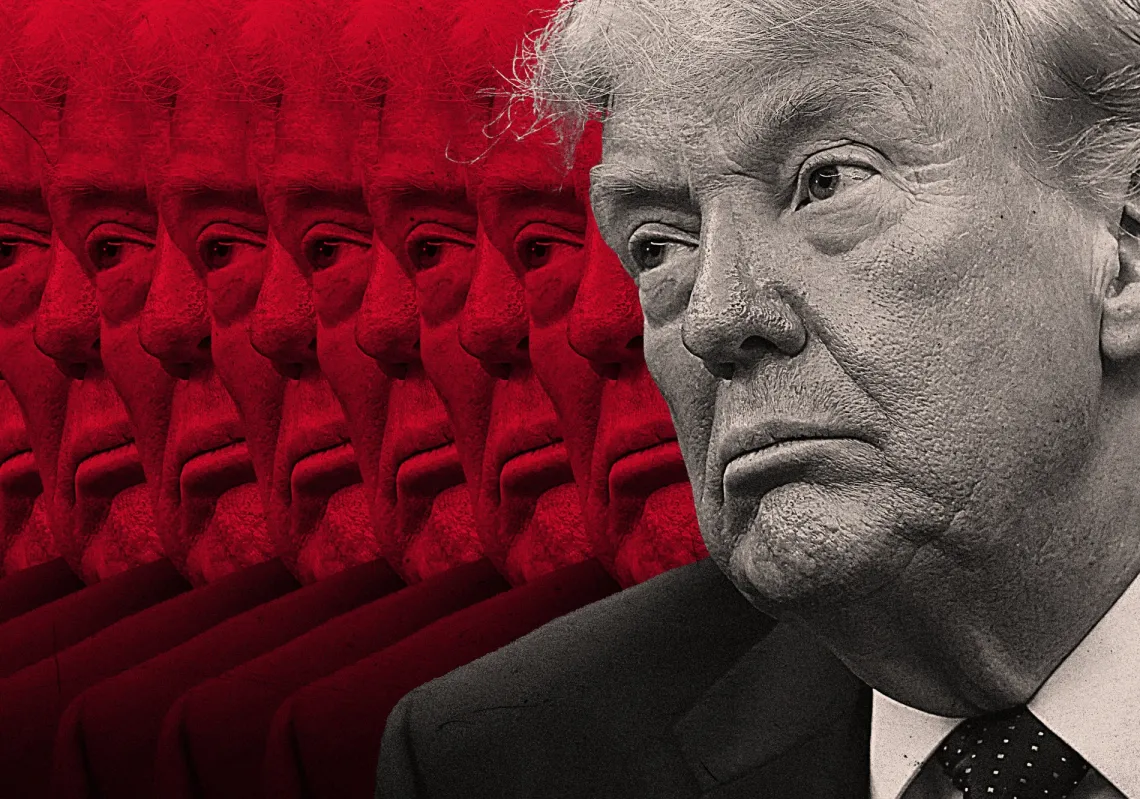
Trump will be wondering if a military confrontation with Iran would help or hurt his dwindling popularity at home, making his decision to strike one of the riskiest bets of his presidency
The transfer of sovereign decision-making to external management structures would inevitably cater to the interests of contributors rather than the Sudanese people
As the US and Iran head to talks in Geneva, competing forces are pulling Trump in opposite directions. There are only two "good" scenarios in front of him, and neither will be easy to achieve.
A US envoy wants the institutions of western Libya to accommodate the son of an eastern warlord as Libyan president. Is this another doomed effort to unite the feuding factions, or could it work?
A forgotten lecture by the renowned Italian writer at the University of Bologna in 2008 traced the history of hatred through language, myth, and imagination, all of which still apply today