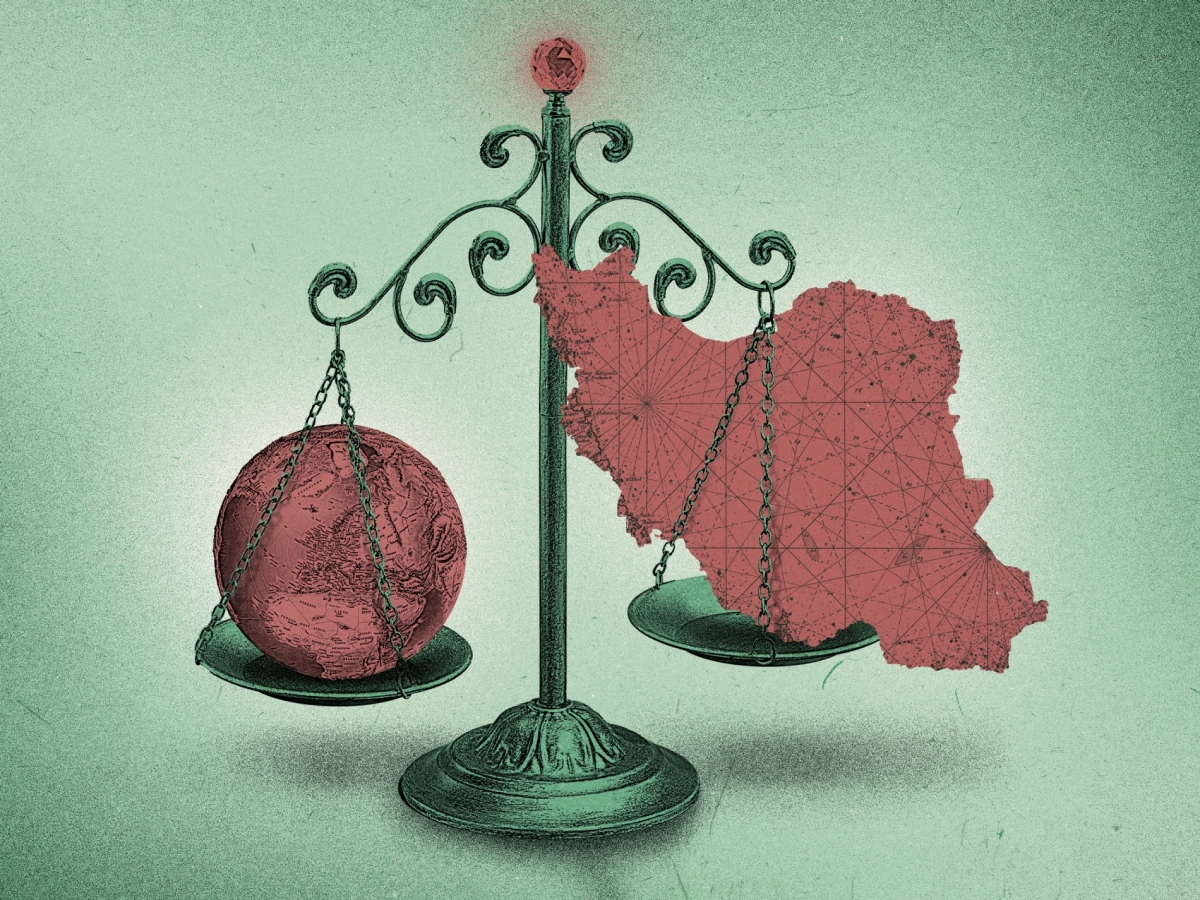
Is multipolarity helping or hindering Iran?

A bit of both. It enabled its rise as a regional power, then helped weaken it, and may now help prevent its complete defeat.

Al Majalla

Is multipolarity helping or hindering Iran?

What’s the connection between the global move towards multipolarity in recent decades and the Iran conflict today? Israel and the US have been enemies of the Islamic Republic since the 1979 Revolution, so perhaps it’s unsurprising that tensions have finally erupted. However, in past eras, direct conflict was largely avoided, with war waged by proxy instead. Of course, the Iran war has a host of origins, but one that is often overlooked is the changing global and regional balance of power.

Realist International Relations scholars have long argued that the balance of power, both worldwide and in a particular region like the Middle East, plays a significant role in constraining or facilitating conflict. As global multipolarity has reduced Washington’s capacity and appetite to police the Middle Eastern order, regional powers have gained greater freedom to pursue their own agendas.

The global move to multipolarity in recent years is no different, allowing both Israel and the United States to be far more confrontational with Iran than in the past. There is some irony here, however, as Iran initially benefitted in the 2000s and 2010s when the world order first moved to multipolarity, taking advantage of growing caution from the United States. Yet today it is on the receiving end of changes brought about by the same phenomenon.

The post-Ottoman Middle East has historically been multipolar. The division of the region by colonial powers left a collection of medium-sized states, many with powerful assets like large populations, militaries or economies, but none with enough to dominate the region in the way that, say, the US dominates North America, or China does East Asia.

Yet because of its strategic and economic importance, the region attracted superpower interest, meaning that the Middle East’s multipolar balance of power was contained, to an extent, by the global balance of power. For example, during the Cold War, when war broke out between Israel and its neighbours, both sides looked to the US and USSR to support them and, eventually, play a role in de-escalating. Similarly, during the post-Cold War unipolar era of US dominance, the US projected itself onto the region and became the established ‘hegemon’. Even states like Iran that opposed this US vision were heavily restrained by US power.

Iran’s Islamic Revolution was born into this constrained international environment. Though post-1979 Tehran was hostile to both the US and the Soviet Union, its regional ambitions were contained by the superpowers, with both Moscow and Washington backing Iraq during the Iran-Iraq War. After the war ended, the unipolar era allowed the US to build a much larger regional presence, establishing ‘Dual Containment’ to once again restrain Iran alongside Saddam Hussein’s Iraq.
Getty
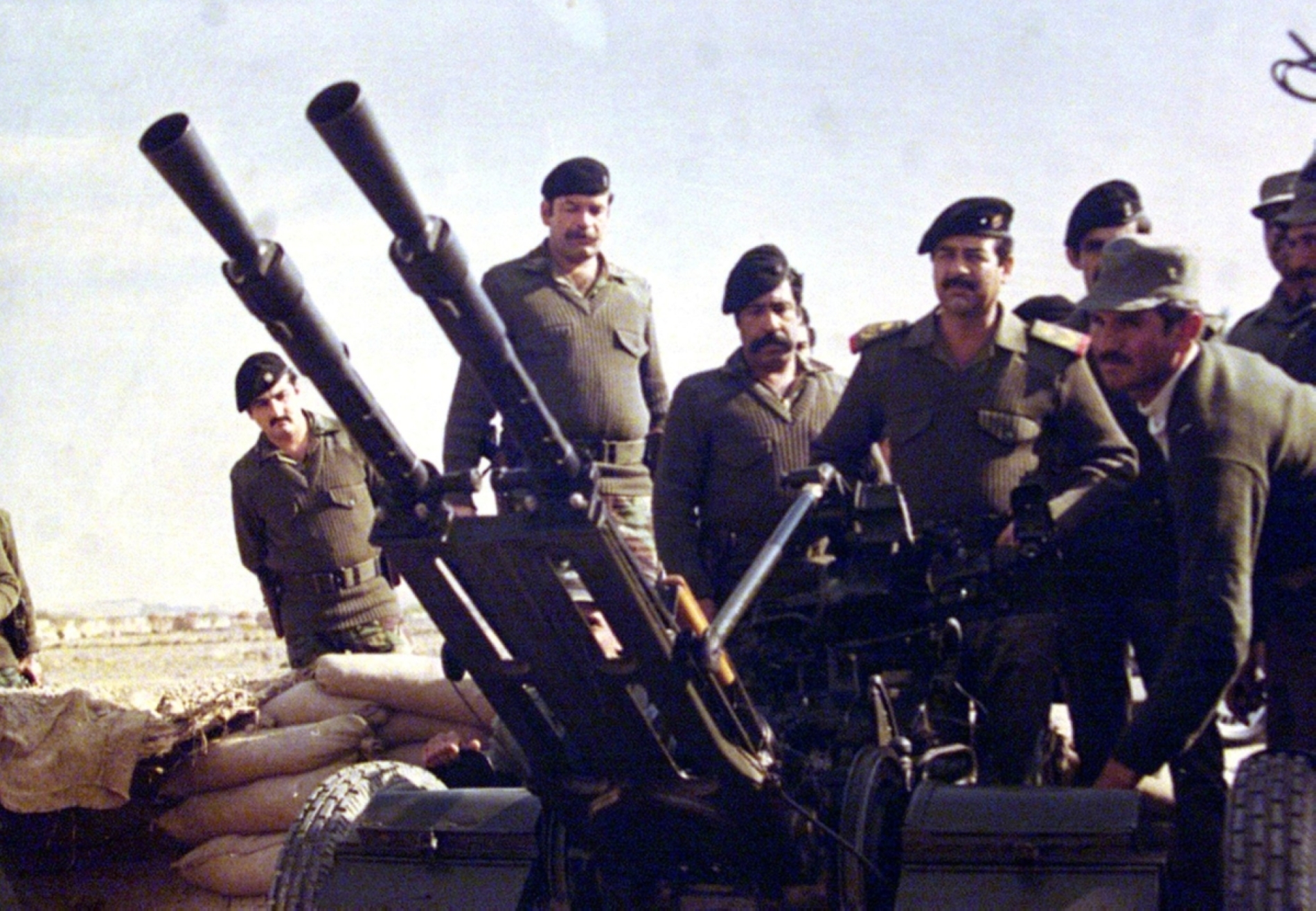
In this photograph made available by the official Iraqi presidential photographer on 26 April 2002, Iraqi President Saddam Hussein is seen at the Iraq-Iran border during the Iraq-Iran war 1980-1988.

Yet the 2000s saw a shift both globally and internationally. The failures of the ‘War on Terror’ created war weariness in the US, followed shortly by the 2008 Financial Crash and the rise of China as a realistic challenger to US global dominance. By the end of the decade, after the election of Barack Obama, the world was shifting towards multipolarity, and the US had lost the appetite to play hegemon in the Middle East.

Without external constraints for the first time in decades, the Middle East’s historic multipolarity re-emerged and Iran took full advantage. After George W. Bush generously toppled Tehran’s bête noire, Saddam, the route west was clear for the Islamic Revolutionary Guard Corps (IRGC) to expand the network of allies that became known as the ‘axis of resistance’ across the region. Iran benefitted from recognising the changing regional and global circumstances more quickly than its rivals and gained a ‘first mover advantage’. Meanwhile, US allies— the Gulf States, Israel and Türkiye—were still looking to the US to act against Iran and its allies and were frustrated when Obama was reluctant to do so.
Unlike in 2003, the US has a global rival, China. It is wary that a quagmire in Iran could benefit Beijing—draining US resources and allowing Xi Jinping to win allies.

Adjusted approach

Eventually these regional players adjusted their approach. Türkiye, the UAE, Qatar and Saudi Arabia all became more willing to deploy their own military forces and/or back their own proxies in the region as it became clear that the days of US hegemony were over. However, most came to accept, reluctantly, that Iran's regional gains after 2003 would be hard to dislodge, with its network of allies seemingly consolidated in power in Iraq, Lebanon, Syria, Gaza and northern Yemen. However, the shock of the October 7 2023 attacks prompted a dramatic shift in Israel.

While Iran had arguably over-achieved given its limited capacities in the 2000s and 2010s, Israel had been comparatively restrained in the region. It possessed a sophisticated military but was reluctant to use it beyond its immediate environs of Palestine, Lebanon and southern Syria. Yet October 7 and its aftermath brought not only the unleashing of ferocious violence on Gaza, but also an abandonment of the modus operandi in Lebanon to decapitate Hezbollah's leadership and a new willingness to strike more distant enemies in Iraq, Yemen and Iran itself.

AFP
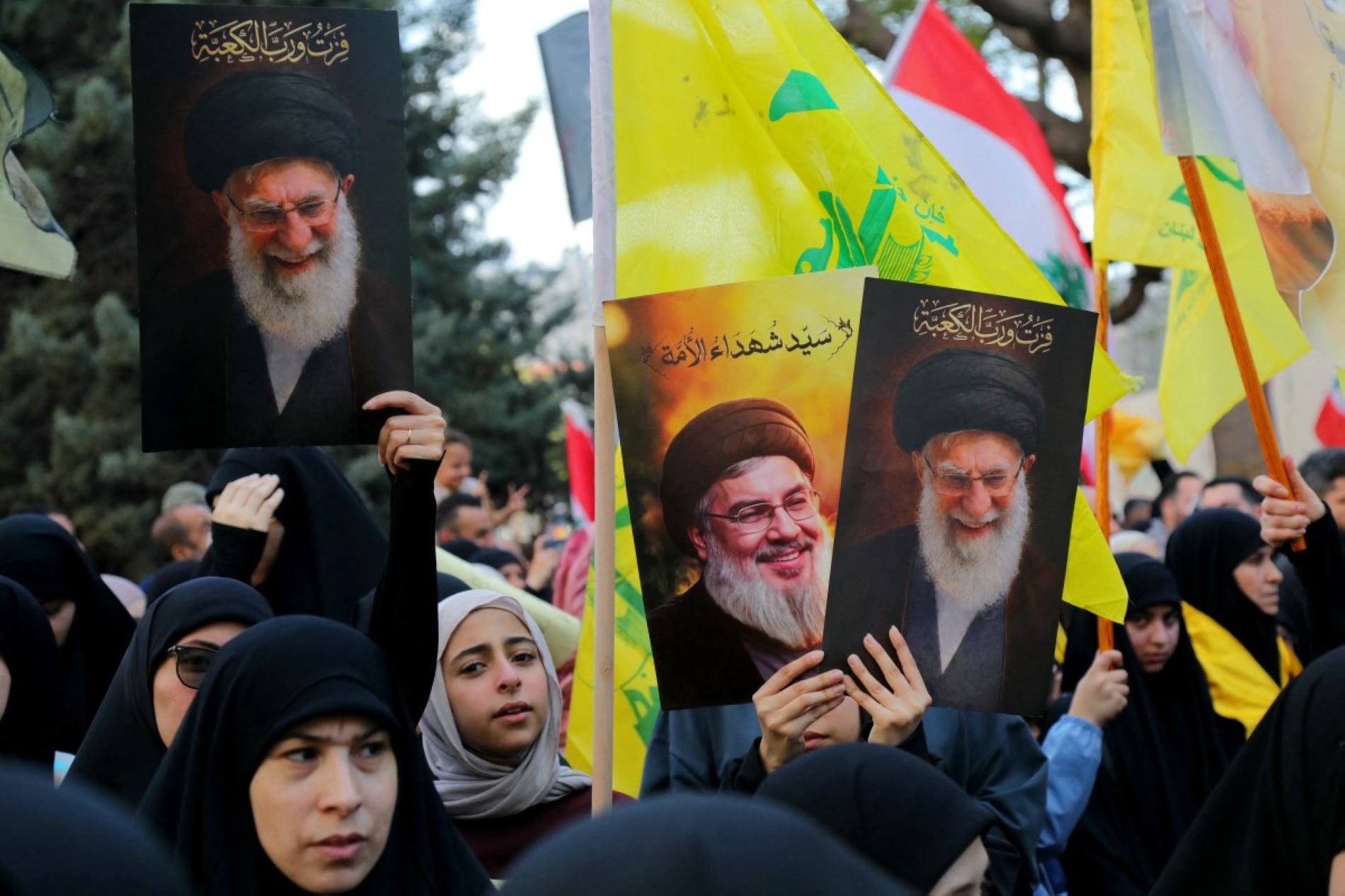
A woman looks on behind a poster showing Iran's late Supreme Leader Ali Khamenei and Hezbollah's late secretary-general Hassan Nasrallah in Beirut on 8 July 2026.

The multipolar order facilitated this new assertiveness. During the era of US dominance, US leaders were keen to court the whole Middle East and pressured its ally Israel into ceasefires, usually a few weeks after attacking its neighbours. In the multipolar order, the administrations of Biden and Trump have seemed less concerned with dominating the Middle East, and so public opinion has appeared less of a constraint on their support for Israel. In turn, this may also have influenced Trump's decision to join Israel's wars with Iran in both 2025 and 2026. No longer seeking hegemony may have meant less concern for reputational damage in the region caused by an unpopular and damaging war.

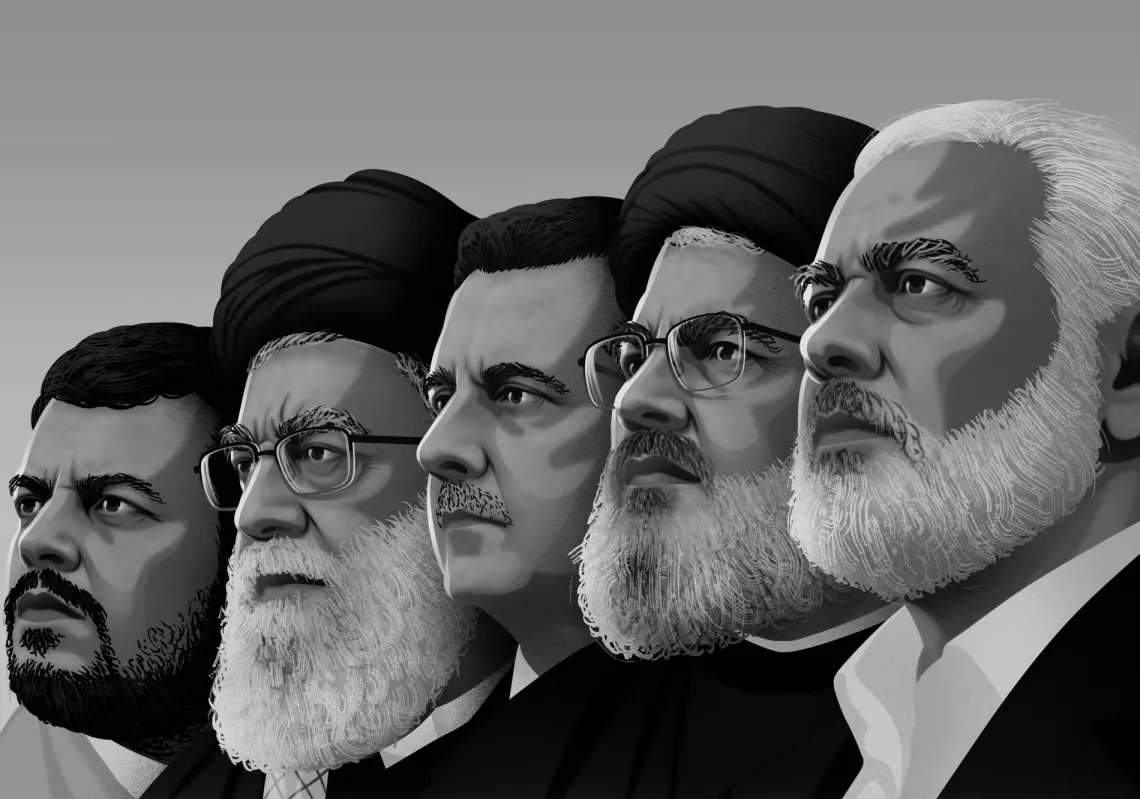
These wars have seen Iran's allies, Hezbollah and Hamas, weakened and Assad toppled. Moreover, Israel and the US' attacks have cost Iran numerous leading figures, notably Supreme Leader Ali Khamenei, as well as causing severe infrastructural damage and thousands of civilian deaths. The multipolarity that for so long facilitated Iran's regional ambitions helped shatter them in barely a few years.

Decreased US capacity and appetite to police the Middle East have given regional powers greater freedom to pursue their own agendas.

Multipolarity still has its benefits

However, while multipolarity may have contributed to recent disasters, it is arguably still providing Iran some benefits. Firstly, for all its air superiority, the US has proven unwilling to escalate the conflict militarily by putting boots on the ground to engineer an Iraq-style regime change. This is partly because Iran is logistically a more daunting task, but also because the US lacks the unassailable power it had in 2003. The US public would be unlikely to support such a move—a recent analysis by Responsible Statecraft declared the Iran war already the most unpopular major conflict in US history. Moreover, unlike in 2003, the US has a global rival, China, and is wary that a quagmire in Iran could benefit Beijing—draining US resources and allowing Xi Jinping to win allies by posing as the more responsible statesman.

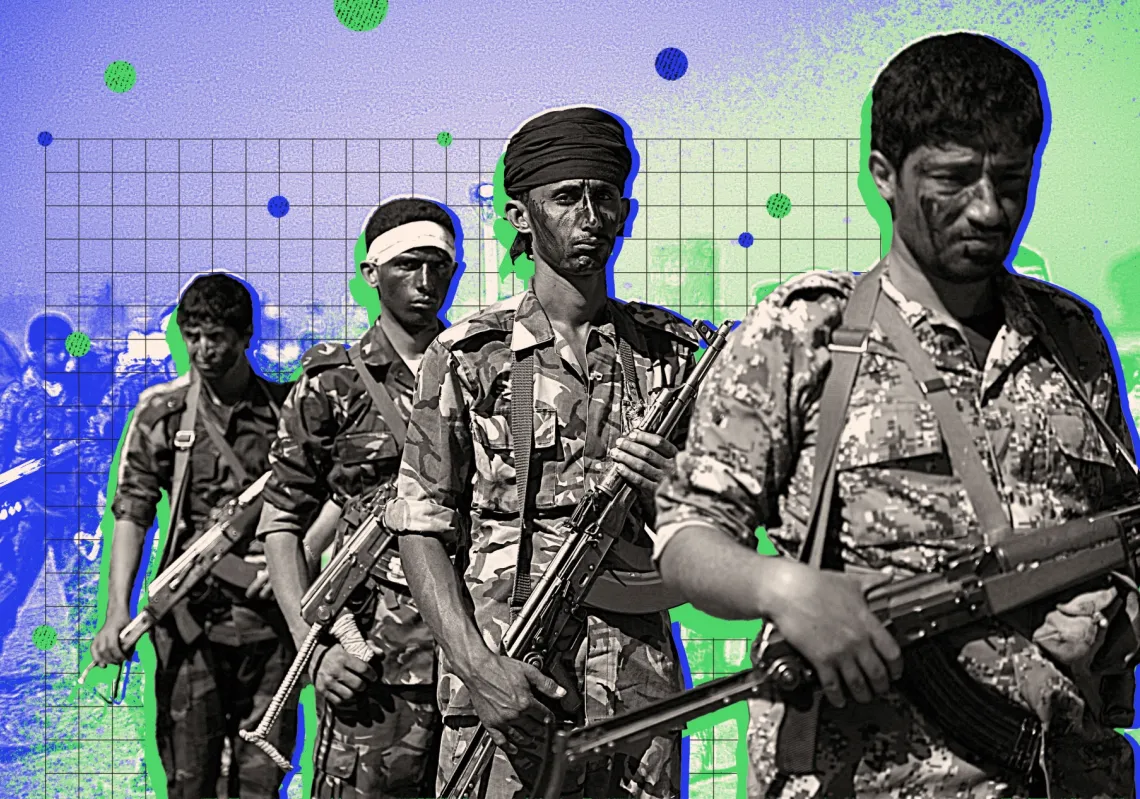
Secondly, for all the US activity in the Straits of Hormuz, Washington still isn't attempting to reassert hegemony in the Middle East. This leaves the region multipolar and relatively unconstrained, providing multiple fault lines and conflicting agendas that actors can exploit, should they wish. Some believe the Houthis' recent decision to attempt a blockade on Saudi Arabia came at the behest of Iran, for example.

Though Tehran's allies are weakened, it retains similar pressure points in Lebanon, Iraq and Palestine that it can activate if needed. Such benefits underline how much of a double-edged sword multipolarity has proven to be for the Islamic Republic. It enabled its rise as a regional power, facilitated its recent devastation, but may now help prevent its complete defeat.

font change