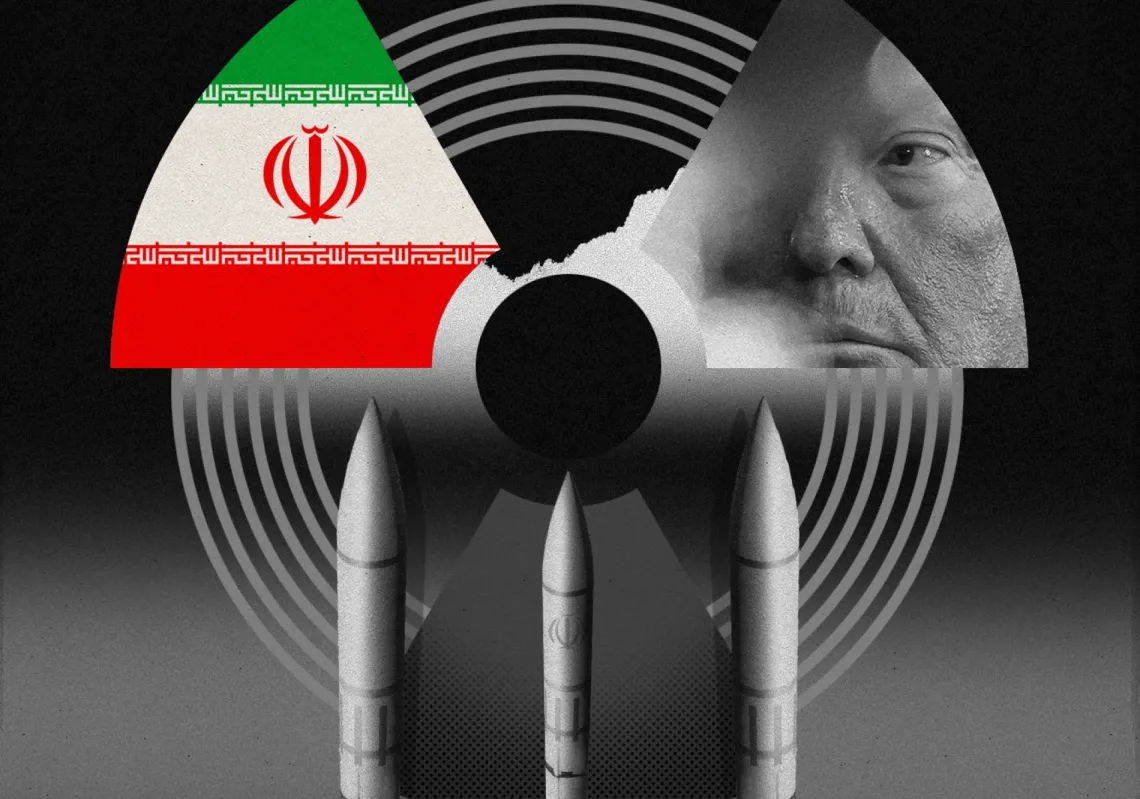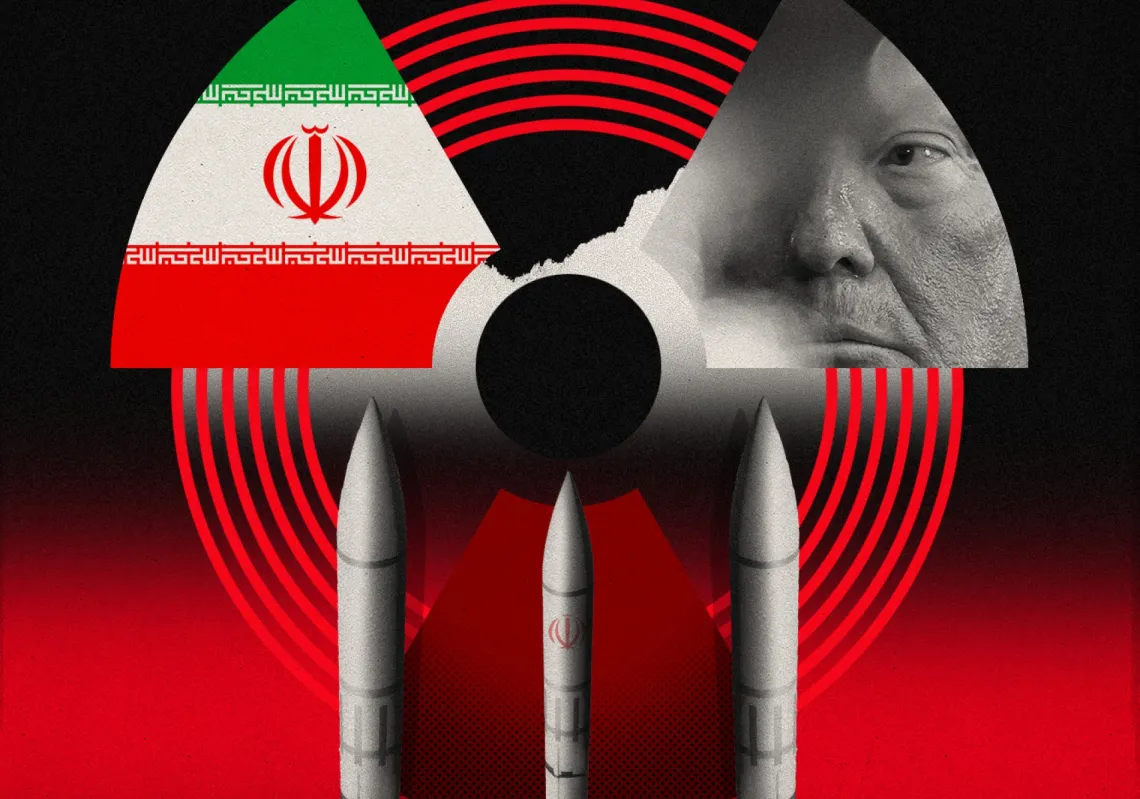

What looked like a deepening fallout between the Trump administration and key European allies over their positions on the US war on Iran seems to have settled down. Earlier this week, UK Premier Keir Starmer said the UK wouldn't join a war "that had no legal basis."
The UK has been a key partner to US military operations around the world for decades—a relationship dating back to the end of World War II. More recently, British troops fought side-by-side with the Americans in the wars in Iraq and Afghanistan, suffering heavy casualties in the process.
But even though the British government has a long-standing policy of confronting Iran over its nuclear programme, Starmer had been reluctant to provide offensive support in the US war on Iran.
Even before the US had started military operations against Iran, he had made it clear to the White House that the UK would not allow the US military to use its military bases to attack Iran. This includes the key UK-controlled Diego Garcia military base in the Indian Ocean, which American B-2 bombers have used in previous attacks against Iran.
In his speech to parliament on Monday, Starmer made clear that he was fundamentally opposed to Trump’s plan of bombing Iran to bring about regime change in Iran. The UK Government “does not believe in regime change from the skies”.
@c4news Prime Minister Sir Keir Starmer says that “Britain will not” join forces with strikes on Iran carried out by the US and Israel. The UK is allowing American forces to use its bases in the region to help launch attacks, but stresses the UK military will only act defensively. Speaking in the House of Commons he says “we remember the mistakes of Iraq” and that “we have learned those lessons”. #KeirStarmer #Iran #Israel #US #C4news
original sound - Channel 4 News
'Need for lawful basis'
Starmer told MPs, “The lessons of history have taught us that it is important when we make decisions like this, that we establish there is a lawful basis for what the United Kingdom is doing. That is one of the lessons from Iraq. There should be a viable thought-through plan with an objective that can be achieved or has a viable prospect of being achieved. That is the principle that I applied to the decisions that I made over the weekend.”
In an attempt to distance the UK from the US war, Starmer questioned whether such a campaign was legitimate under international law and whether there was sufficient justification for launching such an attack.
And Starmer wasn't the only European leader to criticise Trump’s decision to go to war with Iran. For his part, Spanish Prime Minister Pedro Sanchez warned Wednesday that the US-Israeli attacks on Iran risk becoming a prolonged conflict that could increase the cost of living worldwide, and urged respect for international law.
'No to war'
“Spain's position is 'No to war'; We are against this disaster. Governments should be here to improve the lives of people, not make them worse,” he said in a televised address. “It’s unacceptable that some use the fog of war to hide their failures and, along the way, line the pockets of the same few people as always.”
In response, Trump threatened to cut off trade with Spain and called Spain a "terrible ally". "We don’t want anything to do with Spain,” the US president said. As for Starmer's stance, Trump told The Daily Telegraph that he was “very disappointed” with the UK premier over his decision. The US president even made deeply disparaging comments about Starmer, telling reporters in the White House that he was ‘no Winston Churchill’.
Later, seemingly in an attempt to temper Trump's anger, France, Germany and the UK called on the Iranian state to allow its people to determine their own future and condemned its retaliatory attacks on US army bases in the region in a joint statement while also making sure to emphasise that they did not participate in the strikes.
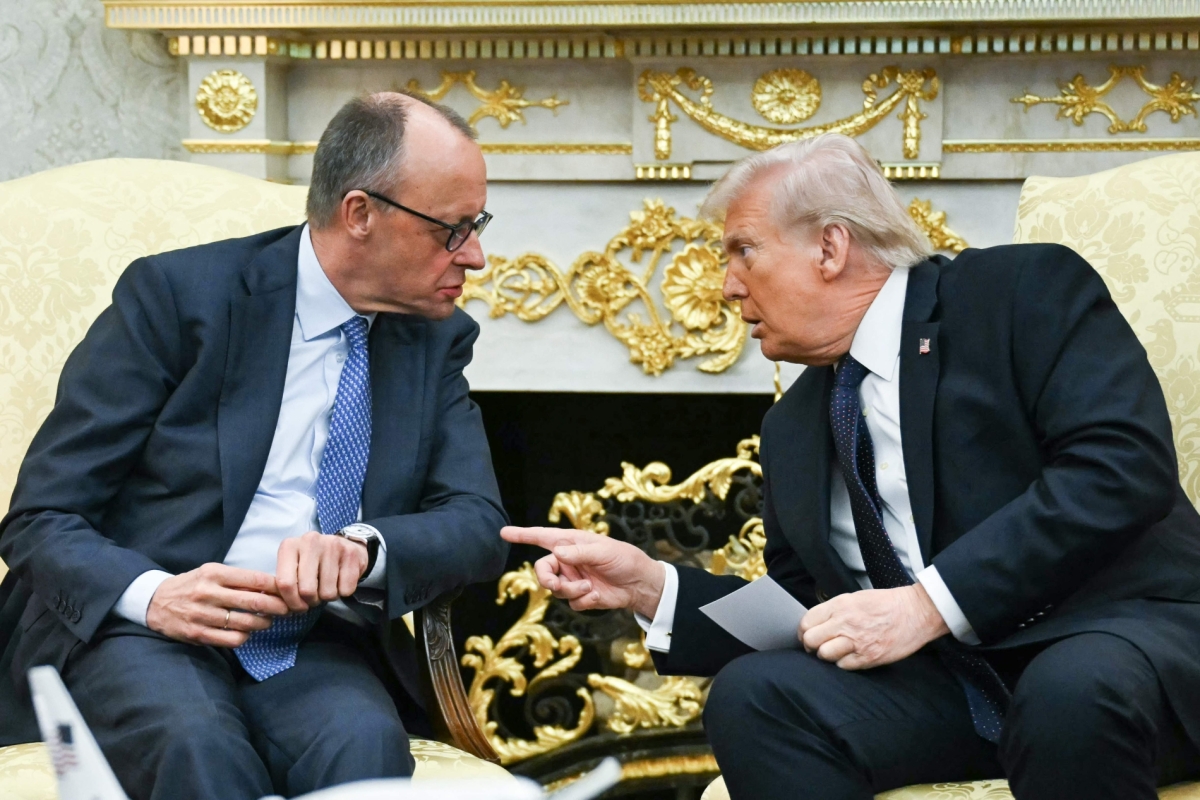
Since then, there has been a significant shift in the position of some European powers. For his part, German Chancellor Friedrich Merz sought to position himself as Trump’s closest ally in Europe by saying Iran shouldn't be protected by international law—a statement that completely undermined Starmer’s stance on the illegality of Trump’s military offensive. He even went so far as to say that now was "not the time” for Europeans to “lecture” the United States and Israel about legality.
Merz on Iran: Now is not the moment to lecture our allies.
We share many of their goals, even if we cannot achieve them ourselves.
Even without clarity about the day after, we will work with the US, Israel and European partners to shape the post-conflict agenda with Iran. pic.twitter.com/iQoDFEIKxf
— Tymofiy Mylovanov (@Mylovanov) March 2, 2026
UK about-face
And Starmer later caved, allowing the US army to use British bases in the region for defensive purposes. The specific and limited purpose for which strikes from British military bases can be used, the UK government said, was to degrade Iran's capacity to launch missile and drone attacks across the region, including in Gulf countries where there are many British citizens.
This followed a series of Iranian strikes on mainly US military bases and assets in the region, but one salvo of missiles apparently reached as far as the UK’s Akrotiri military base in Cyprus. In response, Starmer dispatched one of the Royal Navy’s Type 45 destroyers, which has some of the world’s most sophisticated air defence capabilities, to the region.