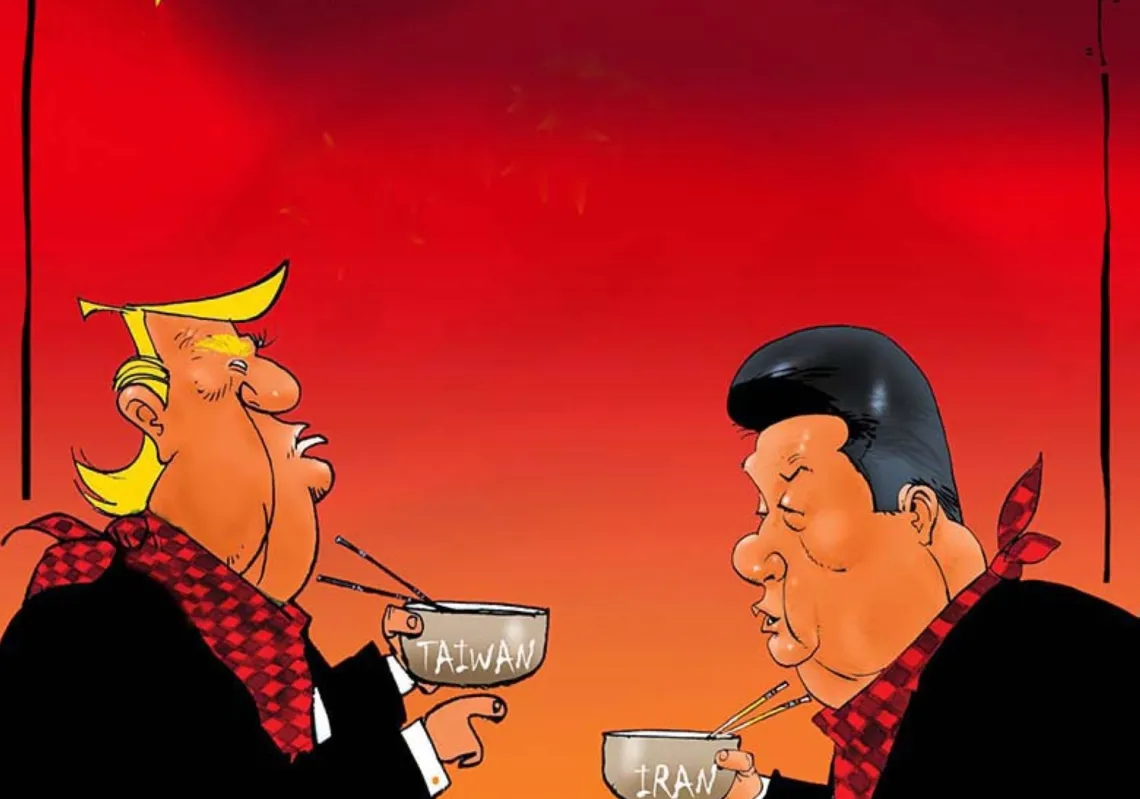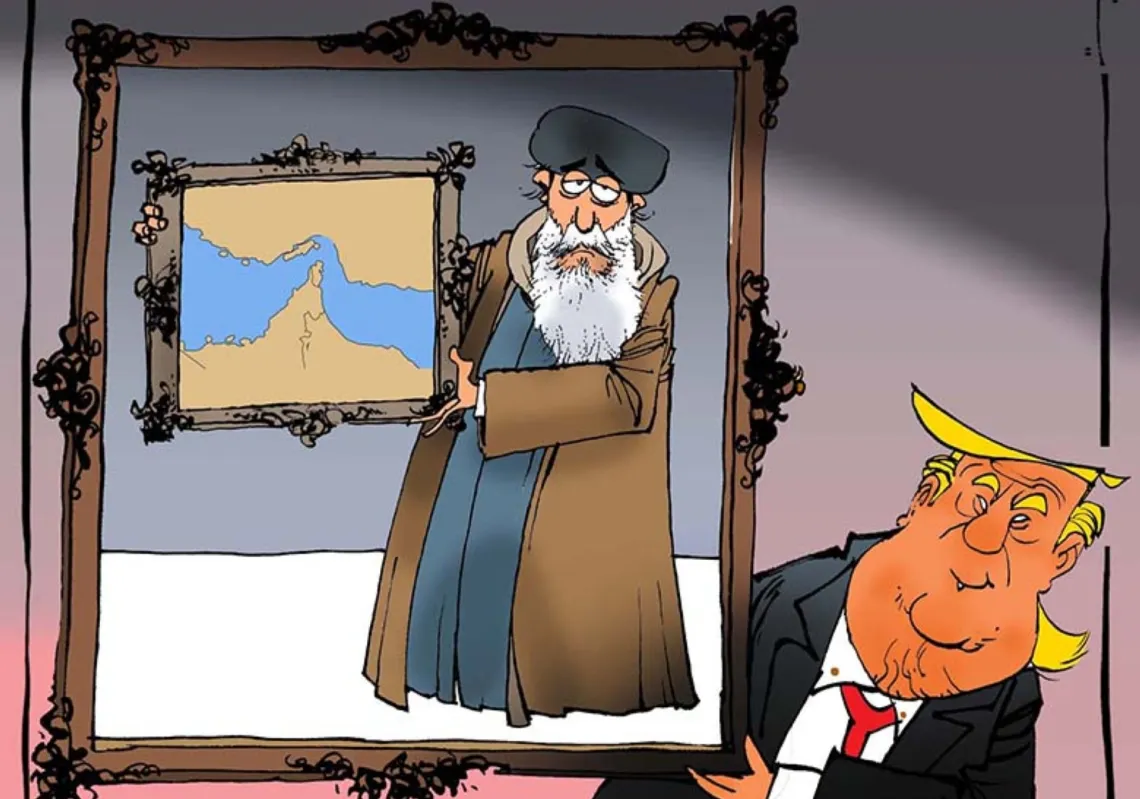
The US and Israel carried out strikes across Iran, and Tehran has retaliated by striking US/Israeli assets across the region. Could this turn into the regional war analysts have been warning about?
Military strategists have long warned that war should be waged only if those waging it know what they want to achieve. Herein lies a problem: Washington's war aims in Iran are incoherent.
Quick, in-and-out precision operations that inflict maximum damage with minimum US casualties have long been a favoured tool of US presidents. Is Trump planning one for Iran?
Tehran isn't likely to easily fold if/when Trump attacks. This means that the longer a military confrontation drags out, the more untenable Washington's position becomes.
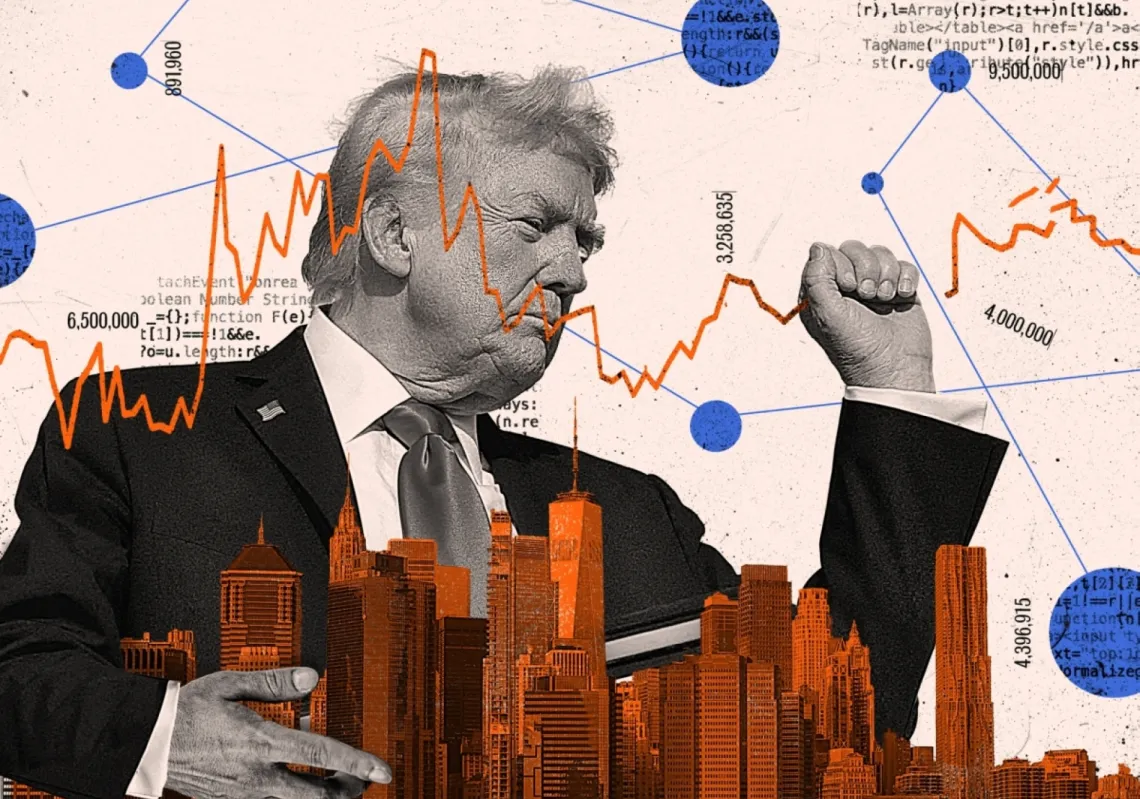
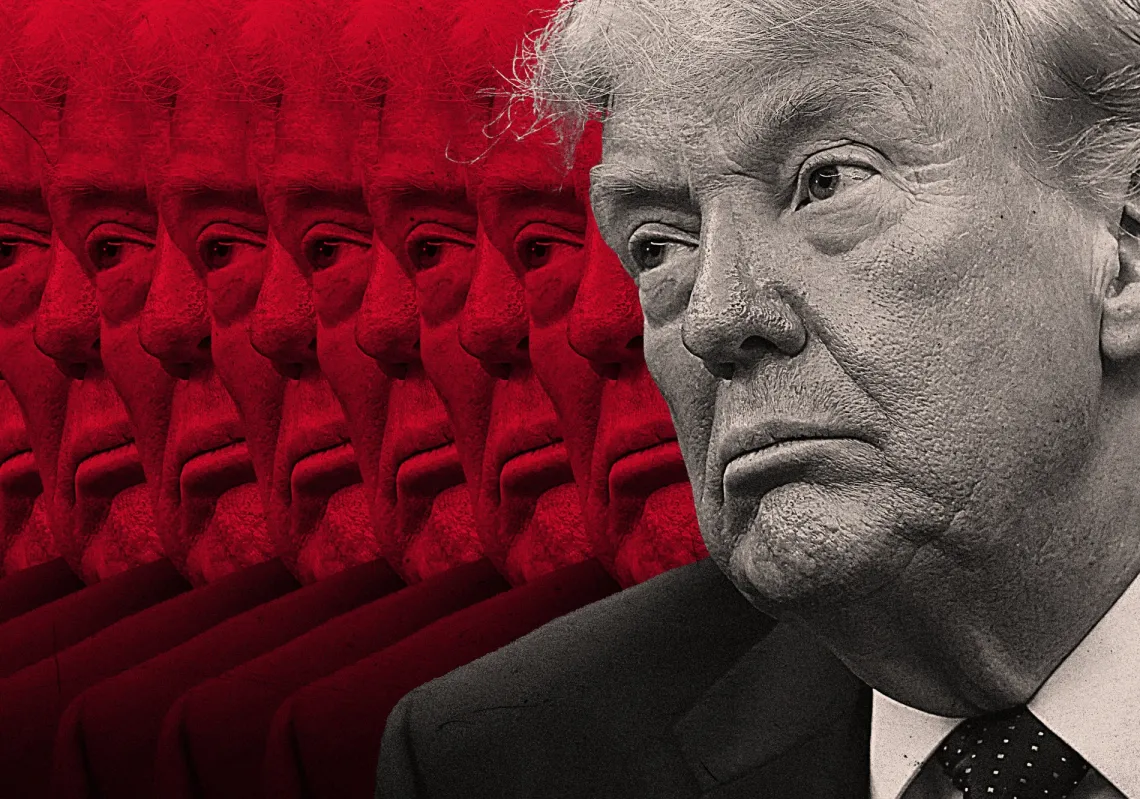
Trump will be wondering if a military confrontation with Iran would help or hurt his dwindling popularity at home, making his decision to strike one of the riskiest bets of his presidency
The transfer of sovereign decision-making to external management structures would inevitably cater to the interests of contributors rather than the Sudanese people
Shaibani held several calls with the Mossad chief days before the strike, explaining why the airport's runway was being rehabilitated and that it had no hostile intentions, but Israel bombed it anyway
Ambassador Asim Iftikhar Ahmad speaks to Al Majalla about Islamabad's diplomatic role in the talks between the US and Iran, its balancing act between Tehran and Riyadh and the Mecca Pact
From Apple's chips to Nvidia's data centres, Israeli tech has embedded itself in the global tech ecosystem. This comes with grave national security implications.
Balancing the competing interests of regional and global stakeholders is no easy task. Can the president keep Syria from becoming an arena for regional conflict?