
It has been five years since the US-led NATO invasion of Afghanistan came to an end on 15 August 2021. In the run-up, the Taliban had already encircled Kabul as per the Doha Agreement between the Taliban and the first Trump administration, paving the way for its eventual takeover. The US withdrew, Afghan President Ashraf Ghani fled, and the army did not put up a fight.
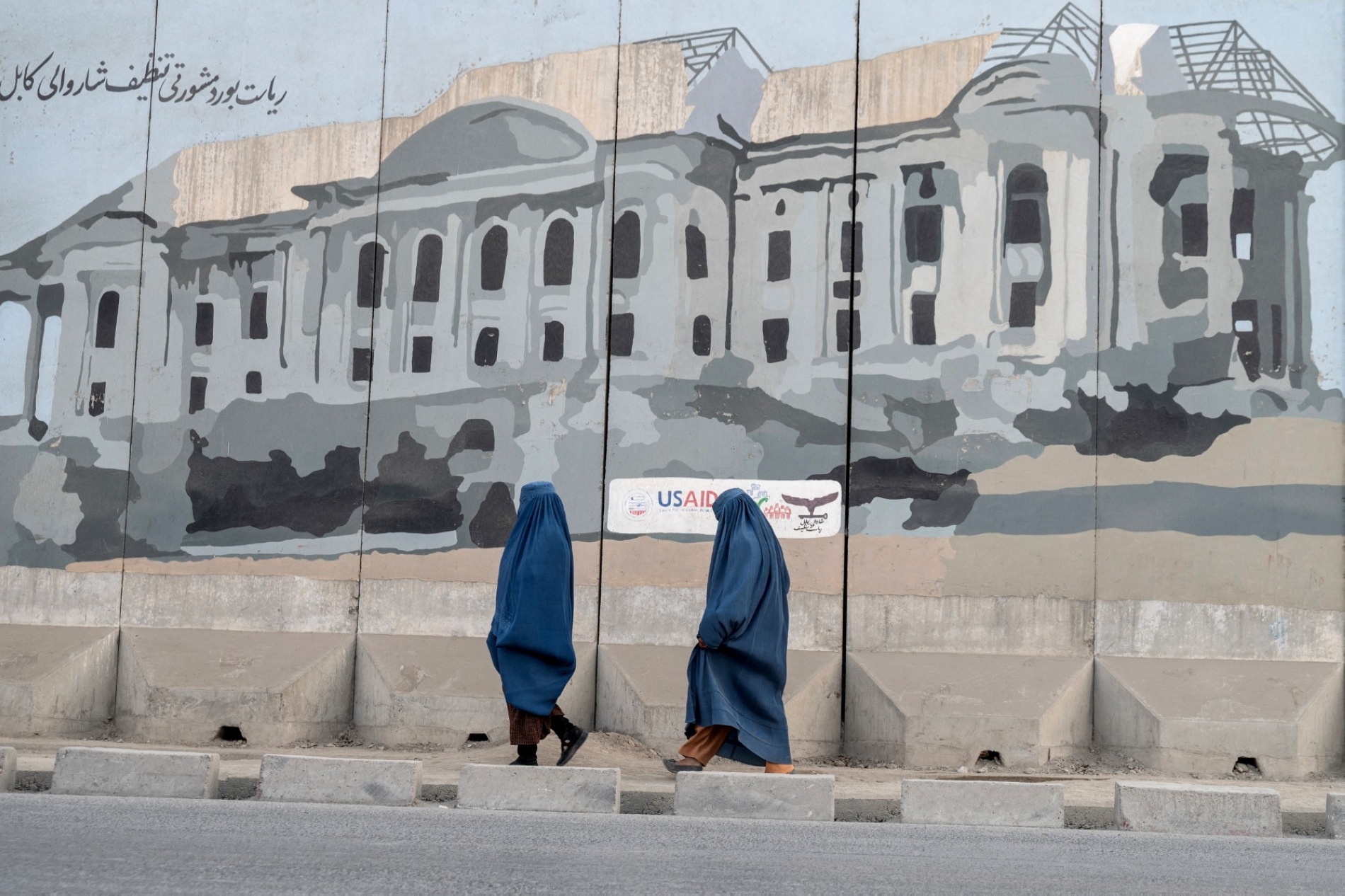
The mere mention of the US-led military intervention in Afghanistan is enough to send shivers down Western diplomats' spines. They would rather forget the colossal failure altogether: 20 years of gruelling fighting ended in the Taliban retaking Kabul and re-imposing the same extremist version of Islam that the coalition had ostensibly been fighting against. Women are prohibited from working, and girls from school; music and entertainment are also banned, and non-Pashtuns have again been relegated to second-class citizens.
Despite this grim reality, this week's Economist cover was titled We must talk to the Taliban. For her part, Lyse Doucet, the Chief International Affairs Correspondent of the BBC, is also back in Kabul, fresh from her bestselling book, The Finest Hotel in Kabul. The willingness of Westerners to now engage is perplexing, given the dire conditions Afghans are living under. Malnourishment is at a record high; poverty is so bad that children are being sold into slavery, and women have virtually disappeared from public life.
The most serious challenge to the Taliban has been in the northeast, where the National Resistance Front led by Ahmad Massoud has been clashing with Taliban forces. Massoud and other opposition leaders such as Khalid Noor of Jamiat e Islami say they tried to talk to the Taliban to get it to implement more reforms, but the group has not been receptive. In fact, the Doha Talks were meant to deliver a ‘new Taliban’—one that would not discriminate against women or non-Pashtuns, and adopt a more modern outlook. But that never happened.
Roles reversed
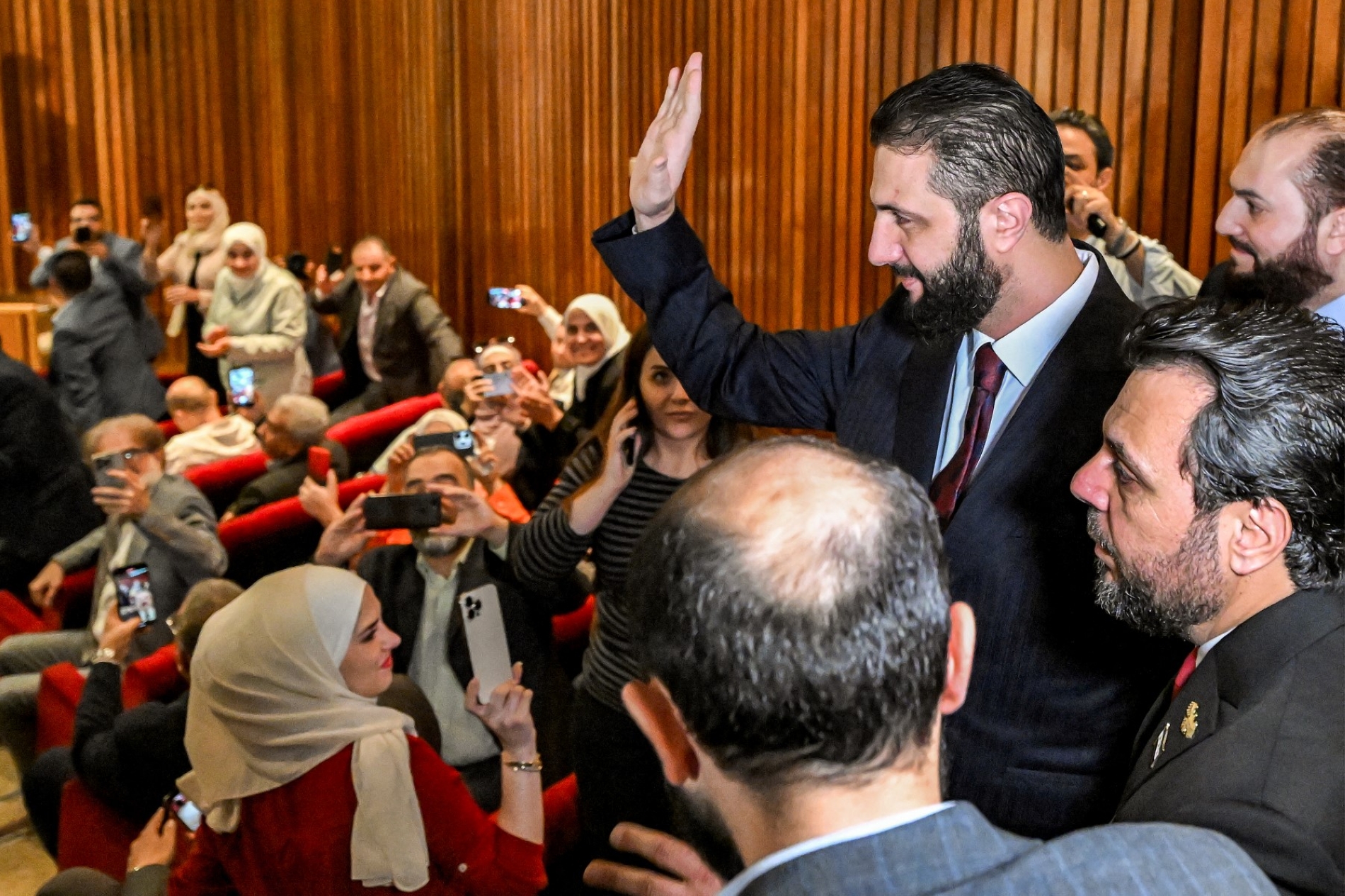
It is ironic that when the Taliban took over Kabul, jihadist rebels in Syria's Idlib province celebrated and distributed sweets in the streets. It gave them hope that one day, if they were patient, they too could eventually triumph against Syrian President Bashar al-Assad, just like the Taliban did with the Americans. But now, the Taliban are looking to al-Sharaa as a source of inspiration. After his fighters toppled the Assad regime in 2024, al-Sharaa has been steadily implementing a model of reconciliation to steer Syria out of a 15-year destructive war.
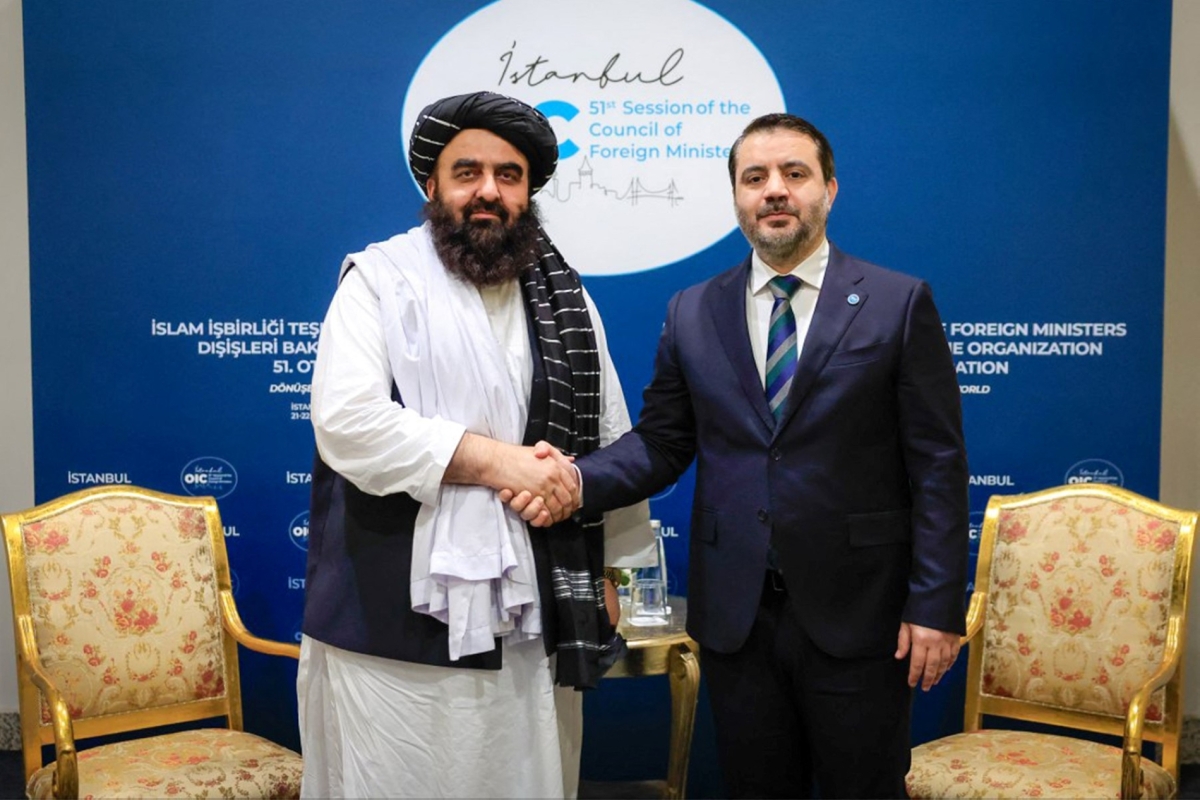
Anas Haqqani, one of the faces of the new Taliban regime, has often publicly praised Syrian leadership in bringing Damascus out of international isolation. Behind the scenes, the even more powerful Sirajuddin Haqqani, the Interior Minister, and Mullah Yaqub, the Defence Minister, have both wanted to implement the Damascus model of Islamist governance. To this end, Saudi Arabia organised the first meeting between the Taliban and the Syrian leadership on the sidelines of the Hajj this year.