America’s economy heavily depends on imported minerals vital for technology, energy, and defence. In 2024, the US was 100% import-reliant for 12 of the 50 “critical” minerals identified by the US…
Countries under the most pressure include key BRICS members, but even some allies like Canada have been hit hard. Those in the 10% club seem to have gotten the best deal. Who are they?
The bonds between Japan and the Middle East are based on trust and respect, since both seek peace and stability in the region. In these newly dangerous times, that bond is even more important.
These days, Cairo looks more to Beijing and Moscow than to Washington, a policy change with its roots in the toppling of Hosni Mubarak more than a decade ago.
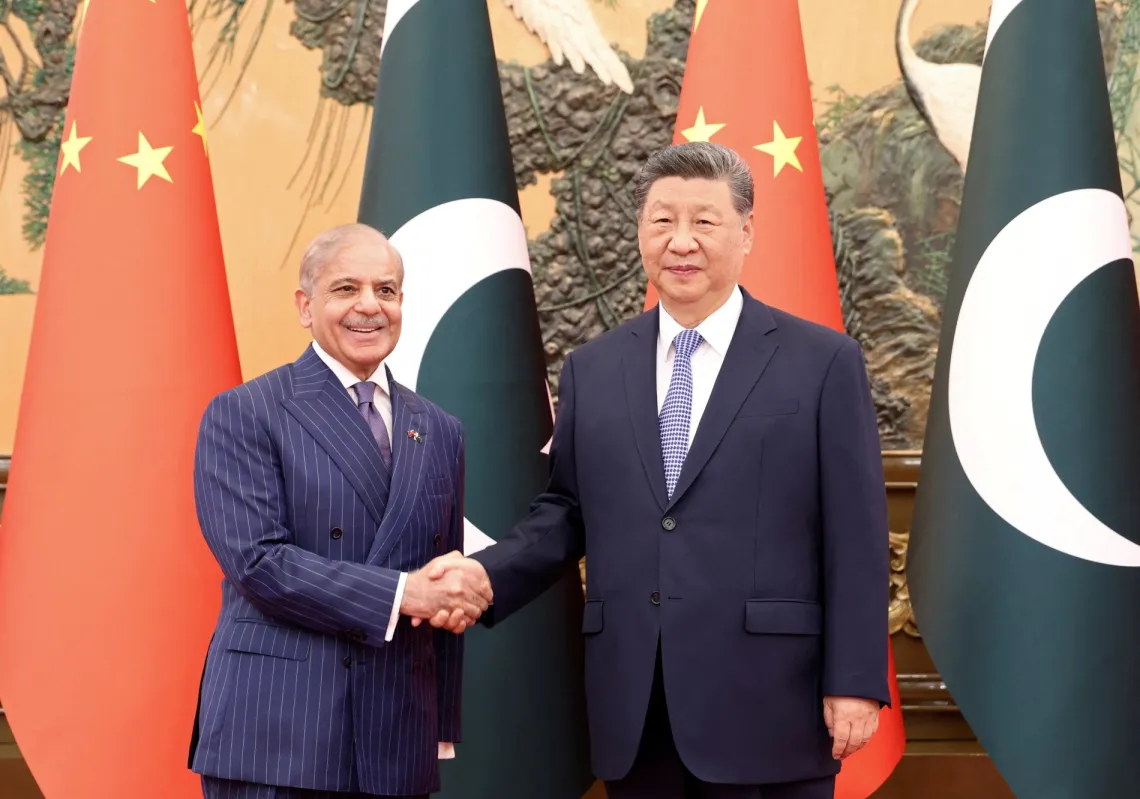
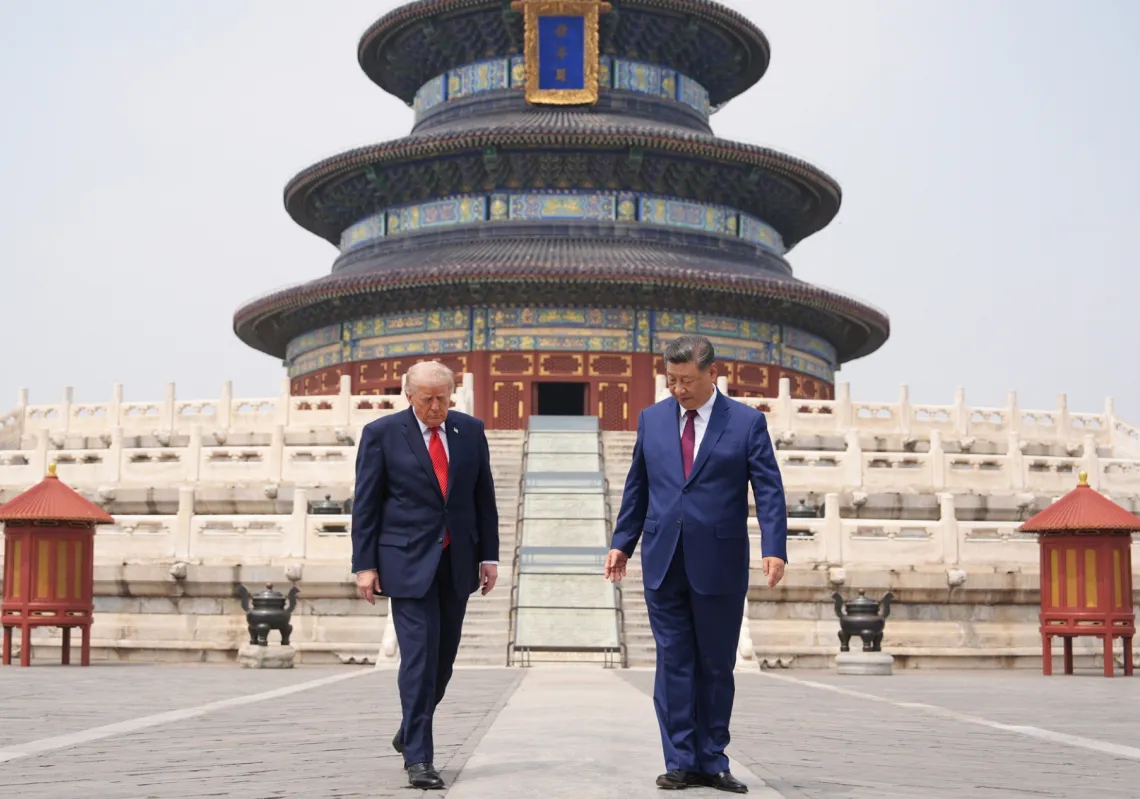
If only US officials had hit upon the ingenious idea of meeting their Chinese counterparts in person before Liberation Day, much global economic turmoil could have been avoided
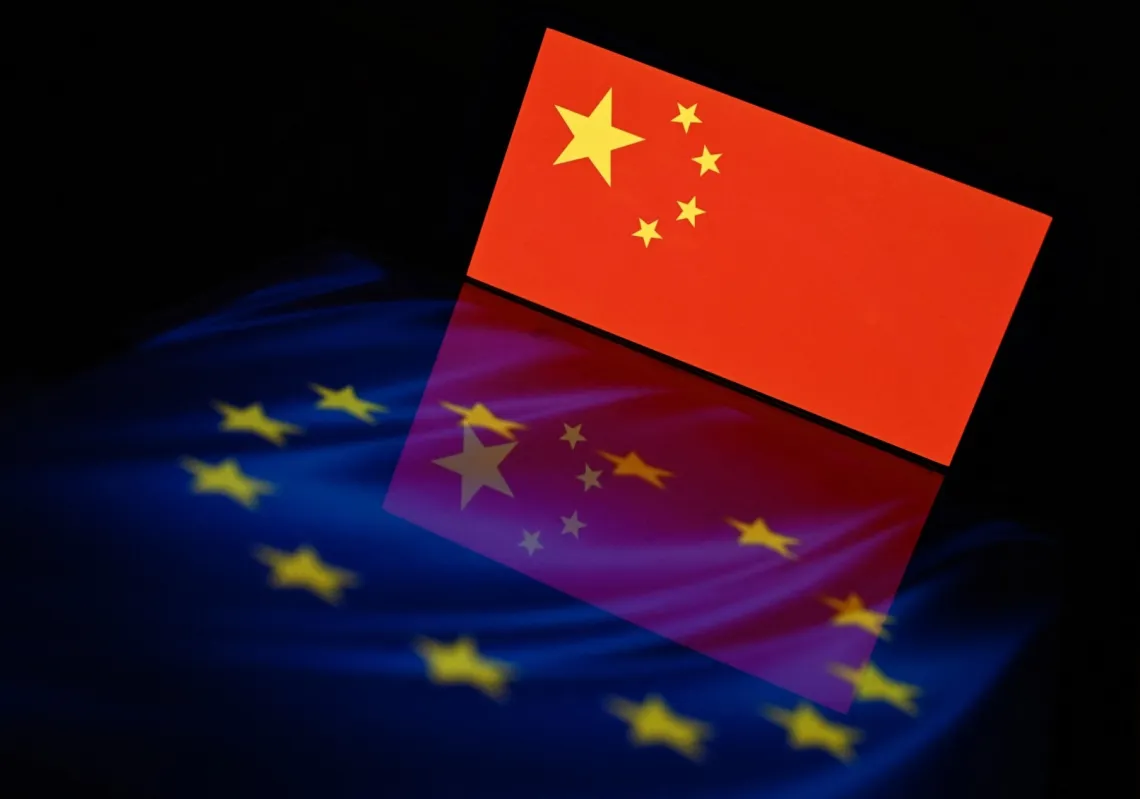
China has been quietly working to rewrite the rules of global trade and finds itself in a strong position in the current trade war launched by Washington. A look around the world shows why.
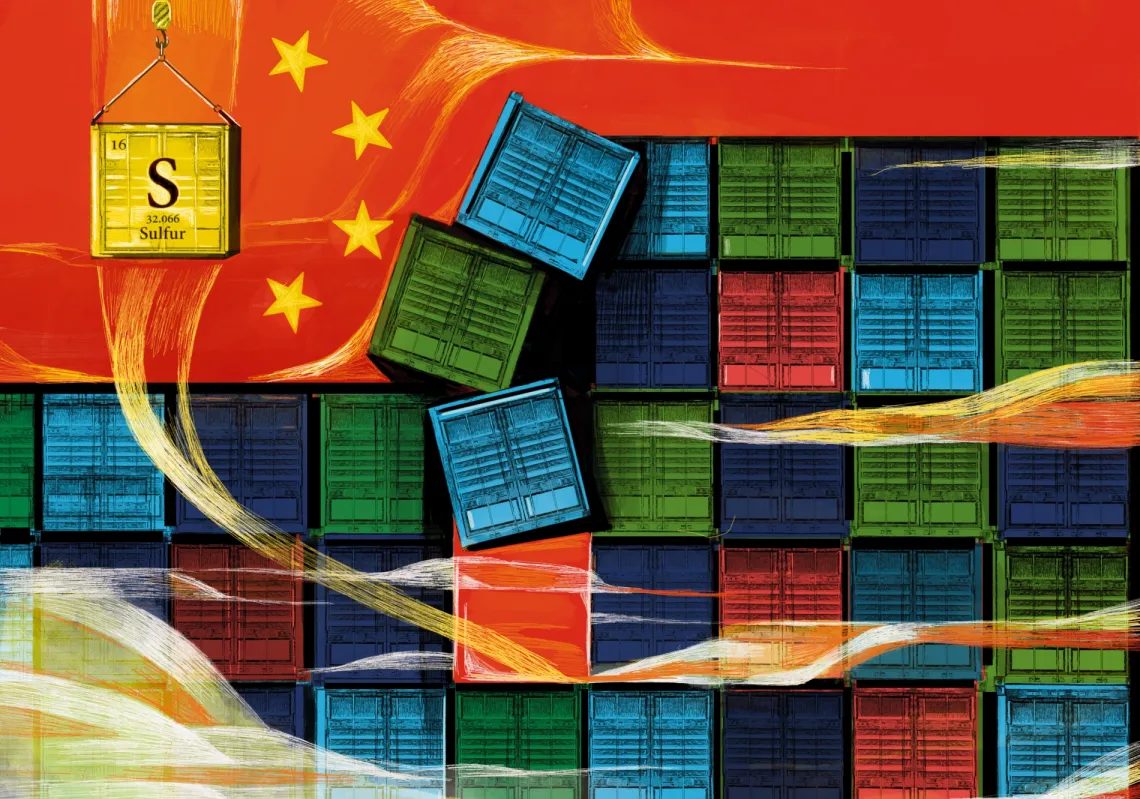
In response to US President Donald Trump's so-called "Liberation Day" tariffs in early April, which have since imposed levies on China of up to 245%, Beijing imposed export controls on seven key…
Smartphones and other tech devices are now exempted from tariffs after their stocks took a hit. Trump may now realise the US doesn't have the infrastructure and workforce needed to reshore production.
Trump thinks that lifting sanctions and reintegrating Russia will weaken Moscow's alliance with Beijing. That is short-sighted. The world Henry Kissinger exploited in 1970 is no longer.
What was cutting-edge in 2000 now sits in museums. From wires, dial-up, and fax paper to the world in the palm of your hand, tech empires have risen and fallen in just a generation.
An axis comprising Israel, Ethiopia, and Somaliland appears to be emerging, which has the potential to polarise the Horn of Africa and rapidly accelerate its militarisation
Some stories tackled contemporary life—its realities, tragedies, and evolving conditions—while others turned to the past as an escape, critically distancing themselves from present crises