These days, Cairo looks more to Beijing and Moscow than to Washington, a policy change with its roots in the toppling of Hosni Mubarak more than a decade ago.
If only US officials had hit upon the ingenious idea of meeting their Chinese counterparts in person before Liberation Day, much global economic turmoil could have been avoided
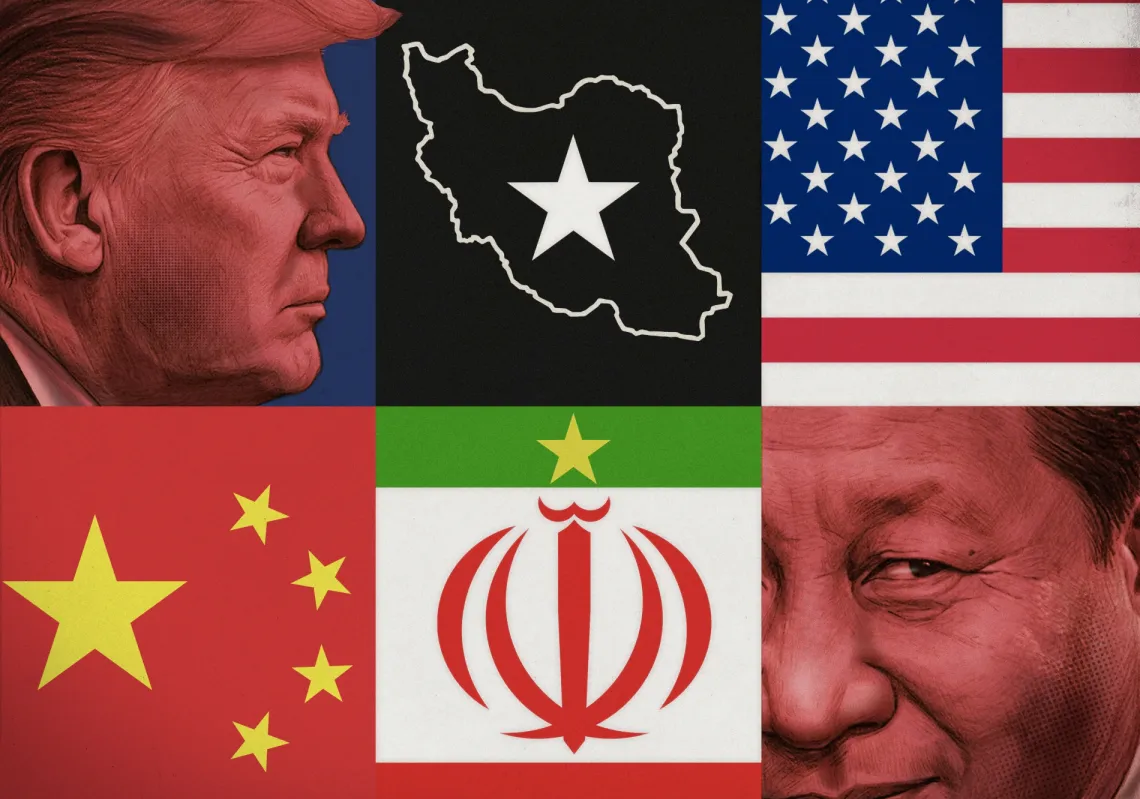
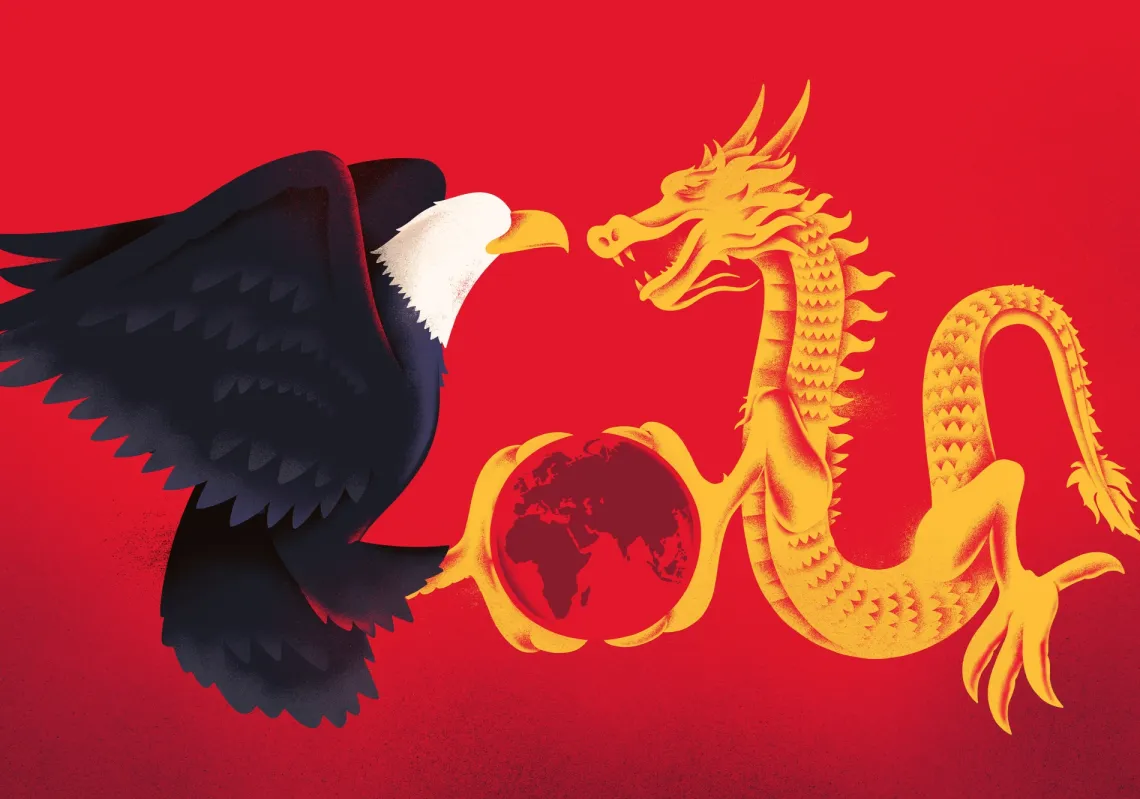
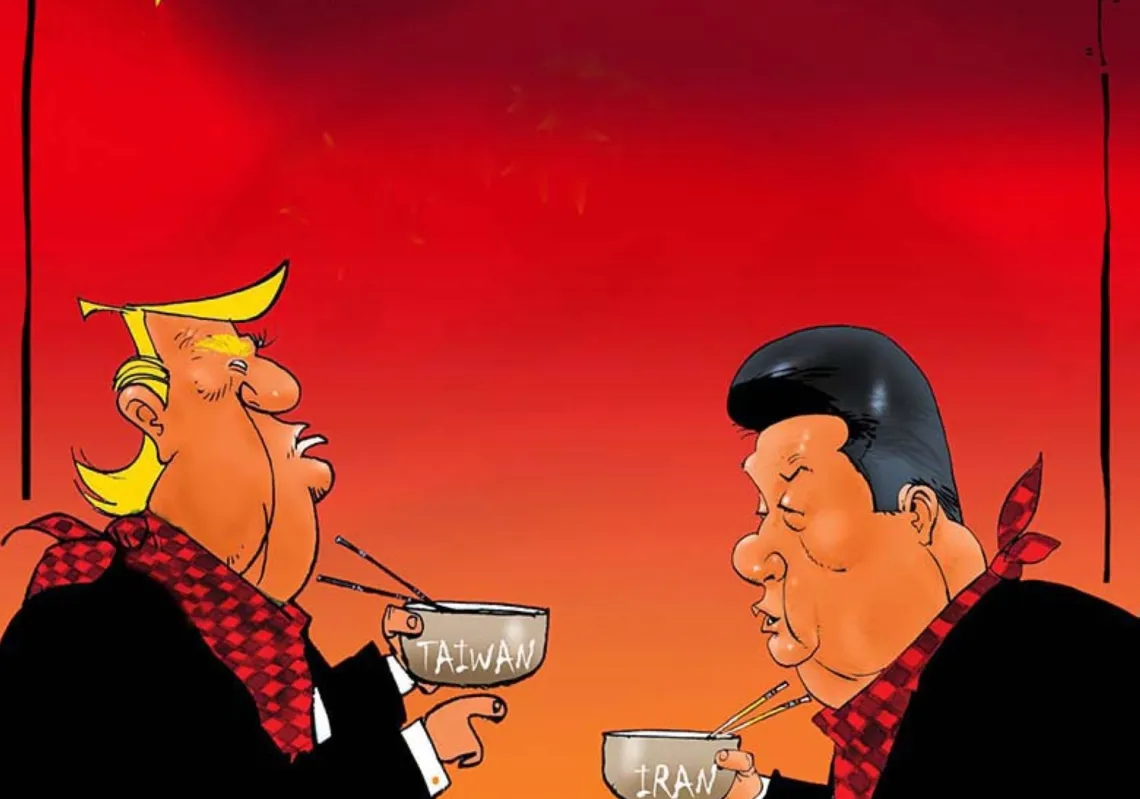
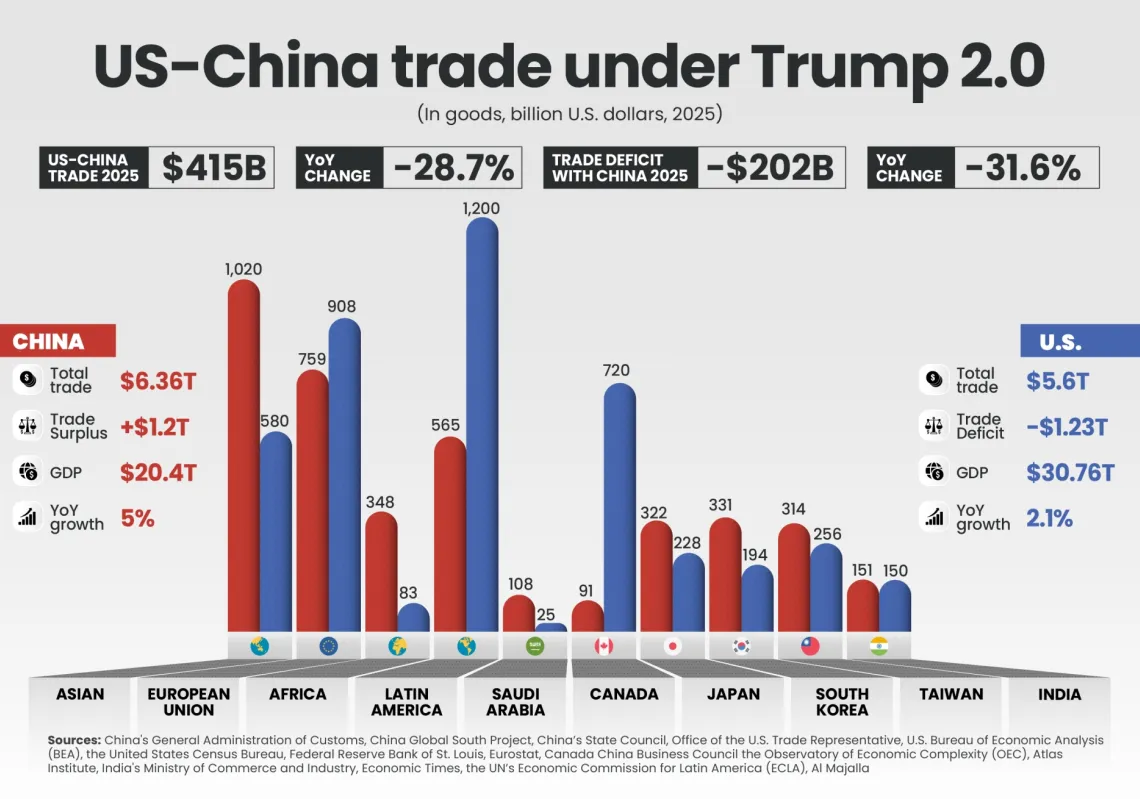
China has been quietly working to rewrite the rules of global trade and finds itself in a strong position in the current trade war launched by Washington. A look around the world shows why.
In response to US President Donald Trump's so-called "Liberation Day" tariffs in early April, which have since imposed levies on China of up to 245%, Beijing imposed export controls on seven key…
Smartphones and other tech devices are now exempted from tariffs after their stocks took a hit. Trump may now realise the US doesn't have the infrastructure and workforce needed to reshore production.
Trump thinks that lifting sanctions and reintegrating Russia will weaken Moscow's alliance with Beijing. That is short-sighted. The world Henry Kissinger exploited in 1970 is no longer.
When a start-up using 2,000 old Nvidia chips produced a ChatGPT rival for $6mn, investors took around $1tn out of the big US tech firms. Donald Trump called it 'a wake-up call'. Never a truer word.
Any disruption in the Hormuz has cascading knock-on effects that extend far beyond energy markets, impacting international trade. Al Majalla explores all this and more.
The current conflict is unlikely to go global for now, but the speed at which it has spread regionally is alarming. A look at history shows the geopolitical factors that led to world wars.