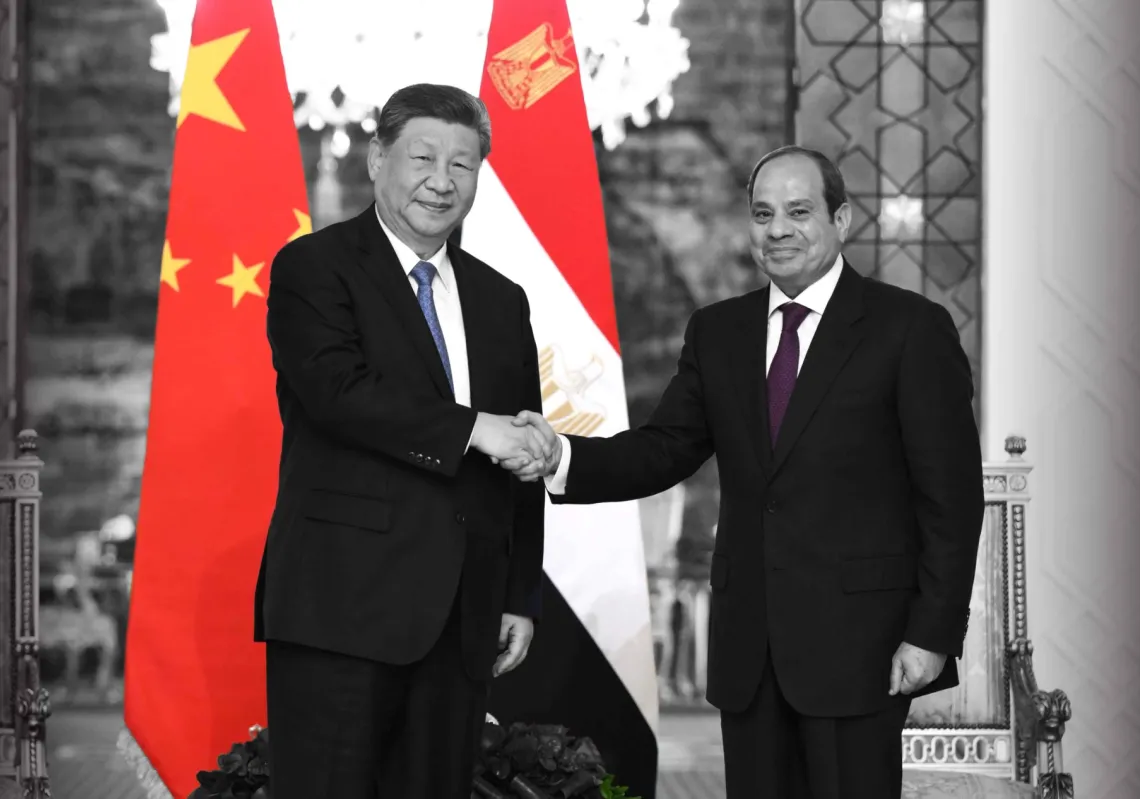
Closing the Strait of Hormuz has shown how the Gulf should shift from an oil-export model to a digital and distribution hub. Will this trigger the long-delayed free trade agreement with China?
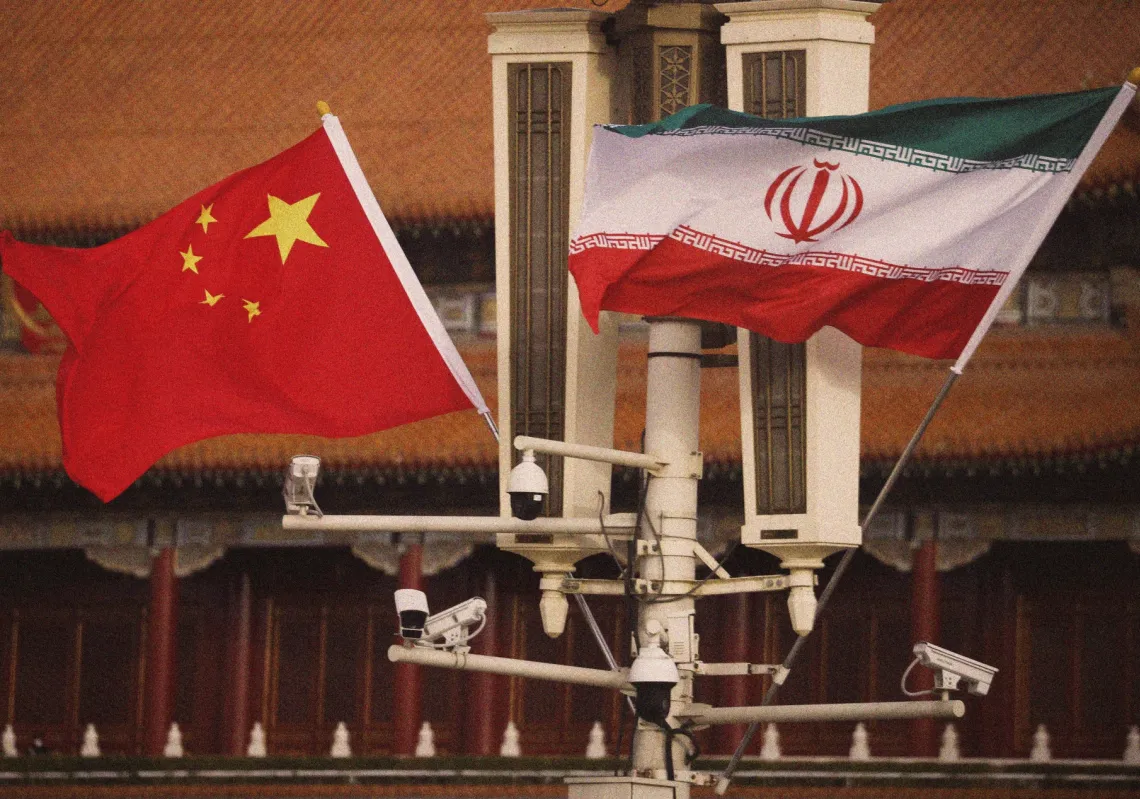
The Strait of Hormuz is a vital artery for China’s energy security, with roughly 45–50% of its crude oil imports and nearly 30% of its liquefied natural gas passing through the corridor. China…
If the ceasefire collapses, China has an interest in getting the two sides back to the table, but it would be a difficult task given Tehran's deep mistrust of the US and Israel.
A $86.7bn budget, rapid naval expansion, and longer-range missile development underline New Delhi's drive to modernise its forces and compete more assertively with China and Pakistan
Christophe Ventura, a French expert on Latin America, speaks to Al Majalla about Venezuela, Cuba, Colombia, and China's role in a continent that the US president considers his backyard.
With China dominating the 'rare earths' needed to power the technology of the future, the West is playing catch-up in a race that began years ago. Finally, a plan is emerging.
Disruption in the Hormuz can have major implications for global trade, but it also creates opportunities for smaller nations like Iran to become global political players
The Iraq war was viewed as disastrous in retrospect, while the Iran war was unpopular from the get-go. Al Majalla highlights the similarities and differences between the two.
Pipelines have a chequered history in the Middle East, but the closure of the Strait of Hormuz has led US Tom Barrack to conclude that a new route through Syria could solve some problems.