The two atomic bombs dropped on Japan by the US remain a subject of intense debate, and the world is still learning the lessons of those fateful events
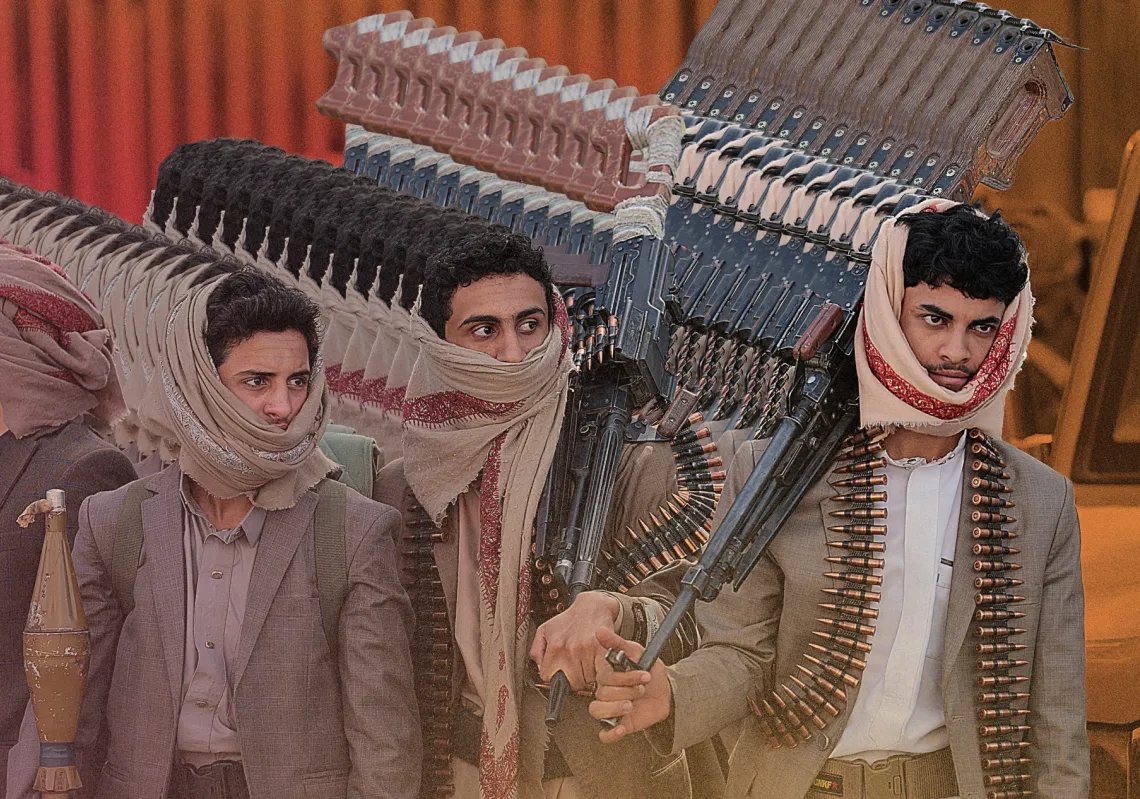
A pressure campaign by Washington to curb Tehran's influence over Baghdad seems to be yielding results, but any moves to disarm Iran-allied militias could stoke serious violence
Washington's long-term strategy to unshackle Iraq from Iranian influence is yielding results. Having pulled a potent mix of financial and military levers, the militias have been eerily quiet of late.
In areas like Daraa and Sweida, local groups are elbowing their way into some of the smuggling voids left by Assad's army and pro-Iranian groups like Hezbollah. That means more to fight over.
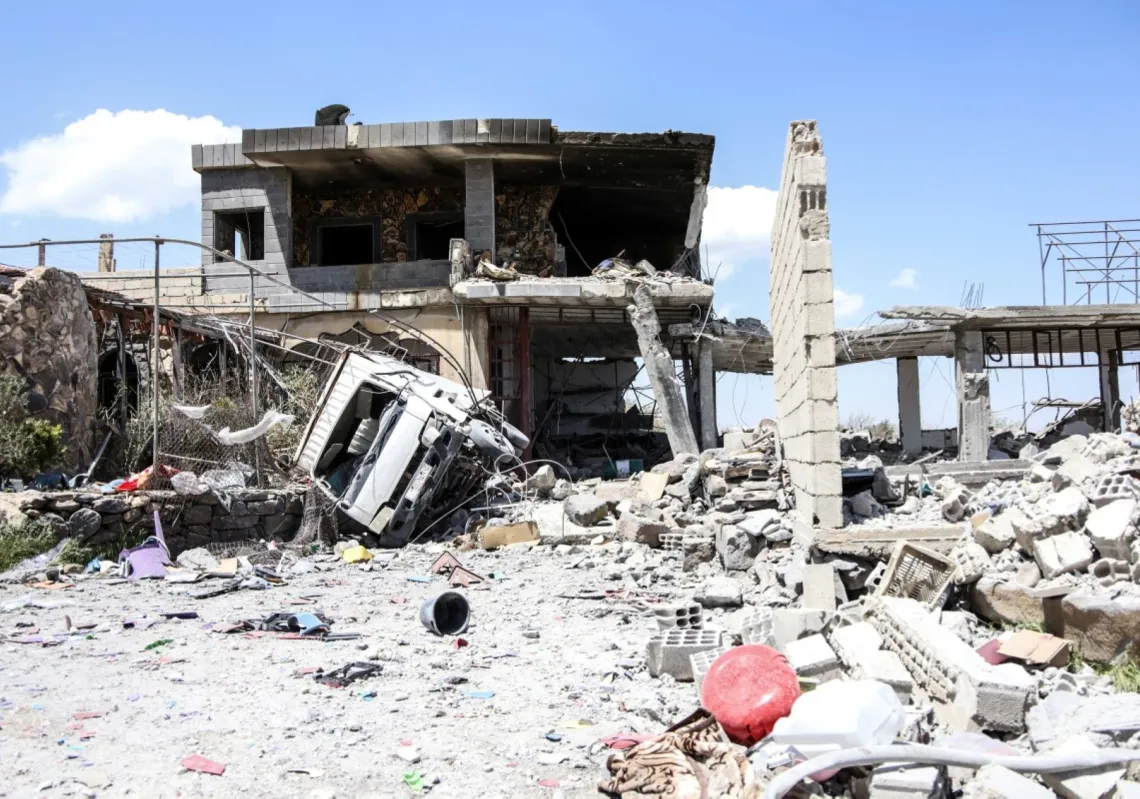
An international conference in New York this week generated momentum towards diplomatic recognition, but what precisely would be recognised? The West Bank is splintered and Gaza is under rubble.
Israel's war aims go beyond the defeat of Hamas to the collective punishment of two million Palestinians. It is losing friends fast, while Gazans lose far more than that.
Lebanon's president and prime minister have a big decision to make: whether, and how, to use the army to disarm Hezbollah. Today's army can be trusted, but its task must be well thought through.
The US is poised to use Israeli gas as a lever to keep Iran on the backfoot following its regional setback, and it could even use it to undercut Russia's economy
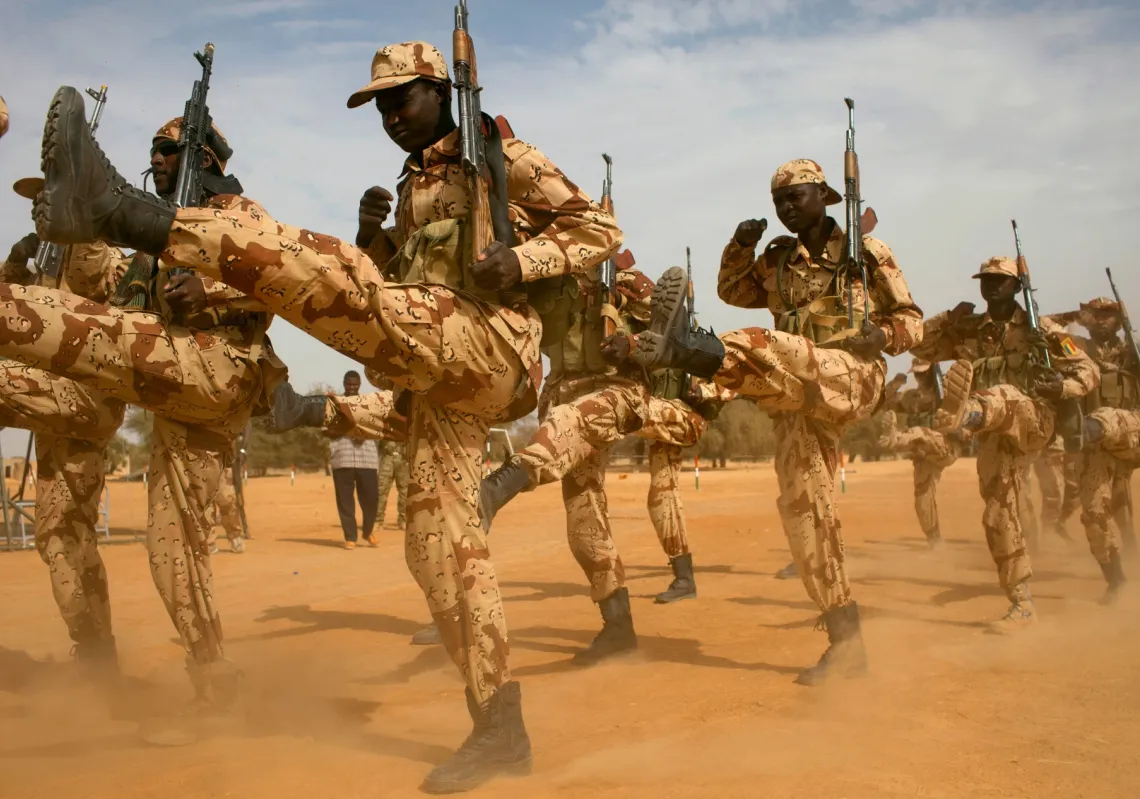
Washington seems to have changed its tone after the RSF committed atrocities in October, putting increasing pressure on the foreign backers of a paramilitary that now controls Darfur. What next?