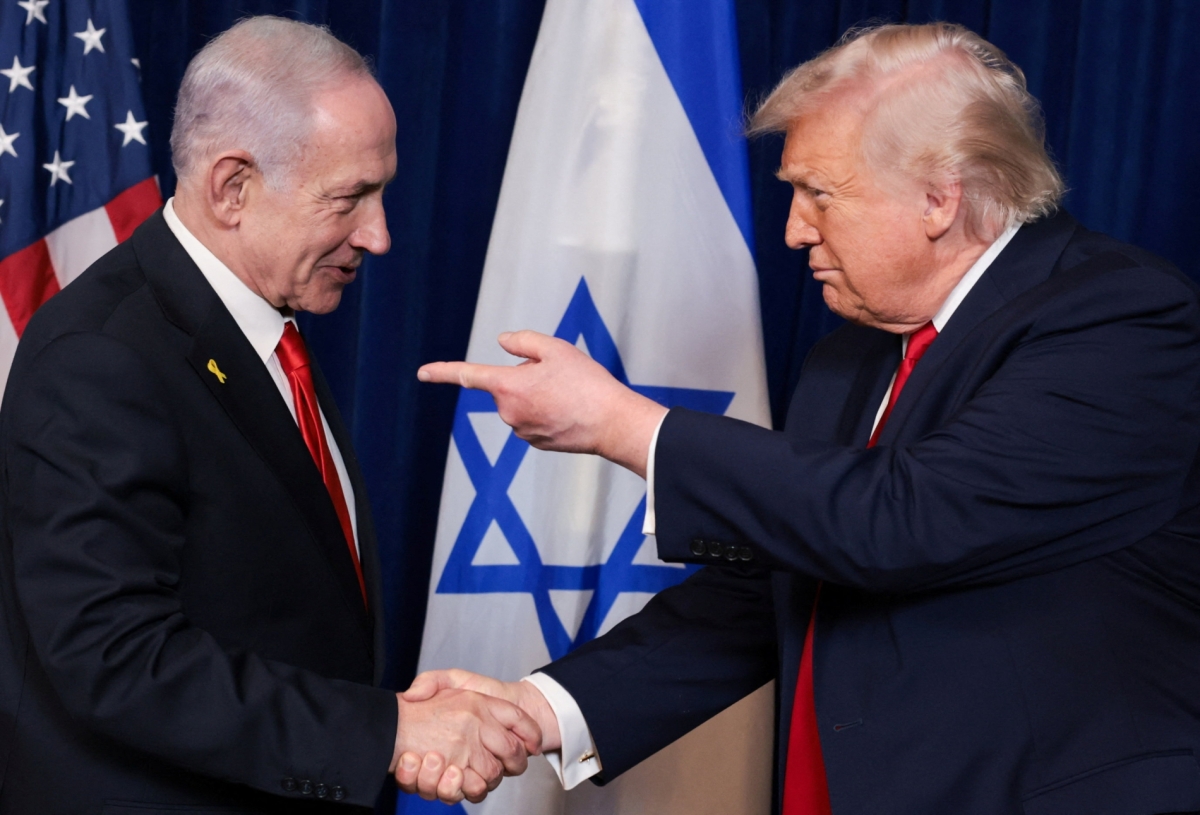

US President Donald Trump warmly greeted Israeli Prime Minister Benjamin Netanyahu at his Mar-a-Lago home in Florida this week as the two leaders put on a public display of unity on multiple fronts—from Gaza to Iran to Netanyahu’s legal and political challenges at home.
This meeting came after weeks of signs and speculation about possible tactical gaps between the two leaders on key issues like moving into the second phase of Trump’s 20-point plan on Gaza.
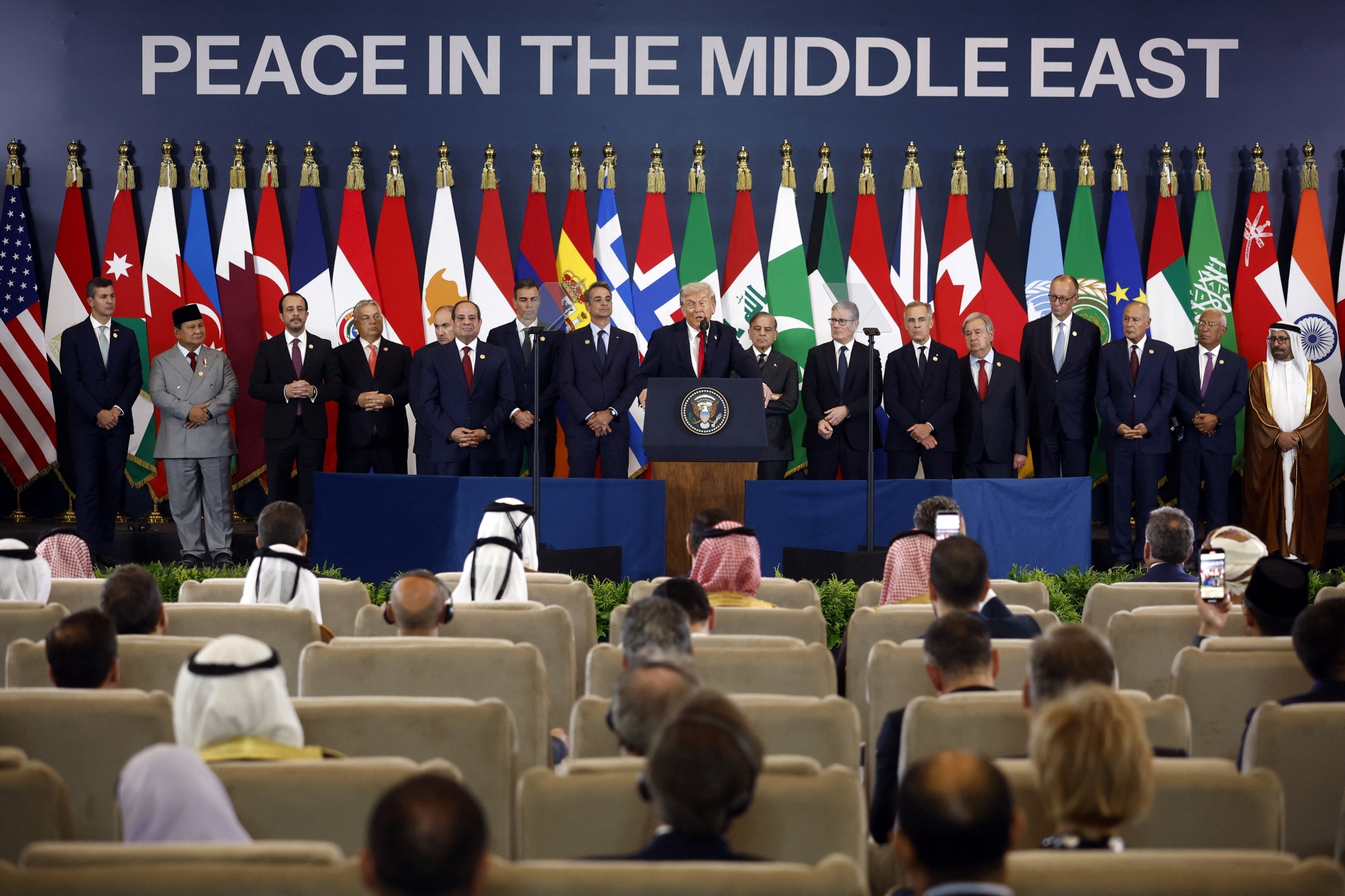
Trump makes no secret of his aspiration to be viewed as a peacemaker—even as he orders strikes in far-flung places such as Venezuela and Nigeria—and securing a lasting, comprehensive peace in the Middle East remains a top priority.
But one element that has been absent from Trump’s modus operandi since his first term in office will likely impede substantial progress in the Middle East: a meaningful effort to address the grievances of the Palestinian people in Gaza, the West Bank, and Jerusalem and genuinely include them in a sustainable peace.
Monday's public show of unity between Trump and Netanyahu reinforced once again how the US prioritises Israel’s concerns at the expense of Palestinian rights.
This was largely the case in Trump’s first term as president. After some warm exchanges with Palestinian Authority leaders in the first year of his first term, Trump implemented a maximum pressure campaign on the Palestinians, closing the Palestine Liberation Organisation’s diplomatic office in Washington, DC and cutting US aid to Palestinians in 2018.
In early 2020, the first Trump administration issued a “Peace to Prosperity” plan that had little input from Palestinians and was criticised by its leaders. Trump achieved normalisation deals between Israel and the United Arab Emirates, Bahrain and Morocco in his first term without having to make any concessions to the Palestinians.
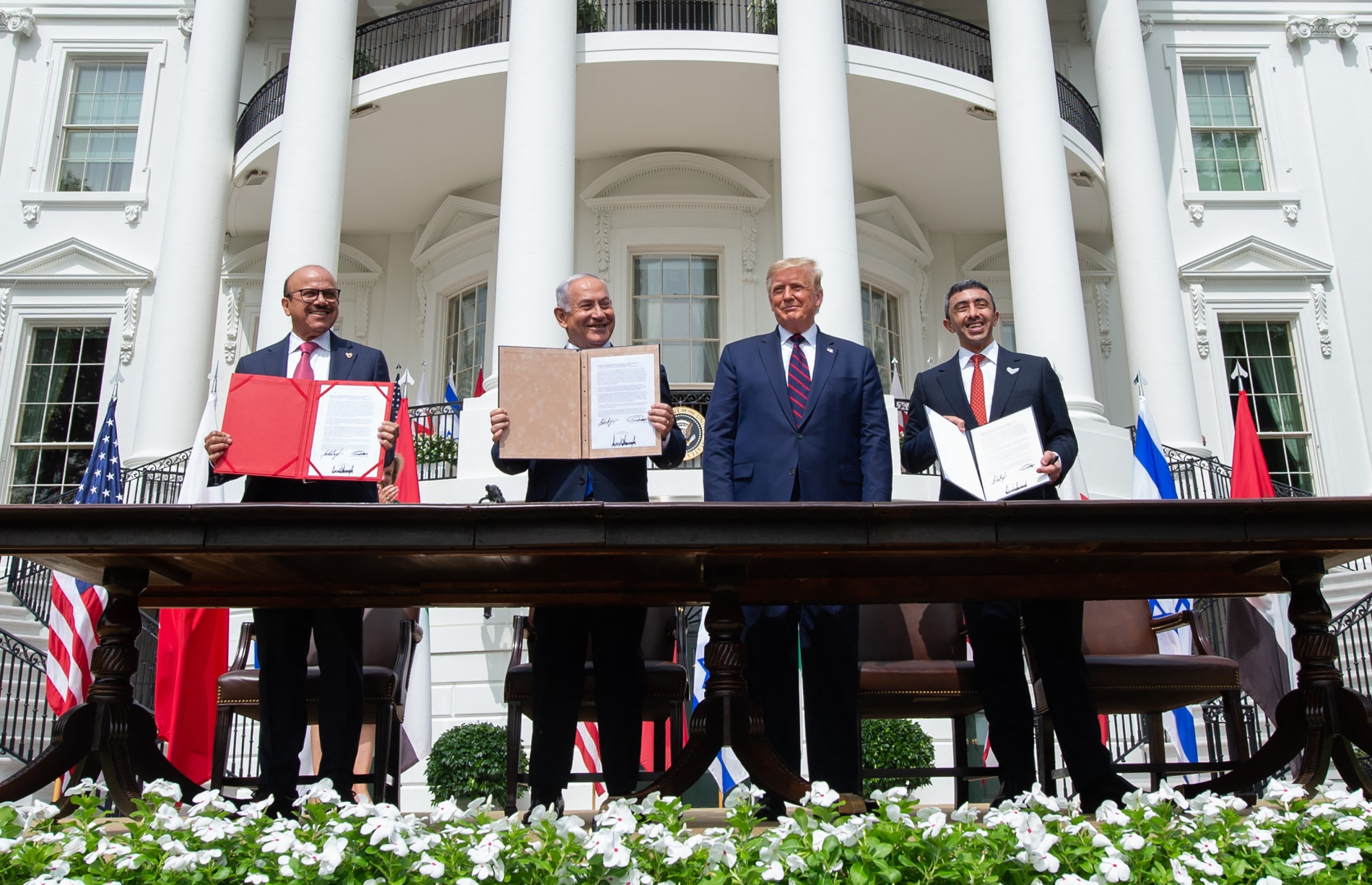
But this formula won’t likely work if Trump is serious about achieving a normalisation deal between Saudi Arabia and Israel and wider peace in the Middle East. More than two years of Israel’s war on Gaza, along with its increasingly unpredictable and aggressive actions across the Middle East in the past year, have made leading Arab countries like Saudi Arabia less enthusiastic about building ties with Israel.
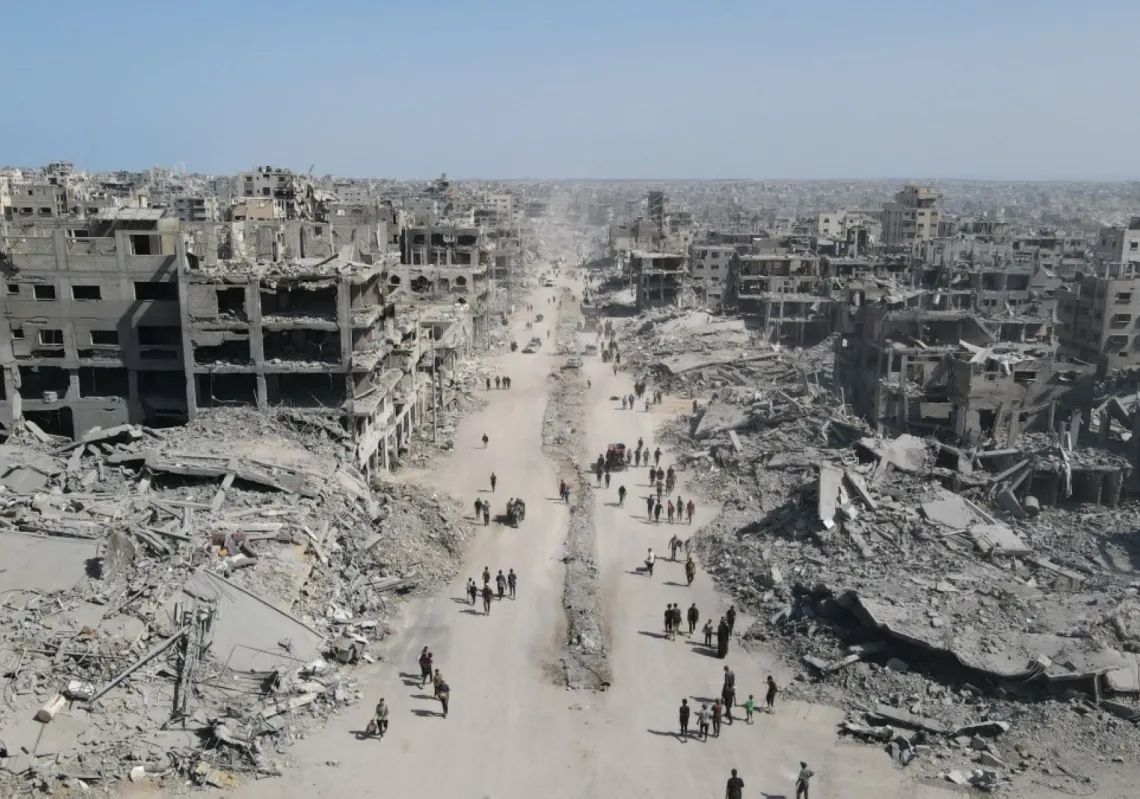
Trump came into his second term in office with a ceasefire and hostage release deal in place that lasted only a few weeks until Israel decided to end it and restart military operations and a siege on Gaza that exacerbated the humanitarian situation for millions of Palestinians there from the spring into the summer and fall of this year.