A world transformed: geopolitics in the first quarter of the 21st centuryhttps://en.majalla.com/node/328902/politics/world-transformed-geopolitics-first-quarter-21st-century
The first quarter of the 21st century is coming to an end, and global politics looks quite different to how it did when crowds gathered across the globe to welcome in the new millennium.
For many, especially in the West, the year 2000 marked a high point in liberal-democratic optimism before it was rocked by shocks such as 9/11, the Financial Crisis, and the rise of right-wing populism. Yet for others, especially in parts of the Global South, the past 25 years have seen a welcome shift in global power away from the Western dominance of the post-Cold War era.
But how much has really changed? Previous quarter centuries have been more significant by comparison. The period immediately prior, from 1975-2000, saw the implosion of the Soviet Union, the end of the Cold War, the collapse of Communism as an ideology, and the shift to a unipolar world dominated by the United States and liberal democratic capitalism.
The first quarter of the 20th century, from 1900 to 1925, similarly saw huge structural transformations. The First World War ushered in the era of total warfare, created a plethora of nation-states from the collapsed German, Russian, Austro-Hungarian and Ottoman Empires, and saw Communism in power for the first time. 2000-2025 has seen more nuanced changes in contrast, perhaps closer to ‘quieter’ quarter centuries like 1950-75.
While much has changed only subtly, and an observer from 2000 would still clearly recognise the world of 2025, the following article discusses some of the significant shifts that have occurred.
The most significant change since 2000 has been the end of unipolarity and the emergence of multipolarity
From unipolar to multipolar
Perhaps the most significant change since 2000 has been the end of unipolarity and the emergence of multipolarity. When the Cold War ended, the US enjoyed what Charles Krauthammer called 'the unipolar moment', when it was the sole global superpower. As 2000 dawned, the US was by far the world's largest economy—twice as large as its nearest competitor, Japan—while the next three biggest were all US allies: Germany, Britain and France.
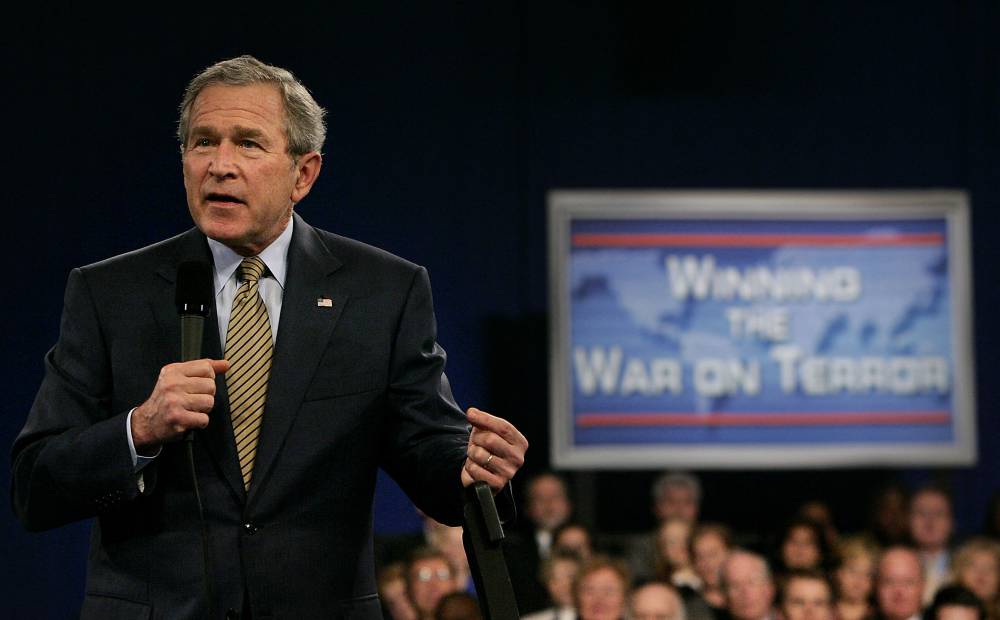
Economic and military dominance emboldened successive US presidents to try to refashion the world, whether George HW Bush's 'New World Order', the 'Washington Consensus' under Bill Clinton or George W Bush's 'War on Terror.' While they had mixed success, they encountered little pushback from the international community because no Soviet Union or equivalent great power could challenge American hegemony.
US President George W. Bush delivers an address at the Louisville Convention Centre on 11 January 2006 in Louisville, Kentucky. Bush spoke about the US war in Iraq.
Today, the picture is quite different. While the US remains the world's most powerful state, it is no longer uncontested. China's economy is two-thirds the size of the US, and in 2020, it was as close as three-quarters. With India entering the top five economies and Russia entering the top ten, the US and its allies are less economically dominant than in the past.
And while the US still spends more on its military than the next 14 states combined, this no longer translates into the same global dominance that it did in 2000. Most analysts agree that the world order in 2025 is multipolar and the unipolar moment is over.
Much of this was down to the changing global role of the United States. Arguably, the key events were the invasions of Afghanistan and Iraq from 2001 to 2003 and the financial crash of 2008. The latter weakened the US economy to China's benefit and raised questions about the wisdom of spending vast sums on foreign adventures, as the former had. Indeed, the long and largely unsuccessful occupations of Iraq and Afghanistan simultaneously challenged the effectiveness of US military power to have the transformative effects its leaders hoped and helped turn the US public against interventionism.
While the US has subsequently deployed its military globally, presidents have felt compelled to promise voters "no boots on the ground," thereby restricting Washington's ability to make the most of its clear military advantage. Trump's unwillingness, for example, to contribute American troops to the Gaza International Stabilisation Force is the latest example of this.
A related second factor contributing to multipolarity is the shift in China's position. In 2000, Washington and other Western capitals still firmly believed in 'China's peaceful rise': the idea that as China became wealthier and integrated into the world economy, it would eventually embrace Western liberal democracy and be a partner rather than a competitor.
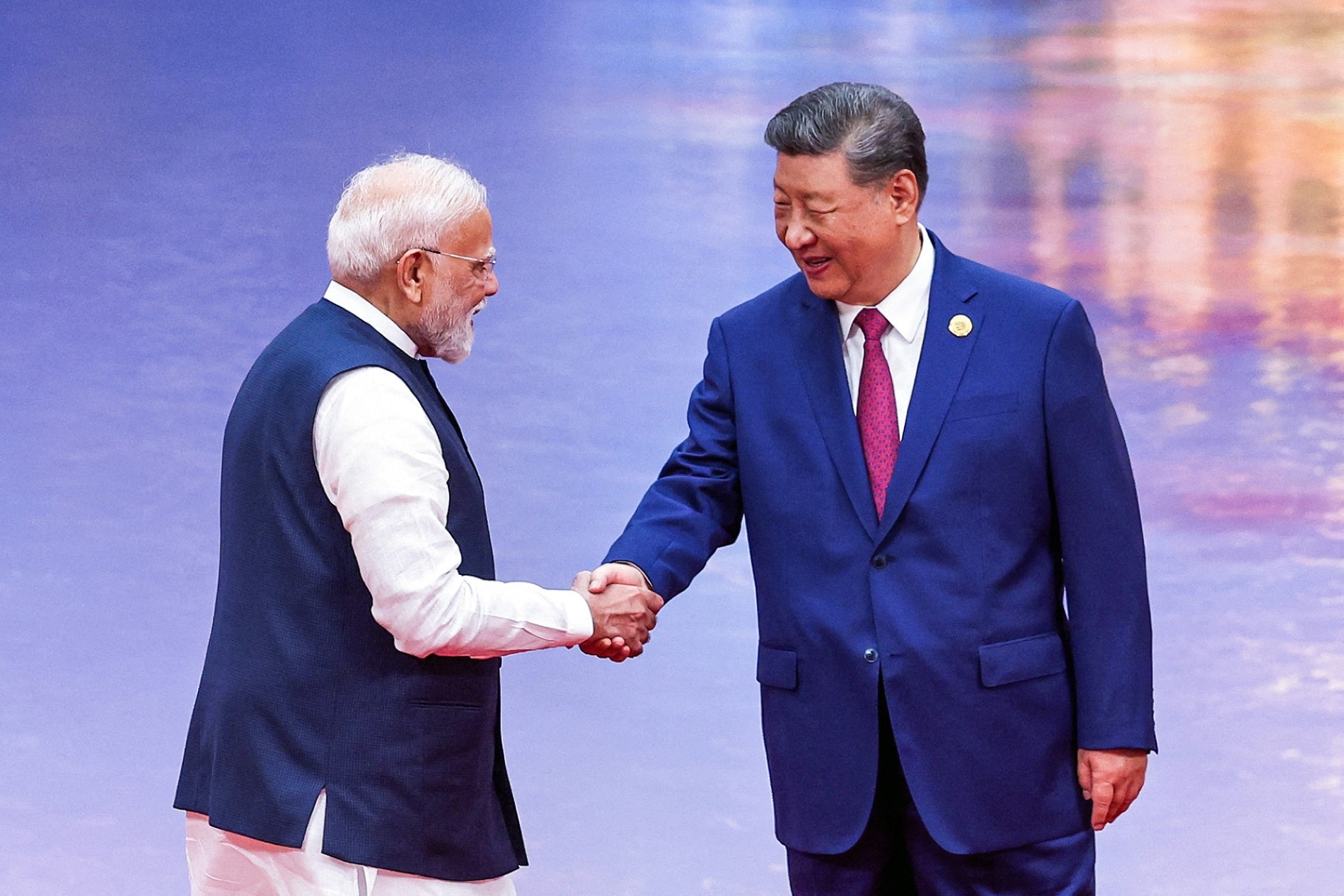
This has not happened. The Chinese Communist Party remains firmly in charge, with few signs of democratic revolutions from either above or below. Since Xi Jinping's rise to power in 2012, he has moved away from Deng Xiaoping's philosophy of a 'low profile' approach to foreign affairs, adopting instead a more combative, revived Chinese nationalism. The ambitious Belt and Road Initiative, threats against Taiwan, and military expansion in the South China Sea are all examples of this, which has brought it increasingly into conflict with the West.
Indian PM Narendra Modi and China President Xi Jinping shake hands during the welcome ceremony of the Shanghai Cooperation Organisation (SCO) summit in Tianjin on August 31, 2025.
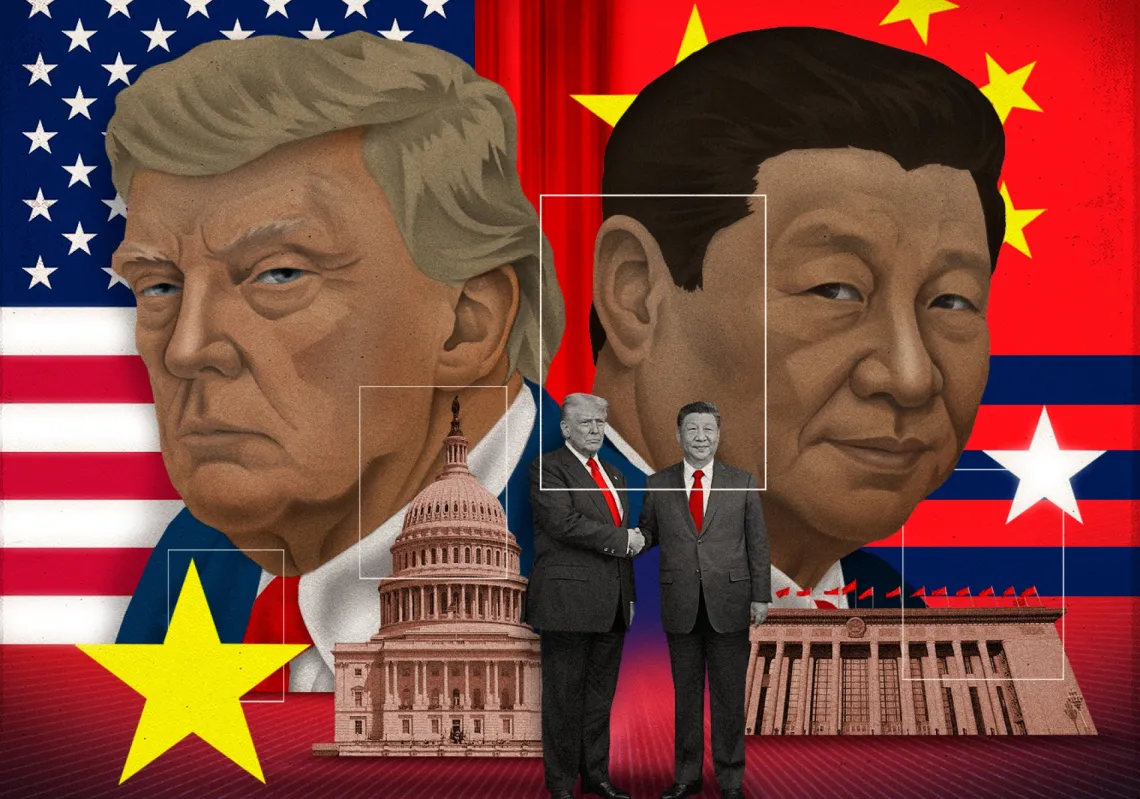
With China cultivating its own network of global allies and seeking to peel states away from the US orbit, Beijing is now regarded as Washington's main rival in a way it wasn't 25 years ago. Some have even labelled this renewed hostility a 'new Cold War.'
But China is not America's sole rival nor the only global power contributing to multipolarity. Russia is also in a very different position. On the eve of the new millennium, Russian President Boris Yeltsin resigned, appointing his Prime Minister, Vladimir Putin, as acting President. Few would have expected his choice to remain in power today, nor to have overseen a radical shift in Russian domestic and global politics.
Putin has abandoned the embryonic post-Soviet democracy of the 1990s for a kleptocratic autocracy centred around himself. While this has brought greater economic stability, it has come with harsh domestic crackdowns and military aggression abroad. Famously calling the collapse of the USSR, "the greatest geopolitical catastrophe of the century," Putin has seemingly sought to revive Moscow's global power, primarily through military means.
This included invading Georgia in 2008, annexing Crimea and sending forces into the Donbass in 2014, intervening in Syria in 2015, and invading Ukraine in 2022, as well as low-level involvements in Libya, Sudan and the Central African Republic. While no match for the military might of Washington, Putin's military activism has further undermined the post-Cold War US-led unipolar order.
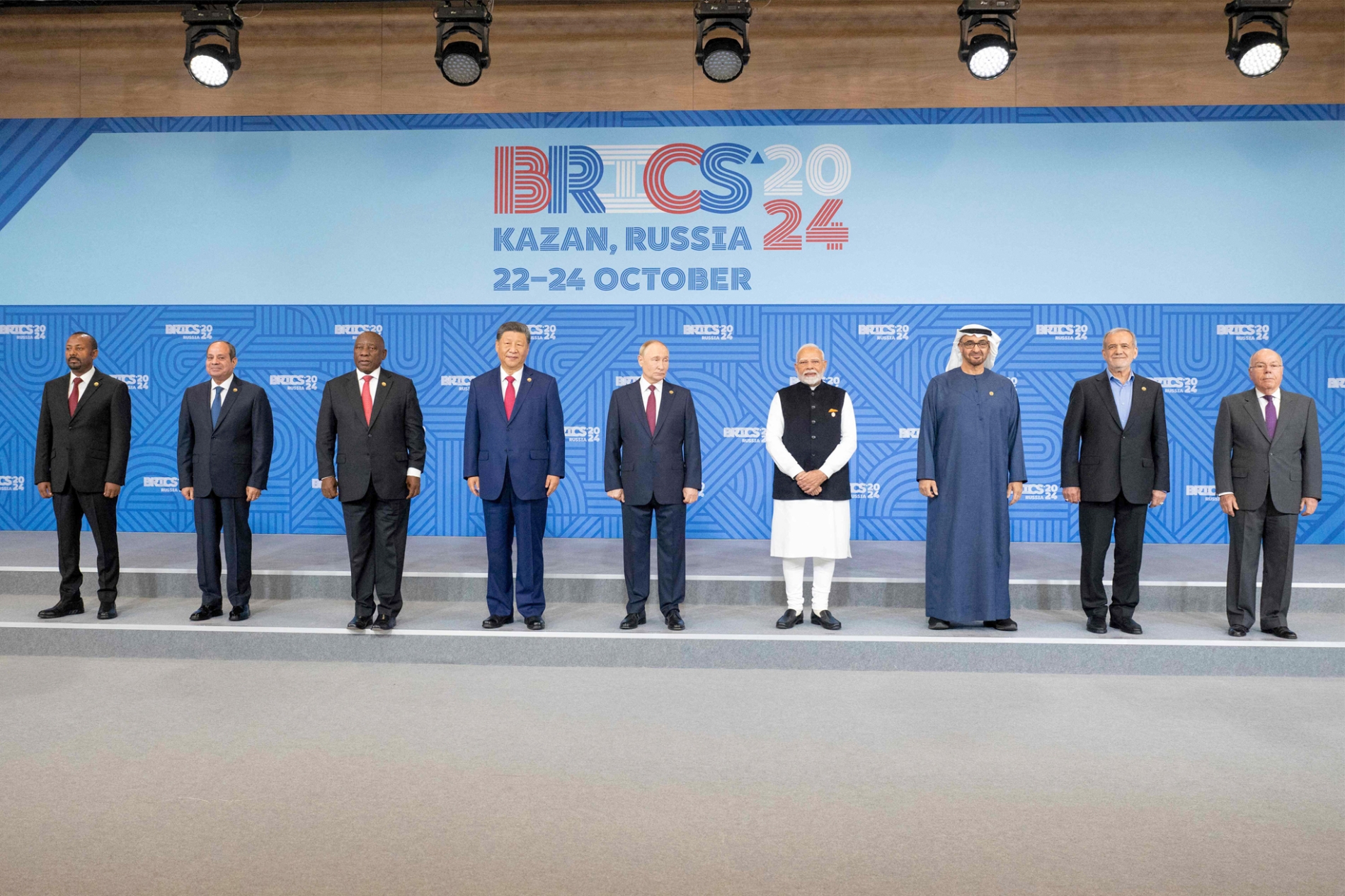
While China and Russia are the most high-profile and powerful states challenging the US, the shift from unipolarity to multipolarity has been further accelerated by the rise of 'Middle Powers,' especially from the non-Western world. Brazil, India and South Africa joined Russia and China to form BRICS in 2009-10, a self-consciously non-Western group of (initially) emerging markets, amplifying the voice of the Global South and offering an alternative to the US-dominated G8 (later G7).
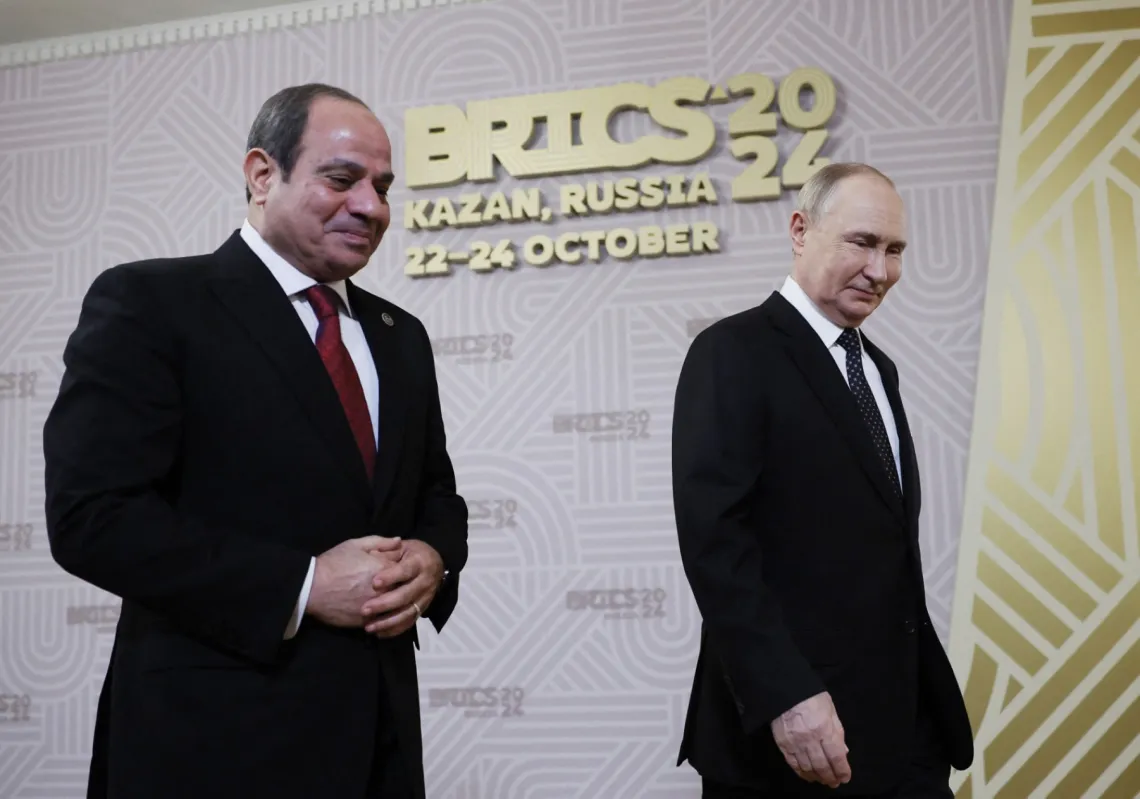
The 2024 expansion of BRICS to include three US allies—the UAE, Egypt, and Ethiopia, plus Iran—and the invitation to two more, Saudi Arabia and Türkiye, underscored how the global environment has changed since 2000. While, at the turn of the century, the US was the only superpower and the West dominated global institutions such as the World Bank and the IMF, 2025 sees Middle Powers no longer feeling compelled to align exclusively with Washington, but instead to pick and choose their allies on a case-by-case basis.
The presidents of Egypt, South Africa, China, Russia, UAE, and Iran, the prime ministers of Ethiopia and India and Brazil's foreign minister pose for a family photo during the BRICS summit in Kazan on October 23, 2024.
From liberal globalisation to populist nationalism
A second, significant shift is ideological: the relative decline of globalised liberalism and the related rise of populist nationalism.
As the 1990s closed, liberals could reflect on a remarkably successful decade. The former Communist states of Eastern Europe had nearly all embraced both liberal democracy and globalised capitalism. Alongside a shift away from autarkic authoritarianism in East Asia, Latin America and Africa that began in the 1970s, this contributed to a wave of optimism at the start of the 21st century.
It seemed that Francis Fukuyama was correct when he predicted that liberal democratic capitalism was the optimal form of government that would eventually be embraced by all states. Yet, according to Freedom House, this peaked in 2005, and since then, global freedom has declined year on year. Many newly democratic states reverted to more autocratic practices, while even established democracies elected populists who eroded long-standing freedoms and undermined democratic institutions.
While liberalism, in both its political and economic forms, is far from dead, it is no longer the unchallenged ideology it was in the 2000s
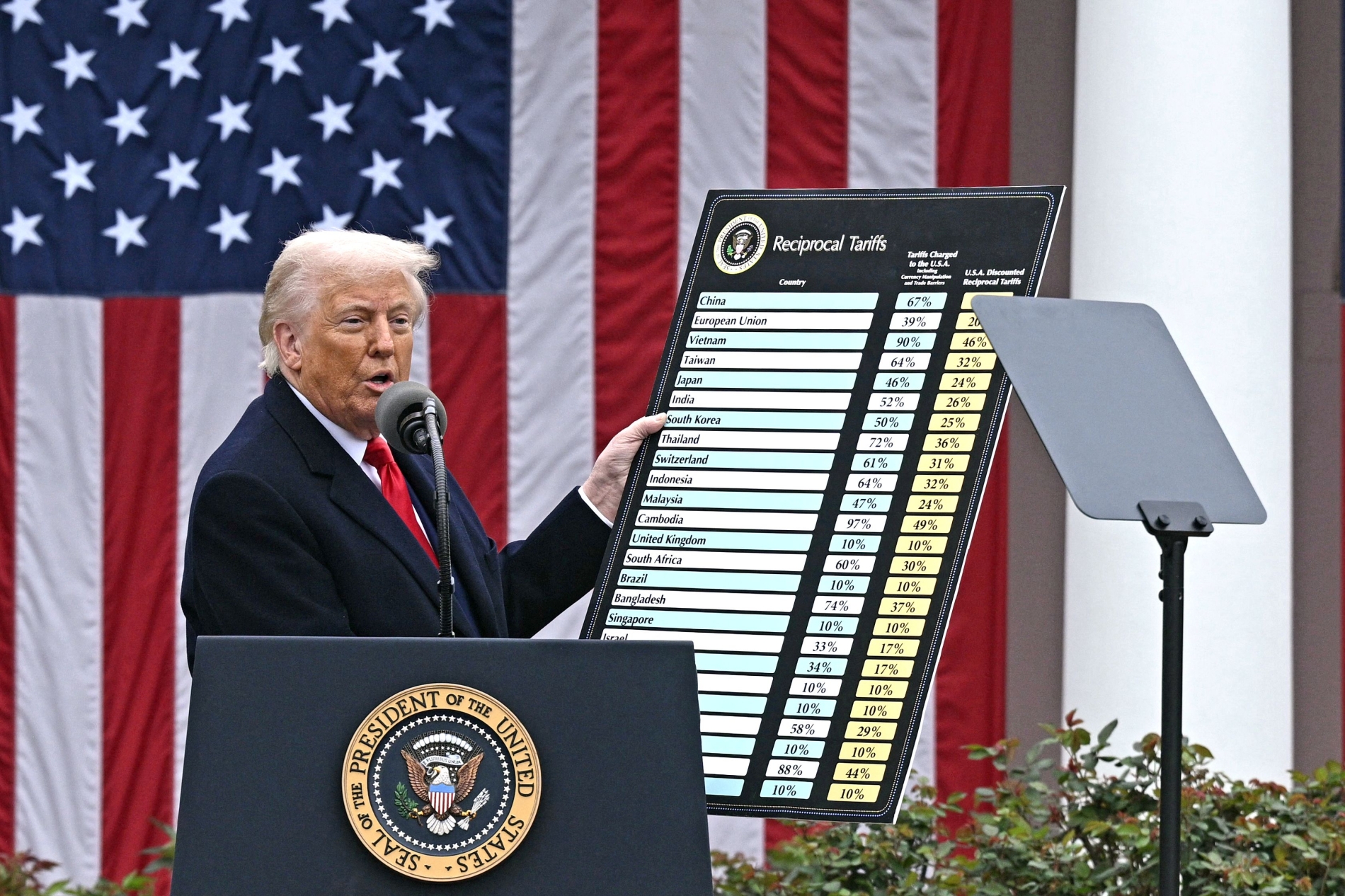
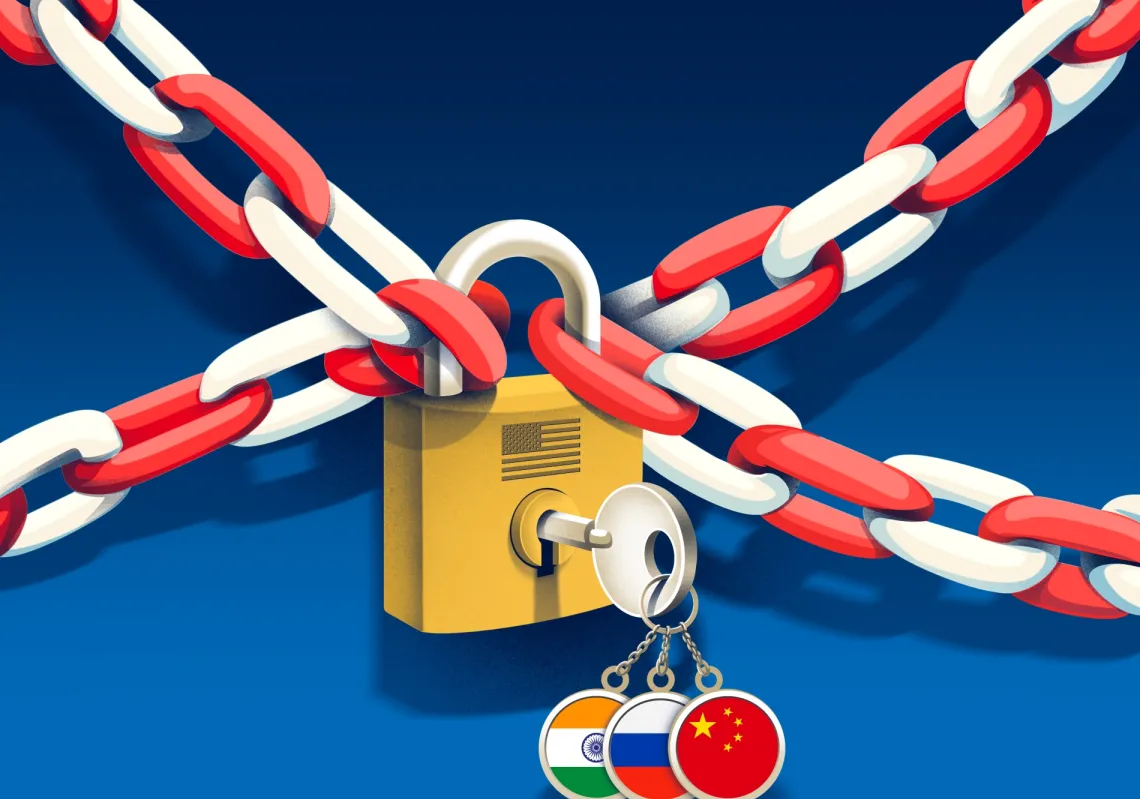
This has come alongside a backlash against globalisation, most recently prompting Trump to erect a tariff wall to challenge the free-trade ideology that has been at the heart of Western policy for decades.
While liberalism was already in decline after 2005, the 2008 Financial Crisis served as a further catalyst. In Western states, the effect was twofold. Firstly, it punctured some voters' faith in the post-Cold War liberal consensus. Before 2008, mainstream Western political parties all promoted the idea that neo-liberal policies, 'trickle down economics' and globalisation would benefit all, as the global economy expanded and delivered jobs and prosperity across society.
UK Chancellor, later Prime Minister, Gordon Brown even hubristically claimed in 1999 that, "the days of boom and bust are over." Not only did the 2008 crash expose such naivety, but it also caused some to lose faith in both economic liberalism and the parties that promoted it, prompting many to shift their loyalties to historically fringe populist parties.
Secondly, many Western economies took years to recover from the 2008 shock and the bank bailouts it necessitated. This also helped the rise of populists who offered simple solutions to complex economic realities. Some were drawn to leftist populists, blaming economic stagnation on the wealthy, but more supported rightists, blaming foreigners and migrants for their nations' financial woes.
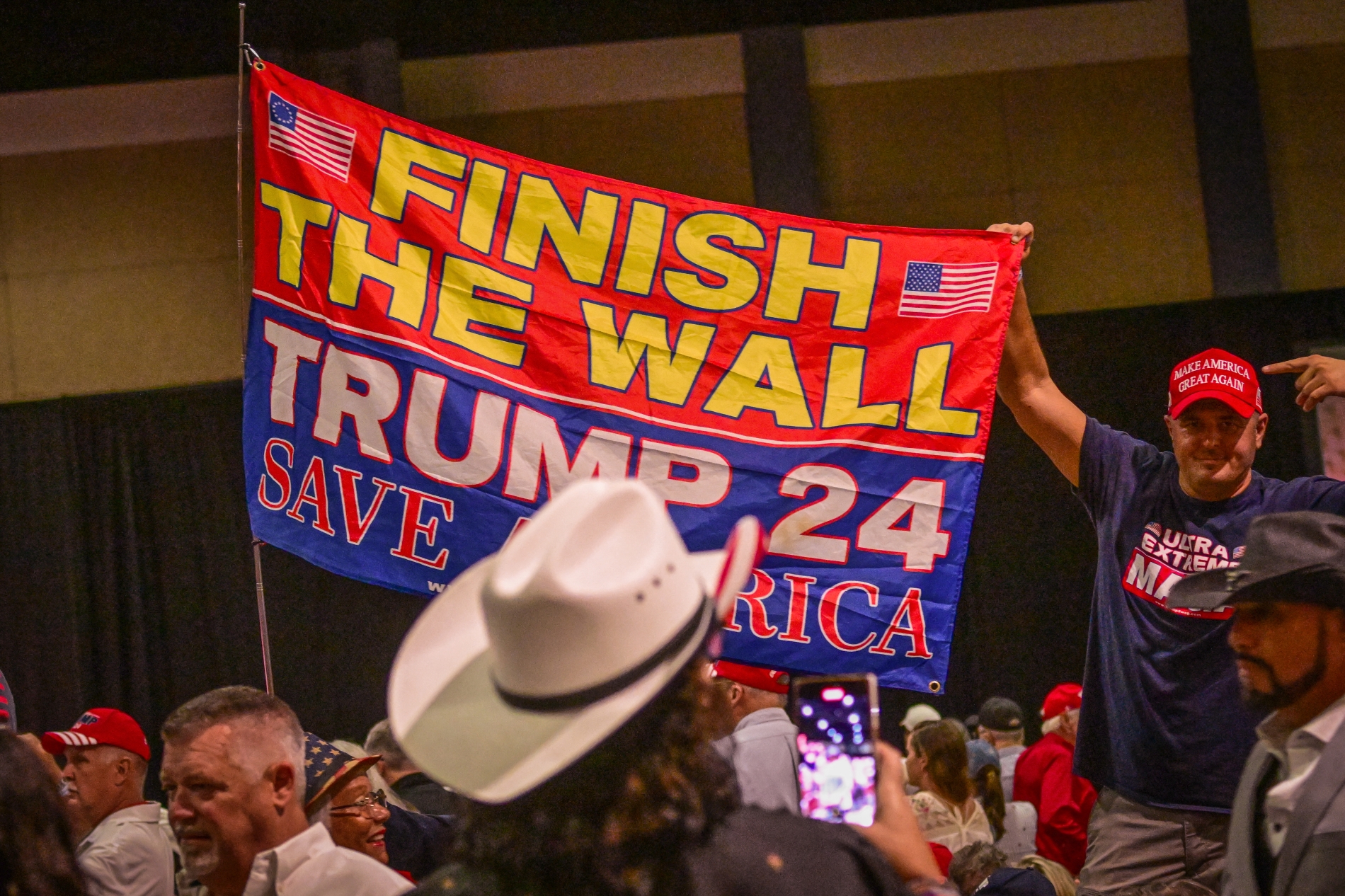
Supporters of Donald Trump hold a sign about the border wall with Mexico before Trump speaks at a campaign rally in Florida on 11 October 2023. Trump has now allocated $46bn to build it.
This contributed to the 2016 Brexit vote in the UK and to the success of Populists in the Netherlands, France, Germany, Spain, Italy, and Portugal, among others. Most significantly, it contributed to Trump's election, first in 2016 and then again in 2024.
Beyond the West, the crash contributed to a broader questioning of Fukuyama's vision. States that had once sought to mimic the US and other Western states' political and economic systems saw that the reality wasn't always as rosy as advertised. At the same time, China was offering an alternative model of development: state-led autocratic capitalism, distinct from the neoliberal free-marketism of the West's 'Washington Consensus.'
Similarly, Vladimir Putin presented an alternative to liberal democracy: elected autocracy. In turn, several populist leaders, including Viktor Orbán in Hungary, Recep Tayyip Erdoğan in Türkiye, Benjamin Netanyahu in Israel, and Narendra Modi in India, tightened their domestic grip.
While liberalism, in both its political and economic forms, is far from dead, it is no longer the unchallenged ideology it was in the 2000s. With the US, China, and Russia currently ruled by populist nationalists who favour greater state involvement in trade and limits on globalisation, 2025 seems a long way from Fukuyama's liberal dream of the End of History.
US President Donald Trump delivers remarks on reciprocal tariffs as US Secretary of Commerce Howard Lutnick holds a chart during an event in the Rose Garden entitled "Make America Wealthy Again" at the White House in Washington, DC.
From liberal interventionism to great power competition
The nature of conflict has been another significant change since 2000. The start of the period was characterised by Western-led liberal interventionism. Though there were wars around the world, the 1990s had seen a concerted effort by the US and other Western leaders to bring long-running conflicts to a close, notably Northern Ireland and the Arab-Israeli conflict—the latter with less success than the former.
Similarly, when wars did break out, Western leaders were at the forefront of mediation efforts and were criticised in instances, like Rwanda and Bosnia, when they appeared inactive. This led to leaders such as Tony Blair declaring in his Chicago Speech of 1999 that military intervention is justified to protect vulnerable peoples, as he claimed was the case with NATO's actions in Kosovo.
Such ideas were provided as justification for further Western military interventions, most notably in Iraq in 2003 and Libya in 2011. In 2005, the international community even agreed to codify a 'Responsibility to Protect (R2P)' doctrine, which allowed for the United Nations to authorise intervention on humanitarian grounds.
Yet such ideas seem a long way from 2025. For one thing, faith in the United Nations among the international community appears at an all-time low. During the era of US dominance, the UN experienced a heyday, with a broad consensus behind American leadership. There were only eight vetoed Security Council resolutions during the 1990s: two each by Russia and China, and four by the US.
In contrast, the total number of vetoes leapt to 14 in the 2000s, 22 in the 2010s and already 20 in the 2020s, with Moscow, Beijing and Washington regularly clashing. Rather than an instrument of global conflict management, the UN has become an arena within the great-power competition that has returned to international politics.
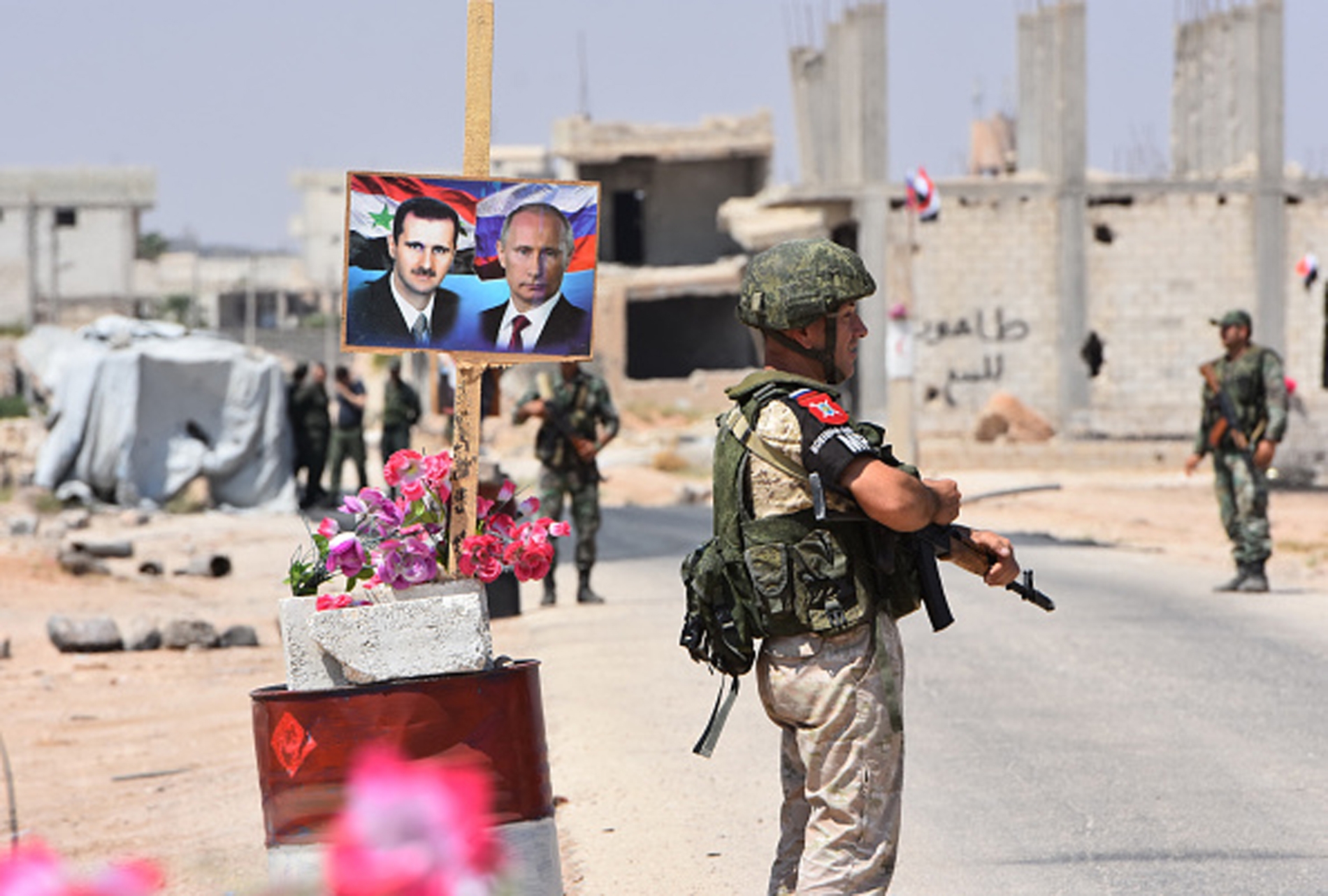
This has impacted the nature of conflict. Interventions have occurred, as in the 1990s, but more out of national interests rather than humanitarianism. The US, similarly, opted not to intervene in the Syrian civil war to protect unarmed activists, despite urging from allies, but did do so in 2014 when the Islamic State threatened its regional interests. Russia similarly sent troops to Syria to project power into the Middle East rather than on humanitarian grounds.
Members of Russian and Syrian forces at the Abu Al-Duhur crossing on the eastern edge of Idlib province on August 20, 2018.
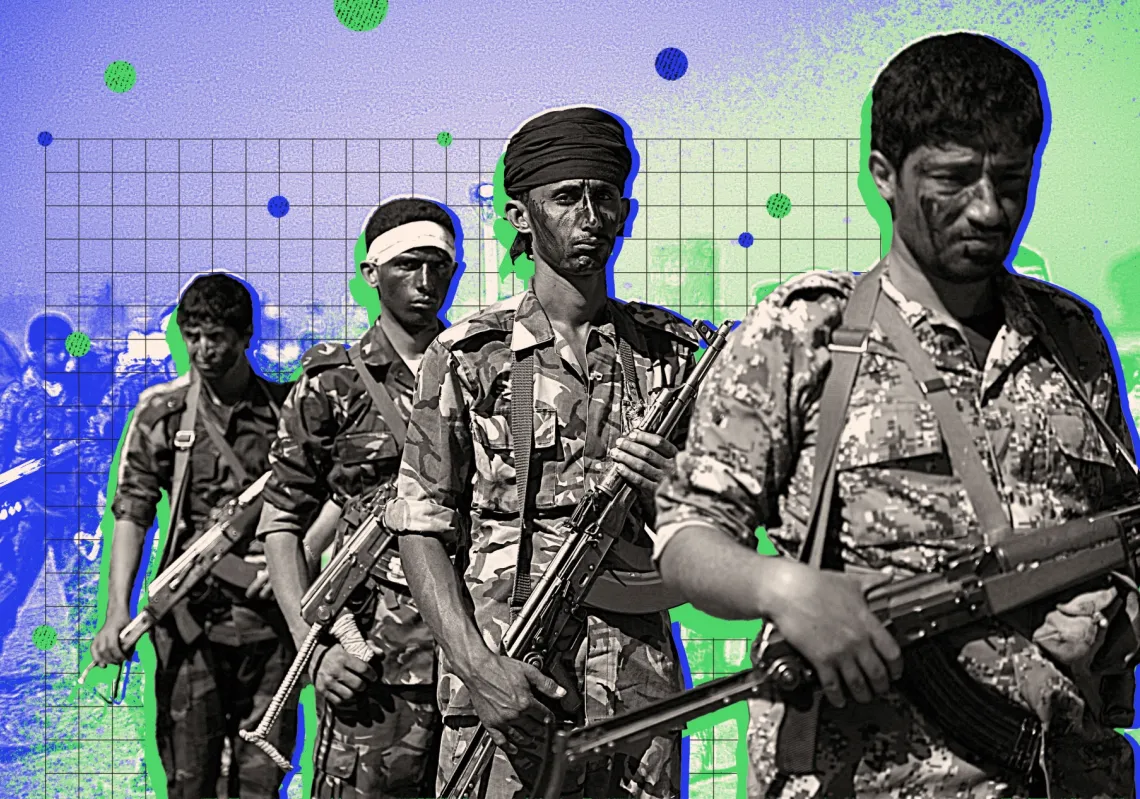
Regional and global powers have more often viewed civil wars as opportunities to outflank their rivals rather than as humanitarian catastrophes that they must stop. Similarly, after a reduction in state-to-state conflicts during the 1990s and 2000s, recent years have seen them returning. Whether Ukraine fighting Russia, India clashing with Pakistan, Israel fighting Iran or Azerbaijan defeating Armenia, 'traditional' state-to-state wars now seem as common as civil wars, which was not the case in 2000.
Trump's recent hyperactive diplomacy shows that there remains a global appetite for pursuing peace deals. However, these are far more unilateral than the UN-based efforts of the 1990s and appear far more transactional, grounded in national interests within a great-power competition rather than in any notion of shared values and principles.
Unseen reverberations
While these three trends are the most visible geopolitical shifts of the past 25 years, it is plausible that future historians will emphasise other points with the benefit of hindsight. It remains unclear, for example, how much the 2020-2021 COVID-19 pandemic will impact global politics in the long term and how the societal changes it brought about will imprint on politics.
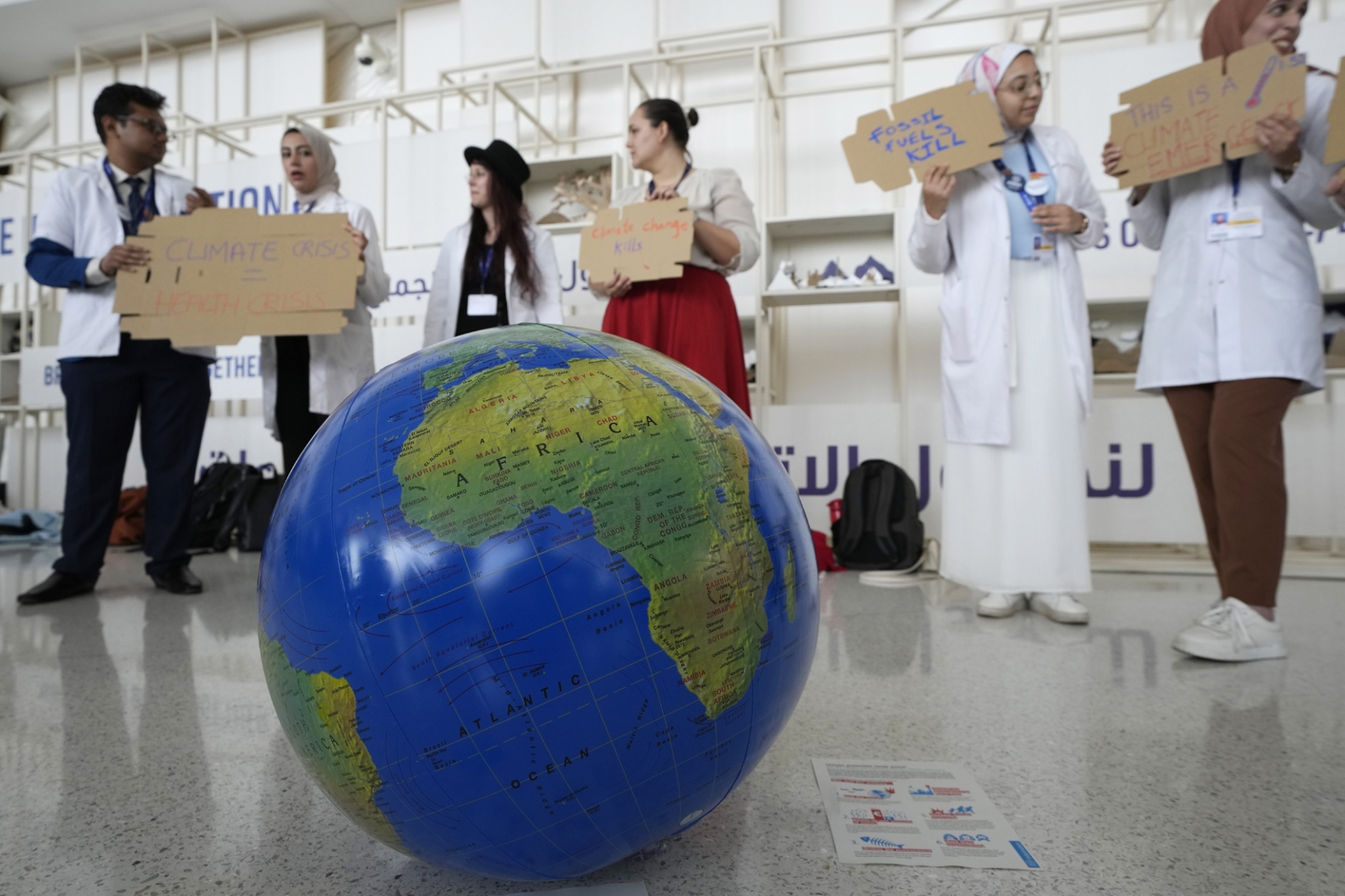
Activists demonstrate during the United Nations COP28 climate summit in Dubai on Wednesday, 6 December 2023.
The same is true of climate change. At present, despite climate change having been an issue throughout the period under discussion, it has not yet prompted significant geopolitical changes.
In the future, however, developments over the past quarter-century may have a significant impact. Such developments are unlikely to be positive; however, geopolitics is generally in a more pessimistic state than it was 25 years ago.
This is, of course, all relative. For many in the Global South, although the overall picture is less favourable, their position within the global order has improved. For the West, though, the story is one of general decline, both in relative influence and in the hegemony of Western ideas such as liberalism. It is perhaps unsurprising, therefore, that populists like Trump have successfully traded on nostalgia and the idea of making things "great again."