Houthi actions change the security calculus in East Africa

The presence of large armies and costly bases no longer guarantees control. The rules are now written by whoever has the will and the accessible means to enforce them

Al Majalla/Reuters

Houthi actions change the security calculus in East Africa

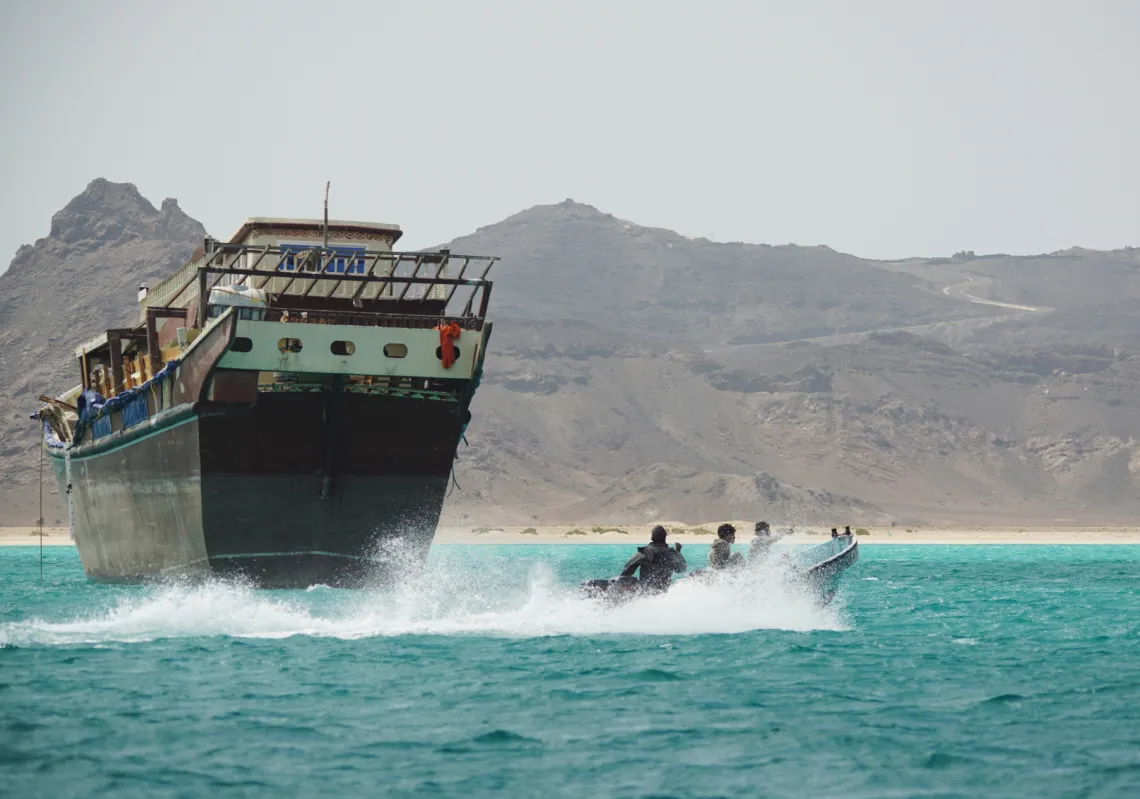
When the Houthis began striking ships in the Red Sea and the Bab al-Mandab Strait in 2023, it looked to be just another episode of Yemen's war spilling into the seas. But three years later, it can now be seen in a new light: the testing of a model to control a key chokepoint of global trade. Now that the rebel group has captured much of Yemen's western coast, observers wonder about its implications for East Africa, which sits just on the opposite side of the Red Sea. While it may be too early to draw definitive conclusions, the group's ability to obstruct the waterway (without a state army or navy) has shown the world how easy it is to do so.

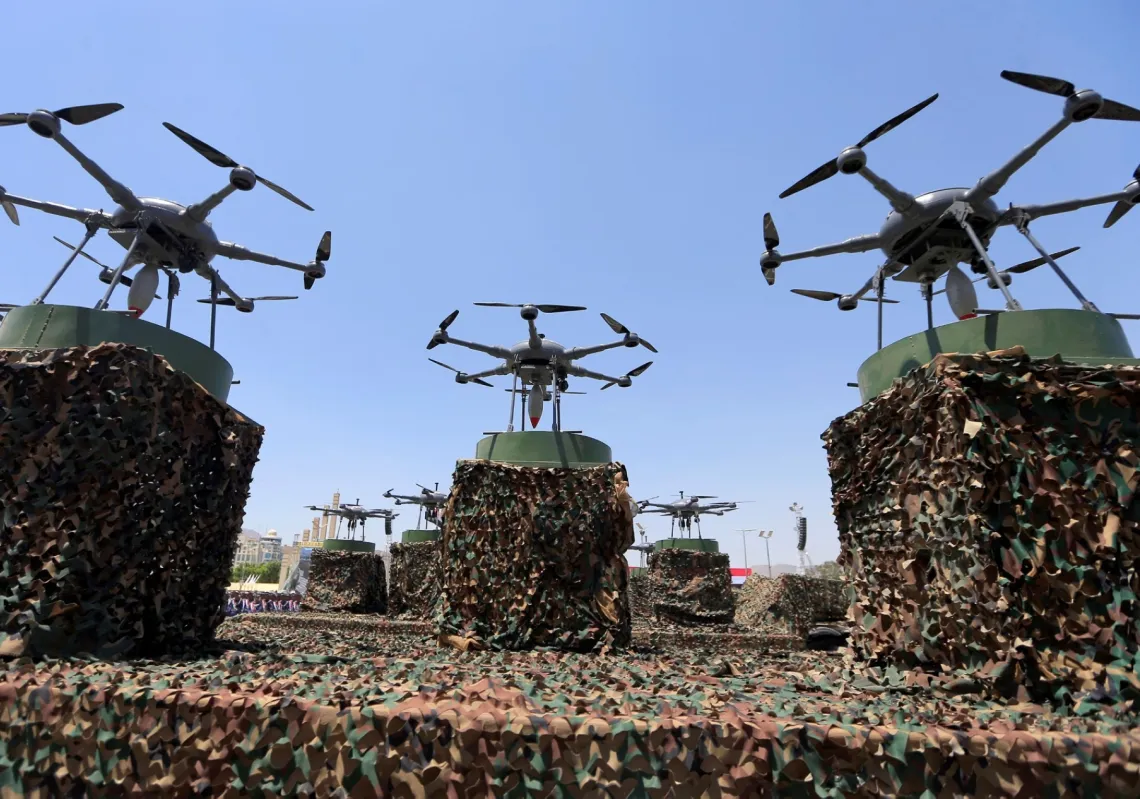
To be fair, the Houthis never acted alone. Tehran backed them from the outset, supplying the weapons and technology that turned an insurgent movement into a force capable of threatening global logistics. Since 2023, the Houthis have shot down at least 15 American MQ-9 Reaper drones, according to American military sources cited by the Associated Press; in six weeks alone in the spring of 2025, they inflicted $200mn in US military losses.

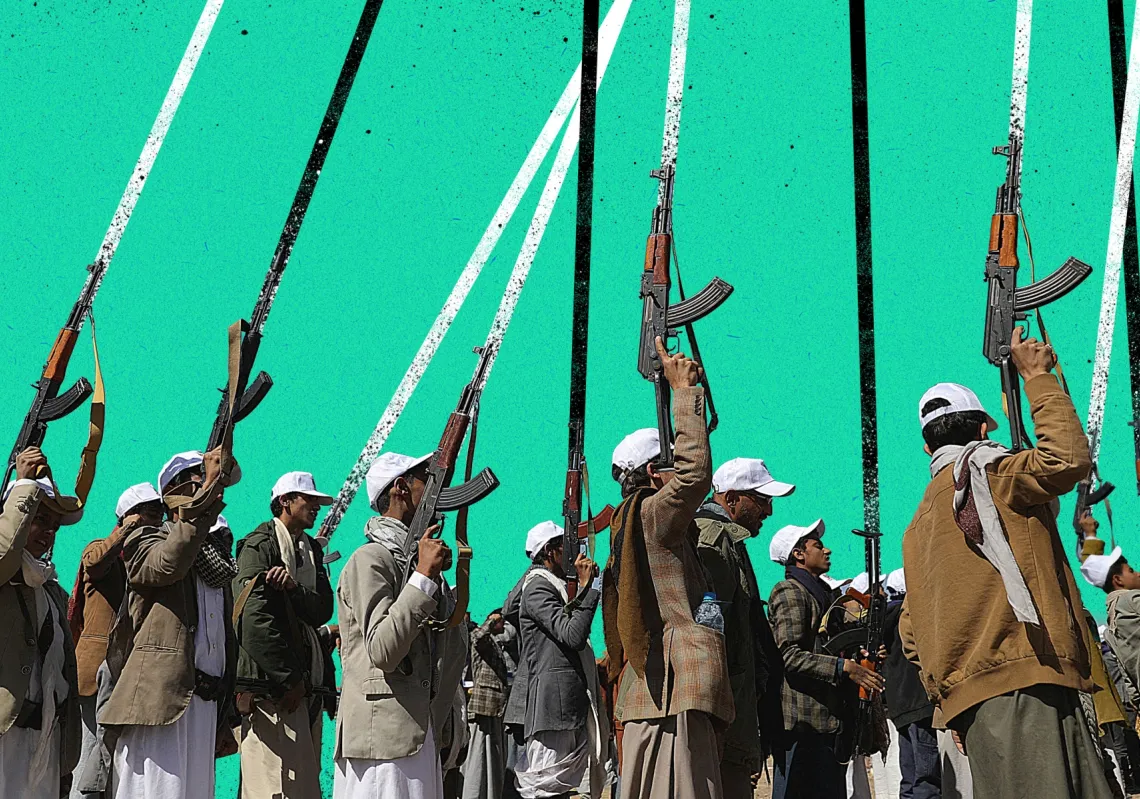
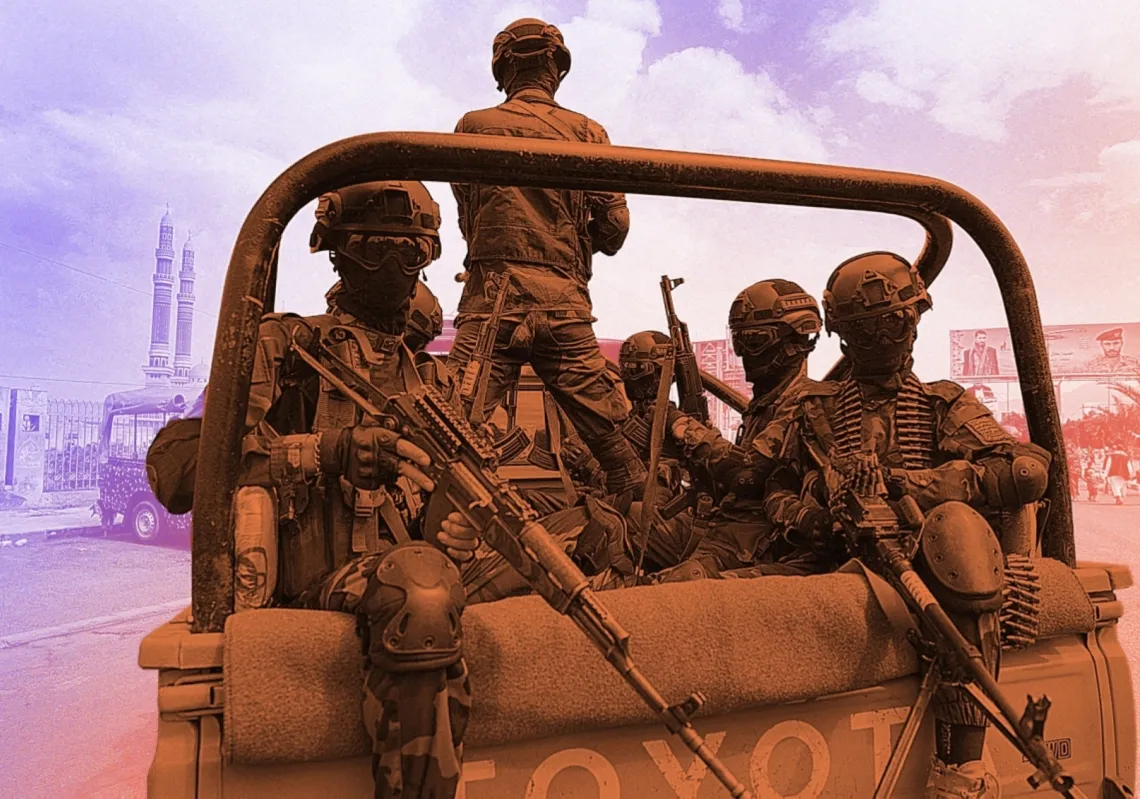
Of course, cheap technology alone cannot explain their reach. The group is highly motivated and has a clear goal and programme for achieving it. Therefore, even if it faces far stronger opponents, the group retains the ability to drive up costs for their adversaries, making a sustained military campaign against them unsustainable in the long run.
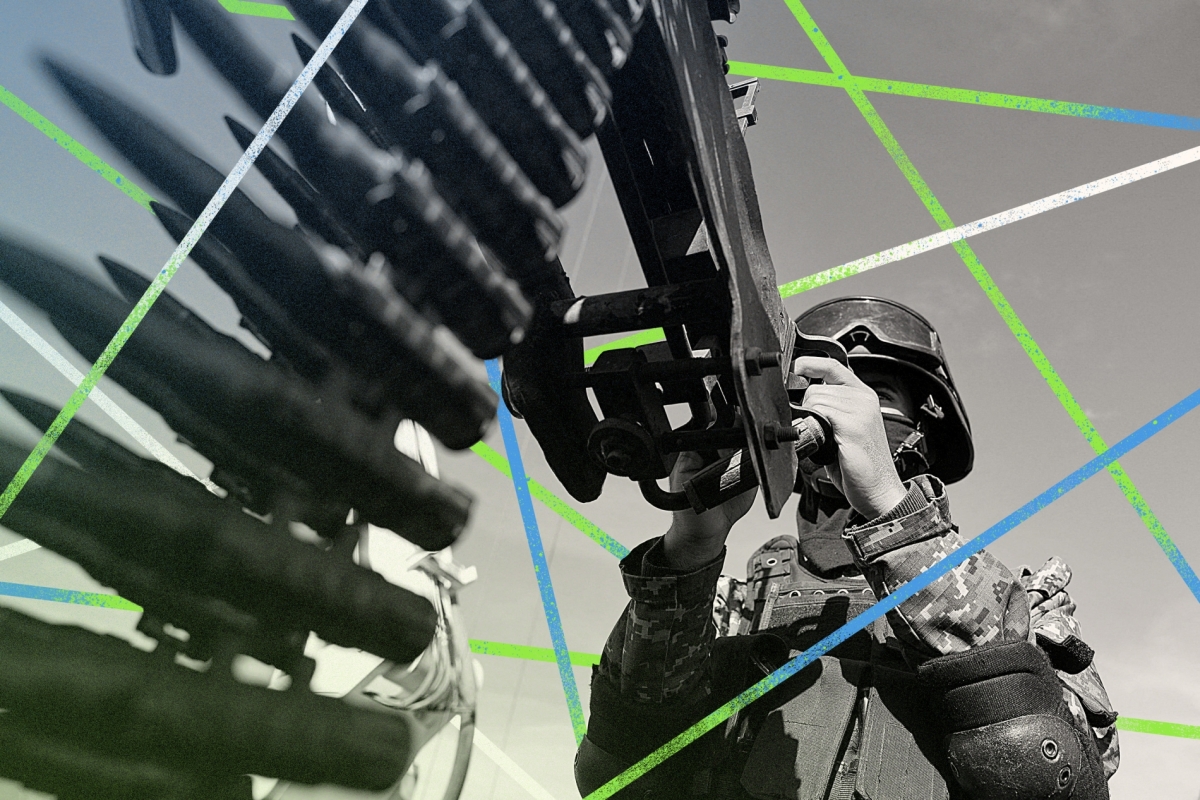
Even if it faces stronger opponents, the Houthis can drive up costs for their adversaries, making a military campaign against them unsustainable in the long run

At the same time, Somali piracy has revived noticeably off the coast, and reports of contact between the Houthis and al-Shabab suggest the model is starting to spread horizontally, from one non-state actor to another.

Effects already being seen

Developments in and around the Red Sea show how the Houthis are openly standing up to the West and its order, believing they can dictate terms that only states and coalitions used to set. The effects are already being seen in East Africa, as when the Houthis demanded that Israeli military infrastructure not be based in Somaliland. For its part, Djibouti has restricted certain types of port calls since December 2025.

This shows how security calculations are being made in East Africa. It is not necessarily because the Houthis are forcing them to, but because the possibility of such action has changed the cost of old arrangements.

Daphné BENOIT / AFP
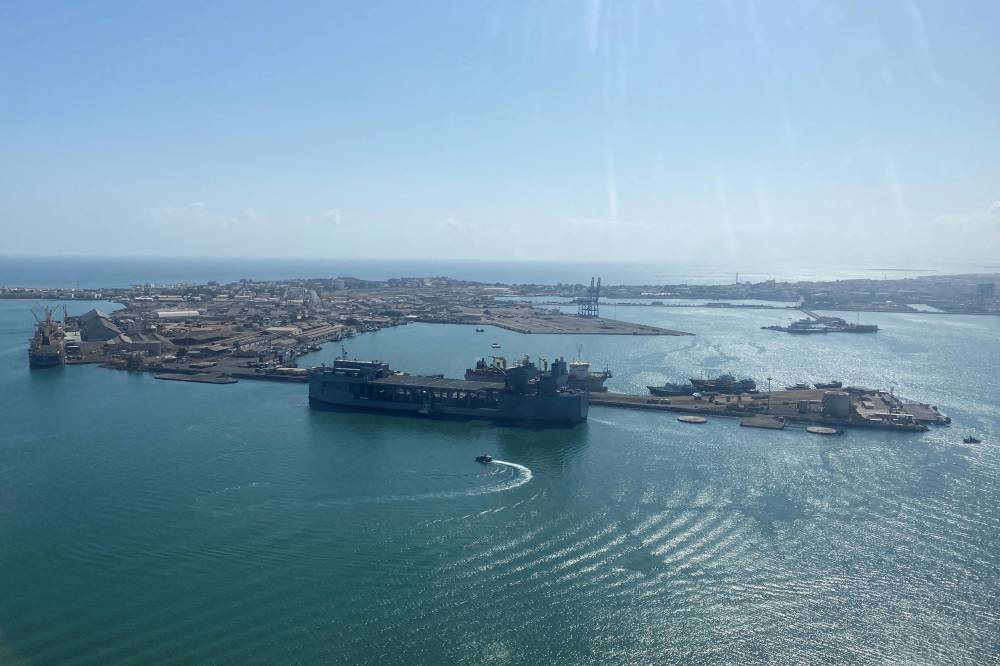
A photo taken on 1 February 2021 shows Djibouti's naval base.

This reassessment of strategy is felt most in Djibouti, which hosts military bases belonging to the US, France, Japan, China, and Djibouti itself—the only place on Earth where Beijing's and Washington's bases sit side by side. These bases were seen as assets to their respective countries, but in the current turbulent circumstances, they can become targets instead.

For the first time in Africa, the rules of the game in a zone vital to global trade are being set by a quasi-state structure rather than a state or a coalition, and it is not necessarily doing so by threatening military force, but simply because it has changed security calculus in the region. For Djibouti and its neighbours, this means that the presence of large armies and costly bases no longer guarantees control. The rules are now written by whoever has the will and the accessible means—and the Horn of Africa is feeling it first-hand.

font change