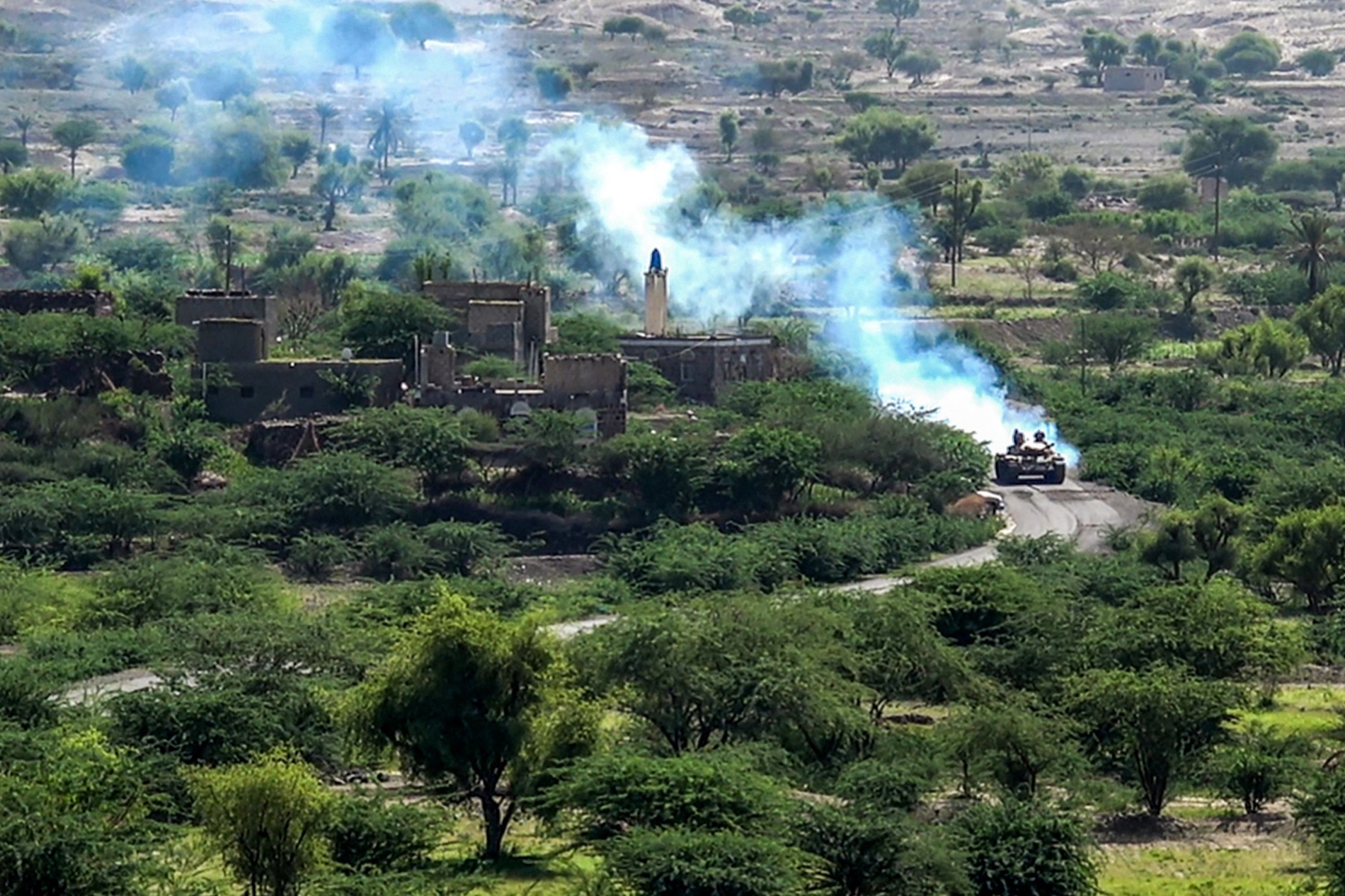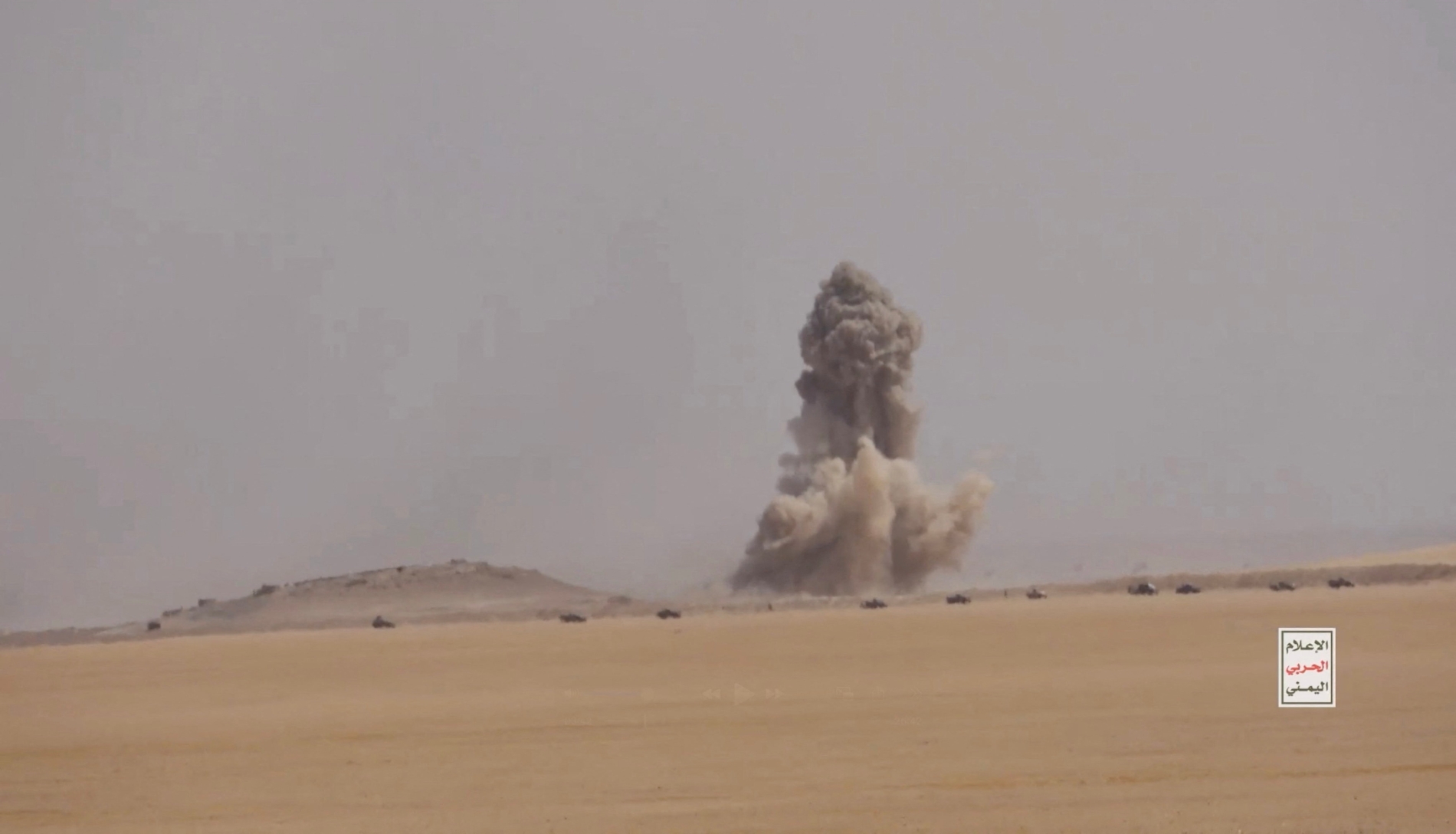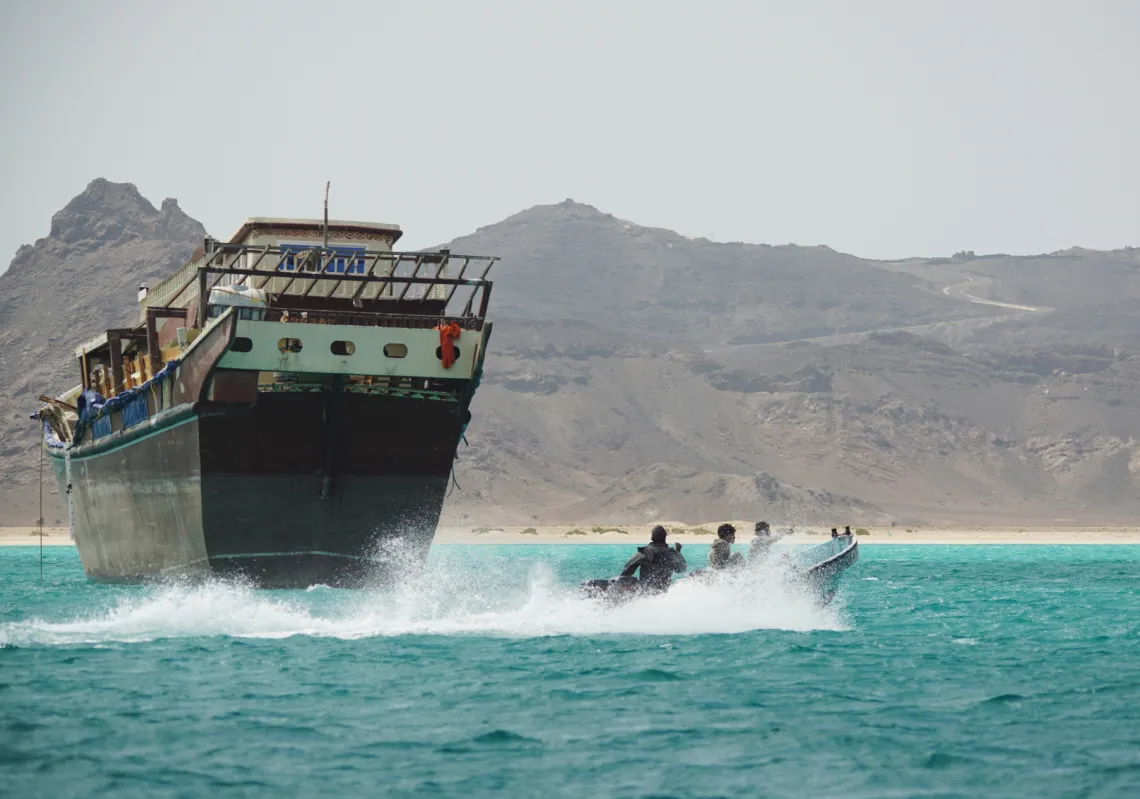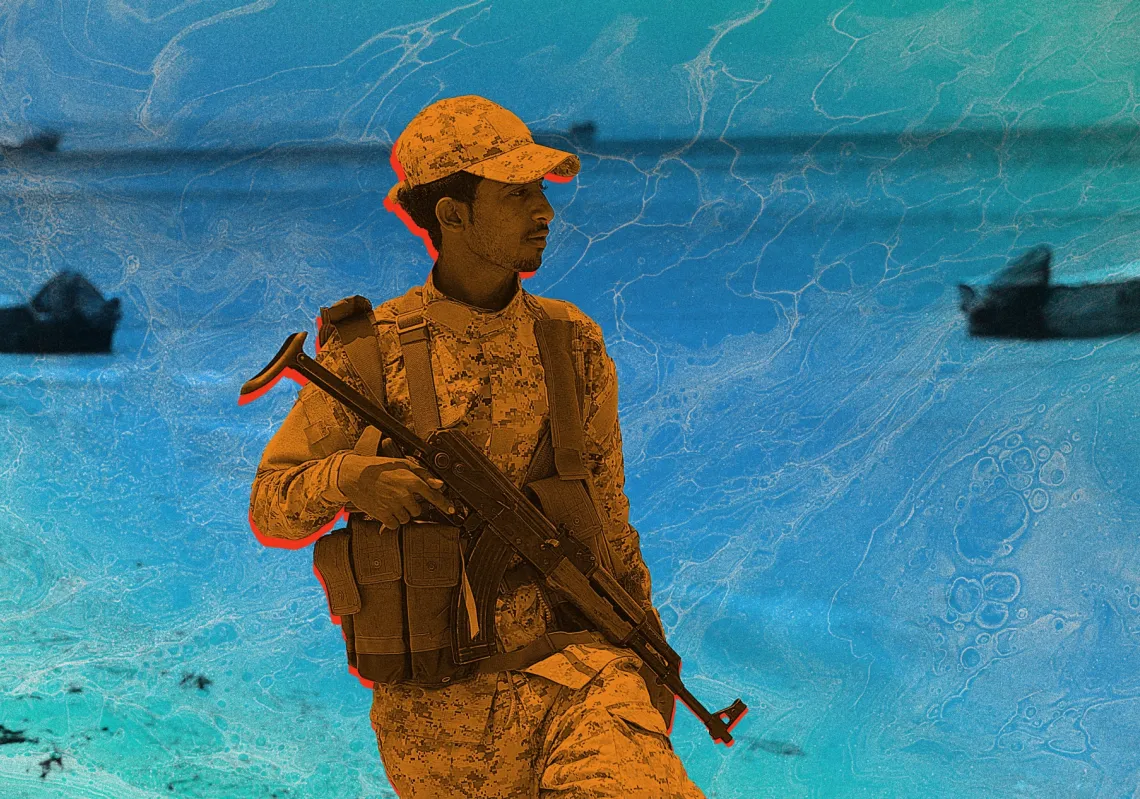
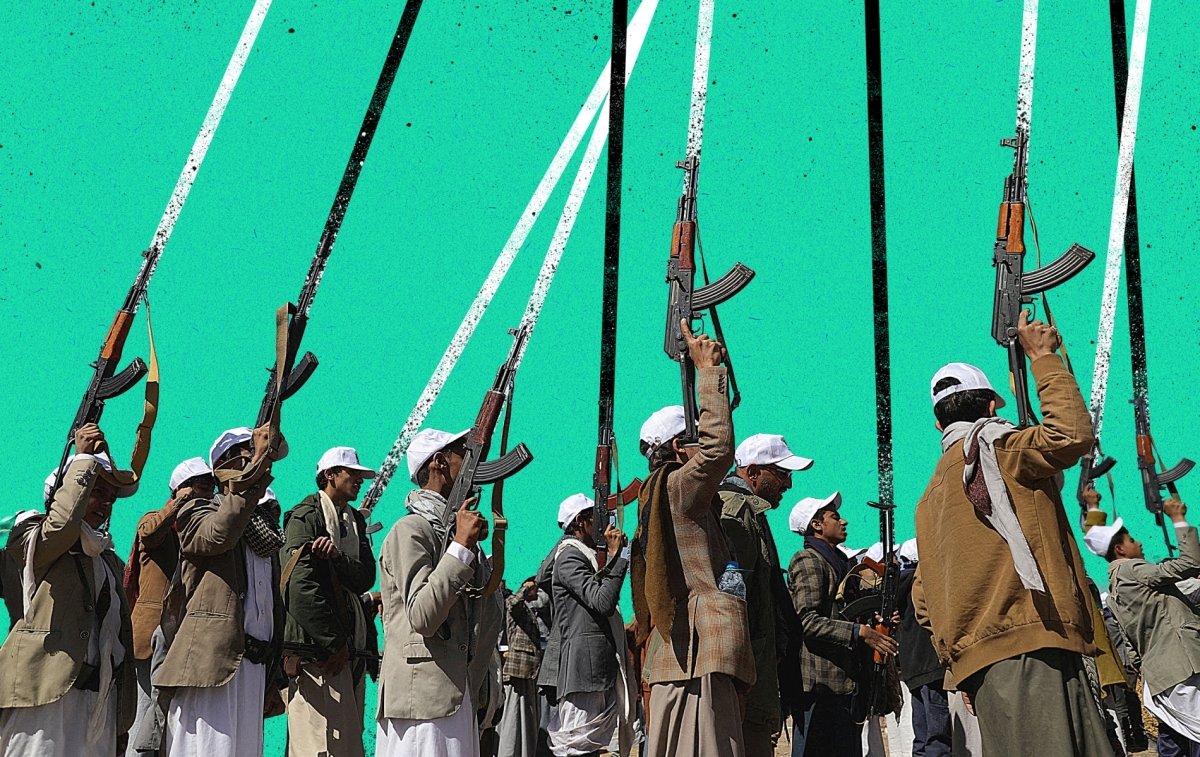

Between 9 and 11 September, the Iran-backed Houthi rebels seized Hays, al-Khokha, al-Mokha and Dhubab, advanced onto Zuqar and Hunaish islands, and reached Mayyun/Perim in the middle of Bab al-Mandab. Within days, the Houthis moved from holding northern Red Sea frontage to occupying most of Yemen's southwestern coastline and one of the world's critical maritime chokepoints amid the US-Iran war. The Houthi campaign on this front started on 9 August, with ground operations starting on 3 September.
The fall of Mocha and forces led by Tareq Saleh was not a result of combat defeat. Instead, Houthi intelligence penetration, inadequate coordination across government-aligned formations, mediocre leadership, lack of withdrawal order authentication, and insufficient air support exploited the collapsed command and control at Jabal al-Nar, 18 kilometres from active frontlines, all of which reflect command failure. Mocha, as a result, was eventually handed over at a moment of panic and chaos, and the Houthis advanced a total of 120 kilometres within two days.
The latest Houthi gains boost their mobilisation capacity and military morale, increase pressure on the government’s defences, and challenge the narrative of improving cohesion of the Yemeni Armed Forces as well as the ability to wage an effective offensive, although they can.
Clearly, the Islamic Republican Guard Corps (IRGC) now controls the Bab al-Mandab Strait—a strategic goal it has pursued for decades, complementing its coercive capability around the Strait of Hormuz. As a result, distributed maritime pressure at both entrances to the Arabian Peninsula puts both global energy flows and Gulf exports hostage. The celebratory statements of Iranian officials reflect how Iranian the Houthi battle for Bab al-Mandab is. Iran’s supreme leader adviser Mohammad Mokhber, for instance, declared the recent gains a “victory” and that security cannot be bought through external guarantees, while IRGC spokesman Hossein Mohebbi called it a "divine triumph."
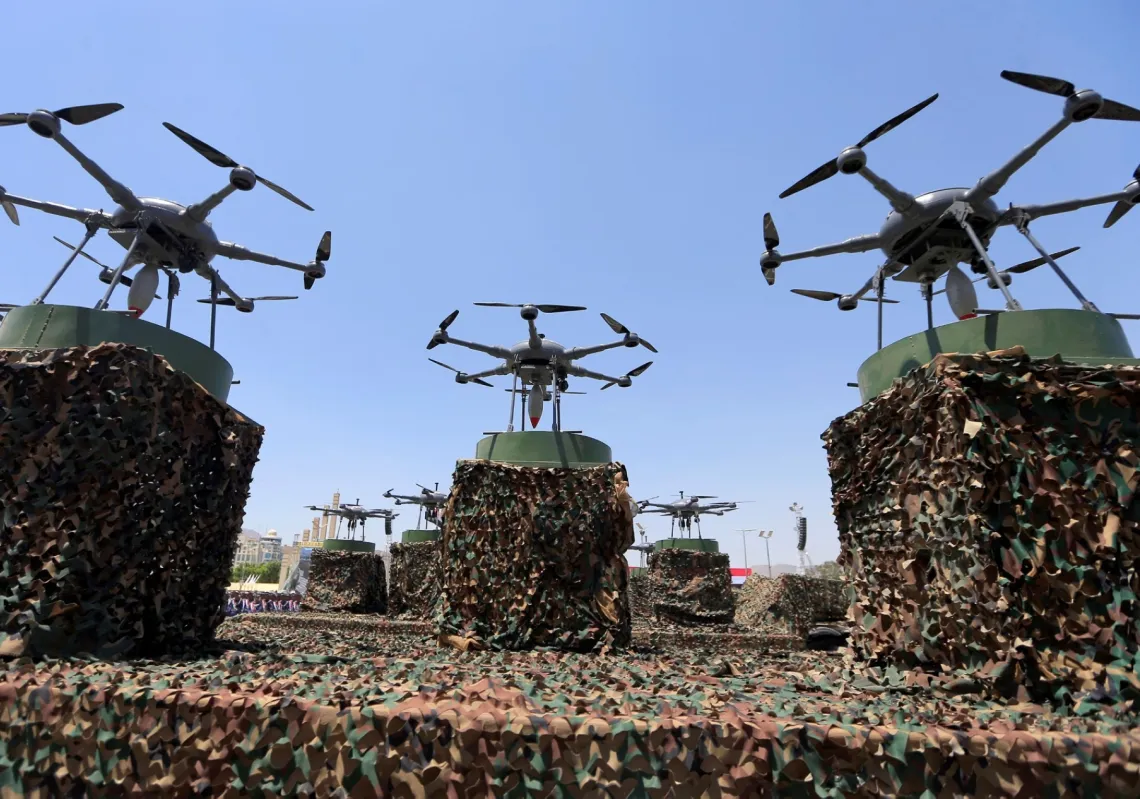
Since mid June, the IRGC has signalled expanding pressure points, deployed additional arms, electronic warfare equipment and experts, not least through the US-sanctioned Mahan flights to Yemen on 3 and 13 July, despite the Yemeni government’s opposition. Hence, IRGC and Hezbollah experts have continued to support Houthi military operations, including along the Red Sea, Marib and al-Jawf frontlines. The campaign is therefore Iranian-instructed, IRGC-overseen, and consistent with Tehran’s strategic objectives amid diminishing leverage at Hormuz.
With diplomacy stalled, Iran is bidding on its most and last resilient proxy to improve its bargaining position and leverage, while the Houthis now seek to consolidate gains and expand territorially, as well as intensify attacks into Saudi Arabia, to redraw the rules of the game.
Consolidating new gains
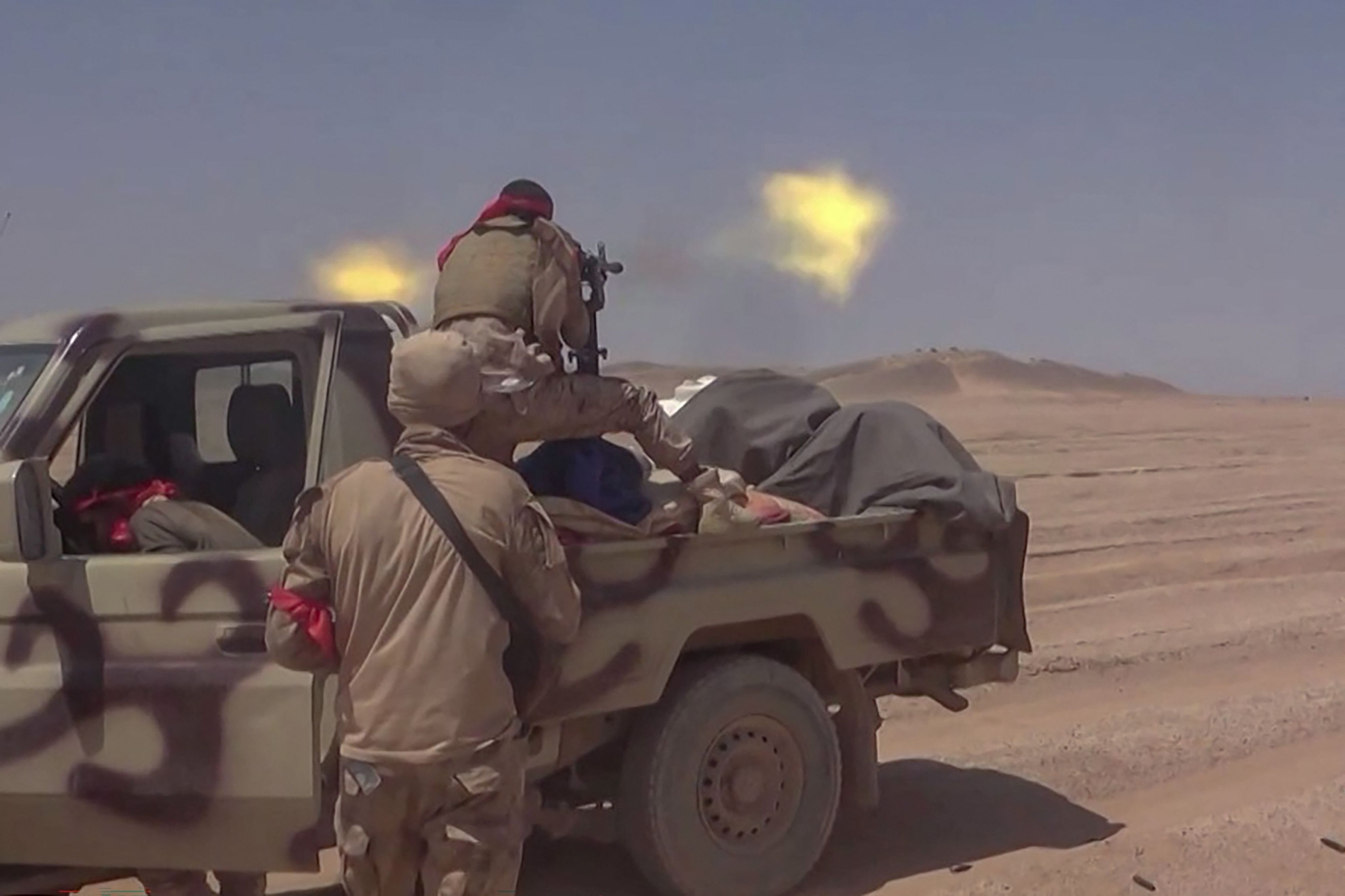
The recent Houthi Red Sea gains, from Hays, Mocha and al-Khokha to the approaches of Bab al-Mandab Strait, form a strategic salient that has yet to be consolidated. Consolidation requires commitment to holding the ground amid intensifying air strikes, fortification, trench-digging, dispersal, mine laying, surveillance, and protected logistics.
If achieved and militarised, proximity to ships offers the Houthis reduced engagement distances against shipping, shorter attack and warning timelines, and the freedom to deploy direct-fire arms, including RPGs, heavy machine guns, anti-tank guided missiles, booby-trapped boats, and naval mines, in addition to short-range drones and anti-ship ballistic missiles, if necessary.
Despite the quick loss of 5,400 square kilometres over 48 hours, government-aligned forces have halted Houthi advances eastward around al-Aradi and the strategic mountain of Kahbub, which overlooks the Gulf of Aden and expanded the militia’s ability to surveil, track and target shipping for a week.