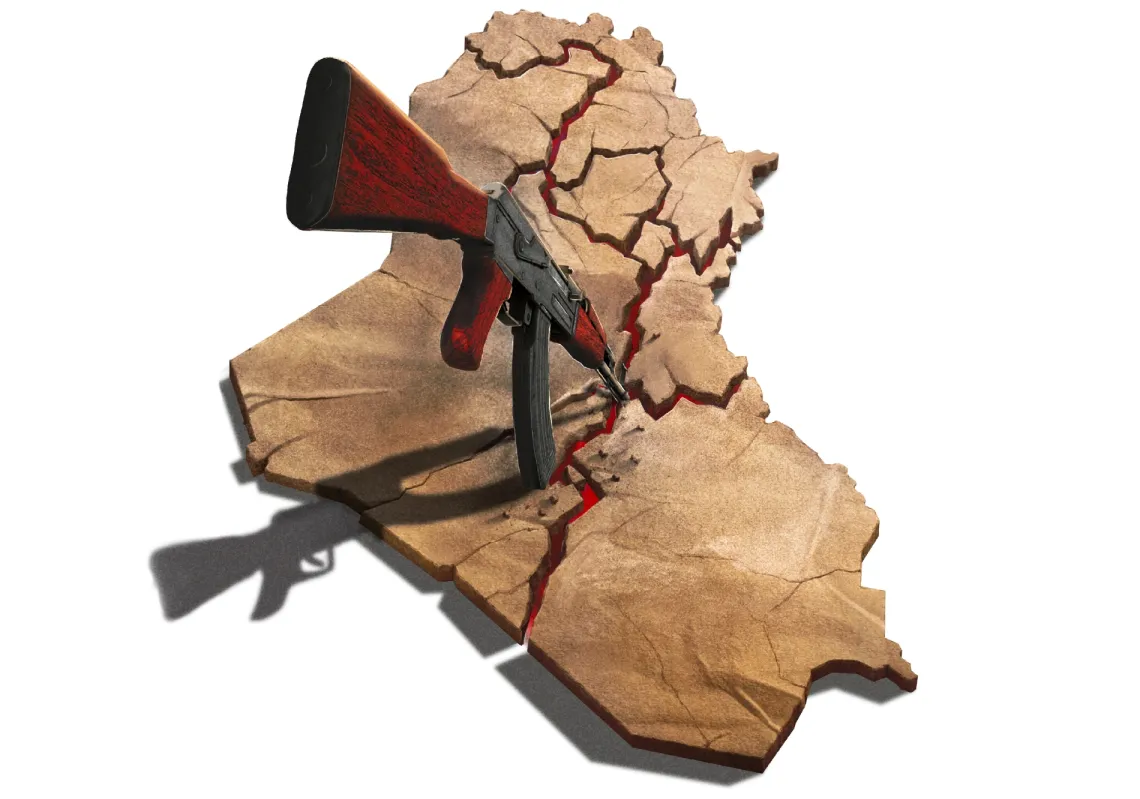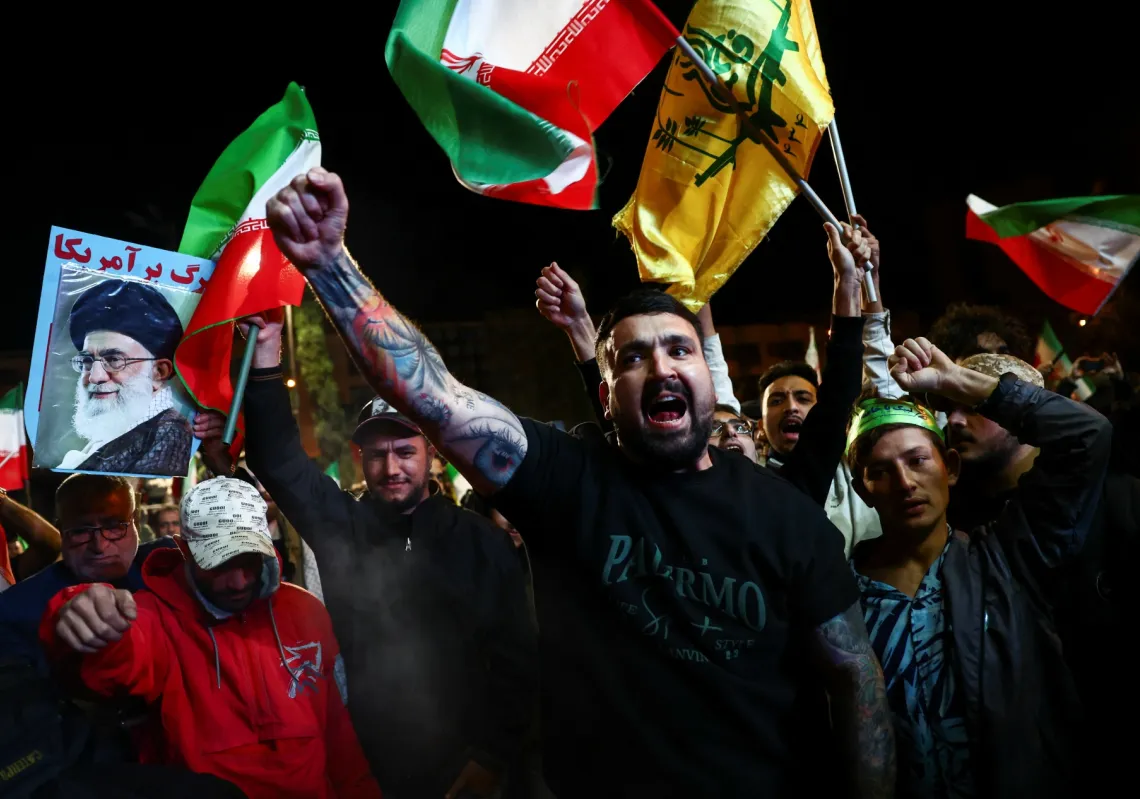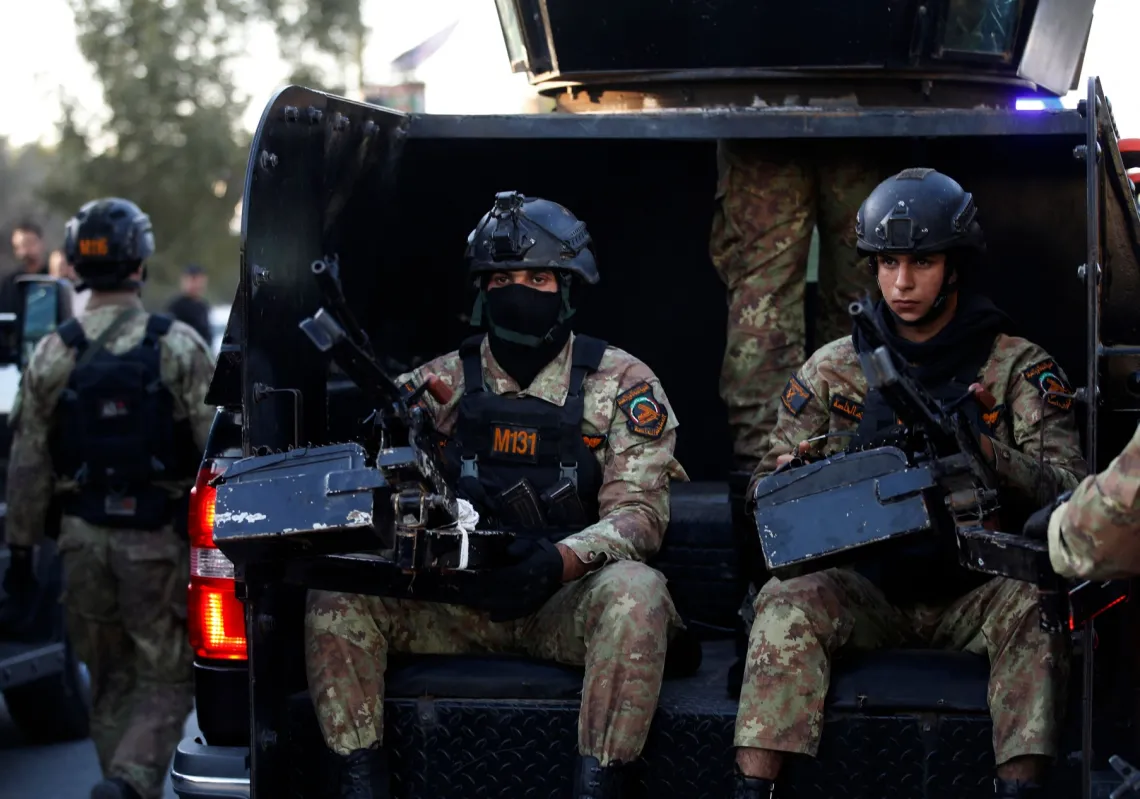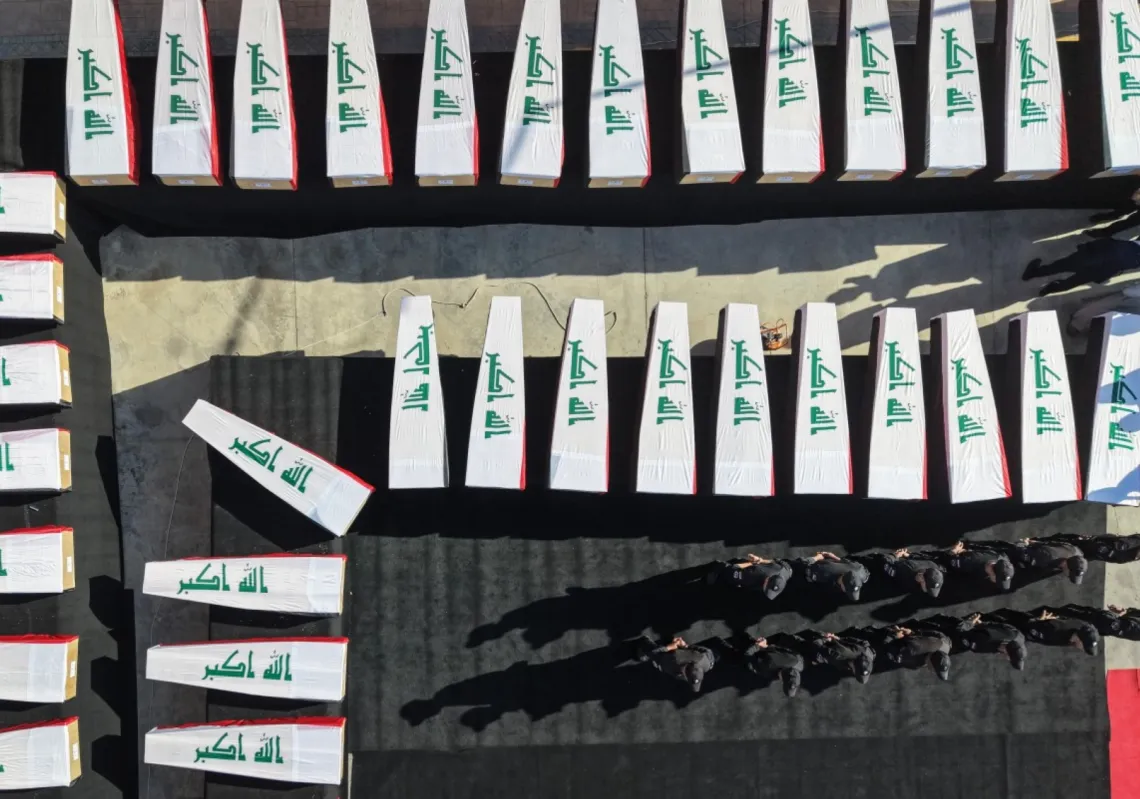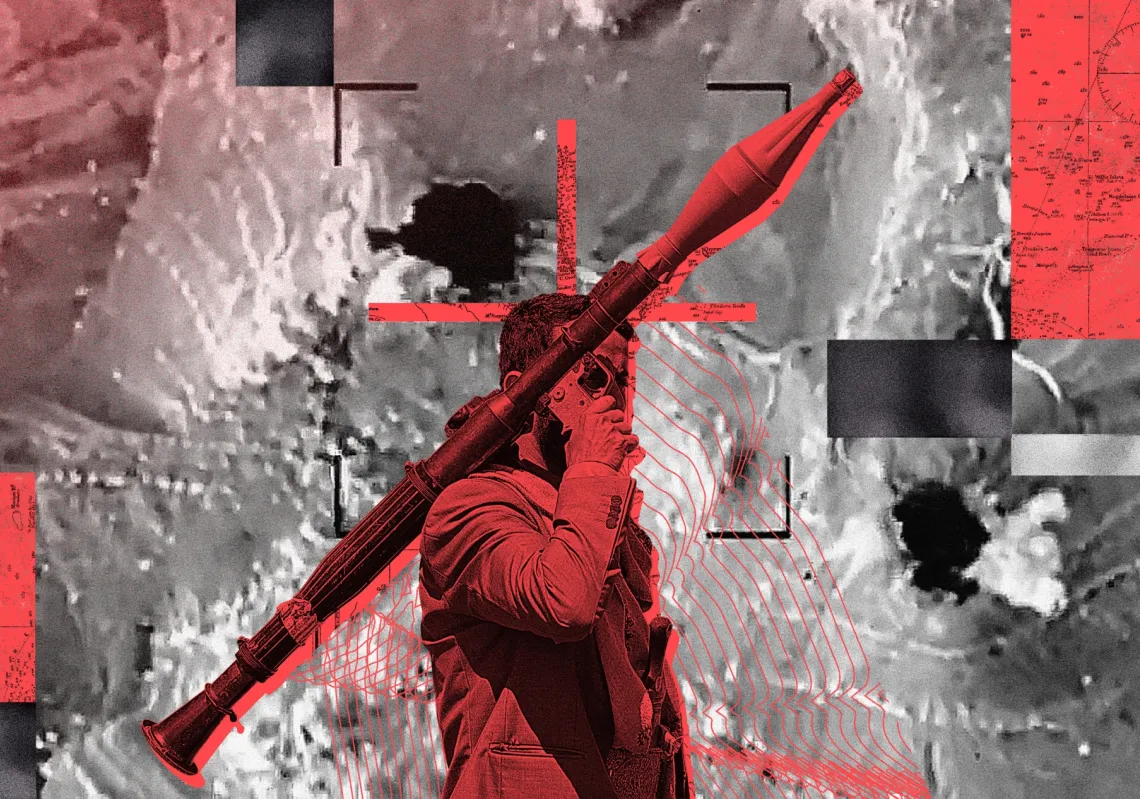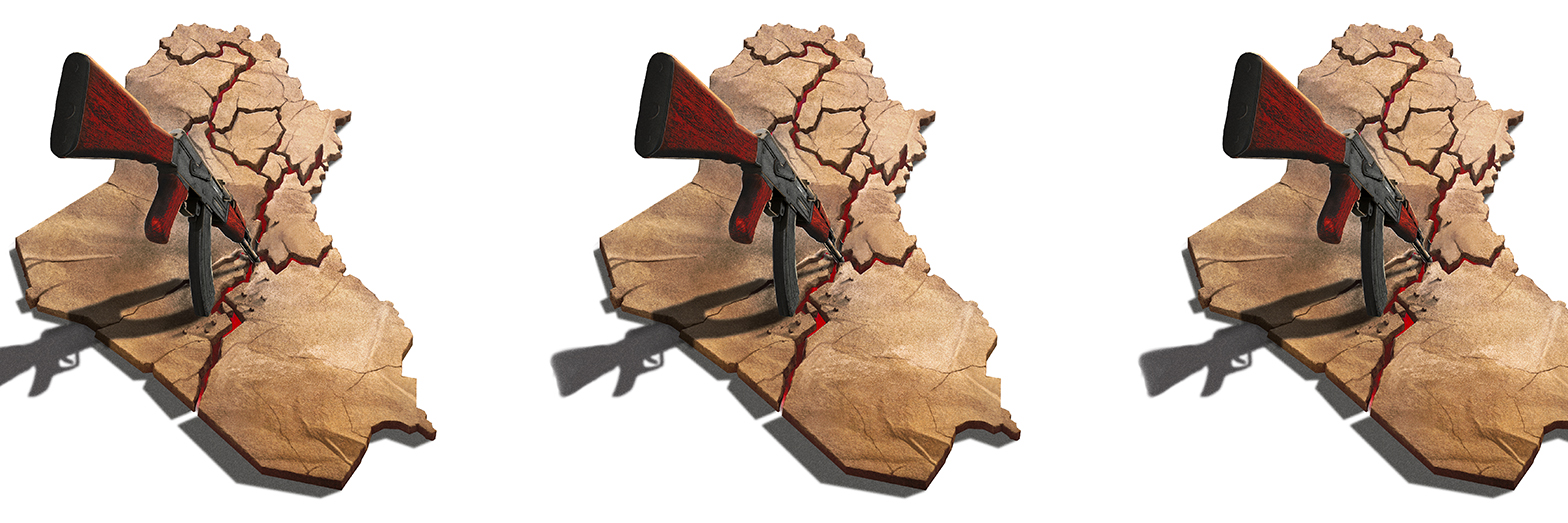
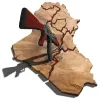
US Secretary of State Marco Rubio’s warnings in September about the “Balkanisation of Iraq” have renewed attention to the dangers posed by armed groups operating outside government control. As such, this week’s cover story details how militia influence undermines state institutions, deepens sectarian divisions and creates security vacuums that the Islamic State (IS) could exploit.
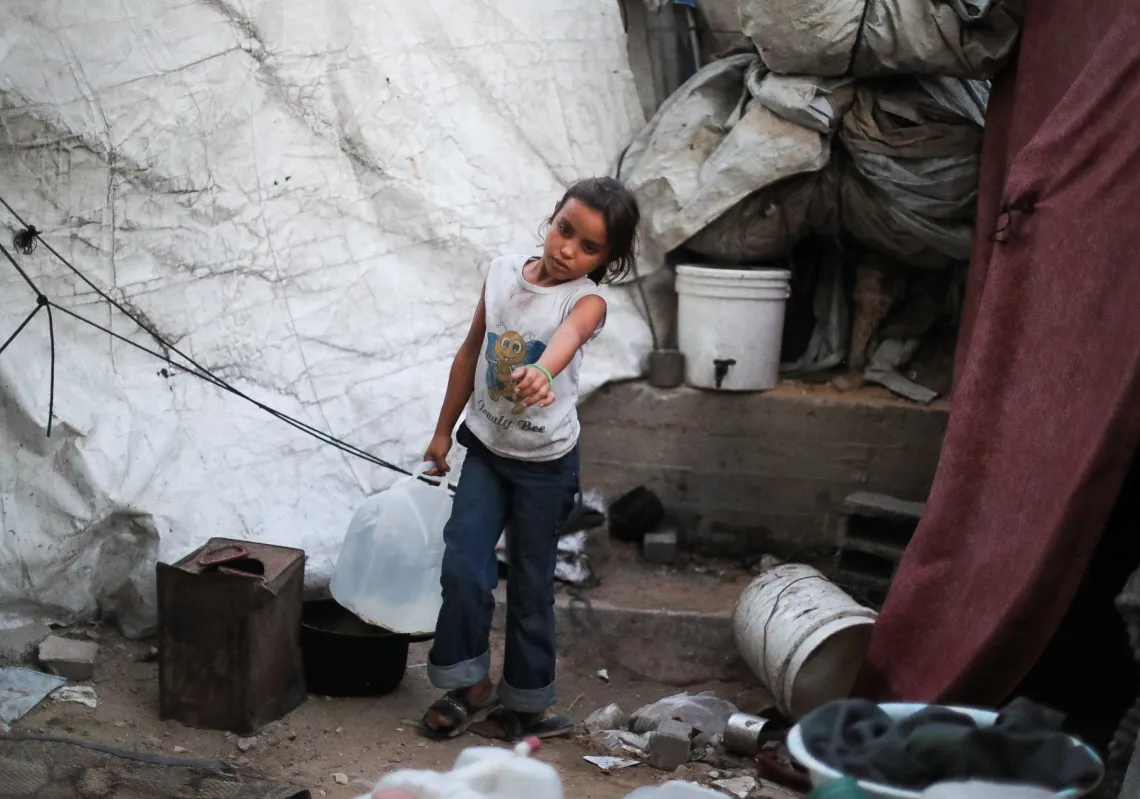
Amid these looming threats, can Baghdad reassert its authority and bring these armed groups to heel? Or will the country get drawn into regional confrontations or become vulnerable to fragmentation? Our writers give their respective takes.