US-Iran war pushes global economy to the brink

A two-week truce has sparked a cautious market rebound, but deep anxiety persists over renewed escalation and its impact on global growth and inflation

Julian D. Paulsen

US-Iran war pushes global economy to the brink

The moment that US President Donald Trump announced a two-week ceasefire on 8 April 2026, markets breathed a sigh of relief after a period of acute tension. Judging by his social media comments, the alternative would have been complete destruction of Iran's civilian infrastructure, with Trump warning that “an entire civilisation will die tonight” if his demands were not met just hours earlier.

Upon news of a ceasefire, oil prices fell sharply. Brent slipped below $100 a barrel, and risk assets rebounded. Global equities and emerging markets rose, while commodity prices eased, with wheat and maize futures falling. Safe havens retreated gradually. In the Gulf, Saudi Arabia’s TASI index climbed 1.9%, Dubai’s main index rose by 8.5%, while the Abu Dhabi Securities Exchange (ADX) gained 3.5%.

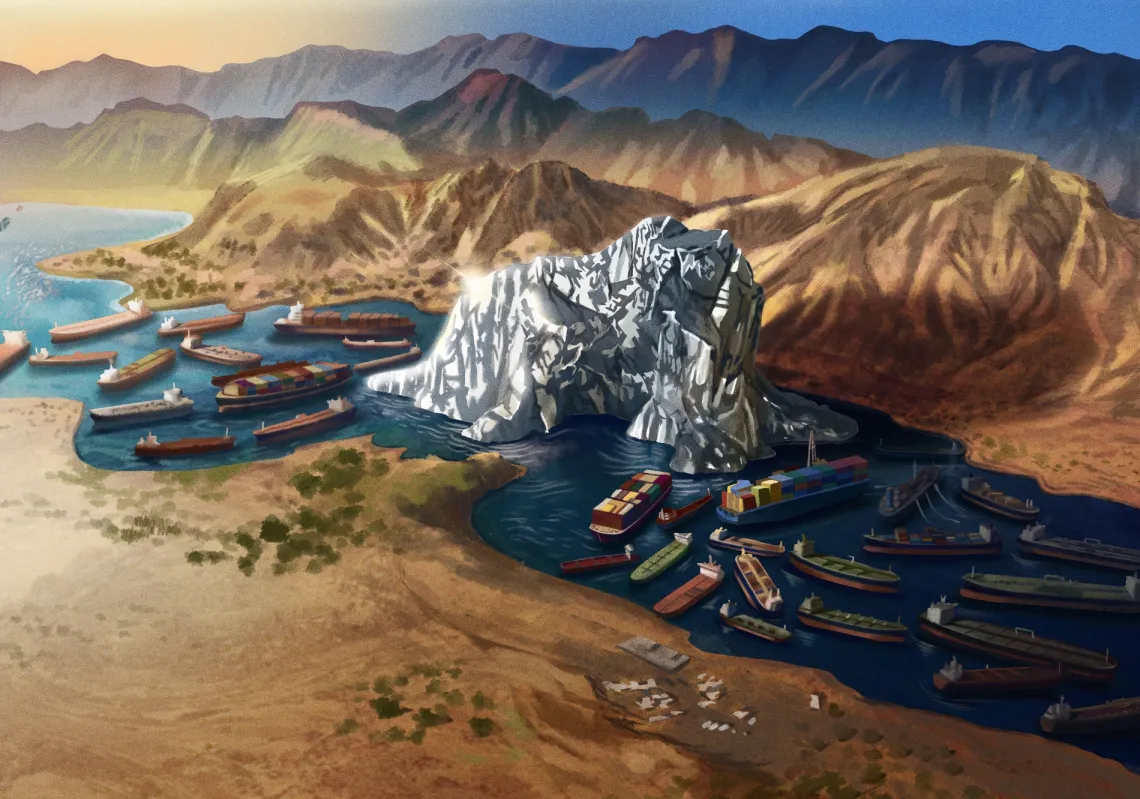
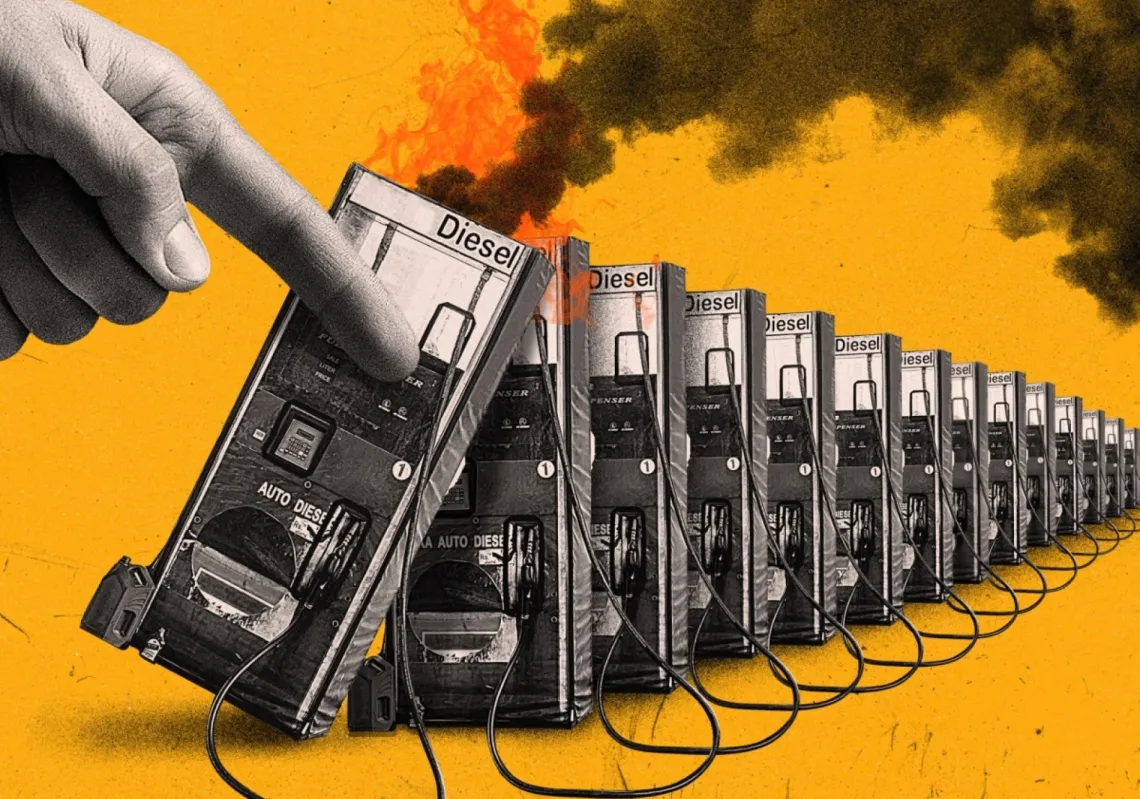
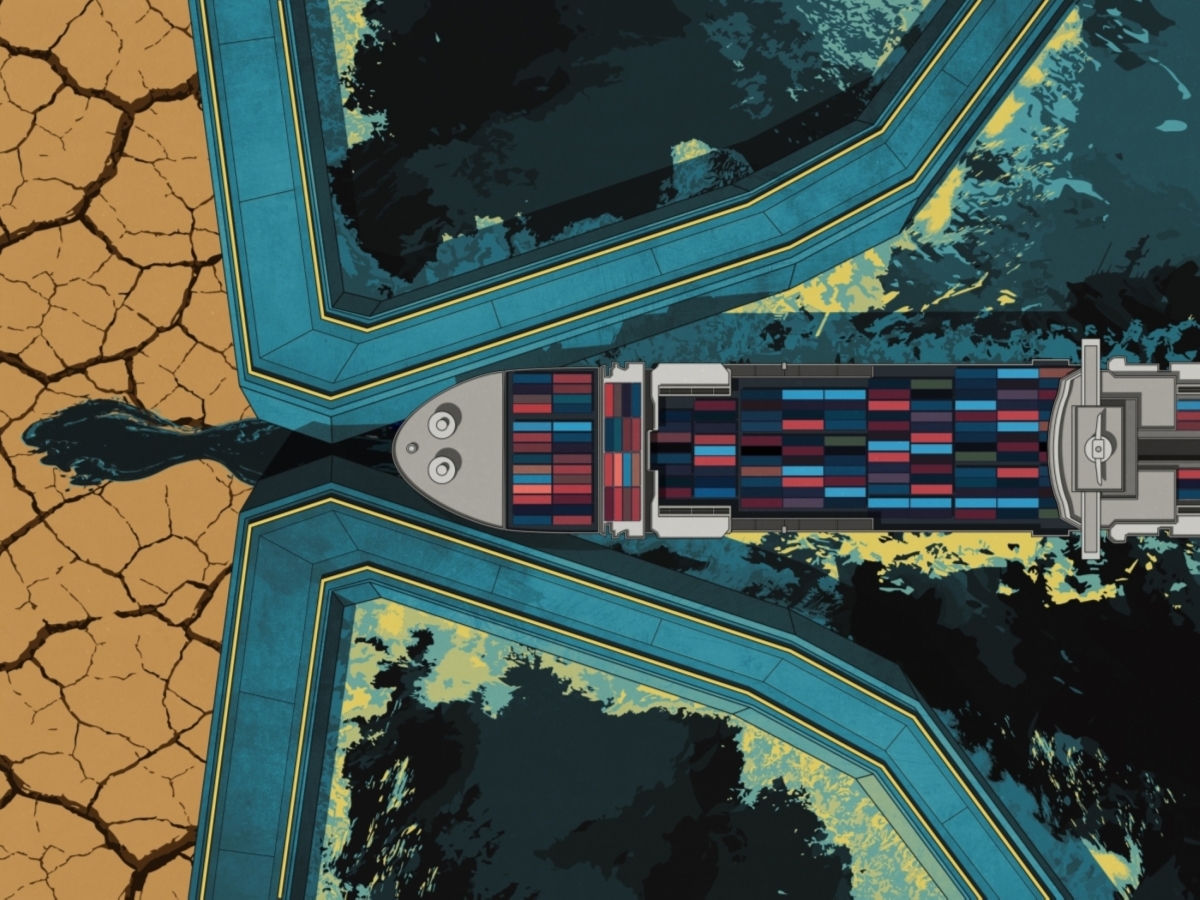
It was a welcome response, but a cautious one, and could not be viewed as a correction. Even if the ceasefire is extended, recovering from the war’s impact will take 3-6 months, some say. Although sectors such as logistics could bounce back faster than others, the vital Strait of Hormuz remains closed at the time of writing. Up to 22 million barrels of oil normally pass through the strait every day, so its closure has been a cardiac arrest for global energy flows, driving a barrel to $120 in March.

Charting a collision

The head of the International Energy Agency, Fatih Birol, said disruptions in April would be twice as high as in March if the war continued. He added that the crisis could rival the 1970s OPEC energy shock, which triggered a major recession alongside high inflation. The main difference today is that the US is now a major oil producer (thanks to shale), but Europe and Asia still rely heavily on imports.

Analysts believe oil could have reached $200 a barrel if the war had continued until June. Jason Bordoff, director of the Centre on Global Energy Policy at Columbia University, said: “No political option can prevent oil prices rising towards $200 a barrel if the Strait of Hormuz remains closed.”
Reuters
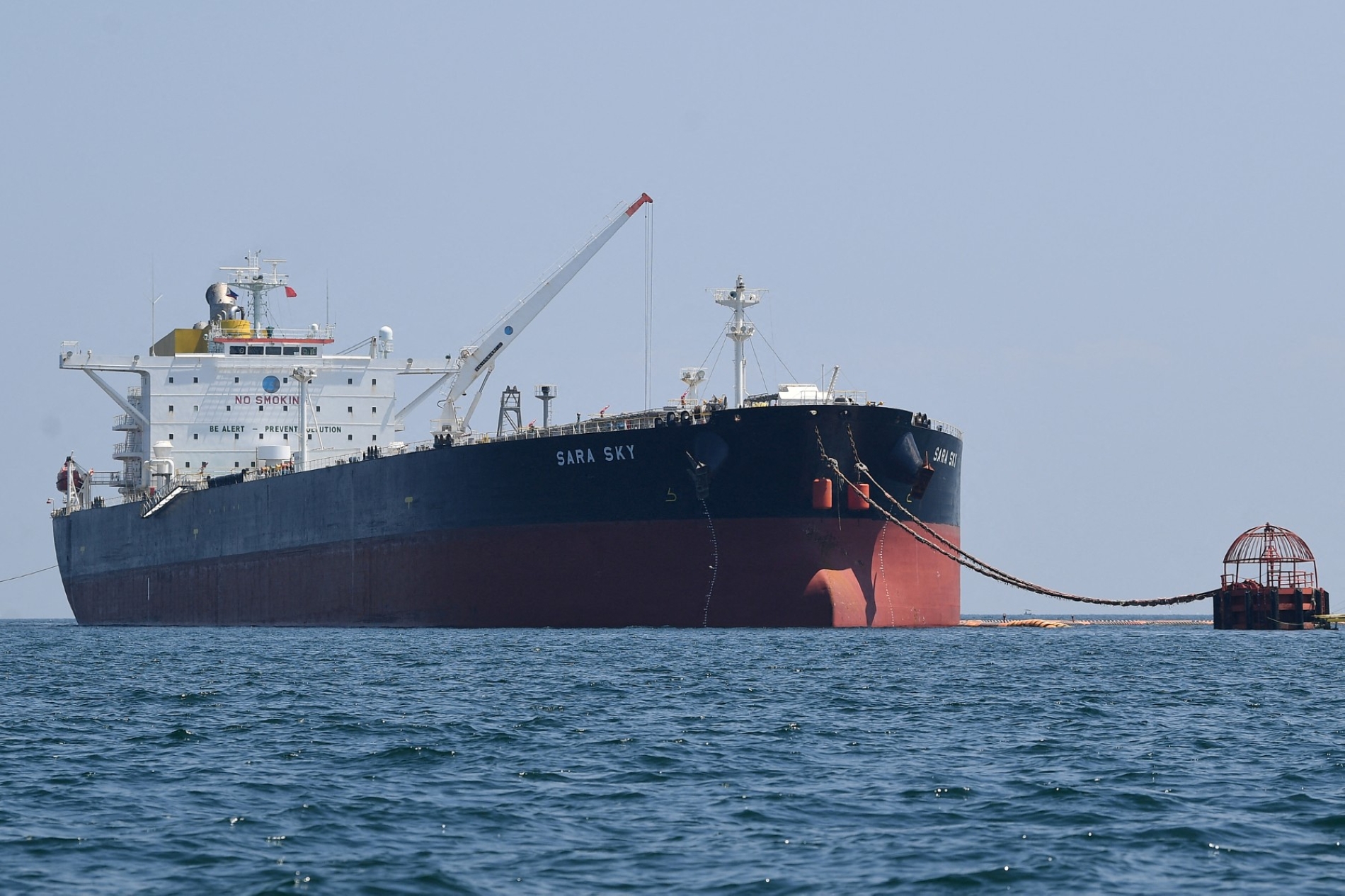
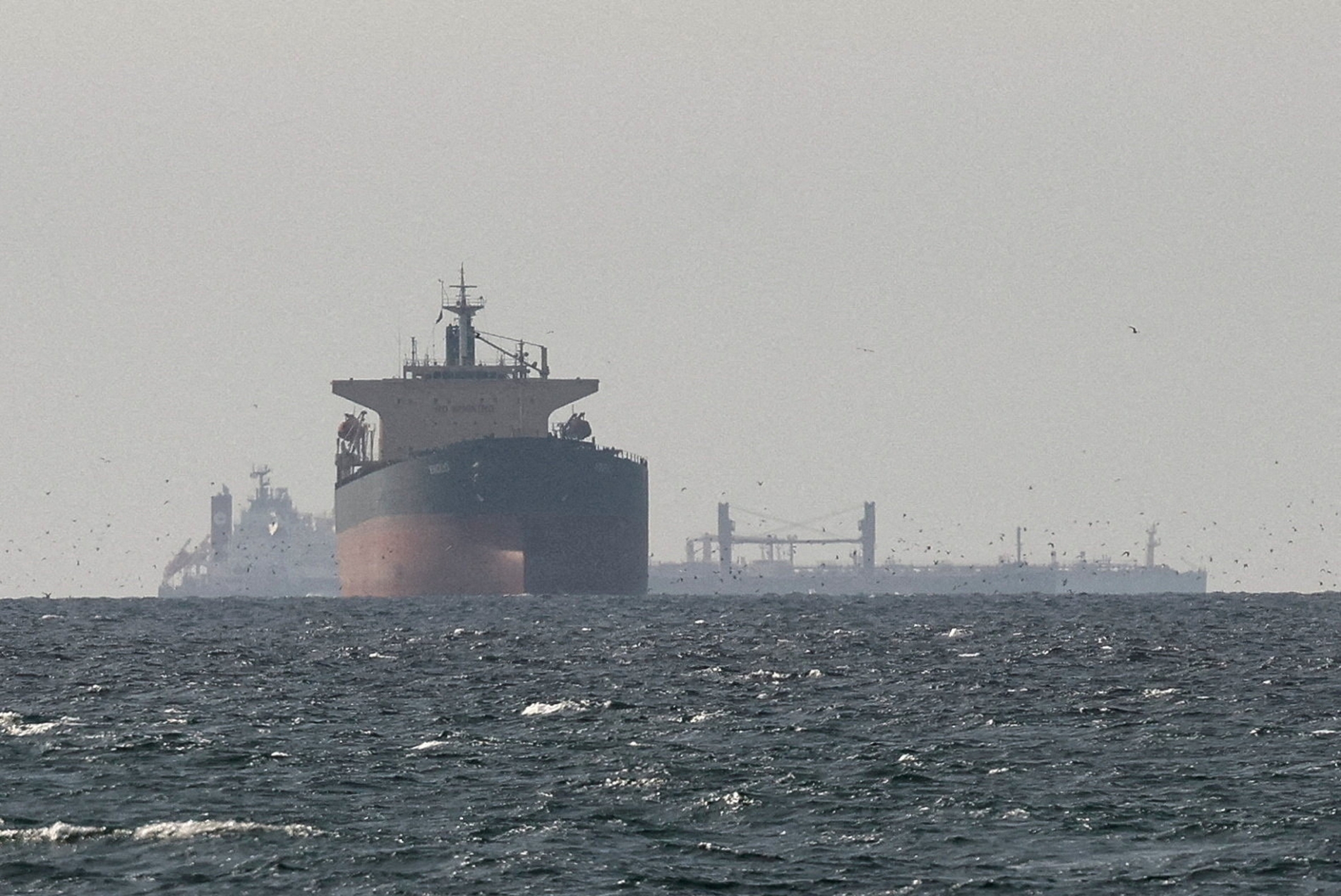
Oil tankers sail near the Strait of Hormuz off Ras Al Khaimah amid regional tensions, on 11 March 2026.

Back in March, the S&P 500 fell 5.1%, marking its longest weekly losing streak in four years. The Dow Jones Industrial Average dropped more than 10% from its highs, while the Nasdaq Composite slipped 2%. The Magnificent Seven (a group of the biggest technology companies) lost hundreds of billions of dollars in a single trading session, before markets reversed. Then, on 1 April, a wave of buying followed Trump’s comments about de-escalation. Asian indices rallied, with the Kospi up 8% and the Nikkei up 5.2%. In Europe, the Stoxx 600 gained 2.5%, Air France rose 8.9%, and Lufthansa climbed 8%. In the US, the S&P 500 closed up 0.7%.

Recession risks have risen. Stagflation (stagnant growth plus higher inflation) has been mooted. Goldman Sachs raised the probability of a recession over the next 12 months to 30%. EY Parthenon, the global strategic advisory arm of Ernst and Young, put it at 40%, while Moody’s Analytics put it at 48.6%.

On 29 March, JPMorgan said that if the Strait remained closed for another two months, the probability of a global recession would exceed 70%. Jamie Dimon, JPMorgan’s veteran chief executive, said the war in Iran could cause persistent shocks in oil and commodity prices and reshape global supply chains, potentially leading to sustained inflation and interest rates higher than markets currently expect.
Even if the ceasefire is extended, recovering from the war's impact will take 3-6 months, some say

Troubling trends

The Organisation for Economic Co-operation and Development (OECD) felt that higher energy prices would lift US inflation to 3.1%, possibly up to 4.2%. A rule of thumb at the International Monetary Fund (IMF) is that every 10% increase in energy prices, if sustained for a year, raises global inflation by around 40 basis points, or 0.4 percentage points, alongside a fall in output of 0.1-0.2%.

Purchasing managers' indices (PMIs) from S&P Global showed a clear slowdown in private-sector growth across Europe and the UK, alongside accelerating inflationary pressures and a fall in business confidence to its lowest level in about a year. The composite index slipped to 50.5 in March, its lowest level in ten months. Input costs rose at the fastest pace since February 2023, while delivery delays were the longest since August 2022. German, French, and British private-sector growth slowed, while in the UK, manufacturers' input costs rose at their fastest rate since 1992.

With energy price shocks overlapping with weak demand, European economies have faced the twin spectre of inflation and recession, yet central banks are constrained by the toughest monetary dilemma in decades. According to a report by the Bank for International Settlements, central banks in Asia and Europe may be forced to intervene directly to support their weakening currencies against the dollar. That would run down their foreign-exchange reserves just when they need liquidity to secure energy imports. Central banks will have to choose between price stability and financial stability.

AFP
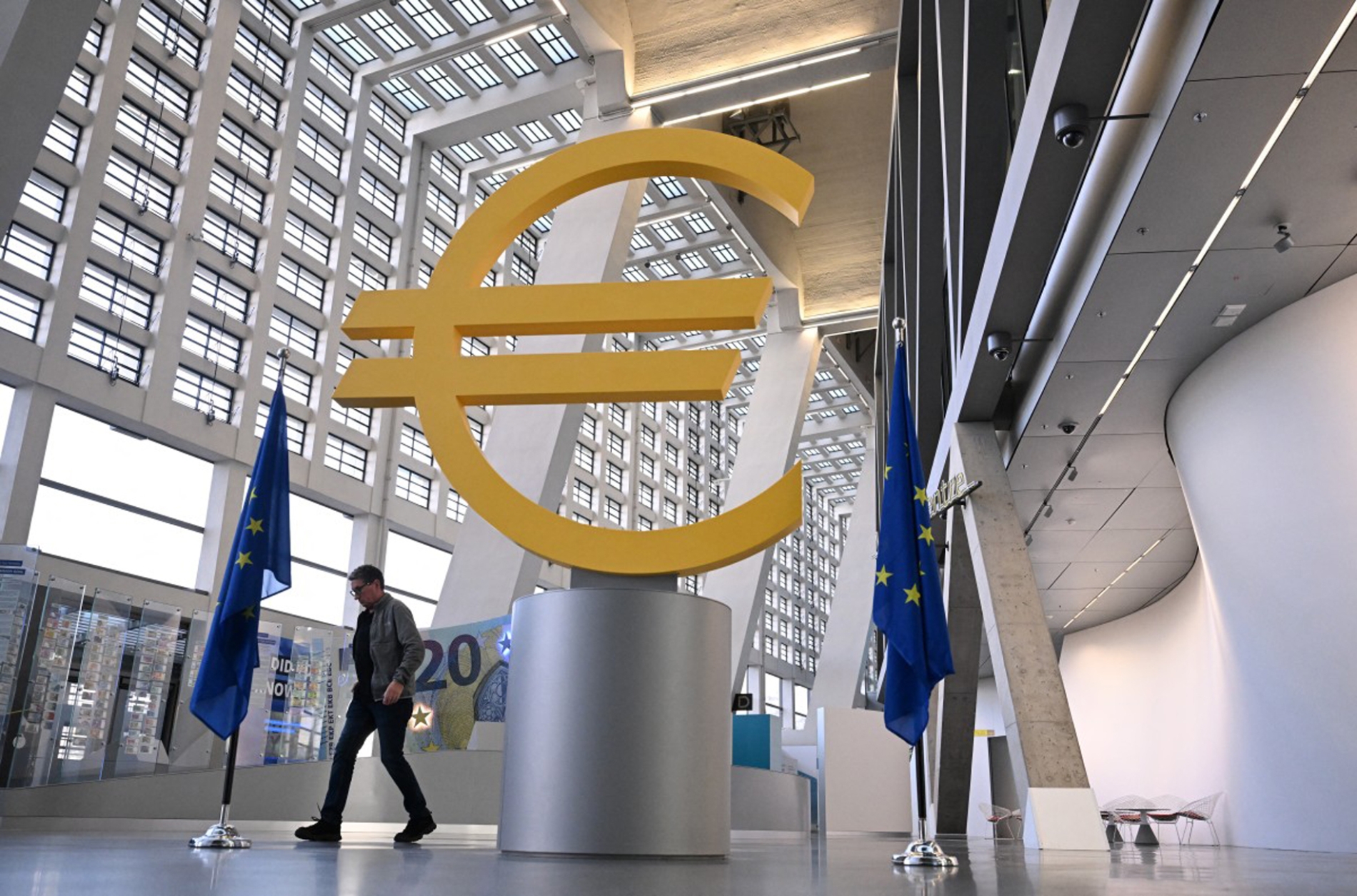
The euro logo inside the lobby of the European Central Bank (ECB) in Frankfurt am Main, Germany, on 18 December 2025.

Spectre of inflation

The European Central Bank (ECB) has warned of a technical recession in Germany and Italy, alongside expectations that inflation in the UK could rise to 5%. Dimitar Radev, a member of the bank's Governing Council, said the trajectory of inflation expectations in the euro area could accelerate. He stressed the need for the bank to be ready to move swiftly towards tighter monetary policy, including raising interest rates, if signs emerge that price pressures are becoming persistent.

With oil tankers and container ships forced to divert around the Cape of Good Hope, adding 10-14 days to voyage times, shipping costs have jumped by 40%, and war-risk insurance premiums have also risen. Efforts have intensified to strengthen overland corridors through Central Asia and Türkiye, but capacity remains limited.

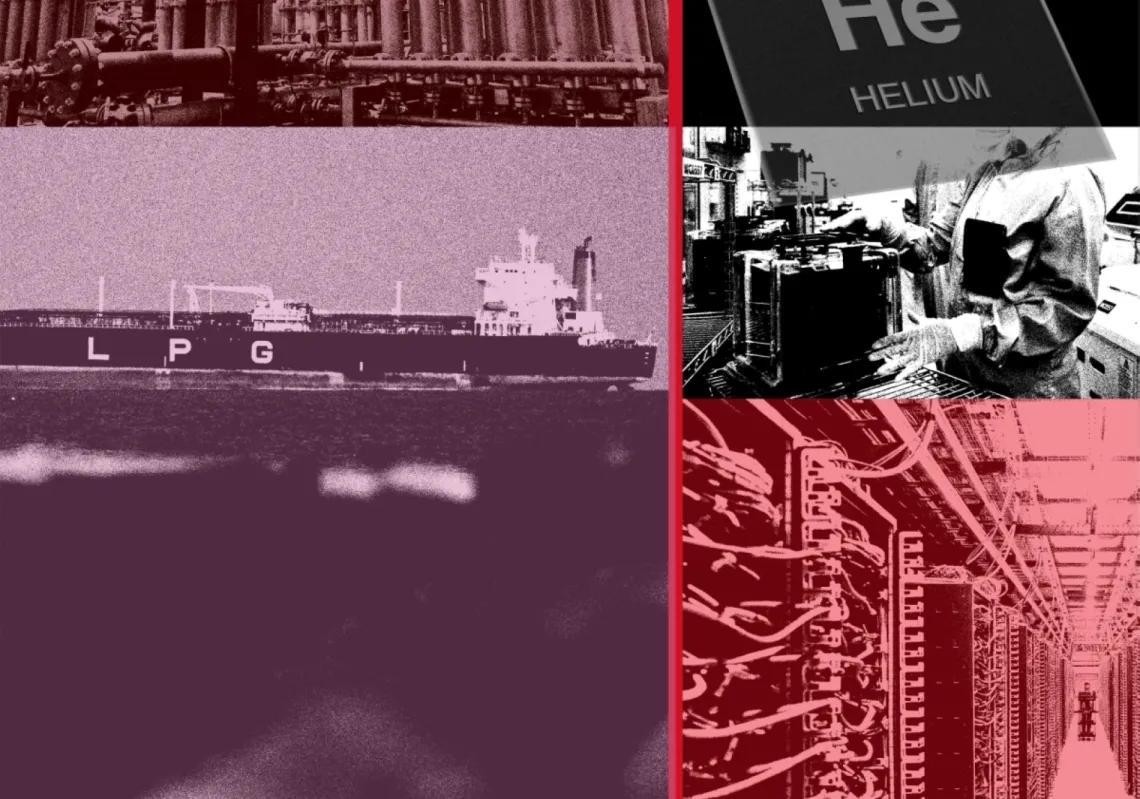
The fallout has spread beyond oil to other critical sectors, including semiconductors, pharmaceuticals, fertilisers, plastics, and even helium. Prices rose 37% for polypropylene and 10% for aluminium. Gulf aluminium production accounts for around 23% of global supply outside China, driving a surge in prices on the London Metal Exchange amid fears of a severe shortage that would hit the automotive, aviation, and construction industries.

The crisis spilled into technology. The cost running and cooling data centres at companies such as Amazon, Nvidia, and TSMC soared. That pushed up the cost of training and operating AI models by up to 40% and threatened to delay the launch of new models. Aviation was also hit by a double whammy of higher fuel prices and airspace closures. Shares of airlines such as United Airlines fell by 5-6%. Meanwhile, prices for oil-derived chemicals and paints rose by as much as 30%, and the automotive, machinery, and food industries were also affected.

Peter PARKS / AFP
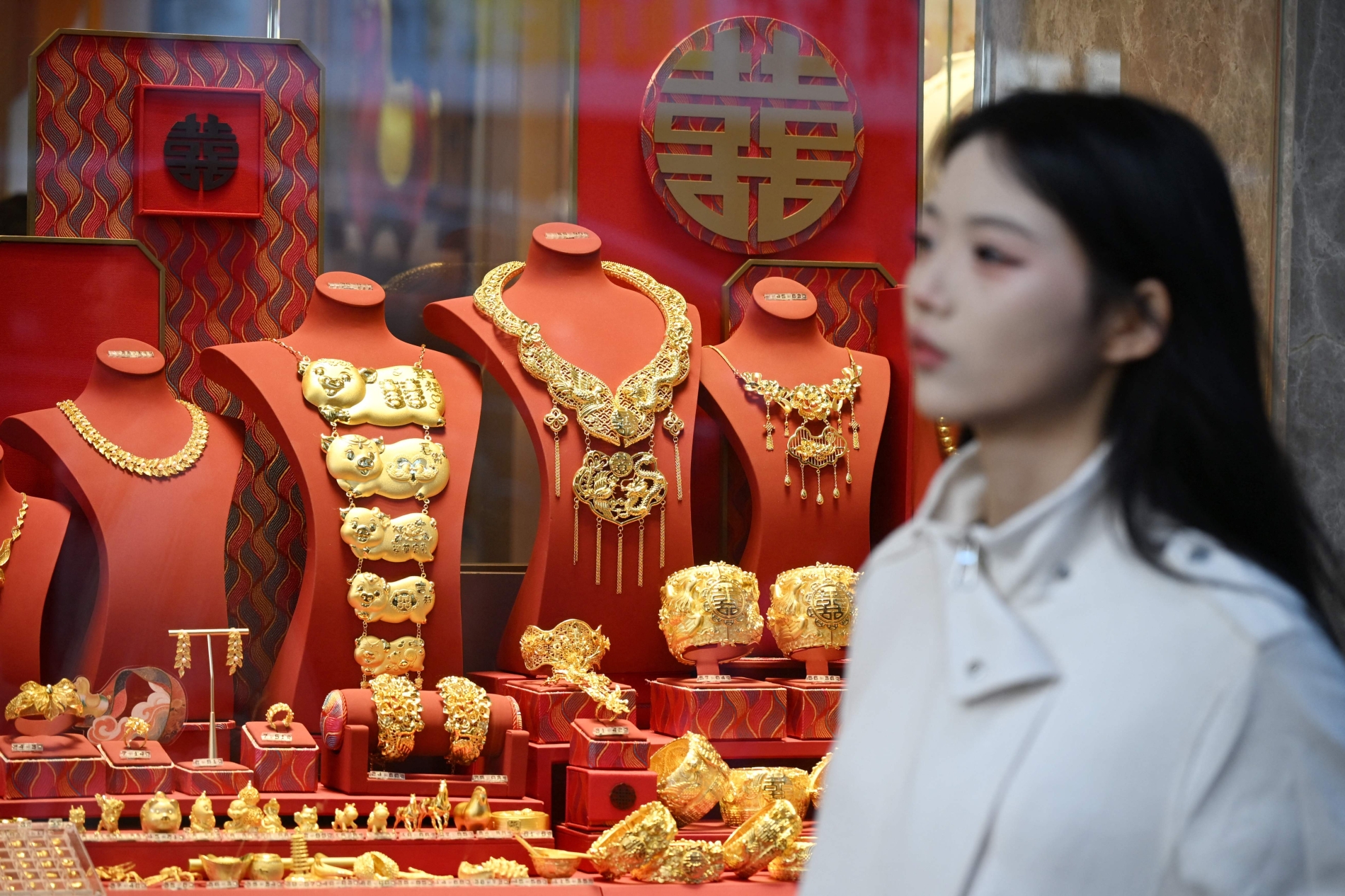
A woman walks past a shop selling gold in Hong Kong on 26 January 2026.

Price volatility

Gold prices fell back sharply after hitting record levels in late January, breaking above $5,100 an ounce. It lost around 14% in late March, its steepest drop in about 17 years, despite rising tensions in the Middle East and higher oil prices, confounding the common belief that gold automatically rises in times of crisis. The main driver was the stronger demand for the dollar and for liquidity. Gold then climbed again after the ceasefire was announced, up 3.1% to $4,850 an ounce.

In cryptocurrency markets, Bitcoin saw sharp swings during the Iran war. It fell as tensions escalated, losing around 10% from its March peak, before rebounding by about 4-5% to roughly $72,000 after the ceasefire announcement. The move underscored its strong sensitivity to risk appetite, rather than its status as a traditional safe haven.

The impact of the war was felt on currencies. The conflict strengthened the dollar's position as a safe haven; it rose by 2% against the euro and the yen. The dollar's gains did not reflect the US economy alone. They also pointed to a global shortage of dollar liquidity (a dollar squeeze) alongside an acceleration of de-dollarisation in Asian contracts. By contrast, the euro, the Japanese yen, and sterling weakened under the weight of the energy shock and fears of a recession. In emerging markets, the currencies of major importers such as India and South Korea also came under pressure.

The crisis could accelerate efforts to reduce reliance on the dollar in oil trade by settling transactions in yuan or local currencies, without implying an imminent end to the petrodollar system. Gulf currencies pegged to the dollar retained nominal stability, but regional economies came under indirect pressure, with growth expected to slow to around 2.6% in some scenarios, according to estimates.

AFP
A ship carrying Russian oil off the coast of the Philippines, on 26 March 2026.

Winners and losers

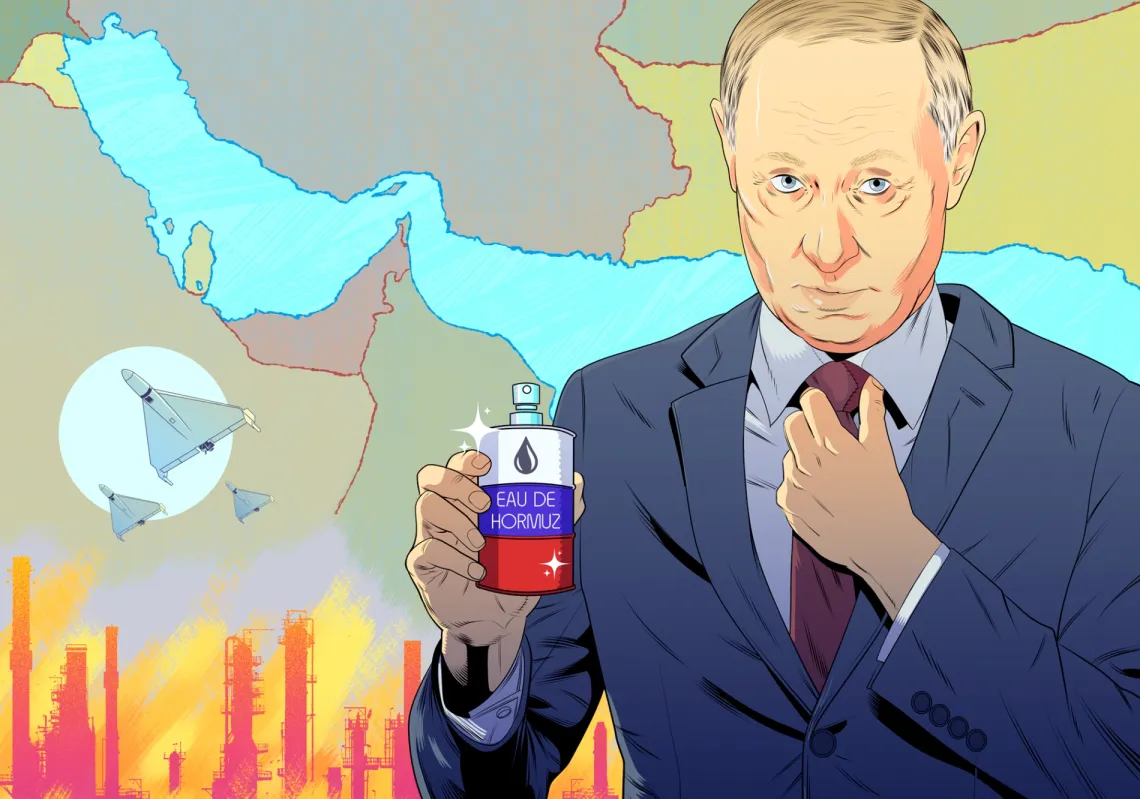
The main winners were oil producers outside the Middle East, such as the US, Russia, Norway, and Canada, as well as US defence companies. The losers were major importers in Europe and Asia, consumers, airlines, and heavy industry. Analysts at Foreign Policy argue that while the US may benefit as a producer, the gains are unevenly distributed at home, with energy companies winning while consumers and industries that depend on cheap energy lose out.

What happens next depends on the outcome of the ceasefire. At the time of writing, talks in Pakistan had come to nothing, and Trump had announced a blockade of all Iranian ports, with the Strait of Hormuz still not fully open. Hopes that the global economy could rediscover an element of stability may have been premature. There are still pressures on growth and the risk of inflation, while a prolonged scenario could open the door to global stagflation. All eyes, it seems, are still on Iran.

font change