A two-week truce has sparked a cautious market rebound, but deep anxiety persists over renewed escalation and its impact on global growth and inflation
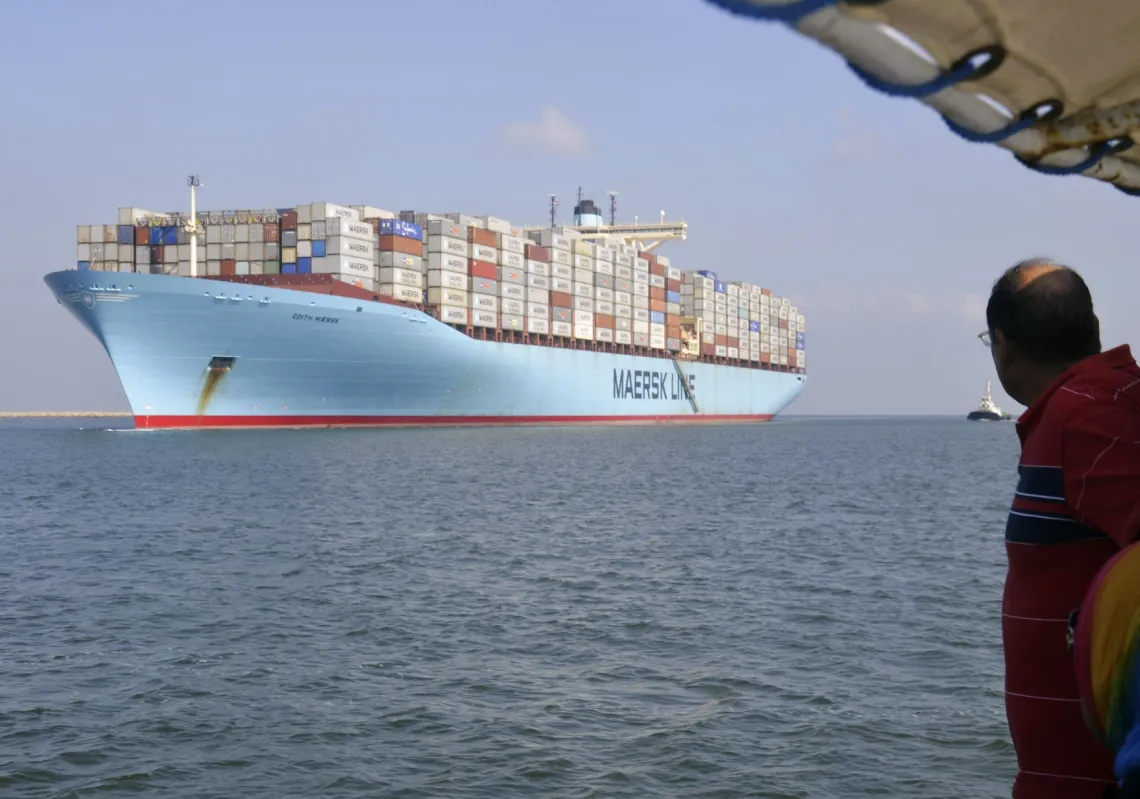
Disruptions to Gulf energy and shipping routes are tightening supplies of chemical fertilisers, raising costs from Europe to South Asia and heightening fears of a widening global food crisis
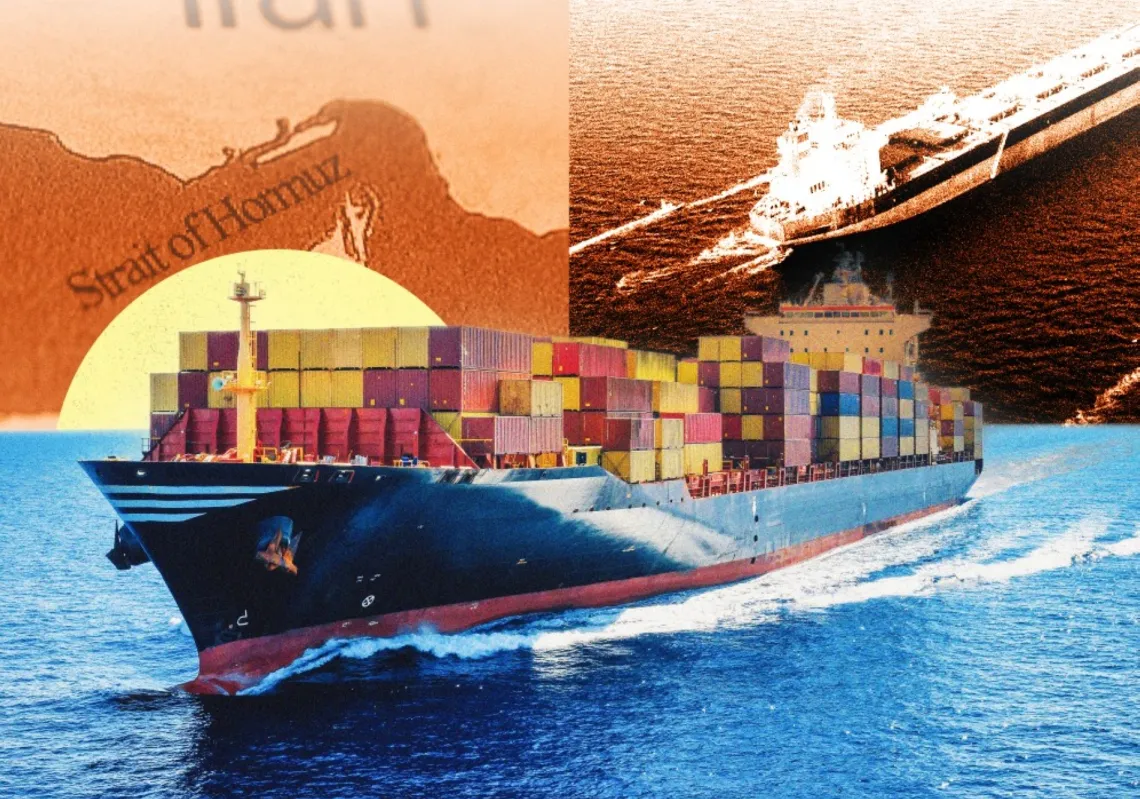
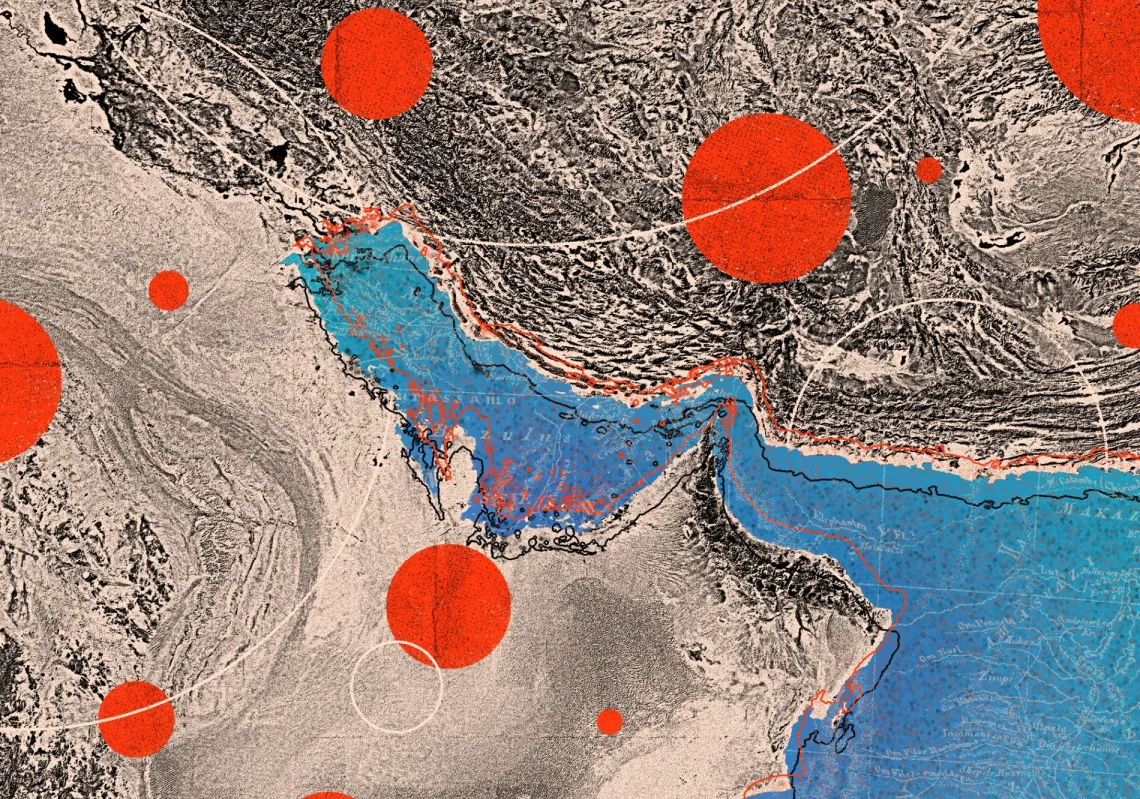
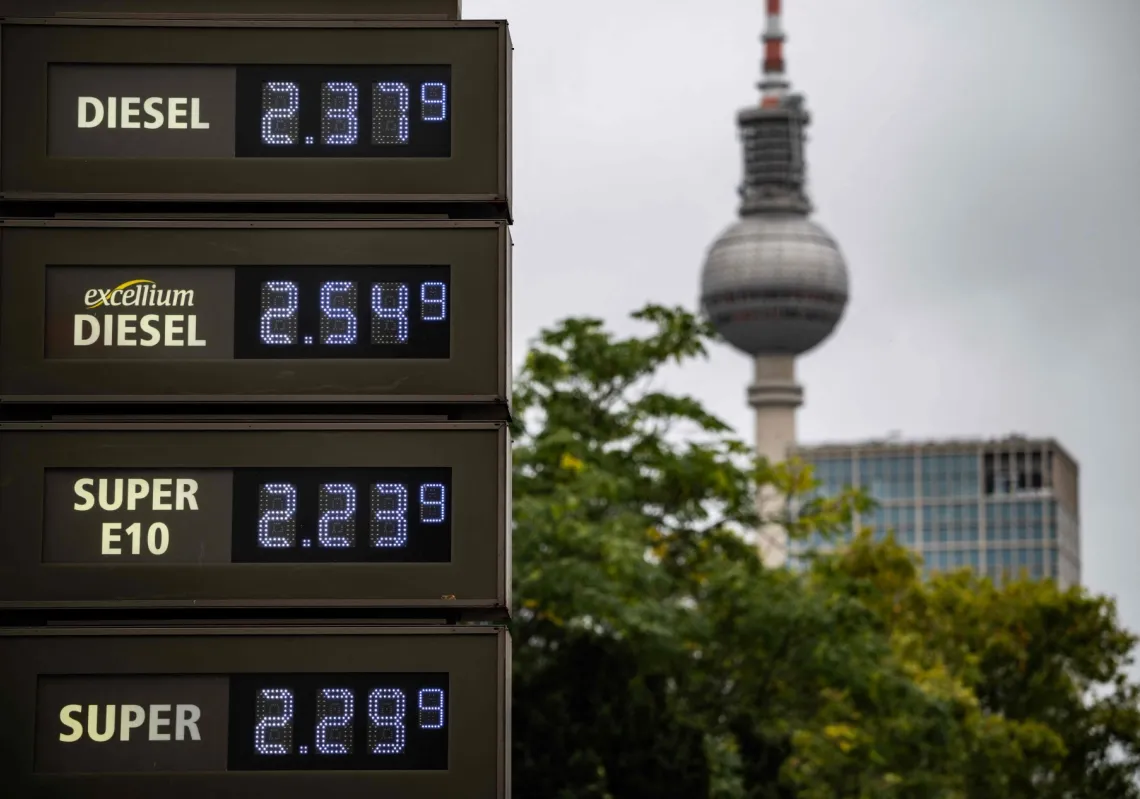
From military spending to energy markets, the US-Israeli war on Iran is driving rising costs, with the Strait of Hormuz emerging as a central pressure point
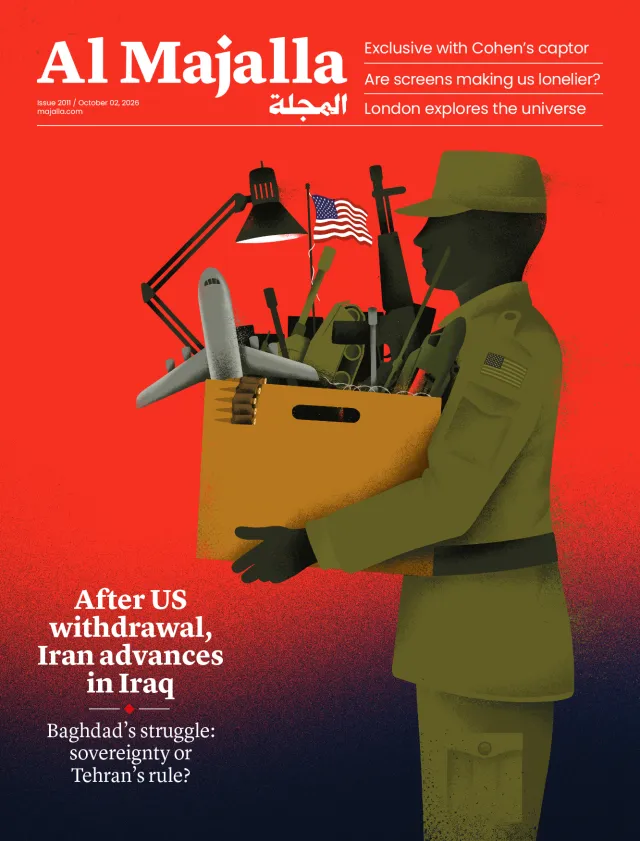
As US strikes dismantle Iran's regime and Venezuela's leadership, Beijing confronts energy strangulation, chokepoint vulnerability, regime decapitation, and the shattering of Xi's multipolar ambitions
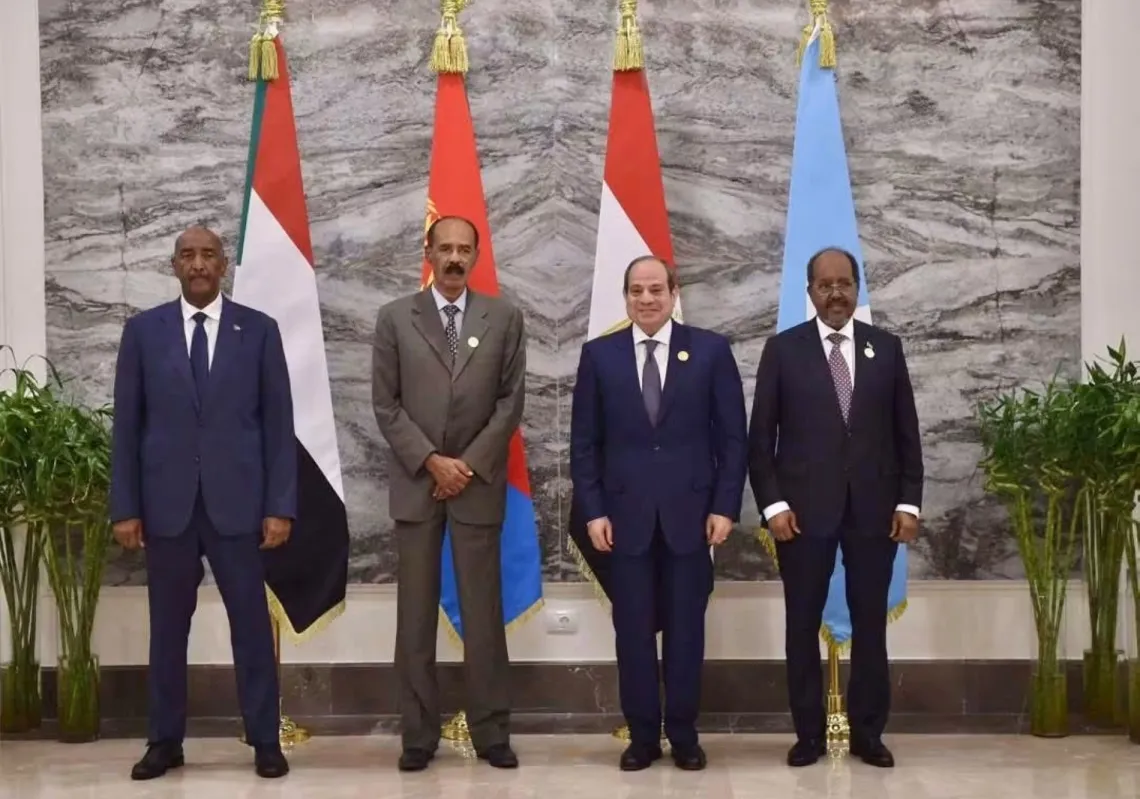
Riyadh and Cairo are trying to ease the acute oil shortfall through alternative pipelines, but these are just band-aid solutions, as the world's most vital energy corridor remains closed by Iran
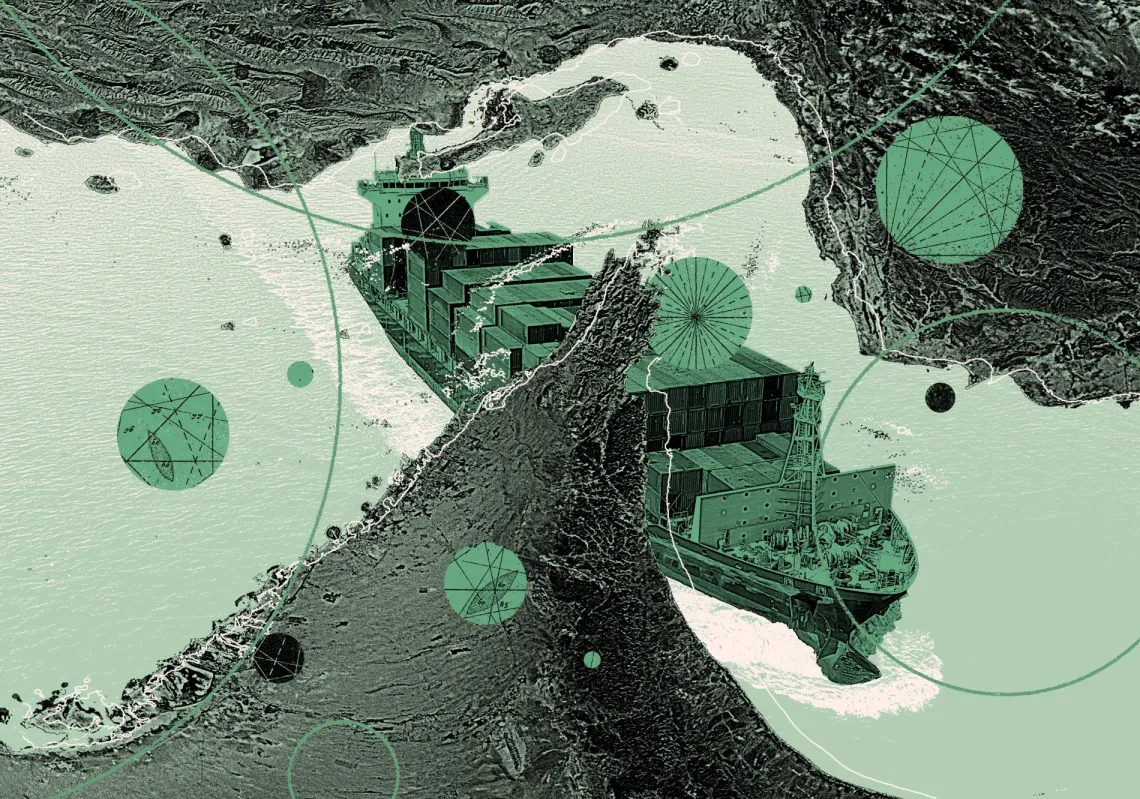
The strait carries up to 20% of the world's oil exports at around 20 million barrels of oil each day. Any closure could cost the global economy greatly, even if only for a short time.
Sources tell Al Majalla that Iran was able to build a rapport with US Vice President JD Vance in Islamabad, but sensed his hands were tied in the presence of Trump's son-in-law and close friend
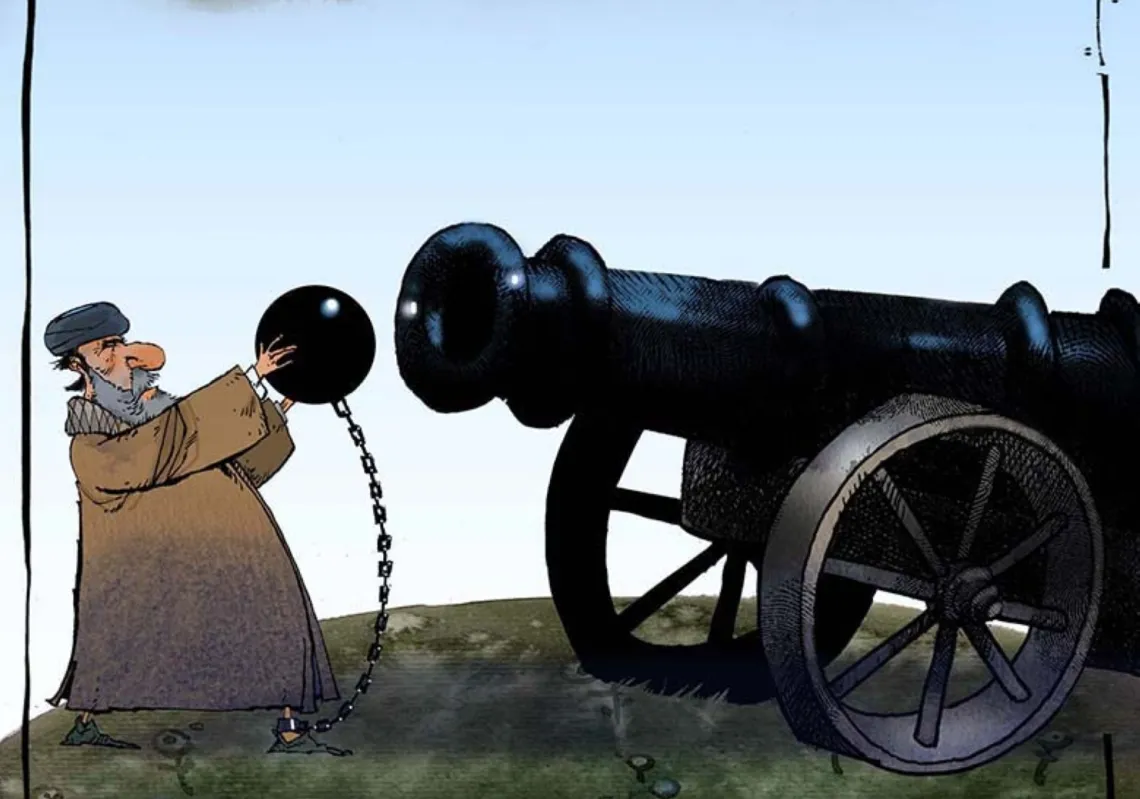
Washington weighs the desire to avoid a protracted war with offsetting the appearance of defeat, as Tehran debates whether to consolidate gains before conditions shift or press perceived advantages
Israel's parliament approved a draconian death penalty law last week that only applies to Palestinian prisoners, in a move that the UN says "would constitute a war crime"