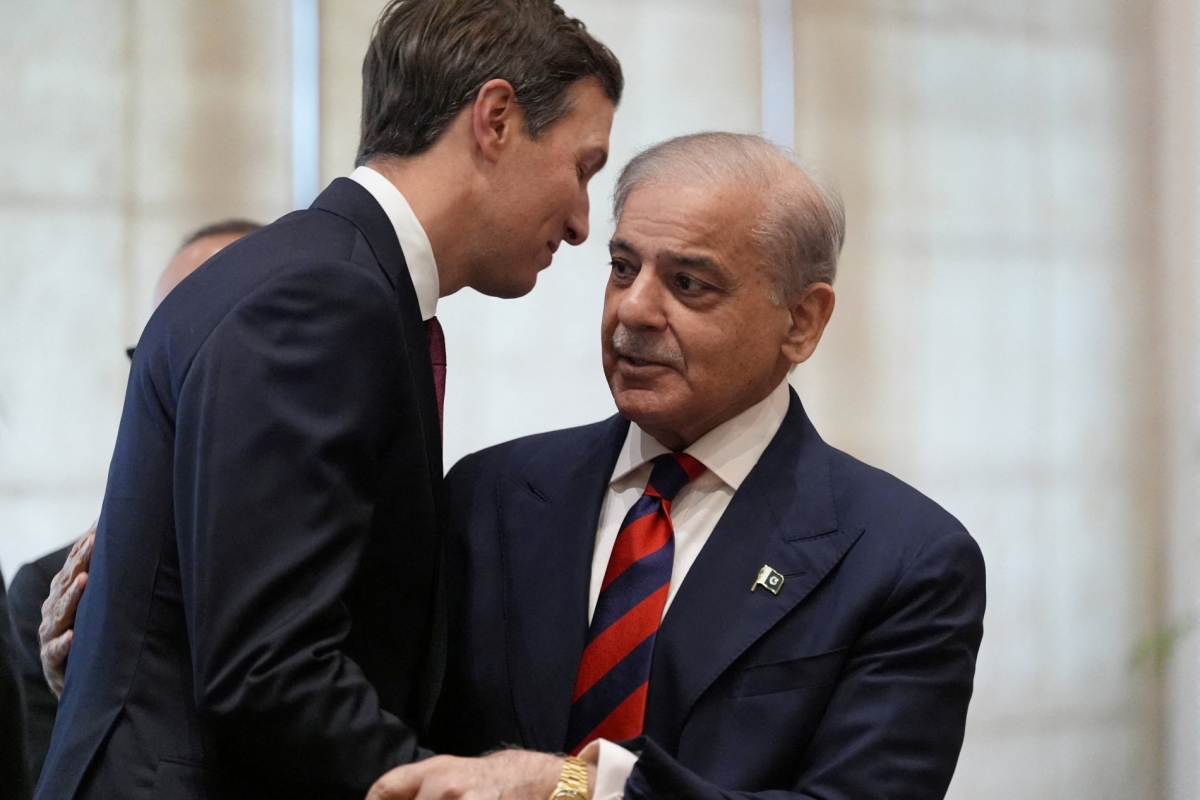

After a taxing 21 hours, US Vice President JD Vance thanked Pakistan for hosting US-Iran talks but ultimately concluded that “Iran was not prepared to accept our demands.”
So ended perhaps the most important peace talks arguably since the end of the Cold War. Vance was the most senior American leader to meet with Iranian officials since the 1979 Revolution, and the encounter was the first direct contact with the IRGC rather than with traditional diplomats and negotiators, lending the meeting unique significance.
The Iranian delegation comprised at least half a dozen senior IRGC representatives, including the Ambassador in Islamabad, who has been a contemporary of Iranian Parliament Speaker Mohammad Bagher Ghalibaf. For its part, the US delegation included Andrew Baker, the deputy national security adviser to the president and the national security adviser to the vice president, and Michael Vance, the special advisor to the vice president for Asian affairs.
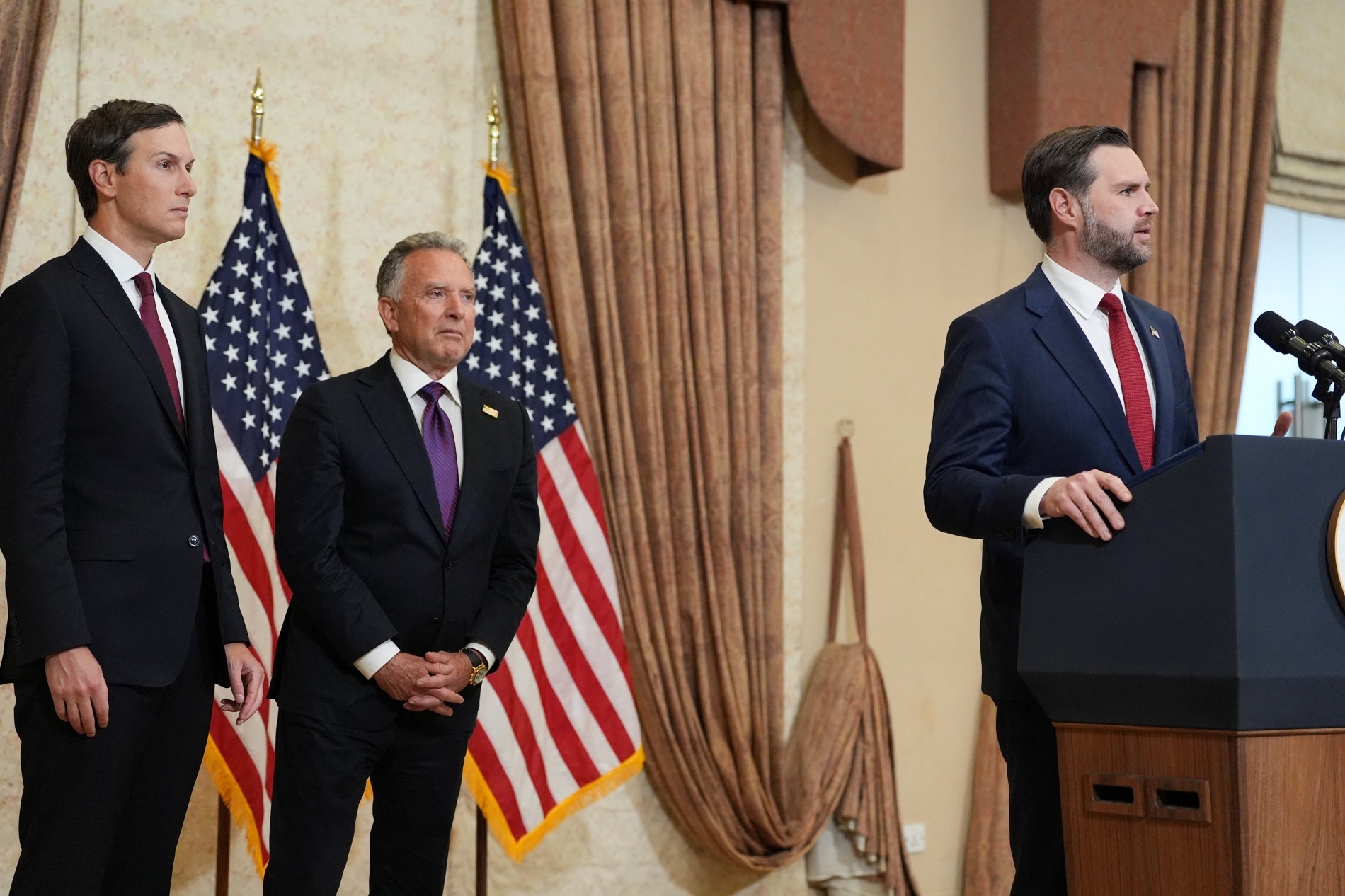
Given Iran's lack of trust in Jared Kushner and Steve Witkoff, their presence seems to have spoiled the talks. The two envoys—the former being Donald Trump’s son-in-law, with no official position in his administration, and the latter, his close friend and real estate magnate—have earned a reputation in the president’s second term as representing Israel's interests rather than America's. Pakistani security officials told me that while the Iranians were able to build a rapport with Vance, they sensed his hands were tied in the presence of Kushner and Witkoff.
Israel influence
Ahead of the talks, Iranian media played interview clips of Joe Kent, the most senior US official to step down over the US decision to wage war on Iran. Following his resignation, the former Director of the United States National Counterterrorism Centre explicitly said that the US decision to wage war on Iran came at the insistence of Israel—a claim that a recently published New York Times article seems to corroborate. They also aired US Secretary of State Marco Rubio’s comments to the press, when he said the US decided to join the war after Israel said it was planning to attack regardless of Washington’s participation, and knew that such an attack would trigger Iranian retaliation on US bases in the region.
The belief that the US is being forced into war with Iran by Israel has seeped out of America's fringe circles and permeated into the mainstream. Former MAGA heavyweights like Conservative podcast hosts Tucker Carlson, Megyn Kelly, Candace Owens and Alex Jones, and even Charlie Kirk—whose assassination last year has led some to speculate whether or not Israel had a hand in it—all assert the same. Furthermore, John Kerry and Ben Rhodes, who served in previous US administrations, both stated that Israel tried to bully every US president into attacking Iran, but Trump was the first one to actually cave under pressure.
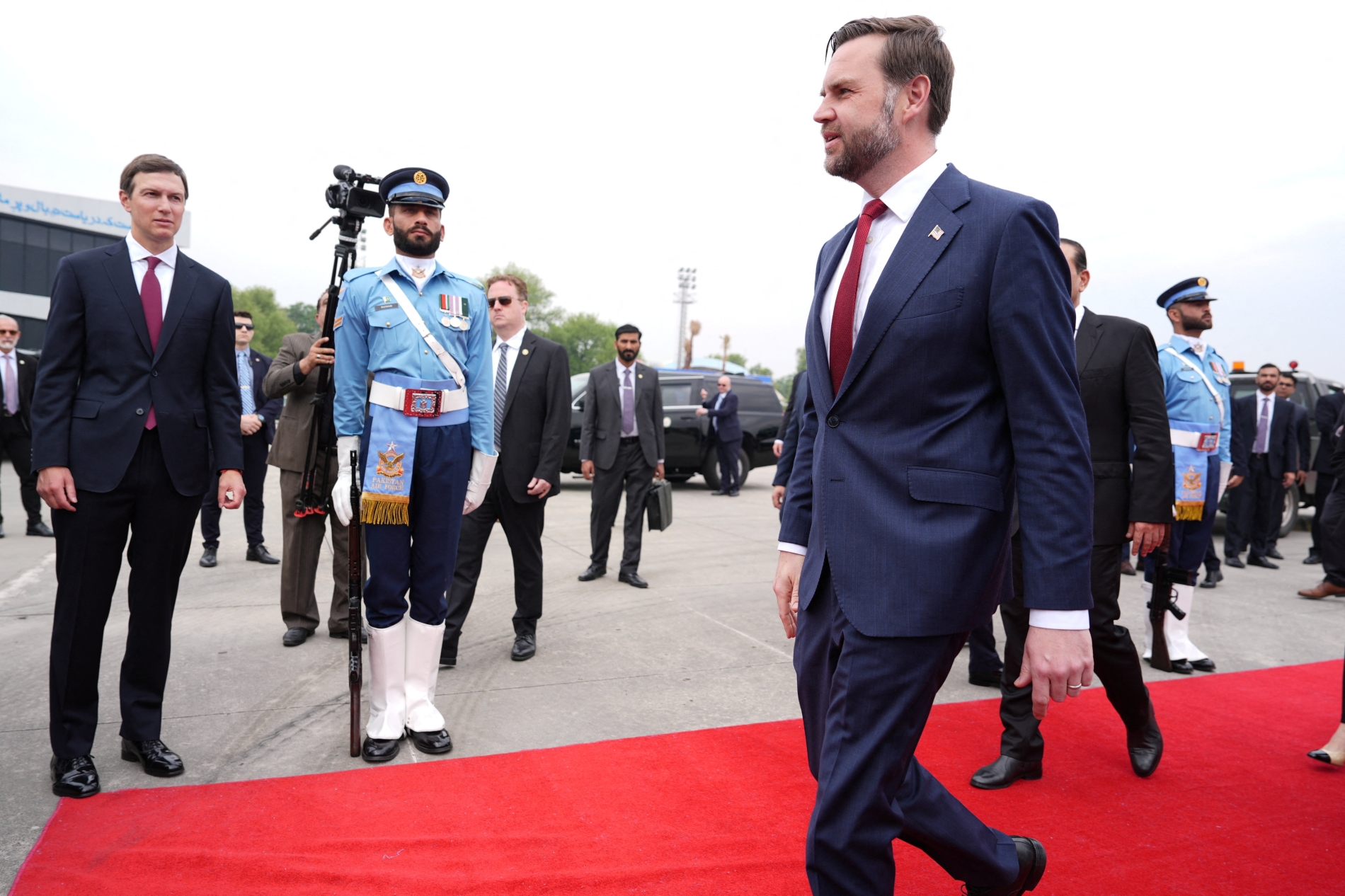
For his part, Vance has been notably quiet since the US and Iran attacked Iran on 28 February. While being on record for his opposition to war with Iran and also issuing tepid criticisms of Israel on its Gaza war and settlement expansion in the occupied West Bank, he said he wouldn't stand in the way of Trump's decision to wage war on Iran, according to the New York Times account.
Lebanese massacre
Meanwhile, in Islamabad, the Iranians began the talks by pointing out the growing American belief that Israel forced the US into the war. They also emphasised that Lebanon had always been part of the ceasefire—something that Pakistan both confirmed and stressed. Following the announcement of the truce overnight on Tuesday, Israel carried out one of the deadliest assaults on Lebanon in its history on Wednesday, dropping more than 100 bombs across the country and in central Beirut (not considered a Hezbollah stronghold) in 10 minutes, killing more than 300 people.