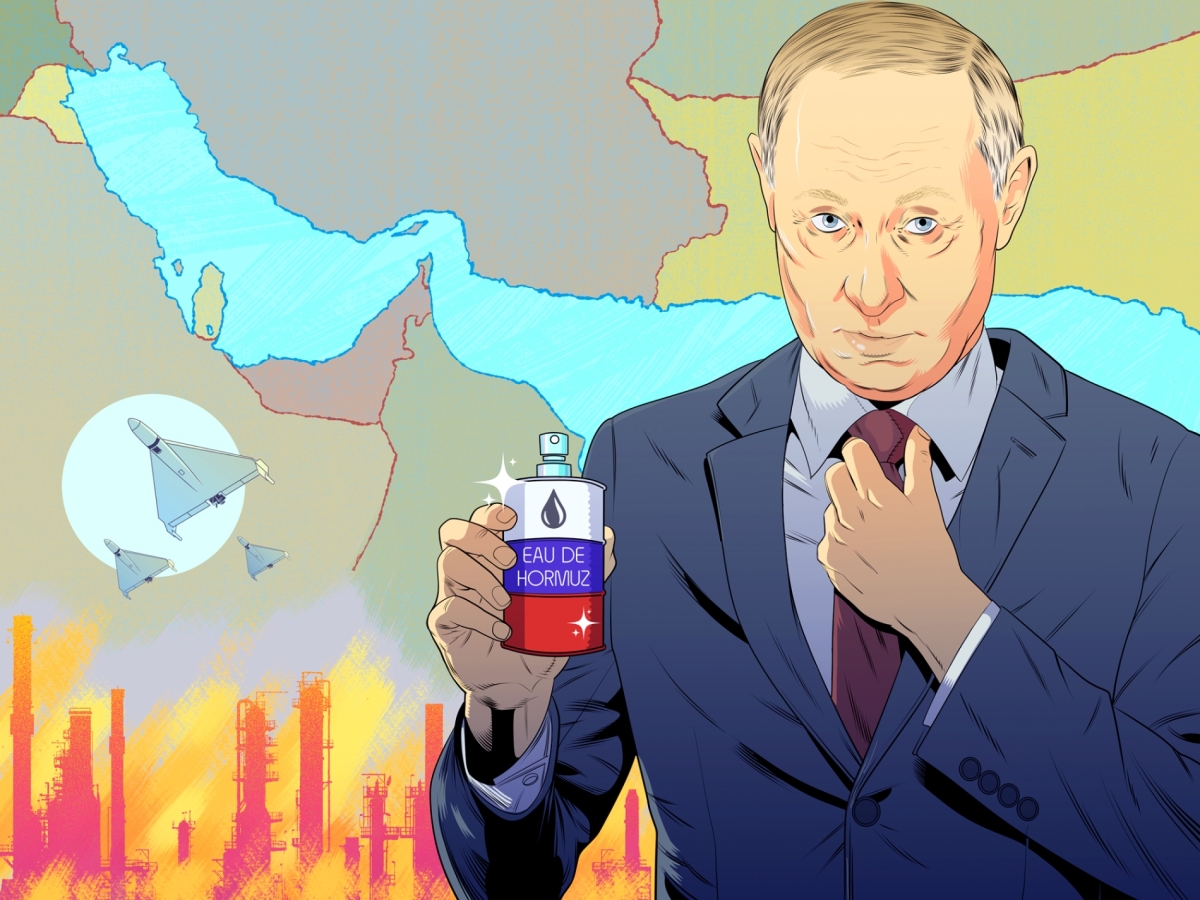

Felix Dzerzhinsky, the founder of the first Soviet secret police organisation and precursor to the KGB, reportedly once said that “lately, politics very often smells of oil, and oil smells of politics”. If he did, he was probably among the first to recognise the effect of oil and gas not just on economics, but on the balance of power in the world.
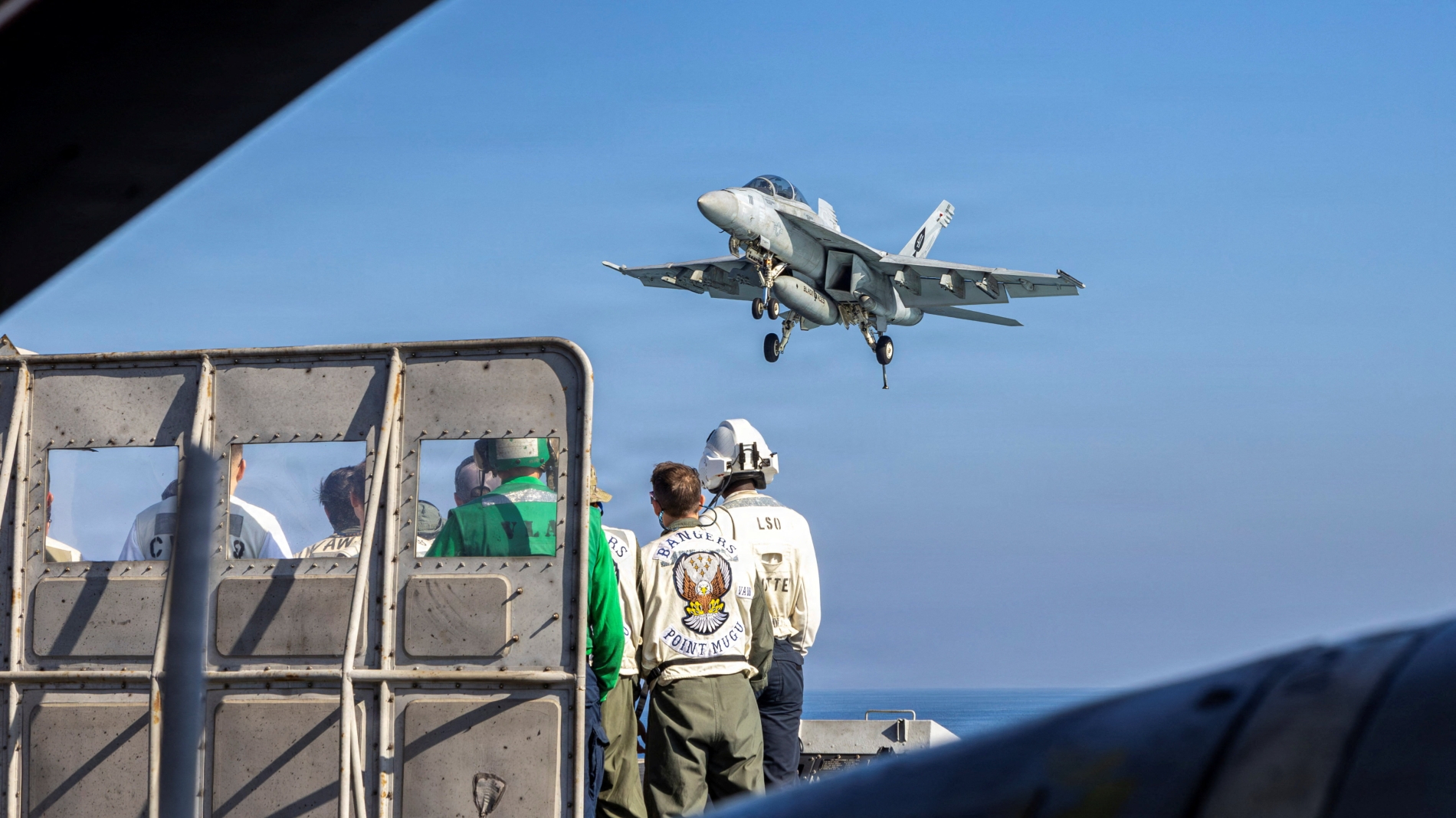
Against the backdrop of the US-Israeli war against Iran, this quote remains highly relevant, especially with Iran having effectively closed the narrow Strait of Hormuz and, in recent days, having begun to attack Gulf states’ energy infrastructure, after Israeli airstrikes against Iran’s largest gas field.
The rocketing price of oil and gas, as a result, plays into Moscow’s hands. The extra revenue lets Russia replenish its budget, not least to fund its military operations in Ukraine. Washington’s shift in focus from Ukraine to Iran also serves Russian interests; Ukraine is running out of weaponry, and American mediation to end the war has been put on the back burner. In Iran, however, the Kremlin faces new challenges.
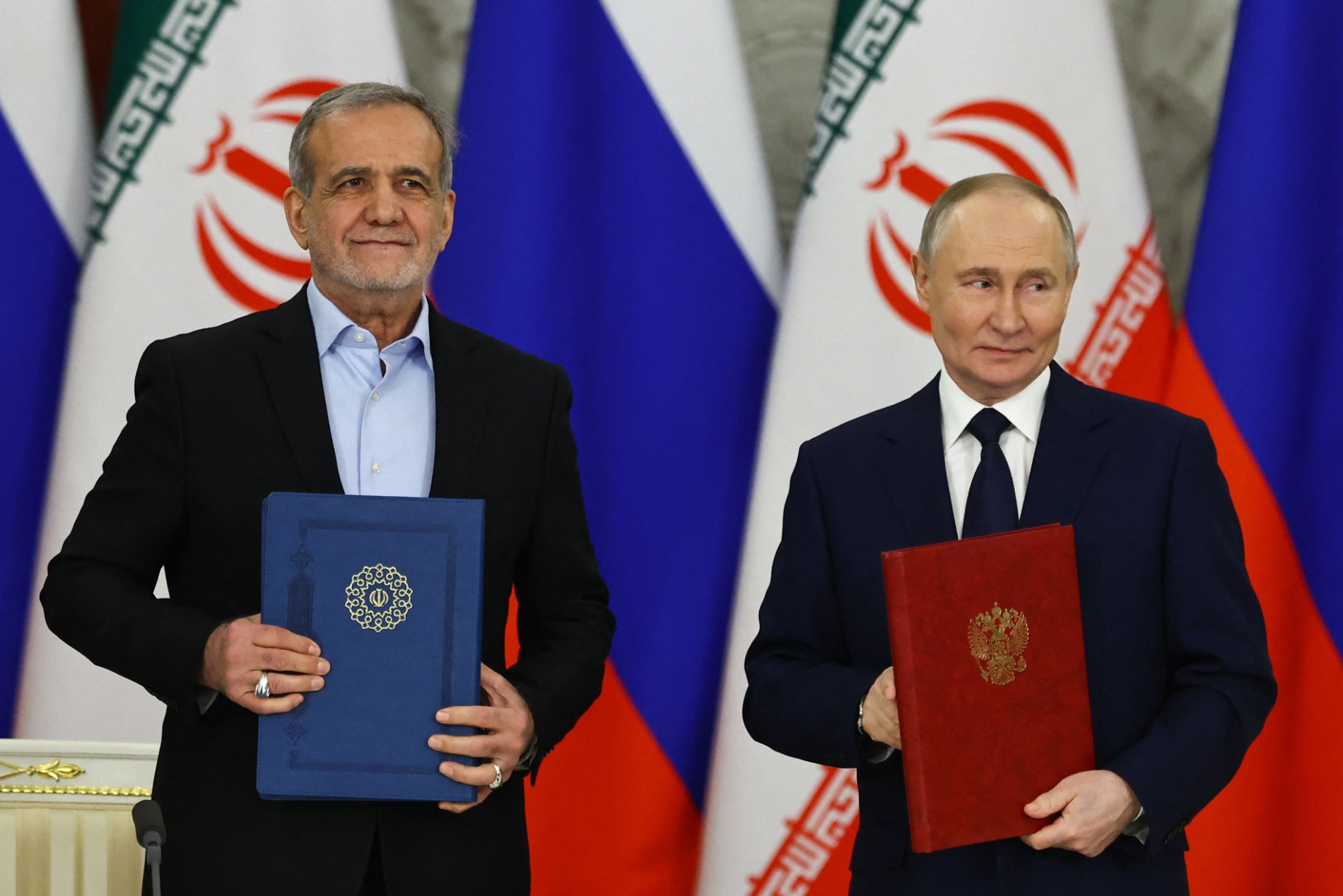
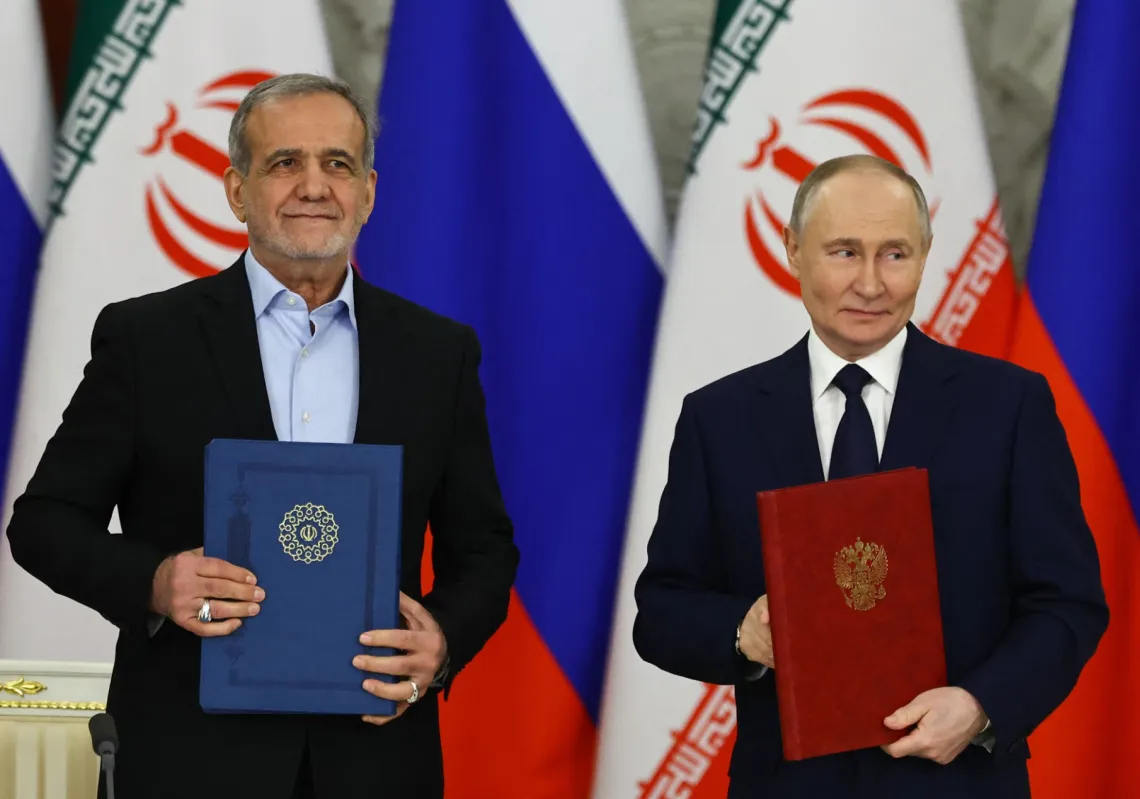
On the one hand, Iran is a tactical ally, a partner in an informal anti-Western bloc that has become a hub for Russian intelligence operations throughout the Middle East. Russia intervened militarily in support of the ultimately ill-fated Assad regime in Syria in 2015 but did so under Iranian cover and alongside Iran’s battle-hardened proxy forces, primarily Hezbollah.
On the other hand, cooperation between Russia and Iran is limited due to some key differences. Religion is a factor, but on a more fundamental level, neither state fully trusts the other, which has hindered several big economic projects. While an Iranian defeat would not be a catastrophe for Moscow, it would also not align with Russian strategic interests, as pro-Kremlin political analyst Dmitry Trenin noted.
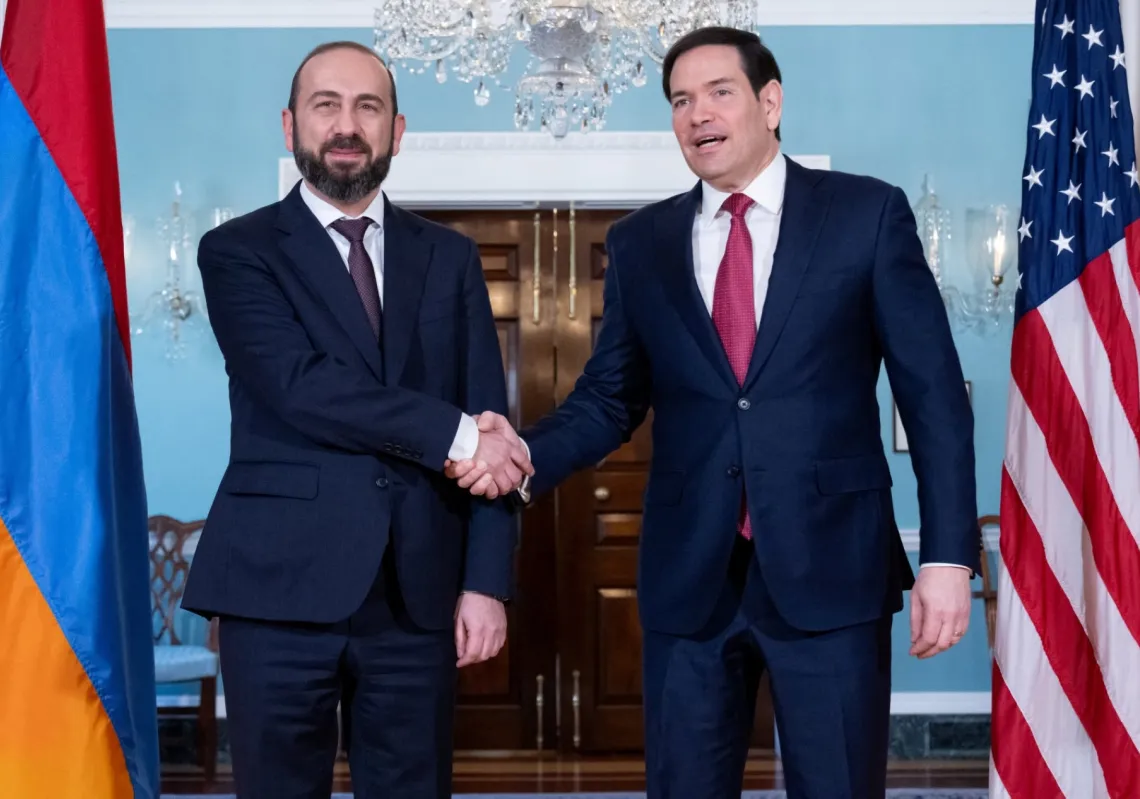
Demokrit Zamanapulov, a senior researcher at the Department of Military and Political Studies at the Georgy Arbatov Institute, speculates that an Iranian defeat at the hands of the US and Israel would be detrimental to Russia’s calculations in the South Caucasus. He thinks the imposition of a new pro-American government would almost certainly reorient the country’s foreign policy and deploy radar stations in northern Iran to keep an eye on Russia’s armed forces along its southern borders, in Armenia and Tajikistan.
Helping hand
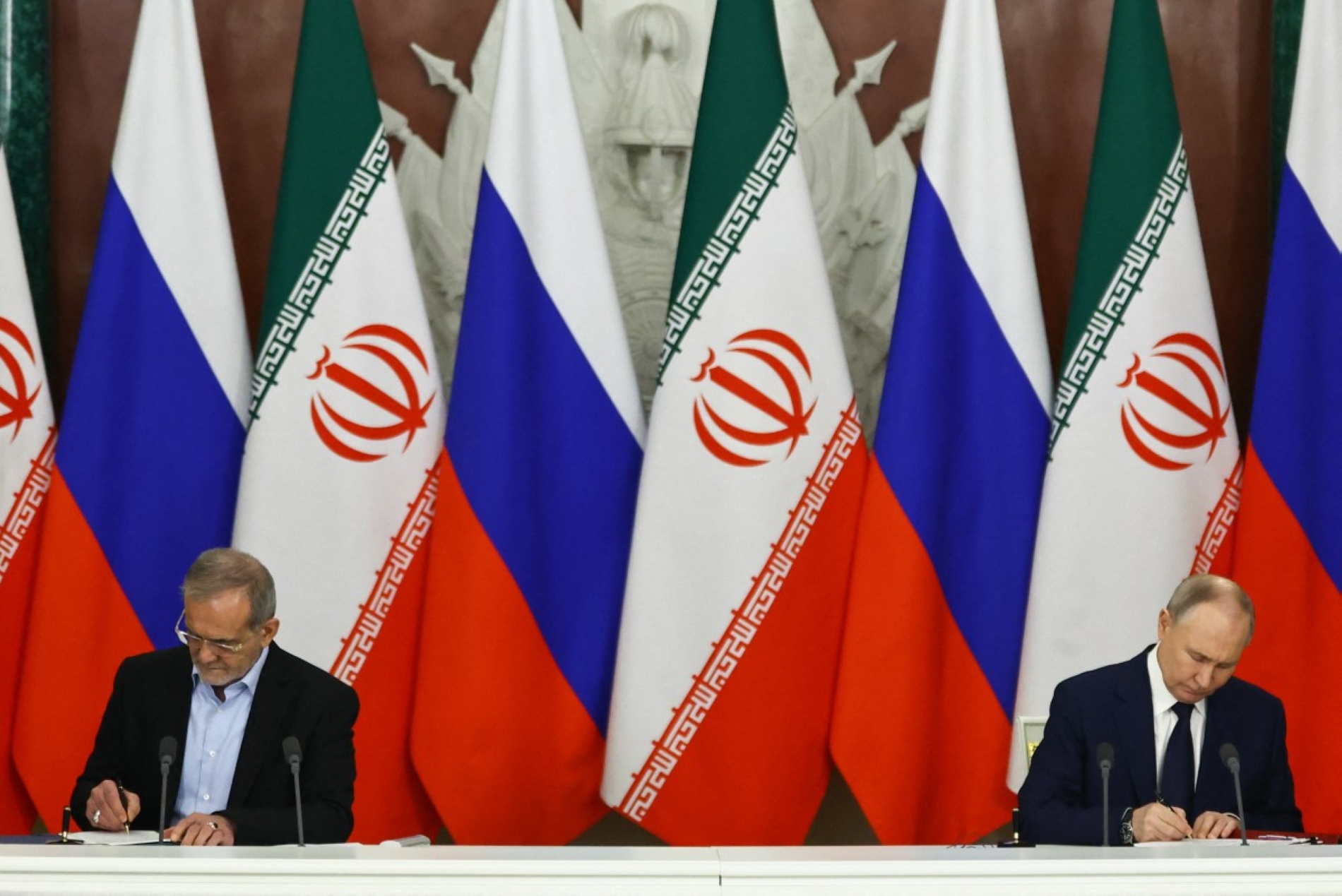
Russia assisted Iran prior to the start of the US-Israeli operation, and this continues today in the form of intelligence sharing, but it is essentially symbolic in nature and incomparable to the West’s ongoing support for Ukraine, which covers the use of advanced military technology and the supply of various electronic warfare systems, missiles, and other munitions.