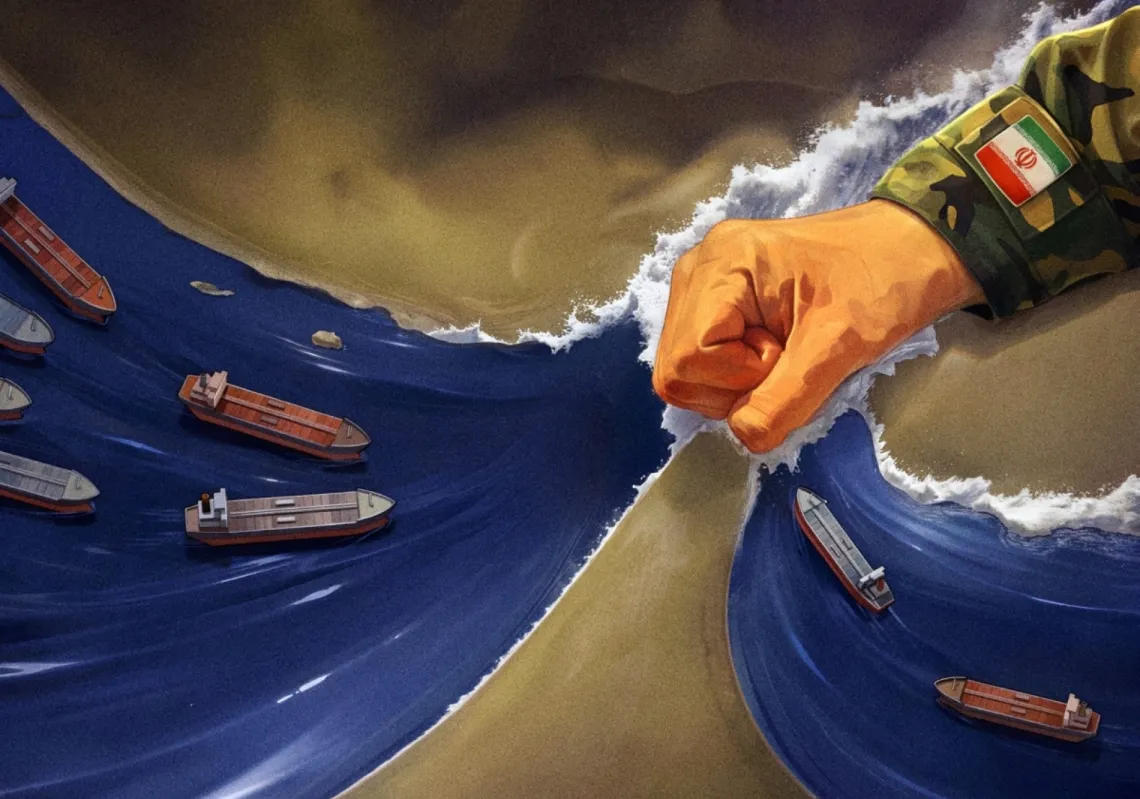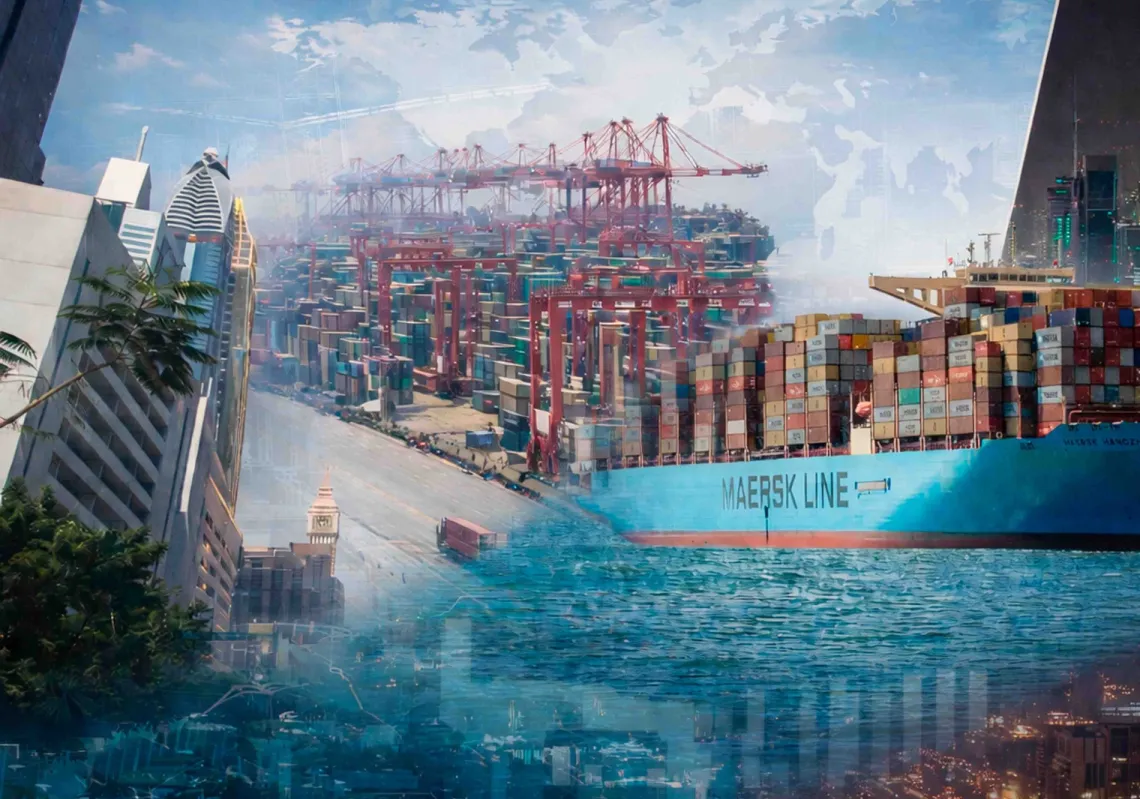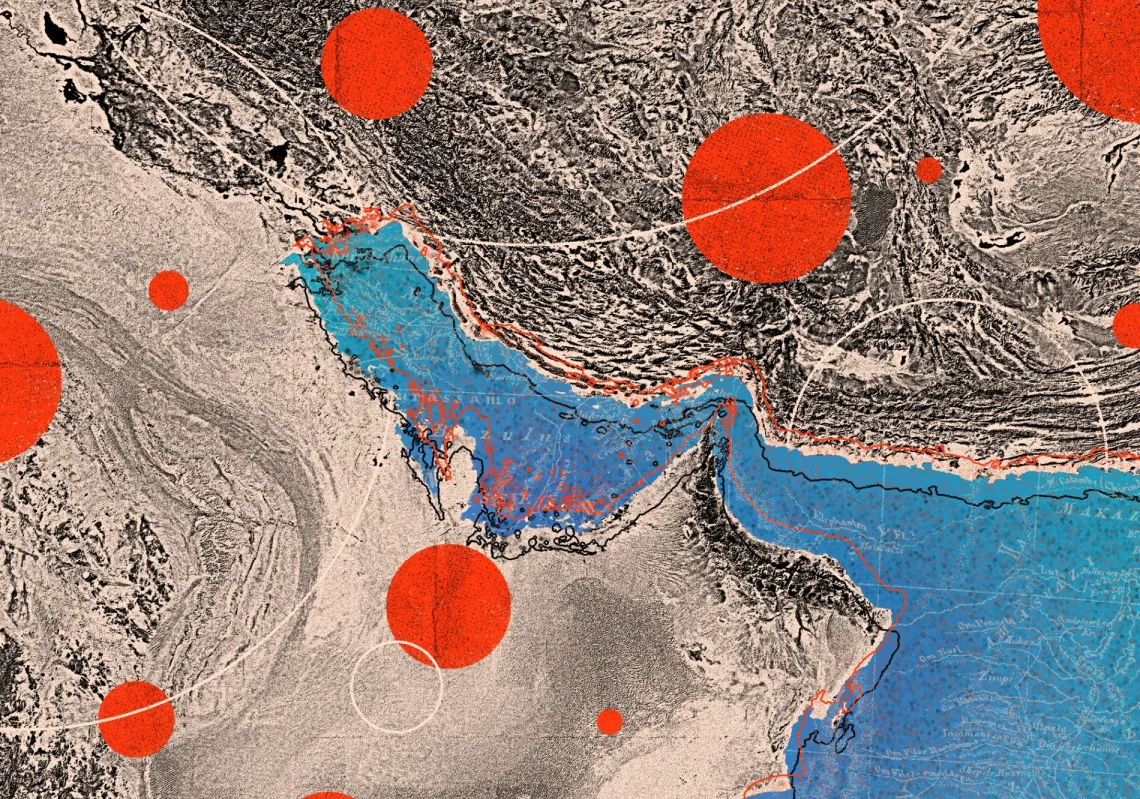
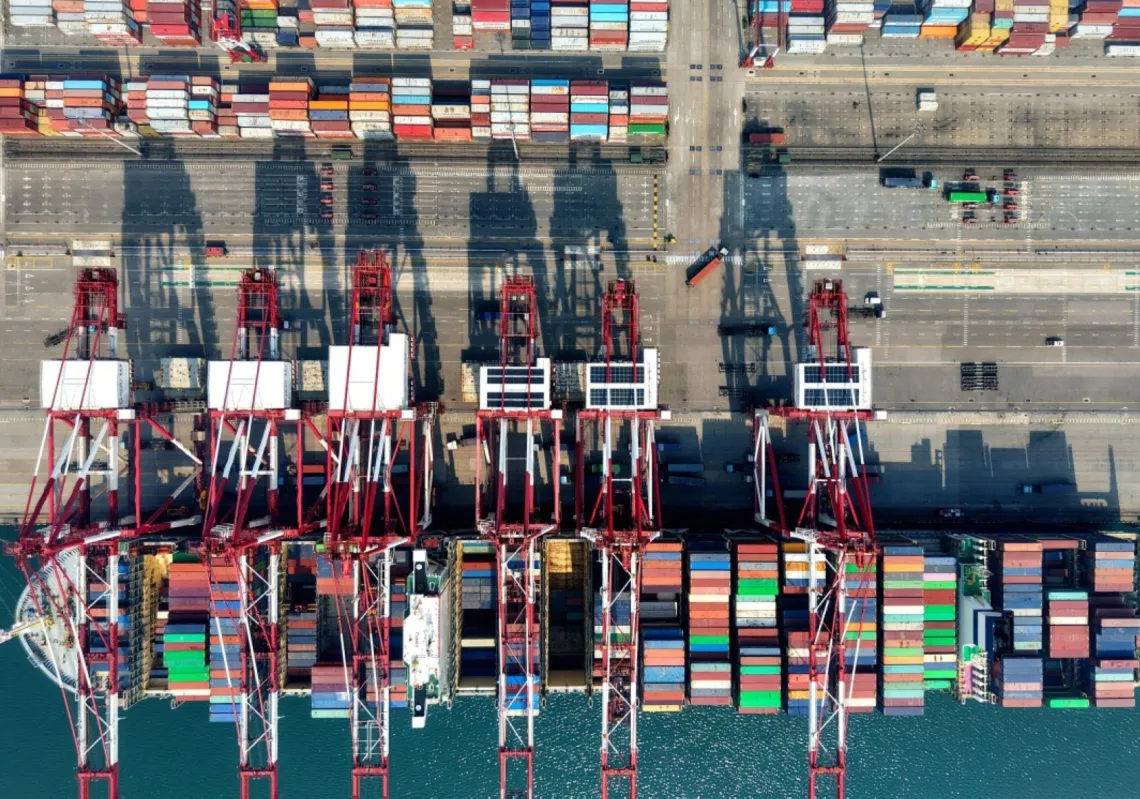
After 15 weeks of effective closure, shipping routes, energy markets, and supply chains have been reshaped, leaving changes that could endure long after the war has ended
There is now a growing recognition that over-reliance on a single corridor or supplier is no longer feasible. While this may worry some, it is a chance for others.
A two-week truce has sparked a cautious market rebound, but deep anxiety persists over renewed escalation and its impact on global growth and inflation
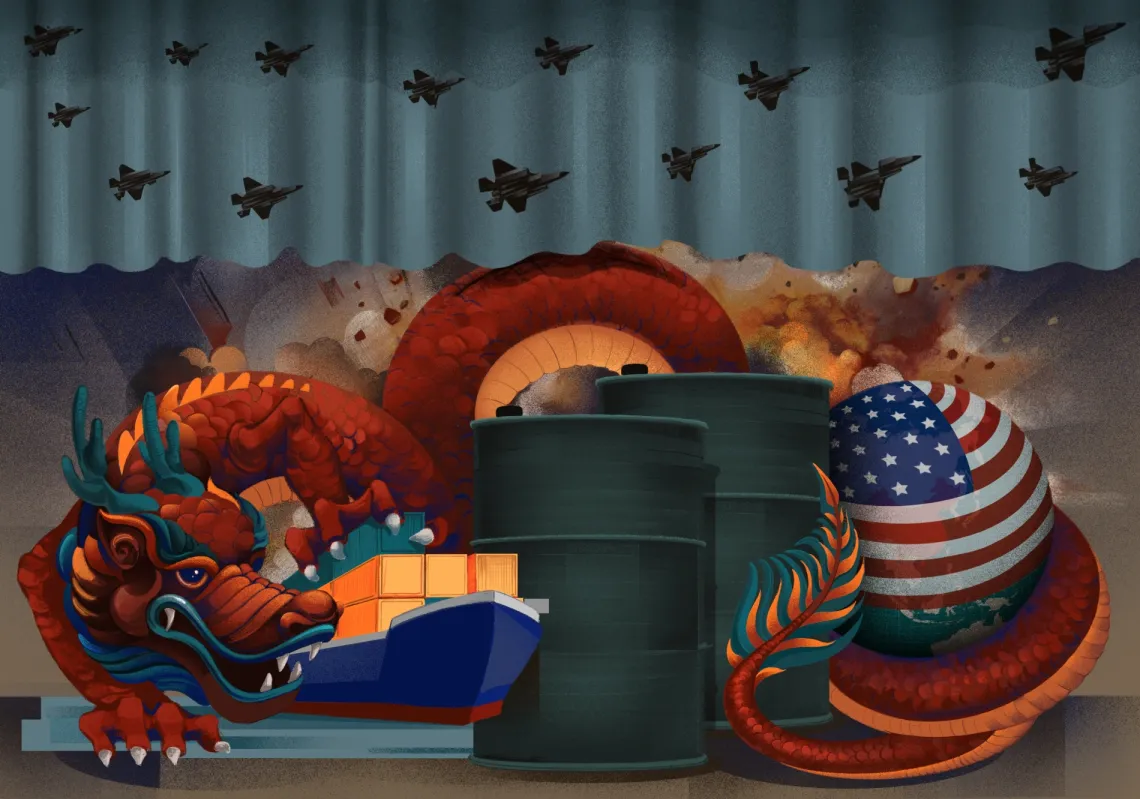
As US strikes dismantle Iran's regime and Venezuela's leadership, Beijing confronts energy strangulation, chokepoint vulnerability, regime decapitation, and the shattering of Xi's multipolar ambitions
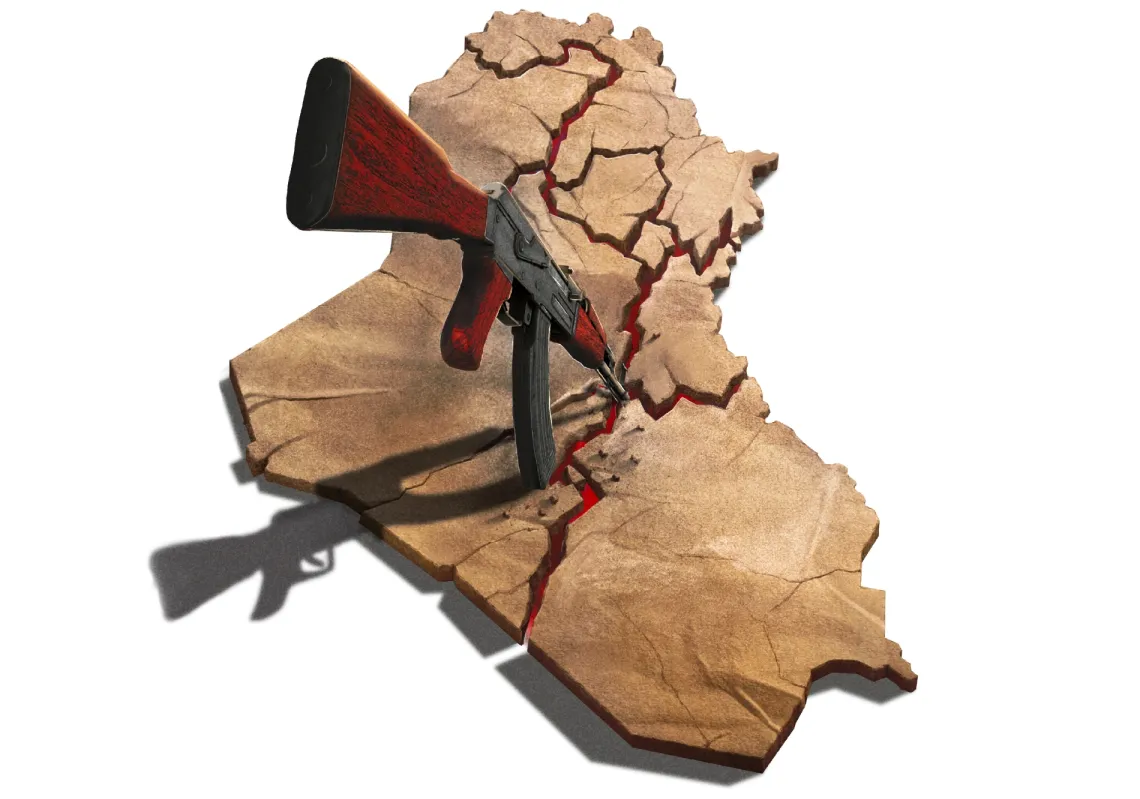
A US-Israeli attack on Iran has turned into a regional war, sending Brent crude prices over $100 a barrel, and throwing shipping, inflation, and monetary policy into turmoil
Political uncertainty, technological disruption, and demographic change are reshaping the global economy as shared leadership and strategic consensus erode
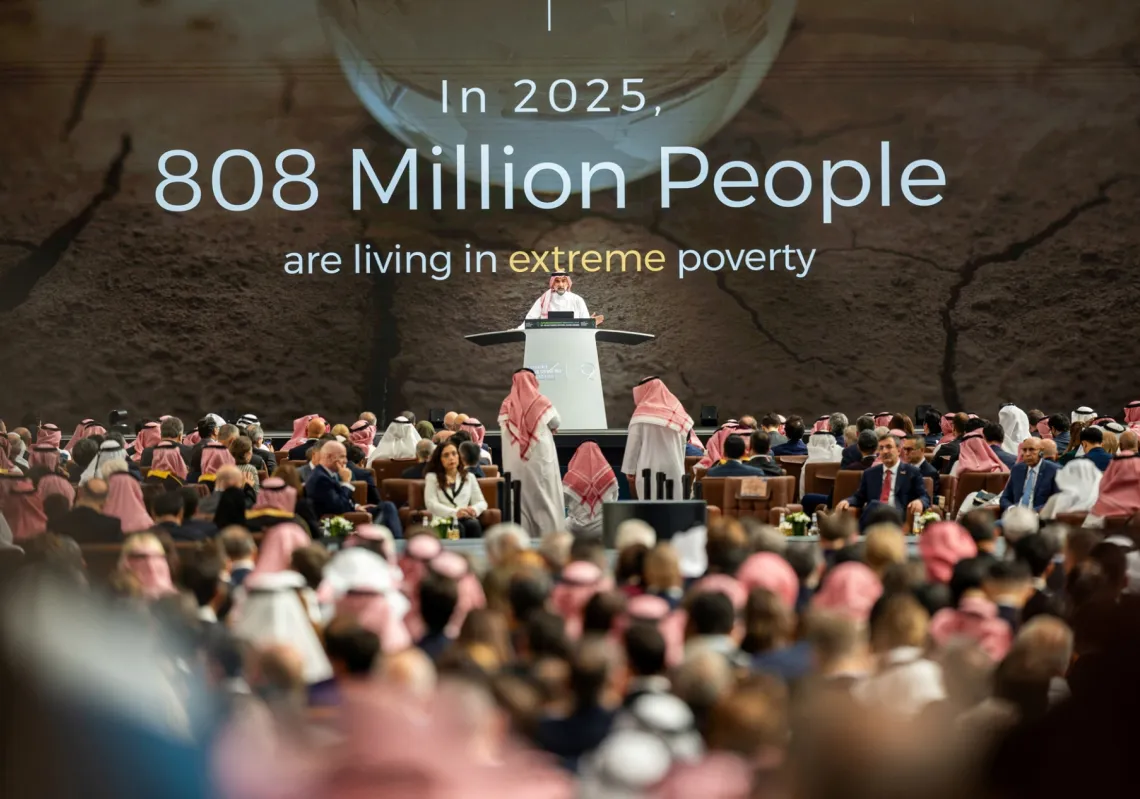
Now in its ninth edition, Riyadh's Future Investment Initiative has transformed from an investment forum into a geo-economic platform redefining how nations link peace, progress, and technology
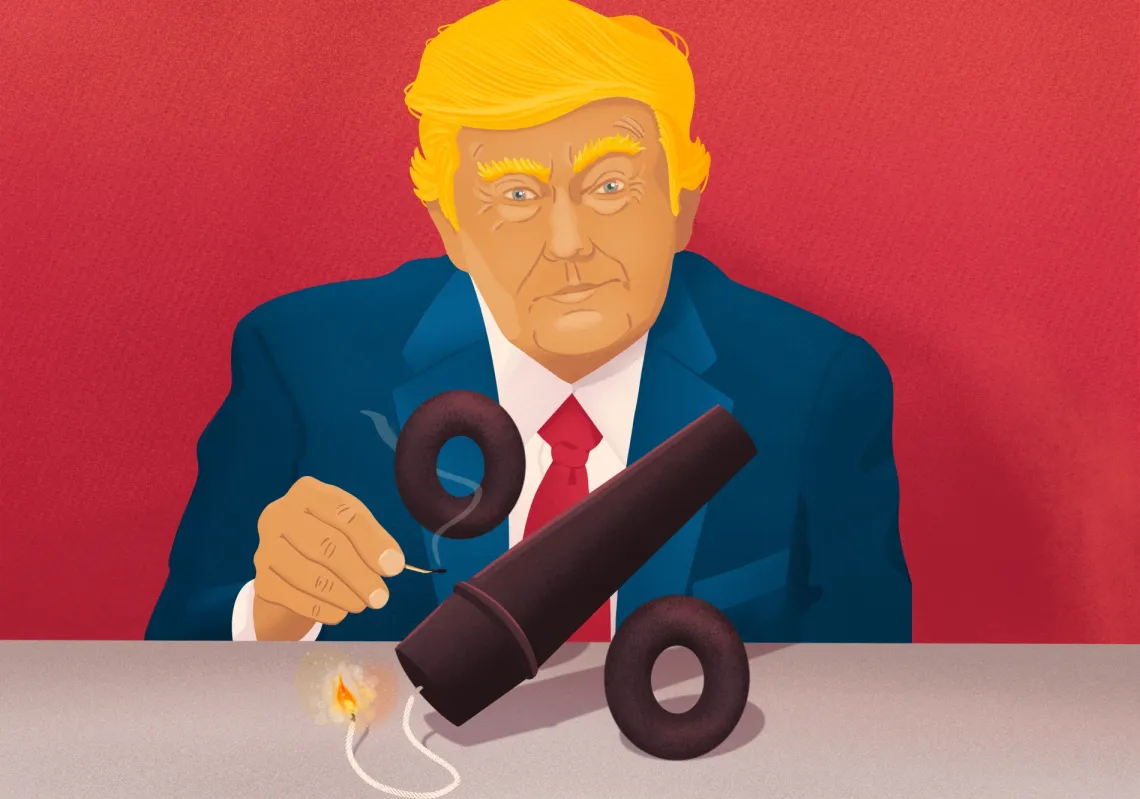
In one of the first major economic forecasts since the US president waged his tariff war, the IMF has downgraded growth forecasts, much to the chagrin of countries still reeling from past crises
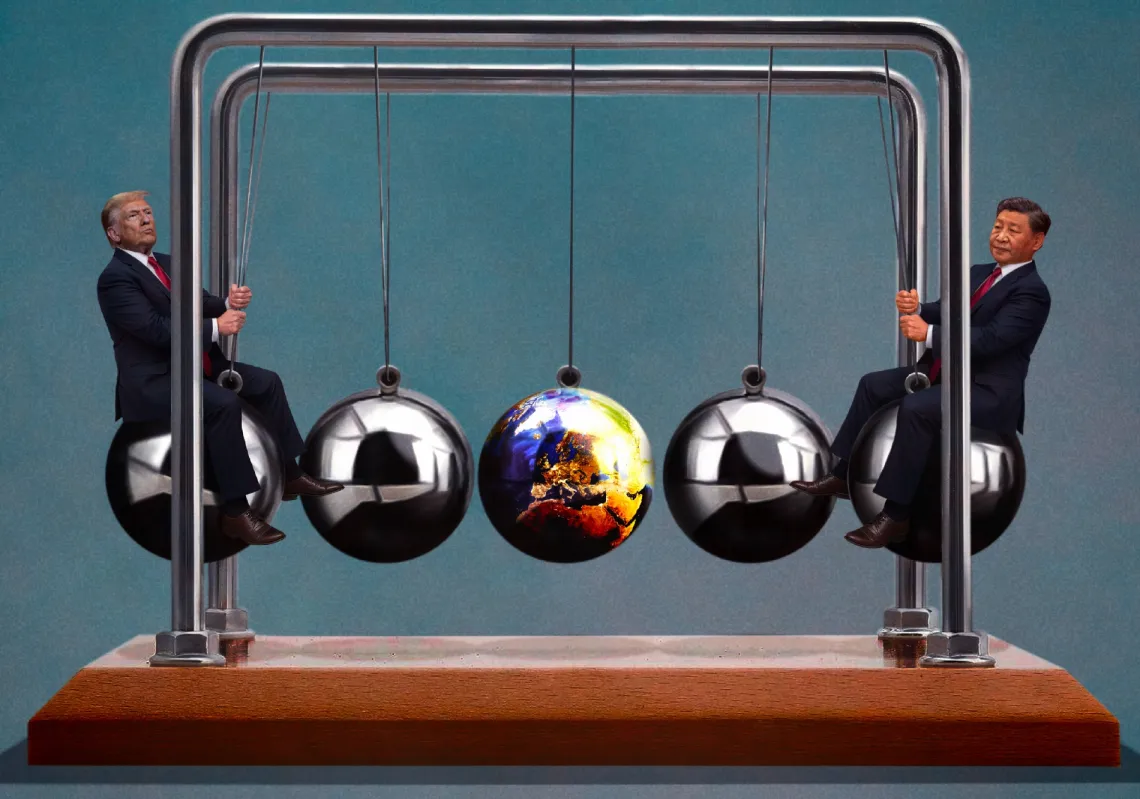
The sense that the US may be less committed to its allies' security is prompting a rethink of long-held assumptions, much to the delight of China and Russia
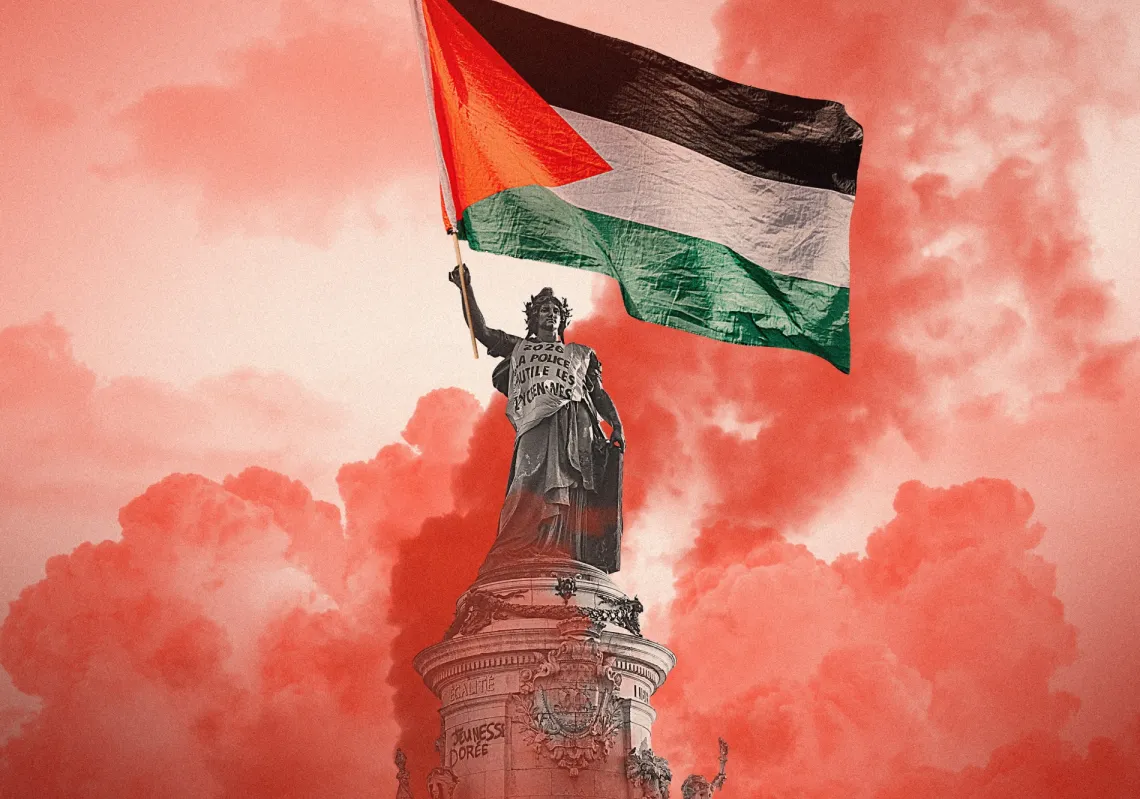
Supporting Israel used to help politicians get elected, but with Americans far more critical of Tel Aviv's influence on US policy, it has now become a liability at the ballot box
It is not just a fancy name for the air-conditioning industry, but an intricate system that begins with power stations and extends to the design of buildings and cities
The Palestinian-German author speaks to Al Majalla about the challenges facing Palestinian voices in Germany and how she engages German readers from within their own cultural and political context