
Riyadh and Cairo are trying to ease the acute oil shortfall through alternative pipelines, but these are just band-aid solutions, as the world's most vital energy corridor remains closed by Iran
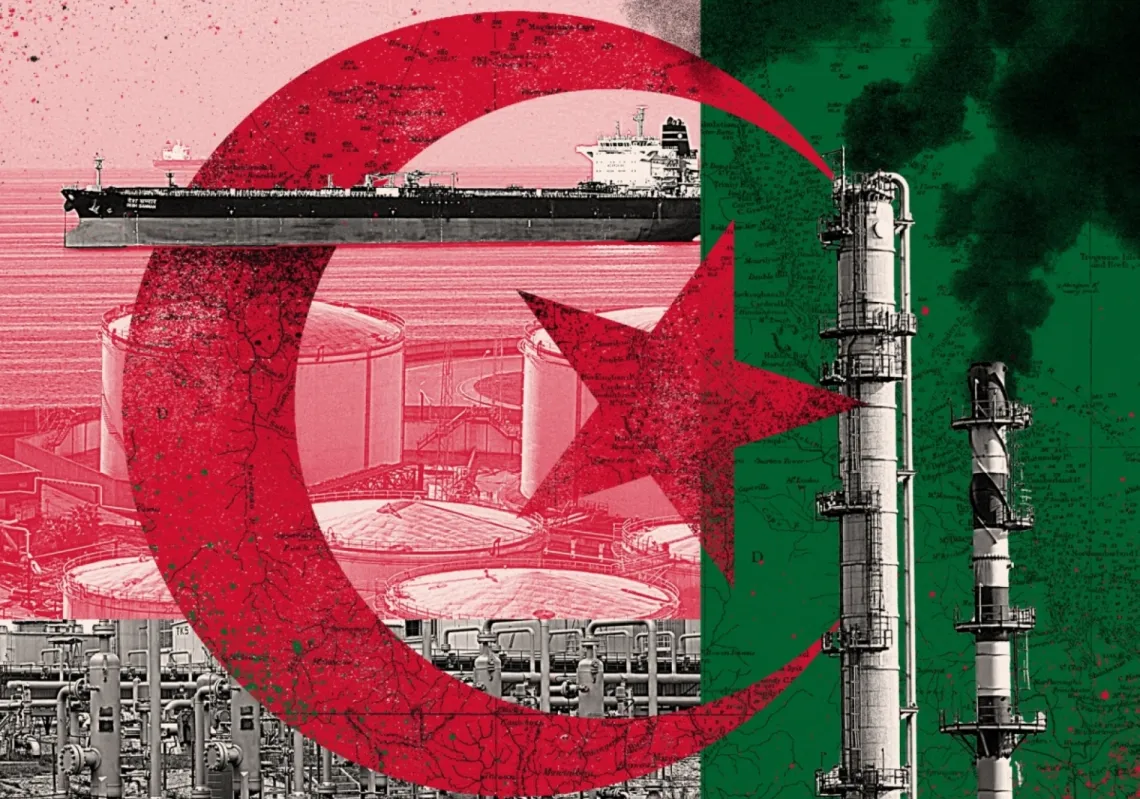
The north African nation wonders if it might step in, as war in the Middle East halts shipments of liquefied natural gas and leaves importing nations looking for alternatives.
As Ukraine pulls the plug on a major route for Russian gas into Europe, Türkiye and America stand to gain, but where does that leave Arab suppliers and Europe's consumer states?
A series of red lines were drawn at a meeting of gas-producing countries in Algiers. Al Majalla looks at what they are, where they came from, and what they may mean for energy markets.
Europe faces “unprecedented risks” to its natural gas supplies this winter after Russia cut off most pipeline shipments and could wind up competing with Asia for already scarce and expensive liquid…
Disruption in the Hormuz can have major implications for global trade, but it also creates opportunities for smaller nations like Iran to become global political players
The Iraq war was viewed as disastrous in retrospect, while the Iran war was unpopular from the get-go. Al Majalla highlights the similarities and differences between the two.
Pipelines have a chequered history in the Middle East, but the closure of the Strait of Hormuz has led US Tom Barrack to conclude that a new route through Syria could solve some problems.