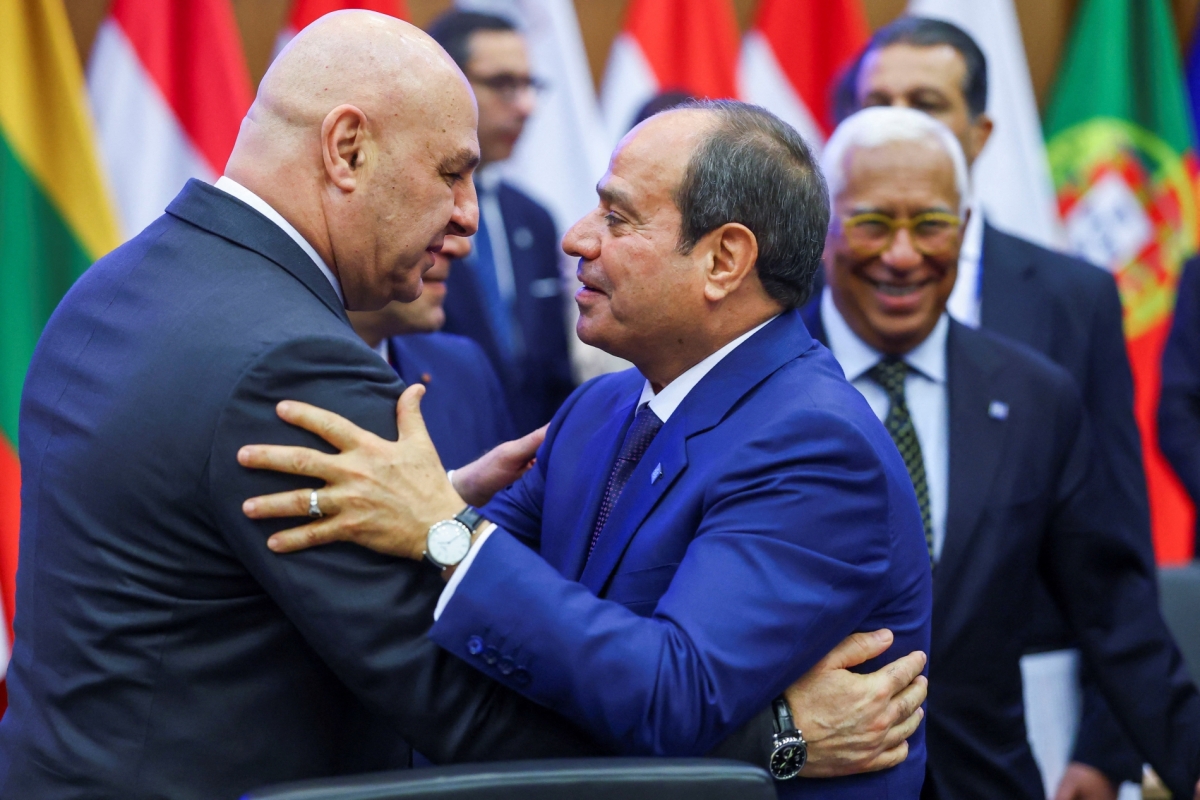

The shift from warmth to warning was unmistakable on Egyptian President Abdel Fattah al-Sisi’s face as he greeted his Lebanese counterpart Joseph Aoun in Cyprus on the sidelines of a meeting of EU and Arab leaders last month. After a brief smile came a pointed finger, as Sisi spoke with Aoun about Lebanon, where Egypt has deep concerns.
The context is that Israel has been attacking Lebanon since 2024, including in recent weeks, when a ceasefire was supposed to be in place. Lebanese and Israeli officials are now talking directly about the parameters of a future peace deal, while Israeli bombs continue to strike Hezbollah sites.
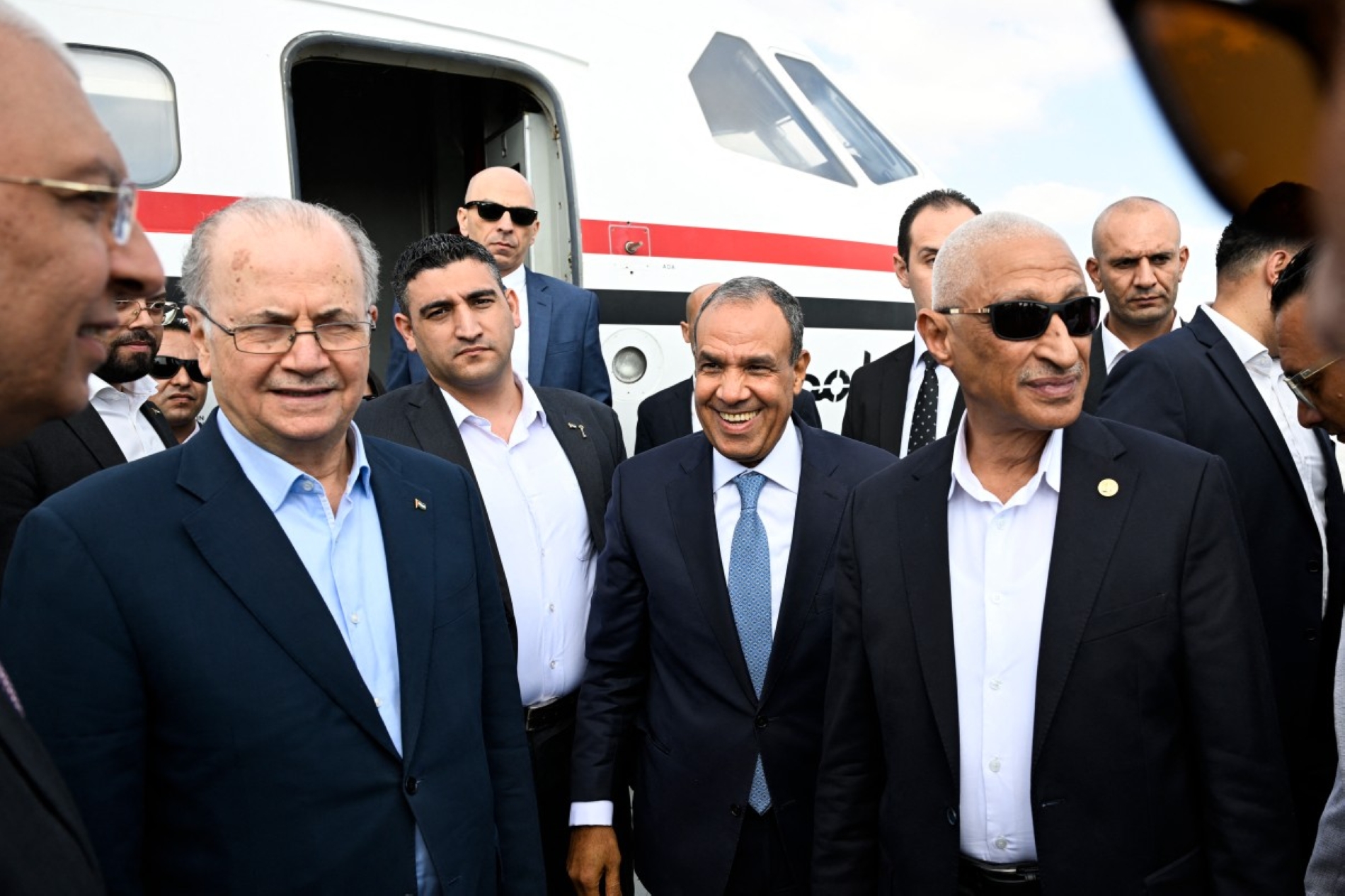
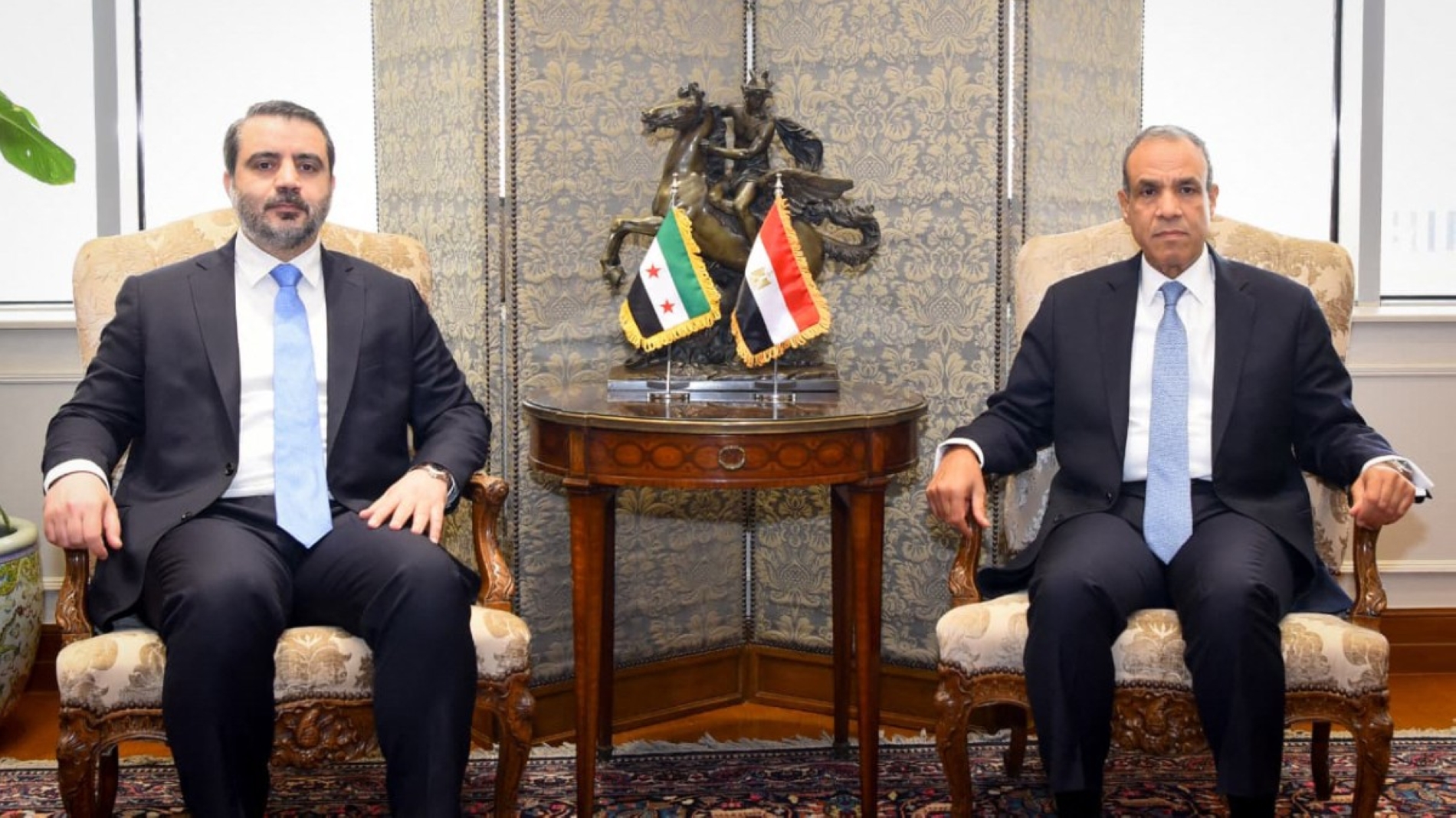
Israel is also talking to the new Syrian government, and just moments before Sisi and Aoun spoke, the Egyptian leader had appeared to give the cold shoulder to Syrian President Ahmed al-Sharaa, although they later had a brief exchange as they stood together for the official group photo. Syria and Egypt do not enjoy good relations, but just days after the summit, al-Sharaa dispatched his Foreign Minister Asaad al-Shaibani to Cairo to meet his Egyptian counterpart, Badr Abdelatty.
Being pragmatic
Among the major Arab countries, Egypt is perhaps the last to openly embrace al-Sharaa after the fall of Bashar al-Assad’s regime in December 2024. Still, that may soon be coming; the statement from Egypt’s foreign ministry after Abdelatty met al-Shaibani hinted at pragmatism. As a new Syria takes shape, forms fresh alliances, and grapples with its future—especially its tense relationship with Israel—Egypt appears ready to deal with the realities.
Egypt’s interest in Lebanon is not new, having stood by the smaller Arab state for decades, but the fighting between Israel and Hezbollah has left Egyptian decision-makers uneasy, not least because Israel’s response goes well beyond southern Lebanon—known to be Hezbollah’s traditional stronghold.
Israeli fighter jets have struck deep into central Beirut, while the Israeli army has pushed into southern Lebanon, establishing what it calls the ‘Yellow Line’. For Cairo, these tactics appear similar to those Israel has used in Gaza since 2023, suggesting a long-term or even permanent Israeli presence in Lebanon. This would effectively reverse the gains given to Lebanon by UN Security Council Resolution 1701 (in 2006), which forced Israel to pull out of southern Lebanon and mandated the Lebanese army to deploy there instead.
For years, Egypt has advocated for a strong Lebanese state capable of exercising its authority over all Lebanese territories, calling for the Lebanese army and security forces to hold a monopoly over weapons and extend their control across the country, especially in the south.
Egyptian officials now think American and Israeli pressure to rapidly disarm Hezbollah could backfire, igniting clashes between the Lebanese army and the militia, which could plunge Lebanon into a new civil war. This is why Egypt advocates a broad consensus encompassing all major political forces, including Hezbollah itself. Cairo thinks this would strengthen the Lebanese army, prevent clashes with Israel, and serve domestic stability.
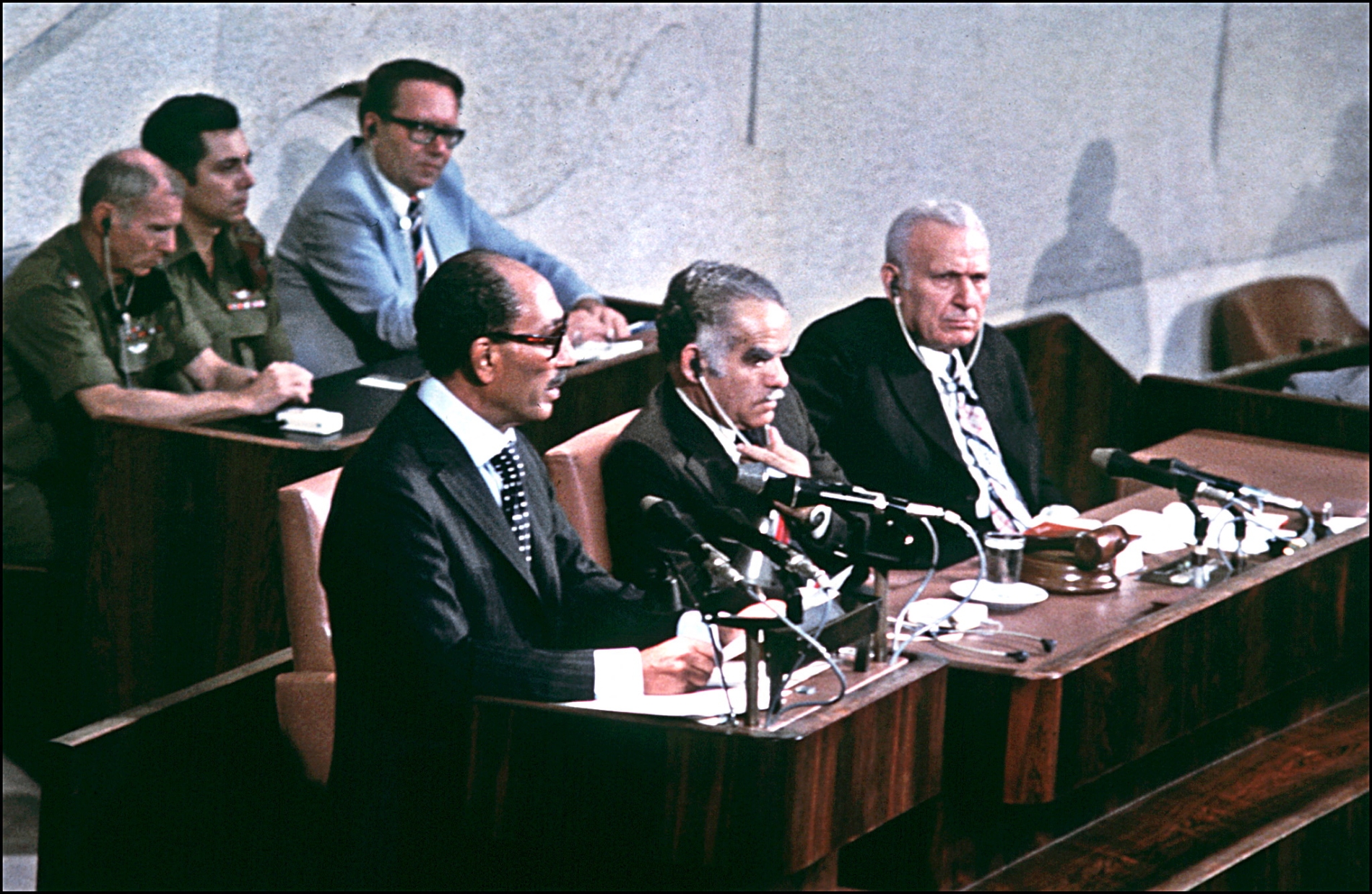
Egyptian negotiators have more experience working with the Israelis than their Lebanese peers, with valuable lessons drawn from 16 months of intense talks that followed the historic visit of Egypt’s President Anwar Sadat to Jerusalem in November 1977 (it ultimately led to a peace treaty in 1979), but it is understood that they have not offered advice, nor has any been sought.
Territorial integrity
Cairo has approached Syria’s new leadership with caution, owing in part to clear ideological differences. Still, Egypt’s position has been evolving, and its new pragmatism builds on shared interests, rather than on points of contention. Despite this gradual warming, Egypt continues to firmly reject Israeli violations of Syrian sovereignty and condemns Israel’s military incursions and its occupation of parts of southern Syria.
It has repeatedly called for a full return to the 1974 Disengagement Agreement, which established a demilitarised buffer zone on the occupied Golan Heights. Now, with reports of a possible Israel-Syria settlement, Egyptian officials worry that Damascus may be willing to cede territory. This has only heightened Egypt's vigilance.