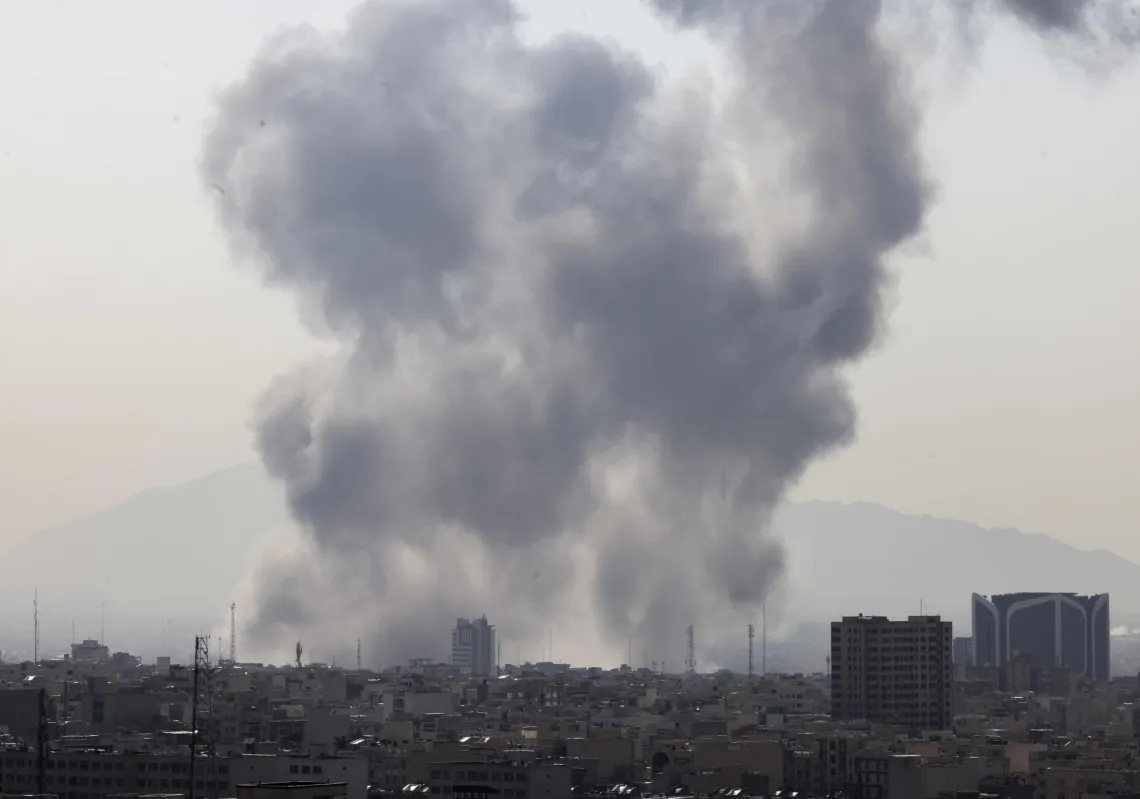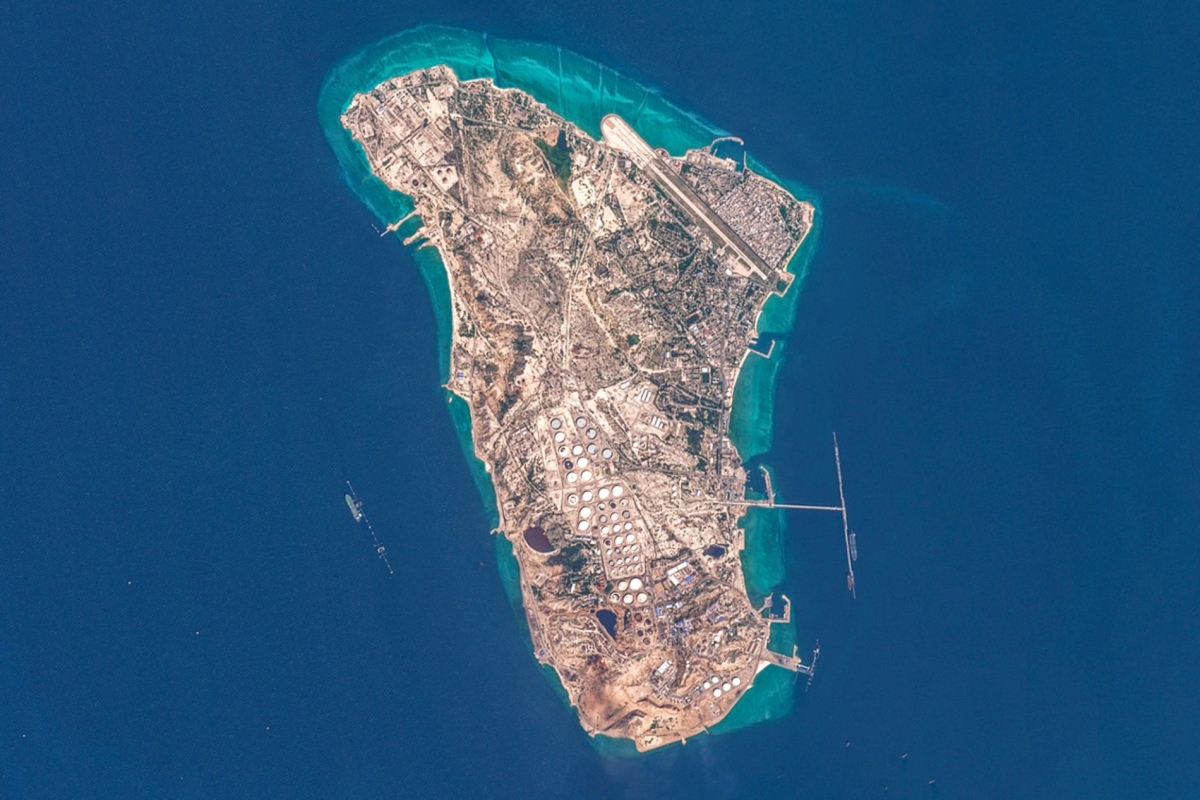

US President Donald Trump on Friday evening announced that he’d ordered strikes on Kharg Island, a small but strategically vital island in the Arabian Gulf through which 90% of Iran’s crude oil exports flow.
“Moments ago, at my direction, the United States Central Command executed one of the most powerful bombing raids in the History of the Middle East, and totally obliterated every MILITARY target in Iran’s crown jewel, Kharg Island,” Trump said in a post on Truth Social.
Trump said that “for reasons of decency,” he chose “NOT to wipe out the Oil Infrastructure on the Island,” but he added that “should Iran, or anyone else, do anything to interfere with the Free and Safe Passage of Ships through the Strait of Hormuz, I will immediately reconsider this decision.”
Kharg is Iran’s primary oil export terminal, and its processing facilities are crucial to the Iranian economy. The island, which sits just 15 miles off the coast of the Iranian mainland, handles approximately 950 million barrels of crude oil per year.
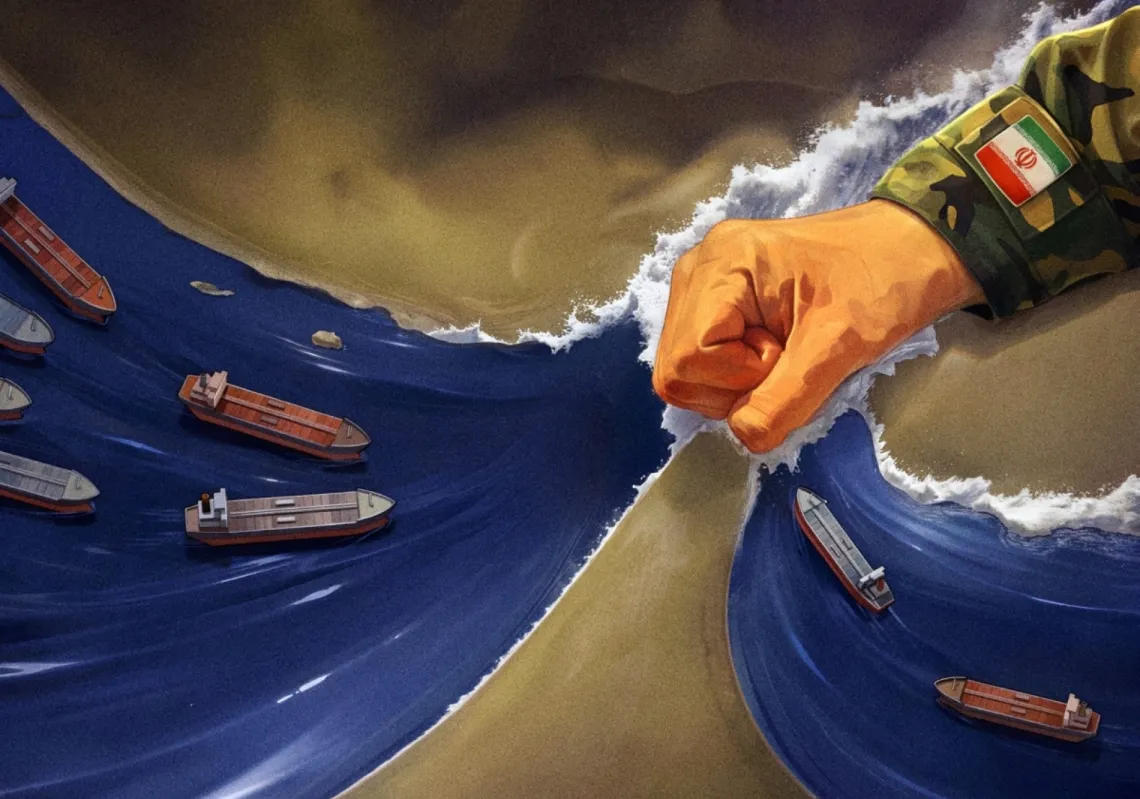
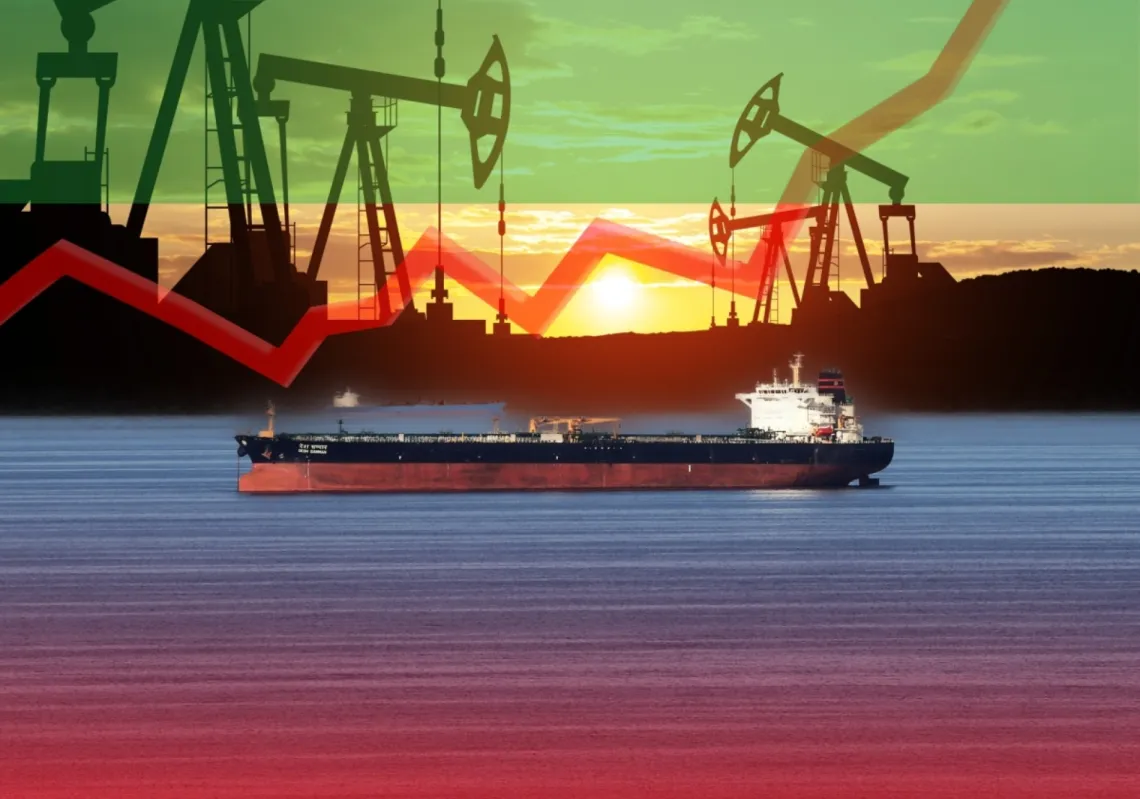
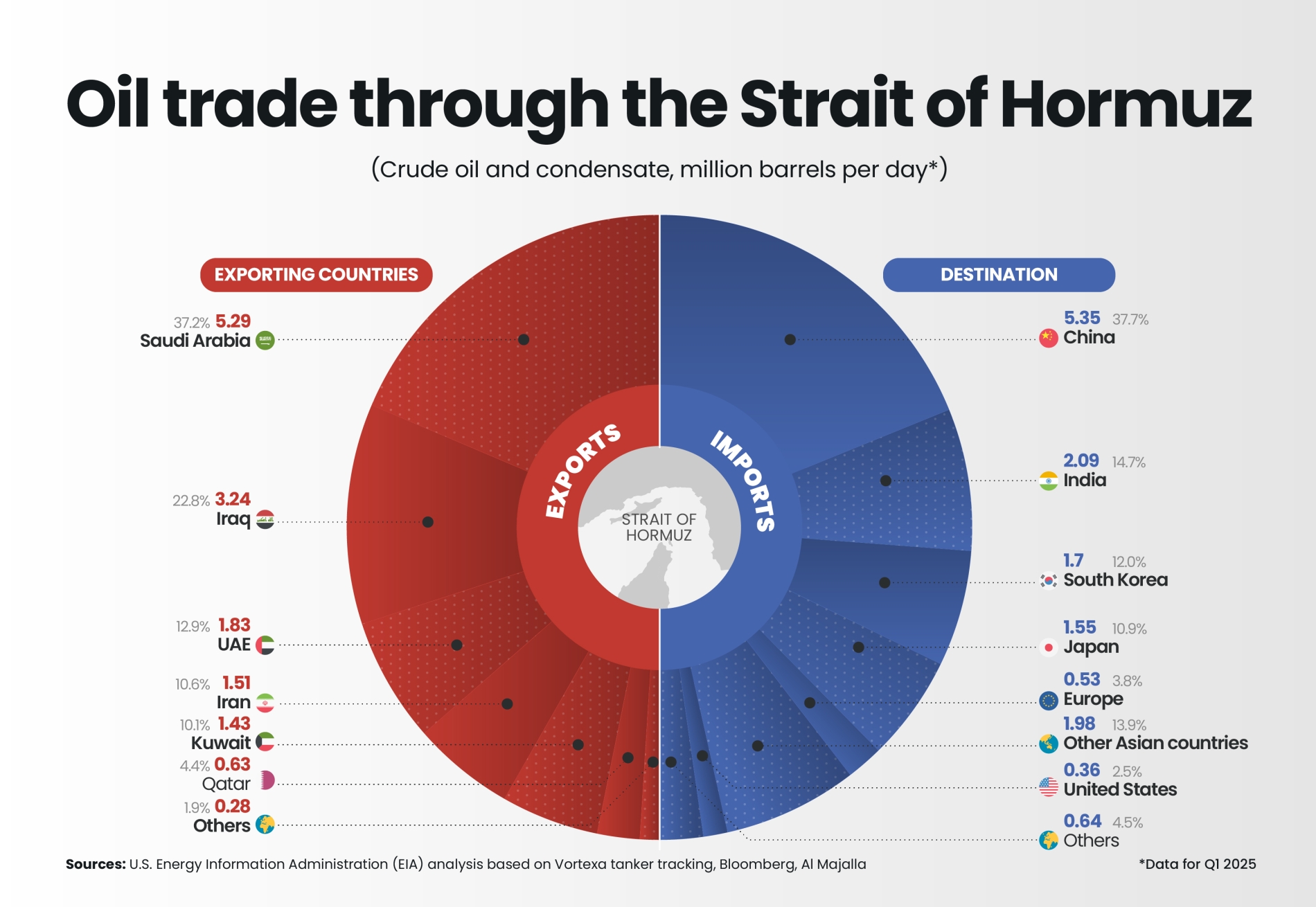
The strikes on Kharg, which occurred nearly two weeks after the United States and Israel launched the war with Iran, come as Tehran has targeted more than a dozen vessels in the Strait of Hormuz—the narrow waterway through which roughly 20% of the world’s crude oil and liquefied natural gas normally travels—effectively bringing traffic through the critical maritime chokepoint to a standstill in an effort to raise oil prices and ramp up pressure on Washington over the conflict. The price of Brent crude, the global benchmark for oil, settled at over $100 a barrel on Friday—a gain of more than 40% since the war began in late February.
For days, there has been speculation that the United States might move to strike or seize Kharg to gain leverage over Iran. But experts have cautioned that seizing Kharg carried major risks, which could help explain why Trump took what could be viewed as a more limited step in launching strikes.
“There are pros and potential upsides to seizing Kharg Island,” Gregory Brew, an Iran expert and senior analyst with Eurasia Group, told Foreign Policy on Thursday.