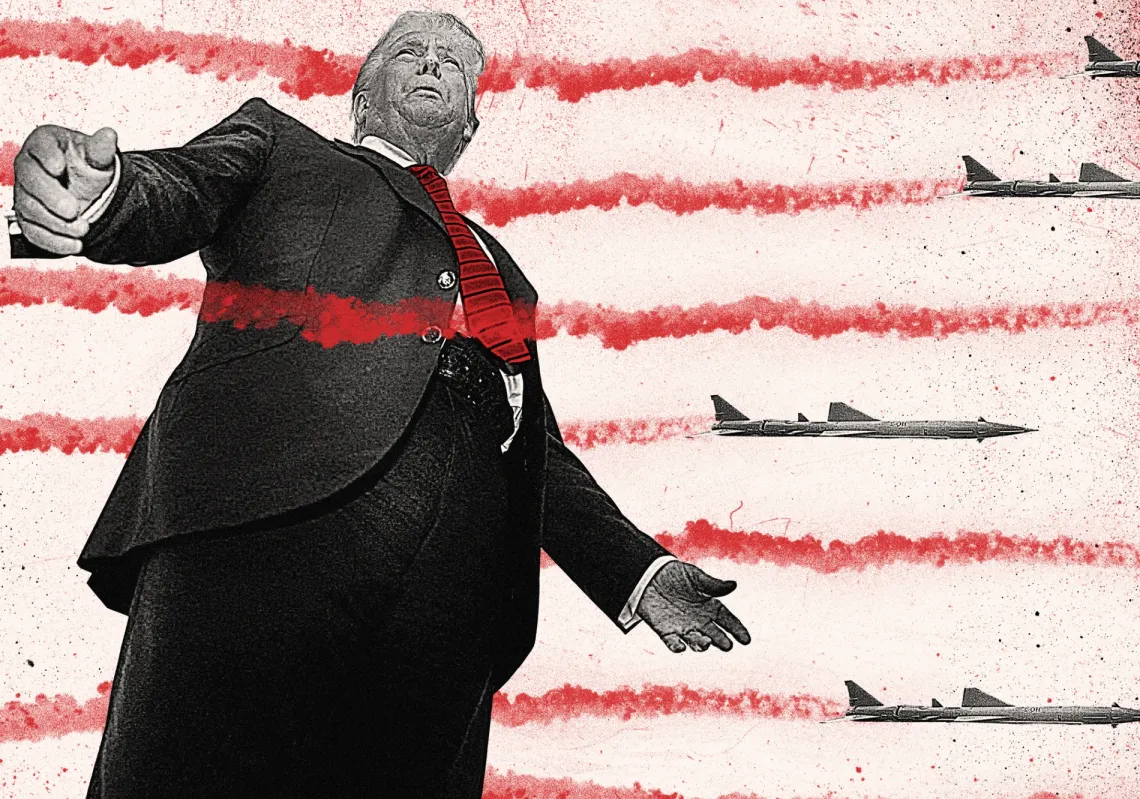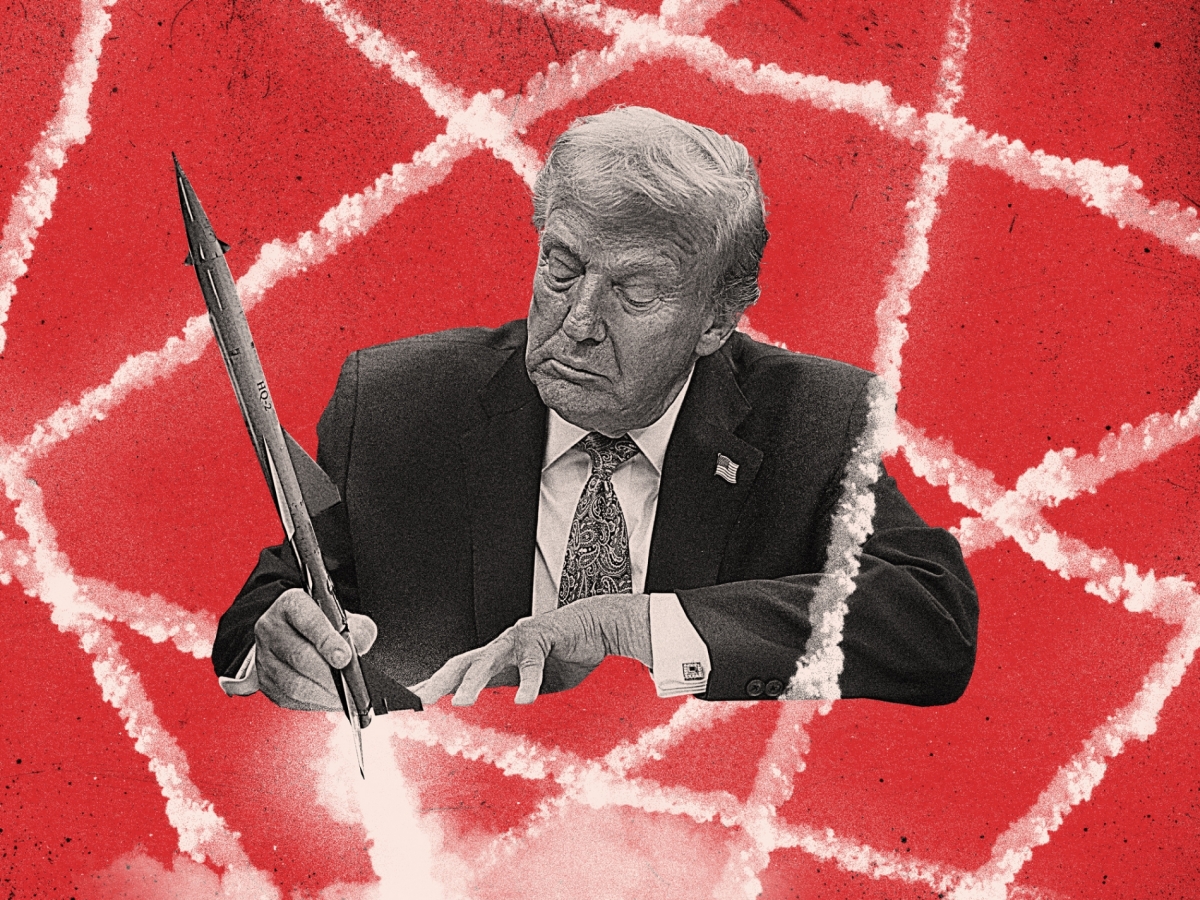

US President Donald Trump takes to the podium tonight to deliver the first State of the Union address of his second term.
"It’s going to be a long speech because we have a lot to talk about," Trump said ahead of the address. The State of the Union—an annual speech delivered by the US president to Congress—typically focuses heavily on domestic policy issues, and that’s likely to be the case with tonight’s speech as well. Concerns about the health of America’s economy and growing public controversy about the Trump administration’s immigration policies are two of the domestic policy issues Trump will likely address.
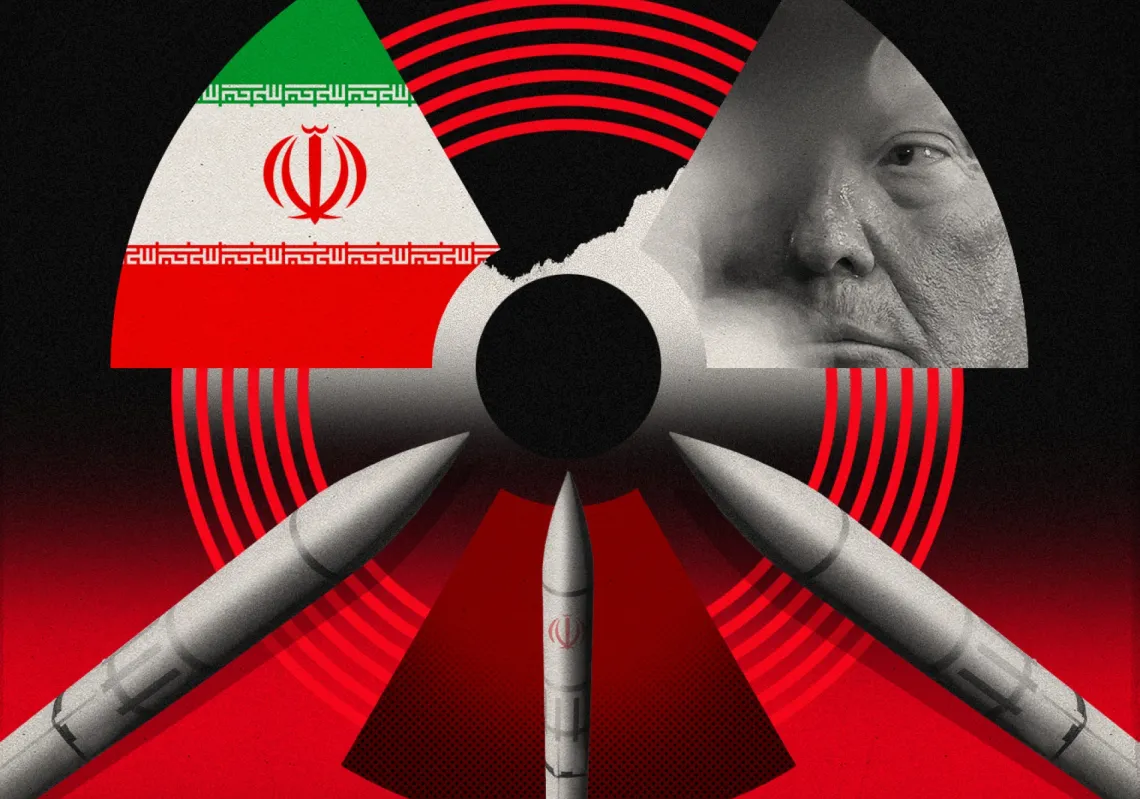
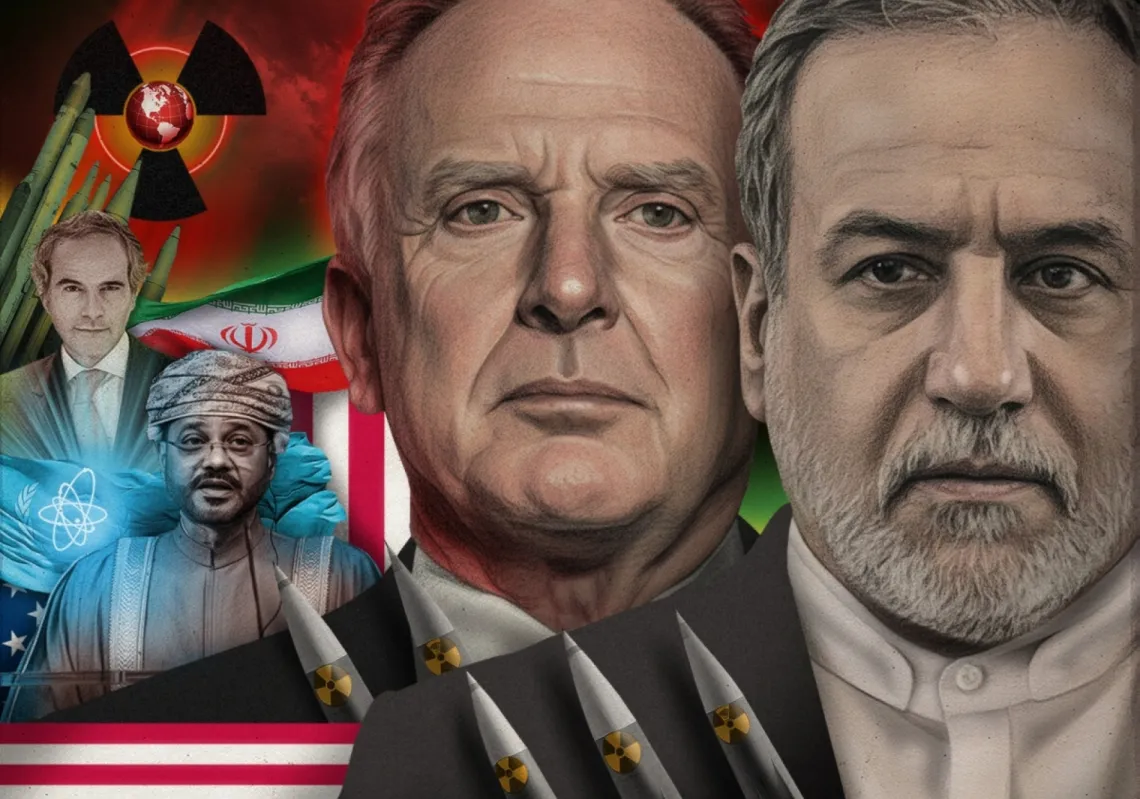
But the ongoing buildup of military forces in the Middle East aimed at Iran will certainly loom large over the address. A key meeting between Iranian and US negotiators is scheduled this coming Thursday, hosted by Oman in Switzerland, but it remains to be seen if talks can bridge the wide gaps in the positions of both countries.
Iran has indicated that it can discuss limits on its nuclear enrichment, but says zero enrichment is off the table. Meanwhile, it has said it would not discuss caps on its missile arsenal, nor ending its support for its regional proxies—a key demand Israel has been pressing the US administration on.
While Trump said he prefers a diplomatic solution, he has said the US military buildup in the region would be needed if a diplomatic solution cannot be reached. "It is not easy to make a meaningful deal with Iran, and we have to make a meaningful deal. Otherwise, bad things will happen," he warned on 19 February.
Trump is well-known for his unpredictability, and he could be hoping for a type of in-and-out military operation where he can declare a stunning success, like in the case of the US seizure of Venezuelan President Nicolás Maduro in early January. However, Iran is not Venezuela and Trump’s military advisors have warned him that the US options on Iran come with much greater risk than other military actions conducted in the past few months.
Domestic considerations
Several factors will influence Trump’s final decision on what course he will take on Iran, and domestic considerations will certainly figure big in his decision to strike or not.
Trump’s excessively harsh immigration policies, combined with the lack of major economic policy successes in recent months, have sent his public approval ratings spiralling. A Washington Post-ABC News-Ipsos poll conducted last week found that 60% of Americans disapprove of how Trump is handling his job as president, marking his lowest approval rating since the end of his first term in office, in the aftermath of the January 6 insurrection and attack on the US Capitol.