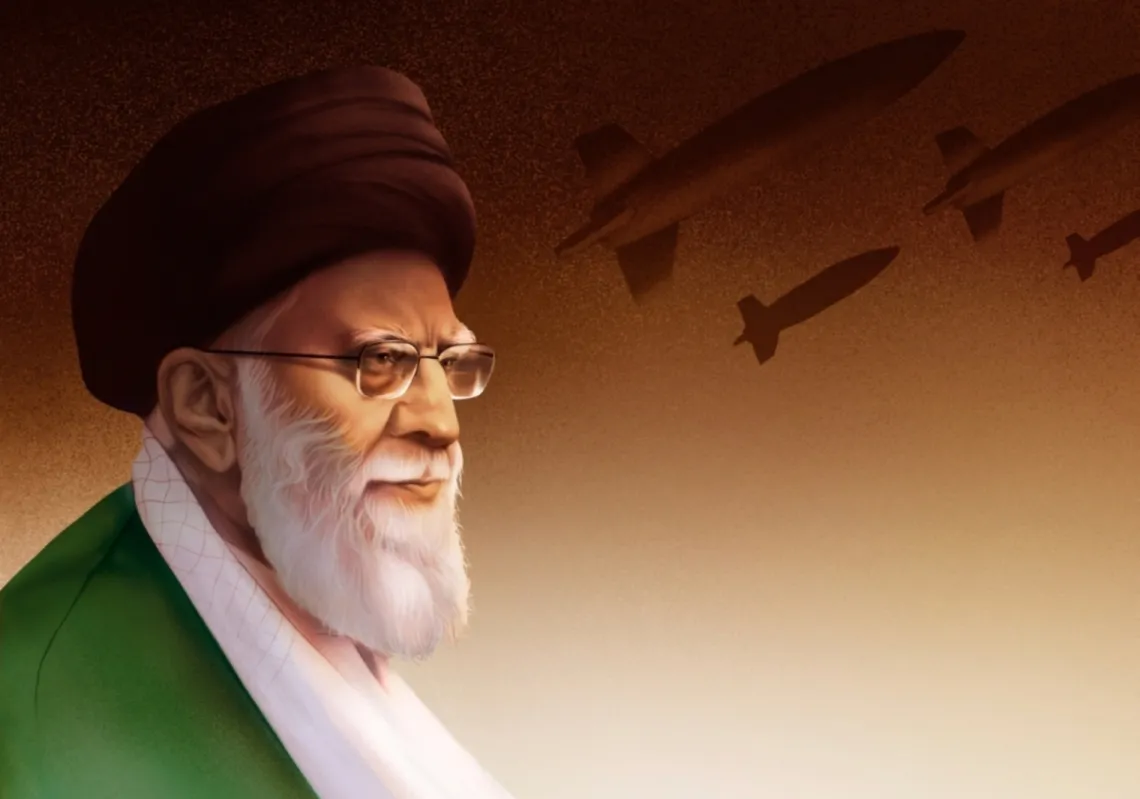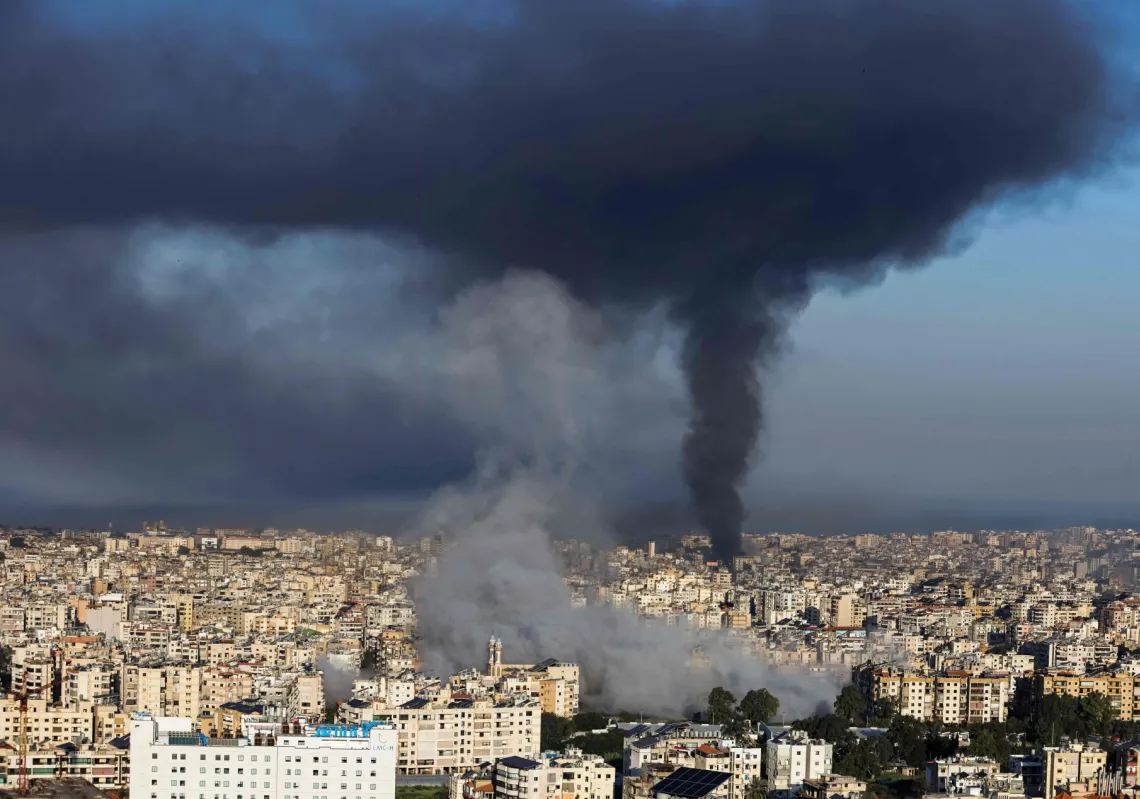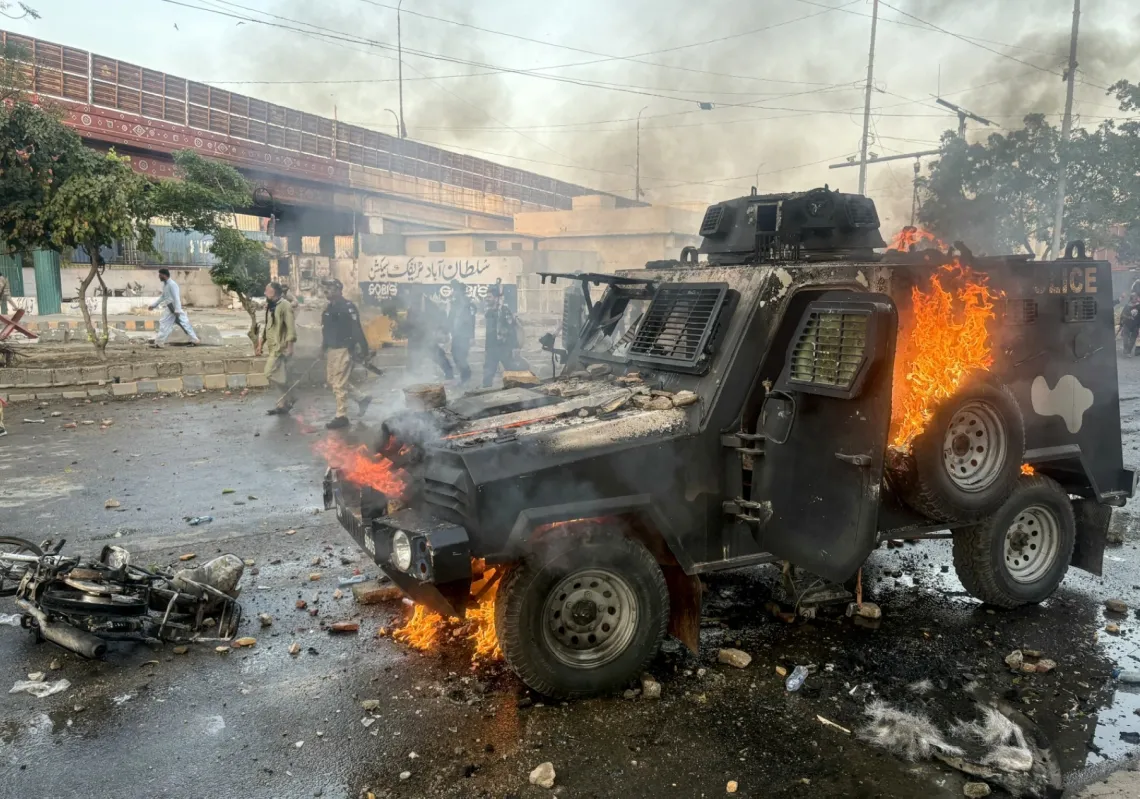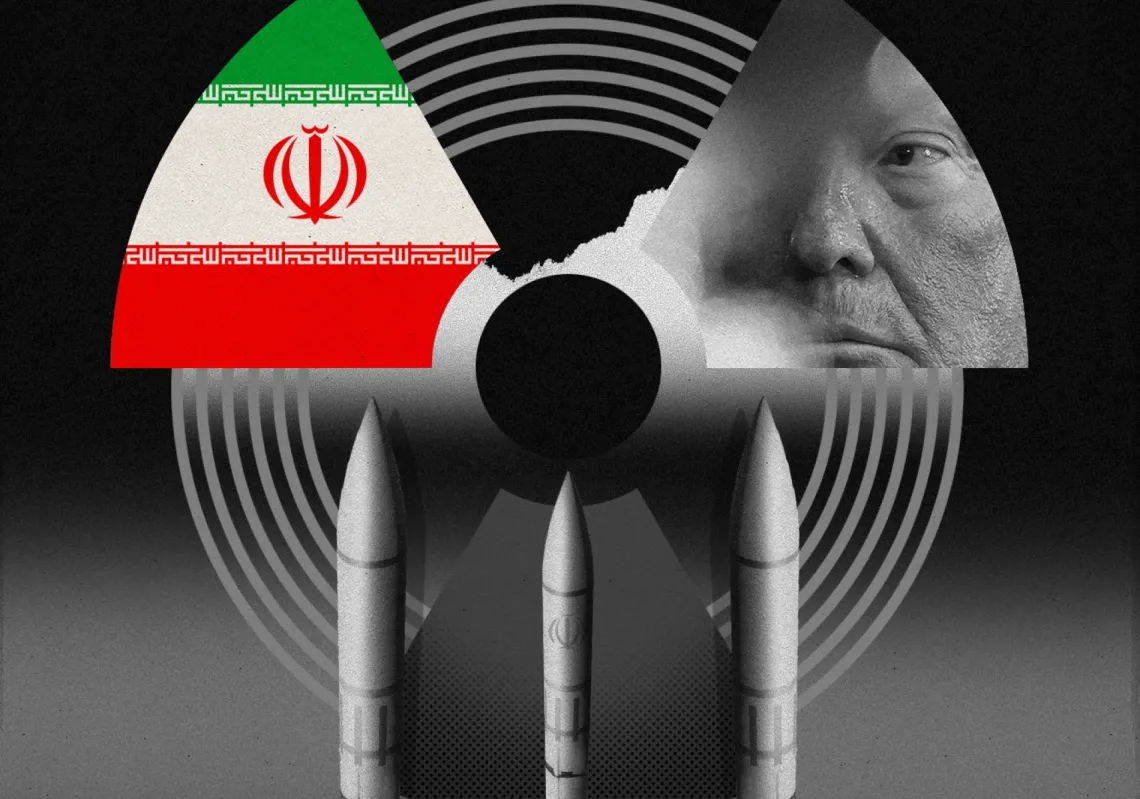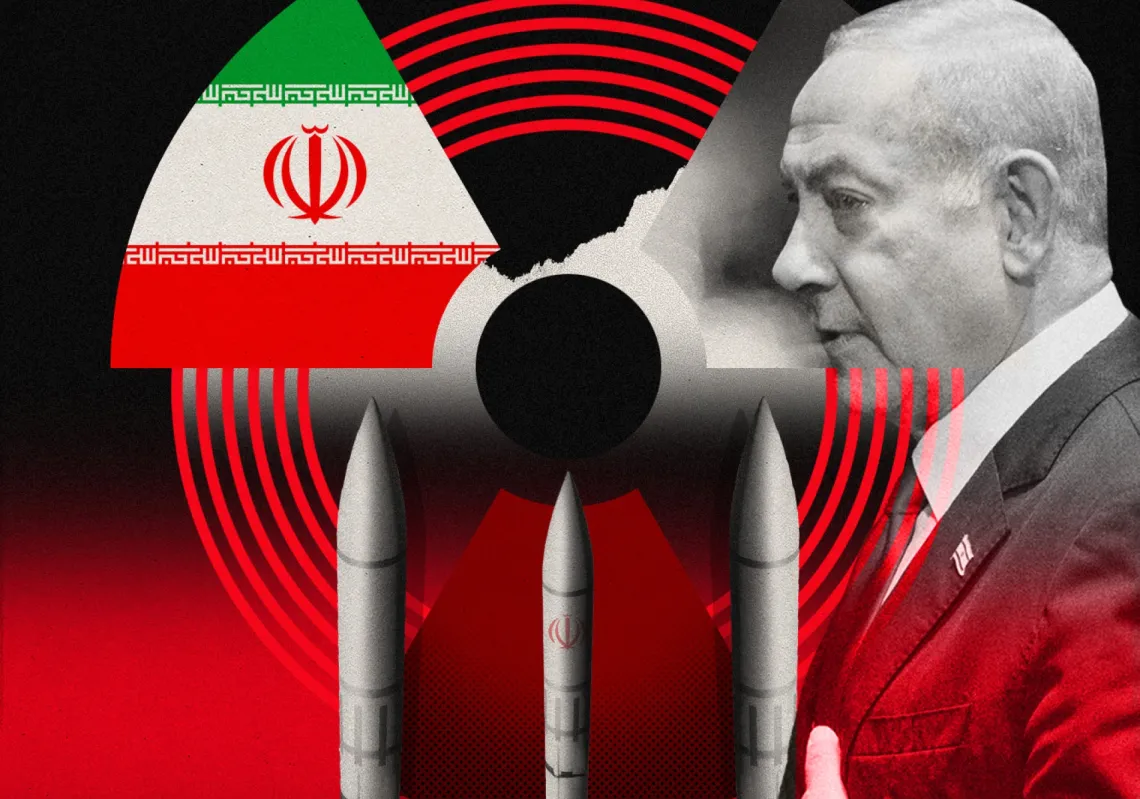

Iran looks to be putting up a determined fight after it was jointly attacked by the US and Israel on 28 February. The assassination of its Supreme Leader, Ayatollah Ali Khamenei, has not crushed its resolve. It is prepared, organised, and far more accurate and coordinated in its responses than in previous confrontations.
Aside from its targeting of US and Israeli military, Iranian missiles and drones have been launched against Bahrain, Iraq, Jordan, Kuwait, Qatar, Saudi Arabia, and the UAE, as well as a British military base in Cyprus, and of course on Israel, whose air defence systems appear to be breached.
Türkiye, which has the Incirlik Air Base in Adana and the Kürecik Radar Station in Malatya, had not been targeted by Iran in its wave of reprisal attacks until Wednesday, when the Turkish Ministry of Defence said a ballistic missile launched from Iran heading towards Türkiye was shot down by NATO air defences.
For its part, Iran denied launching the missile. Such an attack would be a risky gamble, because Türkiye is a NATO member and Article 5 of the NATO Treaty stipulates that an attack on one member is an attack on all and should be met with a collective response. Meanwhile, on Thursday, Iran shot drones into Azerbaijan’s Nakhcıvan territory, damaging the airport there. Baku enjoys close relations with both Türkiye and Israel.
The escalating conflict has put pressure on global energy markets, with oil and gas prices rising sharply. Disruption to the Strait of Hormuz—a critical route for around one-fifth of global oil and liquefied natural gas (LNG) exports—and attacks on energy facilities in Saudi Arabia and Qatar have unsettled the world’s commodities markets.
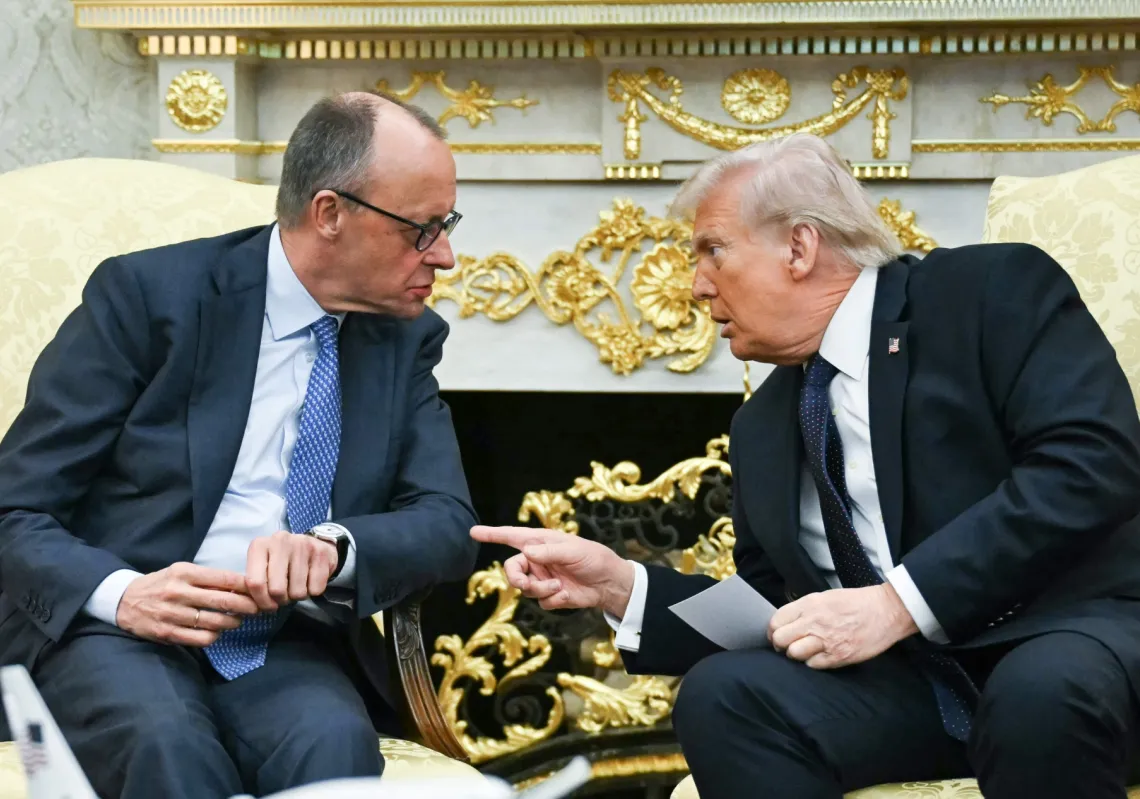
For Trump, an extended fight that results in rising American casualties could cause political trouble for him at home. This could force him to back off, or it could very well push him to double down on his efforts to punish Iran. He has recently floated the possibility of US boots on the ground supported by friendly forces.
Complicated relationship
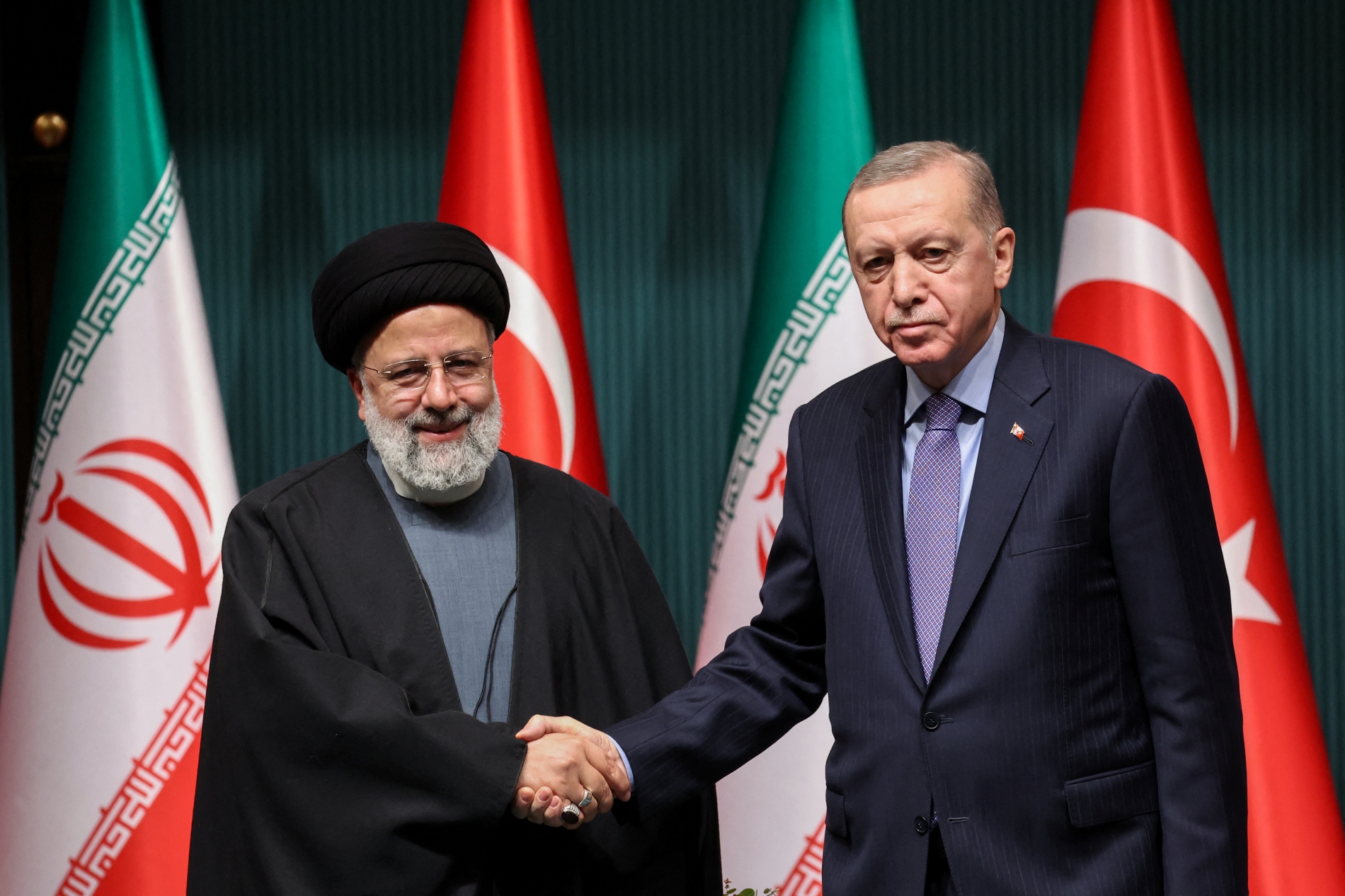
Ankara's relationship with Tehran has had its ups and downs. While the two countries enjoy good economic ties now, in its early days, the Islamic Republic sought to export its revolution to Türkiye, straining relations. Since President Recep Tayyip Erdoğan’s AKP party came to power in 2002, those strained relations have only slightly improved, with the two states competing for regional influence—most prominently in Syria and in the Caucasus.
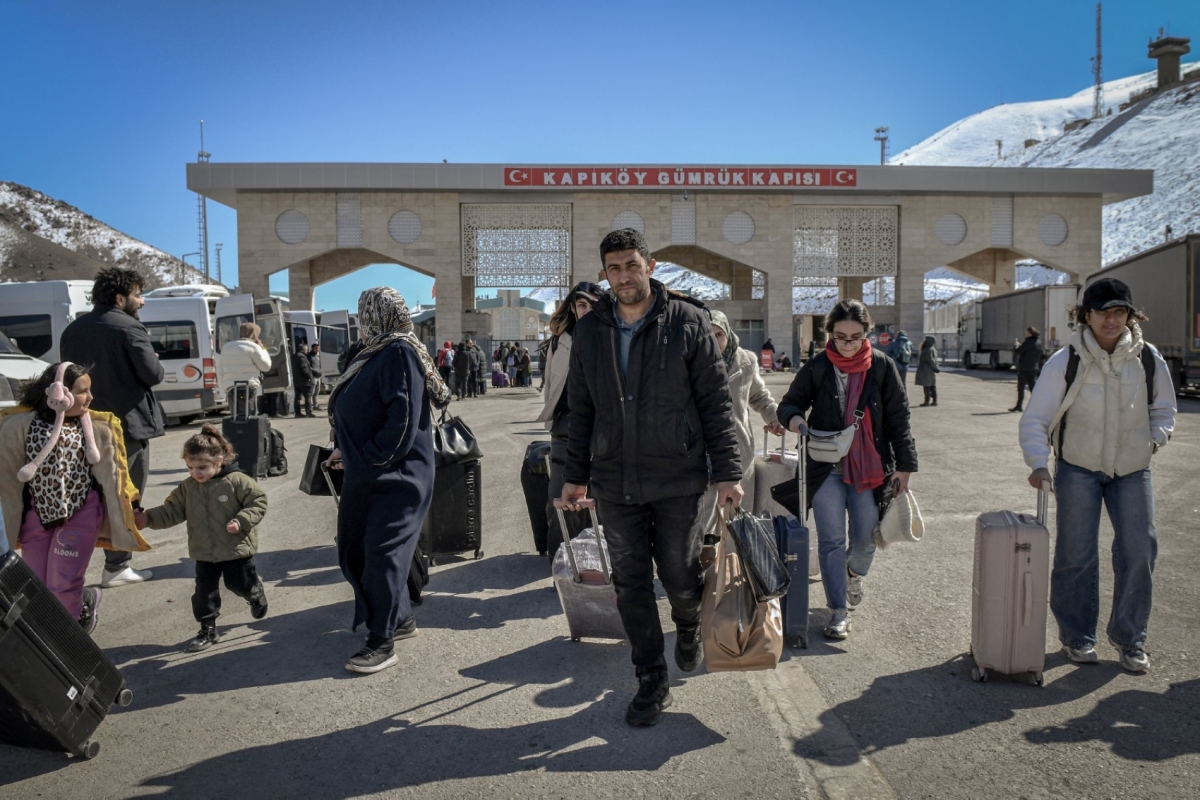
But this doesn't mean Türkiye is happy about the joint US-Israeli attack on Iran. In fact, it has many reasons to oppose it. For one, it fears reliving the nightmare triggered by the crisis in Syria. If the regime were to be toppled in Iran, it would create a dangerous security vacuum, which could be filled by terrorist groups, as happened in Syria. Additionally, a long, gruelling war in Iran could send a wave of refugees into Türkiye as the two countries share a common 534km border.
Another fear is that a weakened and fragmented Iran could lead to greater autonomy for its Kurdish population, as happened in Iraq and Syria. Recently, Iranian Kurds have garnered international media attention, with five leading Iranian Kurdish groups, including the Kurdistan Free Life Party (PJAK), forming the Coalition of Political Forces of Iranian Kurdistan.