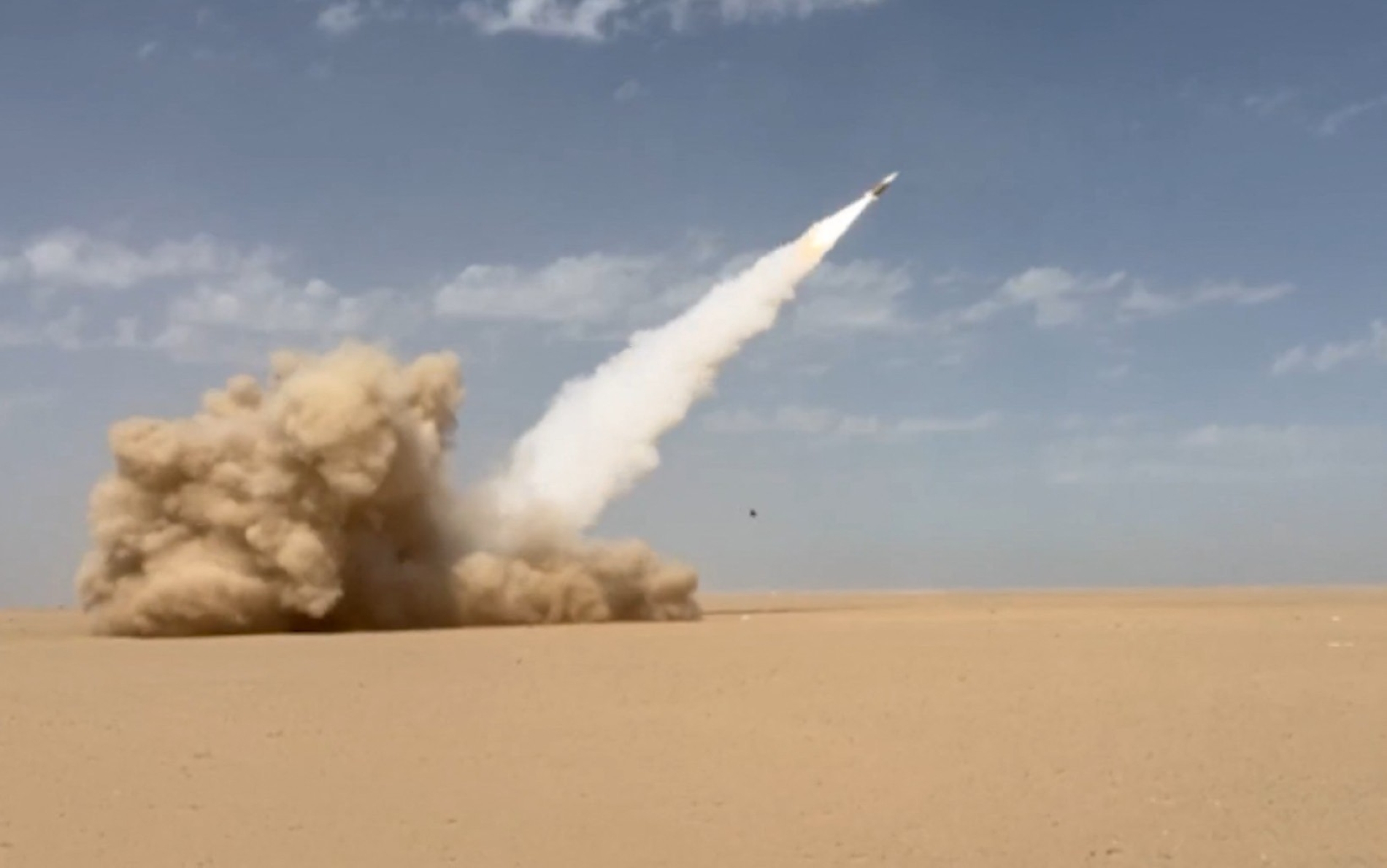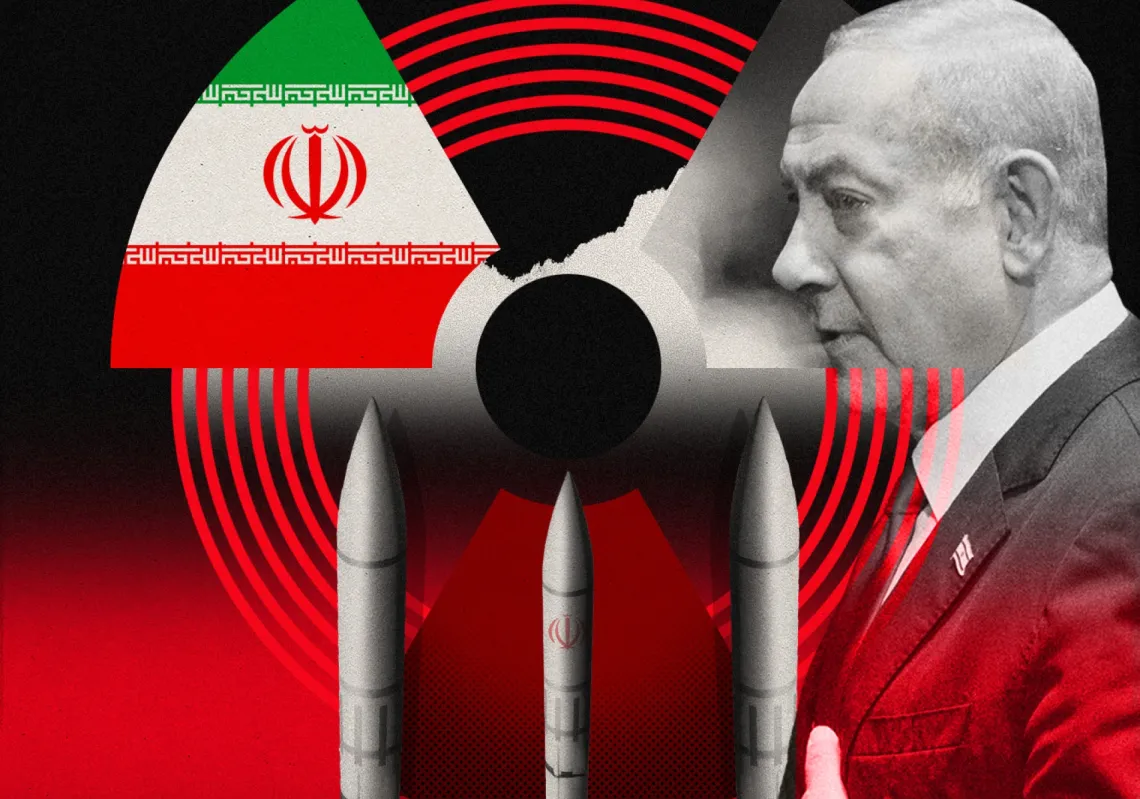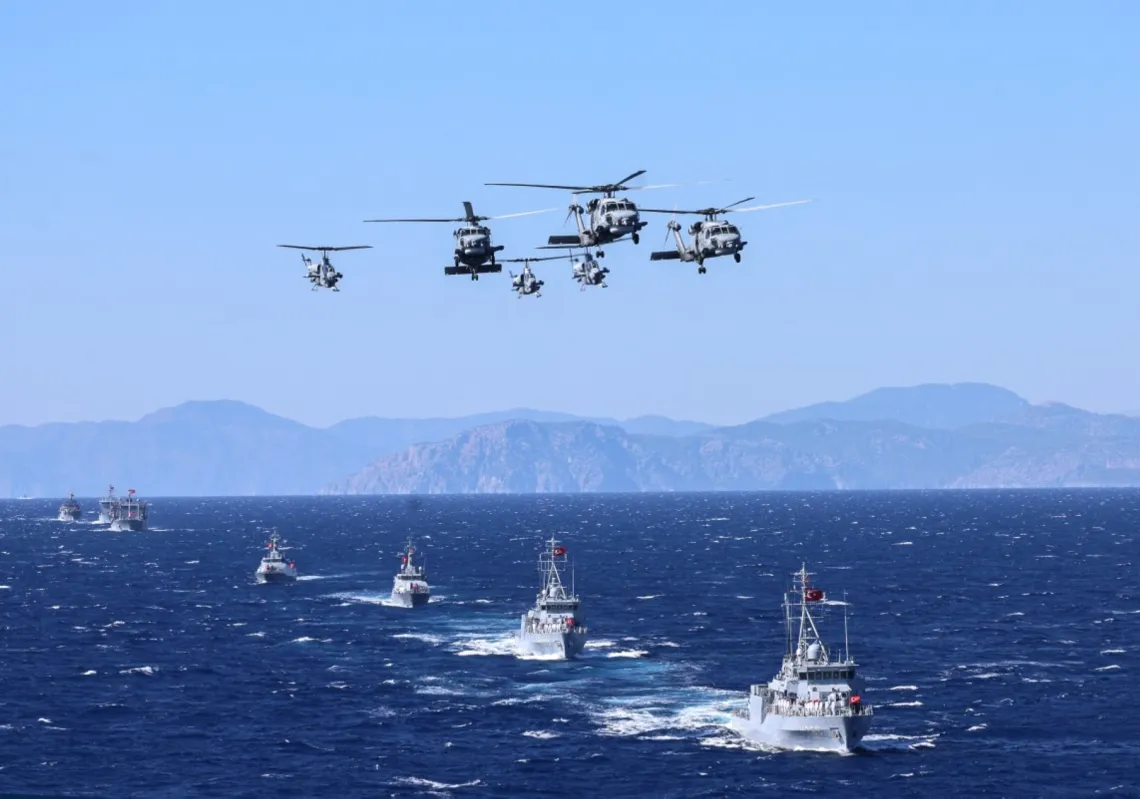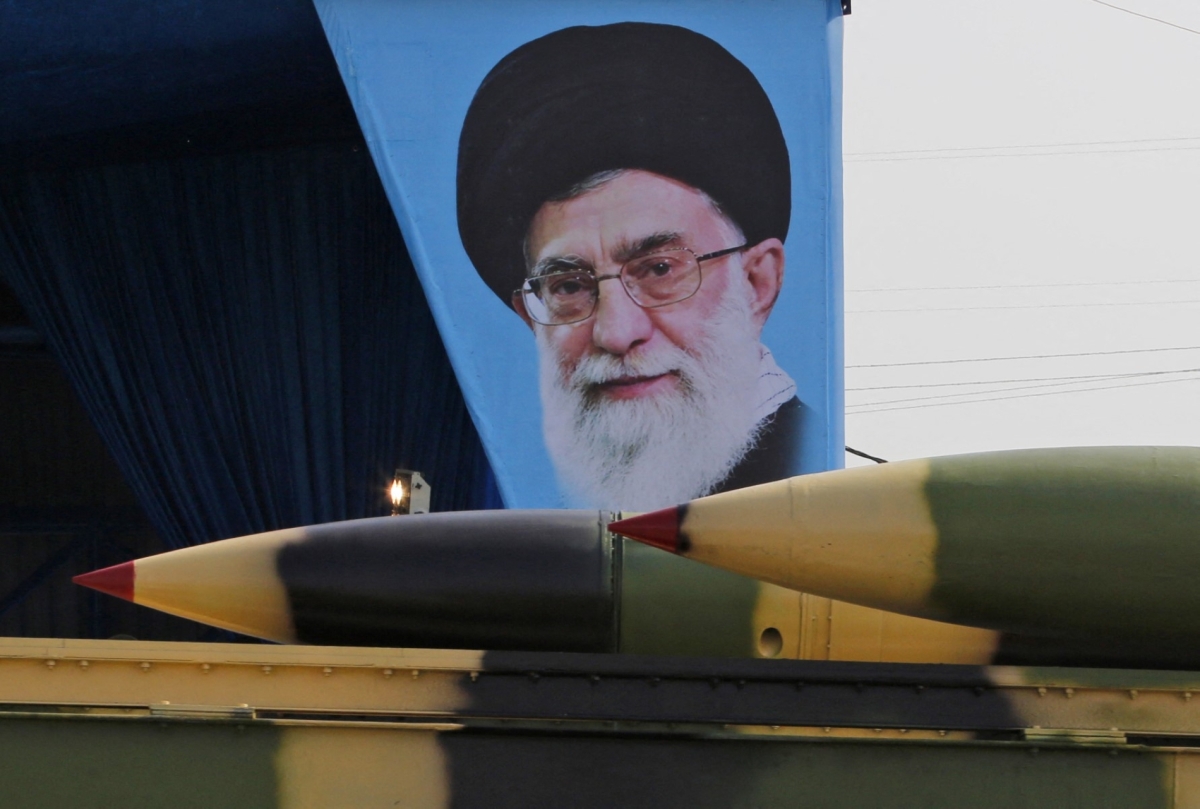

Missiles and drones are core elements of Iran’s military power. The country has relied on them heavily and almost exclusively in its fight against the US and Israel. The Iranian air force can’t be trusted because it has antiquated equipment dating to the Shah era, and while the Iranian navy has some capabilities, it doesn’t stand a chance against its American counterpart.
So, it’s understandable why many have argued that if only Iran’s opponents could force it to run out of those weapons, it would fall. That is, of course, if those opponents don’t run out of interceptors first. But this missile race argument is misleading. This isn't merely a numbers game, but rather a contest of wills and opposing strategies. The side whose strategy outperforms the other's is more likely to win.
The United States is employing a shock-and-awe strategy, seeking swift and decisive outcomes culminating in regime change (either toppling the leadership altogether or keeping some officials who are more compromising). In contrast, Iran wants to geographically expand and prolong the conflict in order to exact a high-enough political and economic price on its adversaries and force them to discontinue military operations.
It is within this strategic and political context that one should scrutinise weapons inventories and usage on both sides. Even though Iran has one of the largest missile and drone arsenals in the world, and an ability to produce more, it is not about to exhaust it by firing in great numbers every day to survive— its top priority. Dispersion, tempo conservation, precision, and lethality trump volume.
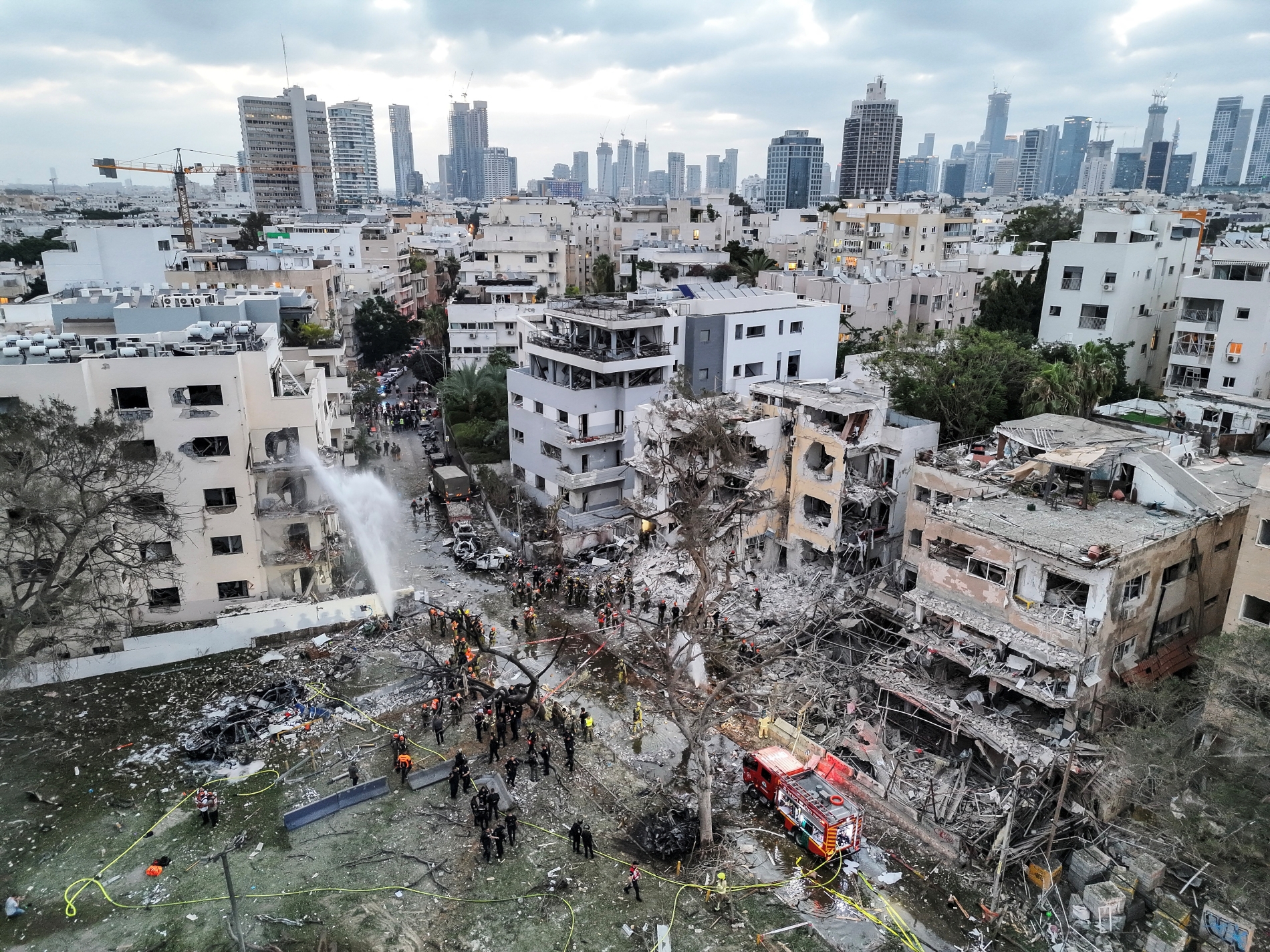
A single missile hitting a Gulf oil field, an American consulate, or an Israeli urban centre is far more useful and politically consequential than dozens landing at sea or in the desert. And the Iranians have enough precise and hard-to-intercept missiles and drones to hit such targets, and they have already.
US-Israeli approach
The US-Israeli approach obviously isn’t limited to waiting out Iran’s missile and drone attacks. US and Israeli fighter jets, along with US bombers and warships, are going on the offensive and striking as many Iranian launchers and arms production facilities as they can find. The intent is to deny Iran the ability to launch those missiles in the first place and manufacture more.
Assessments of the current status of Iran’s launchers and production capacity have varied—and let’s face it, both sides will have every interest in lying and inflating numbers to suit their goals. President Donald Trump claimed that the Iranians are “running out and they’re running out of areas to shoot them, because they’re being decimated; they’re running out of launchers.” He added: “We have unlimited amounts of middle- and upper-middle ammunition and things. We save it, and we build it.”