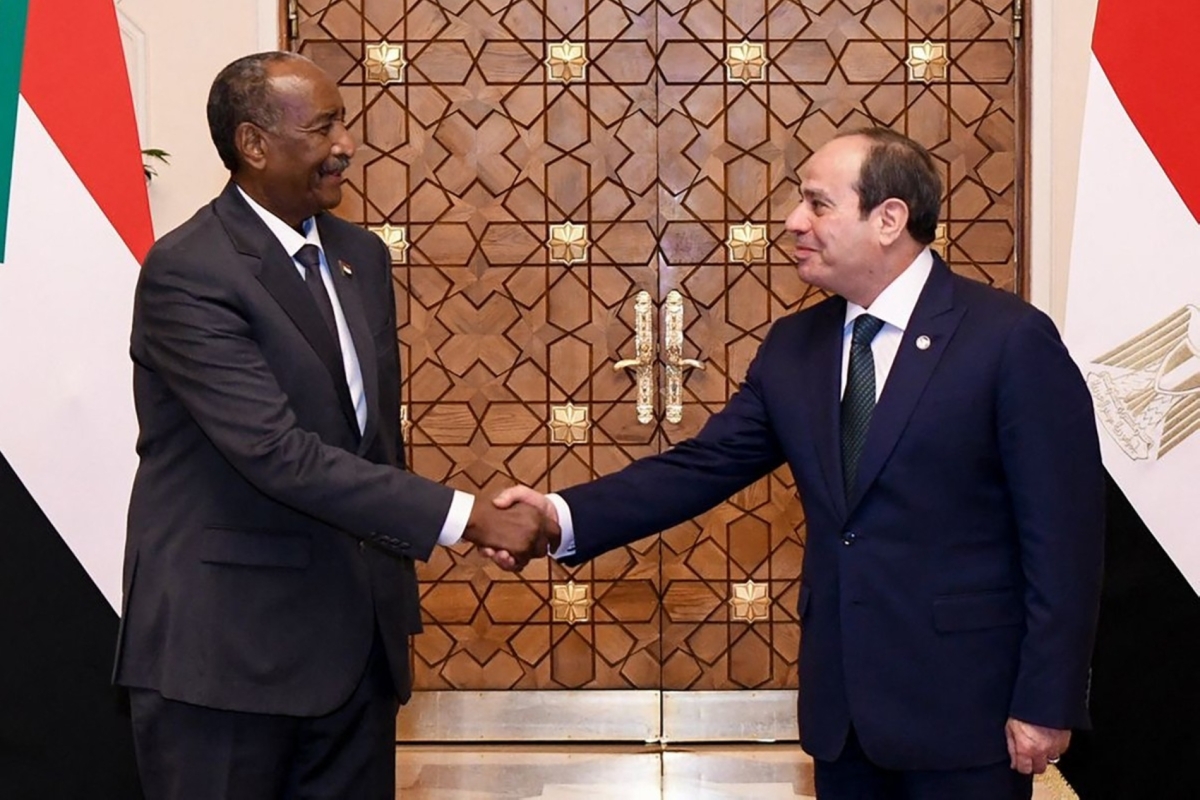

Egypt’s reported airstrikes on a Rapid Support Forces (RSF) military supply convoy in Sudan on 9 January could mark a pivotal moment in Sudan’s civil war, moving its northern neighbour up a gear from cautious diplomacy to decisive action.
According to some media reports, the strikes targeted a convoy in a border triangle between Egypt, Sudan, and Libya. Armoured vehicles and other supplies were allegedly heading from Libya to bolster the RSF, a big militia based in Darfur, which is fighting the Sudanese Armed Forces (SAF).
Cairo has tried to execute a balancing act since civil war erupted in April 2023 but has recently felt like its red lines are being crossed. Egypt backs the SAF to safeguard Sudan’s unity, territorial integrity, and state institutions, but the RSF’s most prominent backer is the United Arab Emirates, which is the biggest foreign investor in Egypt and a key Cairo ally.
Read more: Egypt steps up its balancing act amid Yemen rift
For almost three years, Egypt has pursued every diplomatic avenue in the hope of curbing the RSF’s advances, but these efforts have come to nothing. Today, Egypt faces a broken state to its south in Sudan, and another to its west in Libya. Together, this constitutes a major national security issue. With failed negotiations and escalating threats along its borders, Egypt appears ready to move beyond words, prioritising direct enforcement over prolonged restraint.
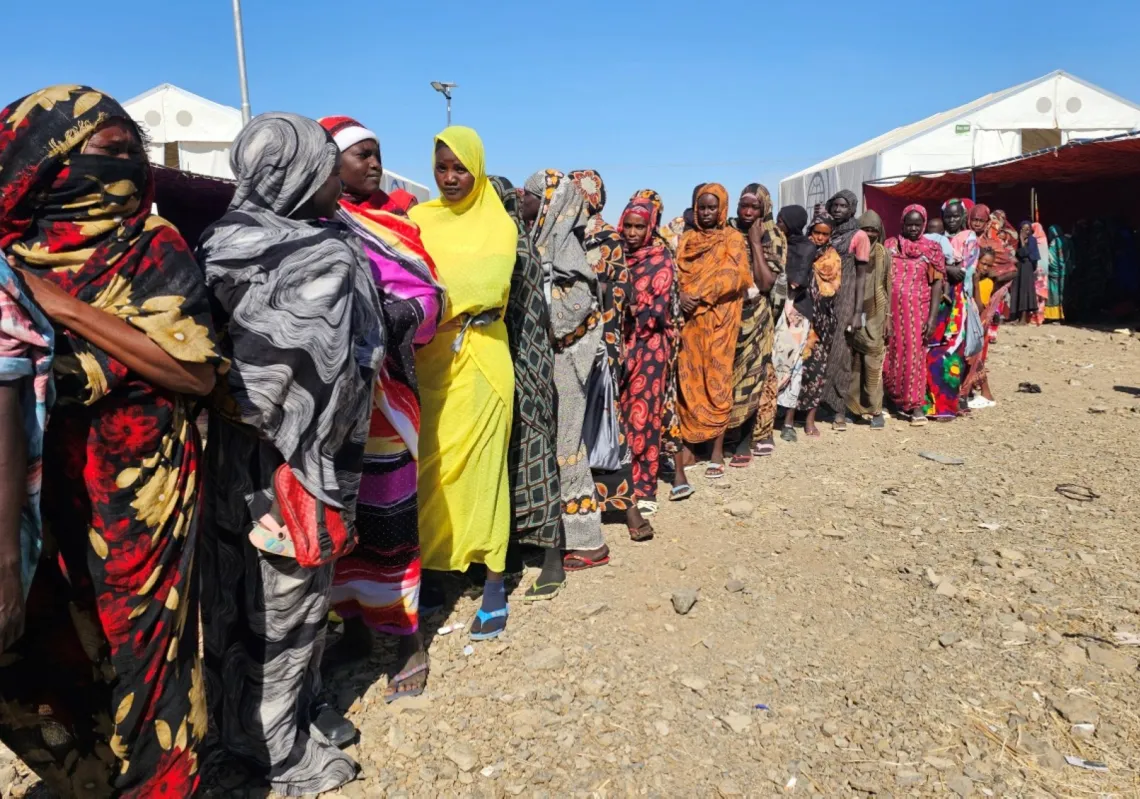
The war in Sudan has crossed borders and now poses an existential threat to Egypt’s security and vital lifelines if Sudan fragments into smaller, unstable entities. The spillover is already tangible. Over a million Sudanese refugees have fled to Egypt, adding to Cairo’s economic pressures. Bilateral trade between Egypt and Sudan, once valued at around $1.4bn annually, has now all but dried up.
Sudan has been a key ally of Egypt in safeguarding its freshwater from the Nile River. The loss of that ally is more impactful given Egypt’s current standoff with Ethiopia over the latter’s newly inaugurated Grand Ethiopian Renaissance Dam, which now controls the flow and can be weaponised in times of drought.

Read more: No Egyptian cheers for Ethiopia’s Blue Nile dam completion
The Suez softspot
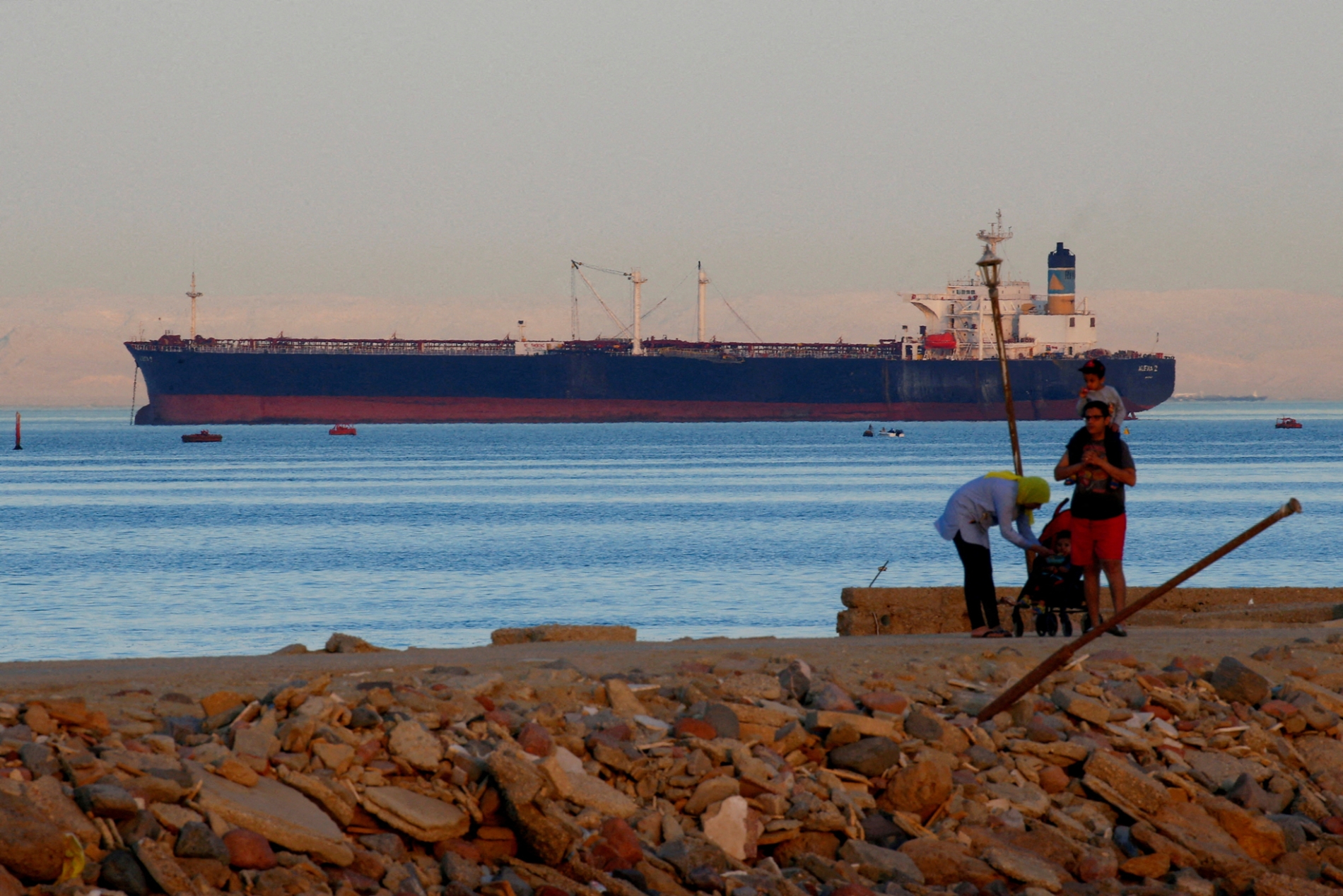
The Sudan conflict also endangers another Egyptian lifeline: transit fees from the Suez Canal. The billions of dollars this adds to the national coffers have long been a cornerstone of Egyptian revenue, but Houthi attacks against merchant shipping in the Red Sea have led operators to reroute vessels around the southern and western coasts of Africa instead.
For Egypt, the confidence of shipping companies to sail through the Suez Canal (by far the shortest route from Asia to Europe) is important, so it is a concern that some international actors now appear willing to back the SAF in exchange for a naval base along Sudan’s Red Sea coast, potentially adding yet another destabilising factor to an already fragile maritime environment.