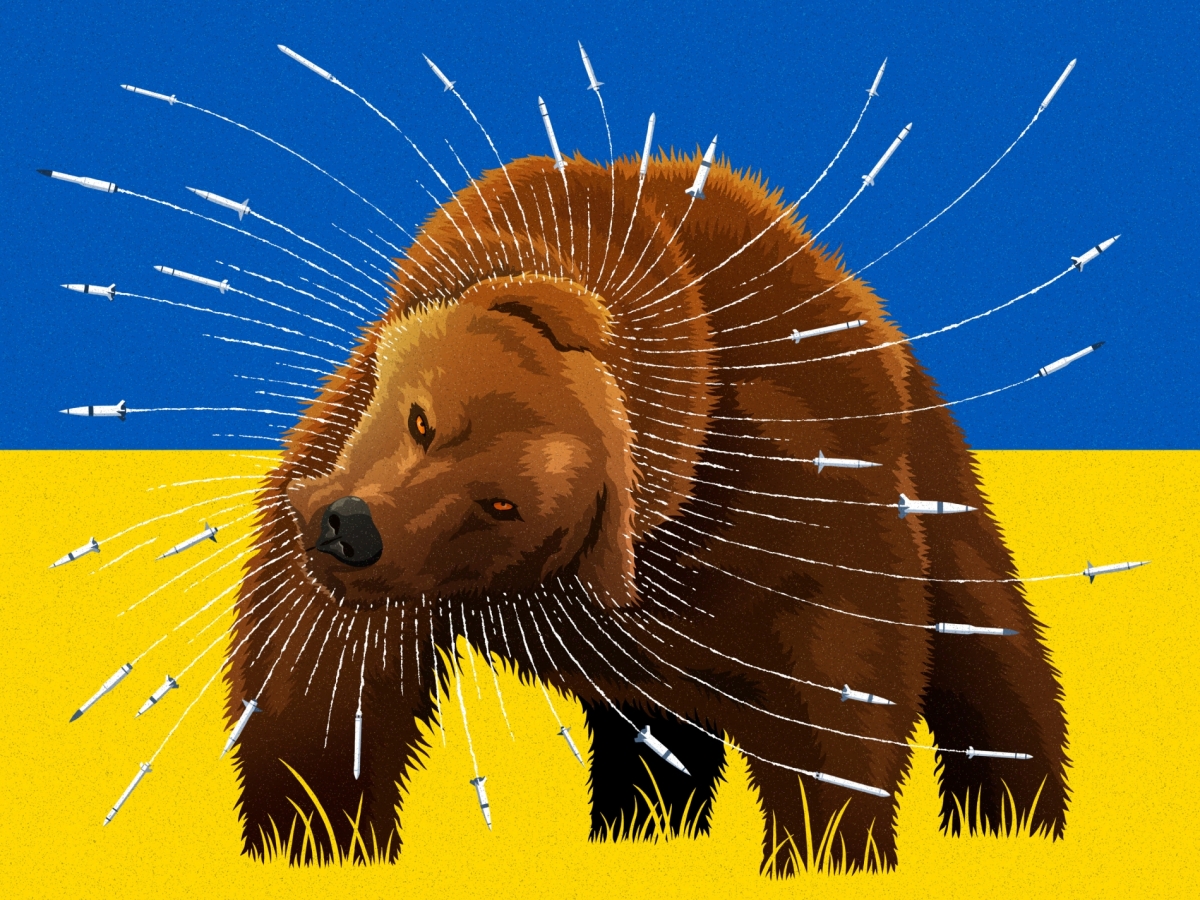
Four years after Russia’s all-out invasion of Ukraine in February 2022, it’s clear that the war has been transformative. Obviously, the most significant impacts have come in Ukraine. The Centre for Strategic and International Studies has estimated Kyiv has seen 100-140,000 military deaths and up to 500,000 more wounded, while the UN has verified almost 15,000 civilians killed, with the actual number expected to be much higher.
In addition, large swathes of eastern Ukraine have been effectively annexed by Russia through battlefield gains, refugees have fled, while cities have been shelled, bombed and shattered. The CSIS report says Russia has suffered 1.2 million casualties, including up to 325,000 troop deaths, a figure that Moscow says is inaccurate.
Meanwhile, draconian Western sanctions, military conscription and even tighter political repression have deeply impacted Russian society. But this conflict has stretched far beyond the two central protagonists. It has shaken geopolitics, helping usher in a global order quite different from what went before.
A confirmation of multipolarity
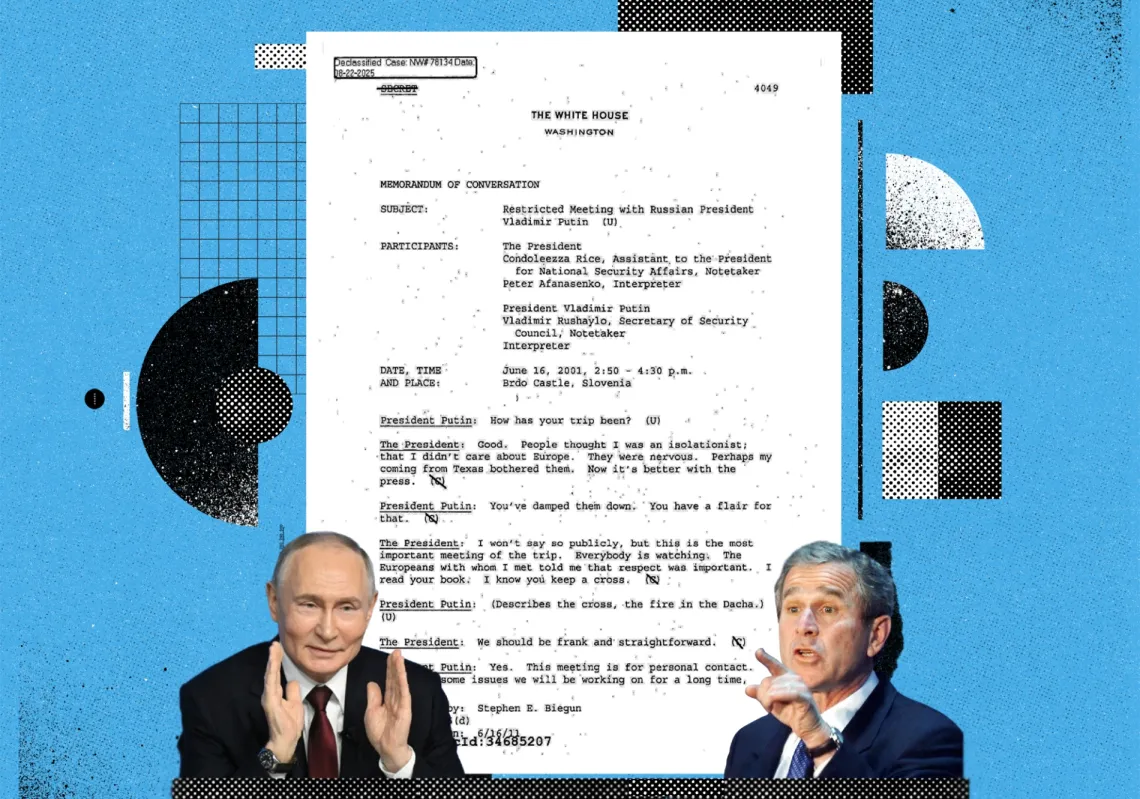
The invasion and its aftermath did not create today’s multi-polar order, but it confirmed its arrival. In that sense, it was a bit like the 1991 Gulf War. Structural change in the late 1980s effectively ended the bipolar order of the Cold War, but it wasn’t until the ejection of Saddam Hussein from Kuwait that a unipolar ‘New World Order’ led by the United States became apparent.
That unipolarity collapsed more slowly than the sudden death of the Cold War order, with the failures of America's War on Terror, the 2008 Financial Crash and the rise of China all slowly chipping away at US global supremacy. The 2010s saw the US retreat in some arenas, such as the Middle East, while Russia, China and regional powers increasingly challenged the US’ agenda, but it was not yet clear how these shifts would impact the world order.
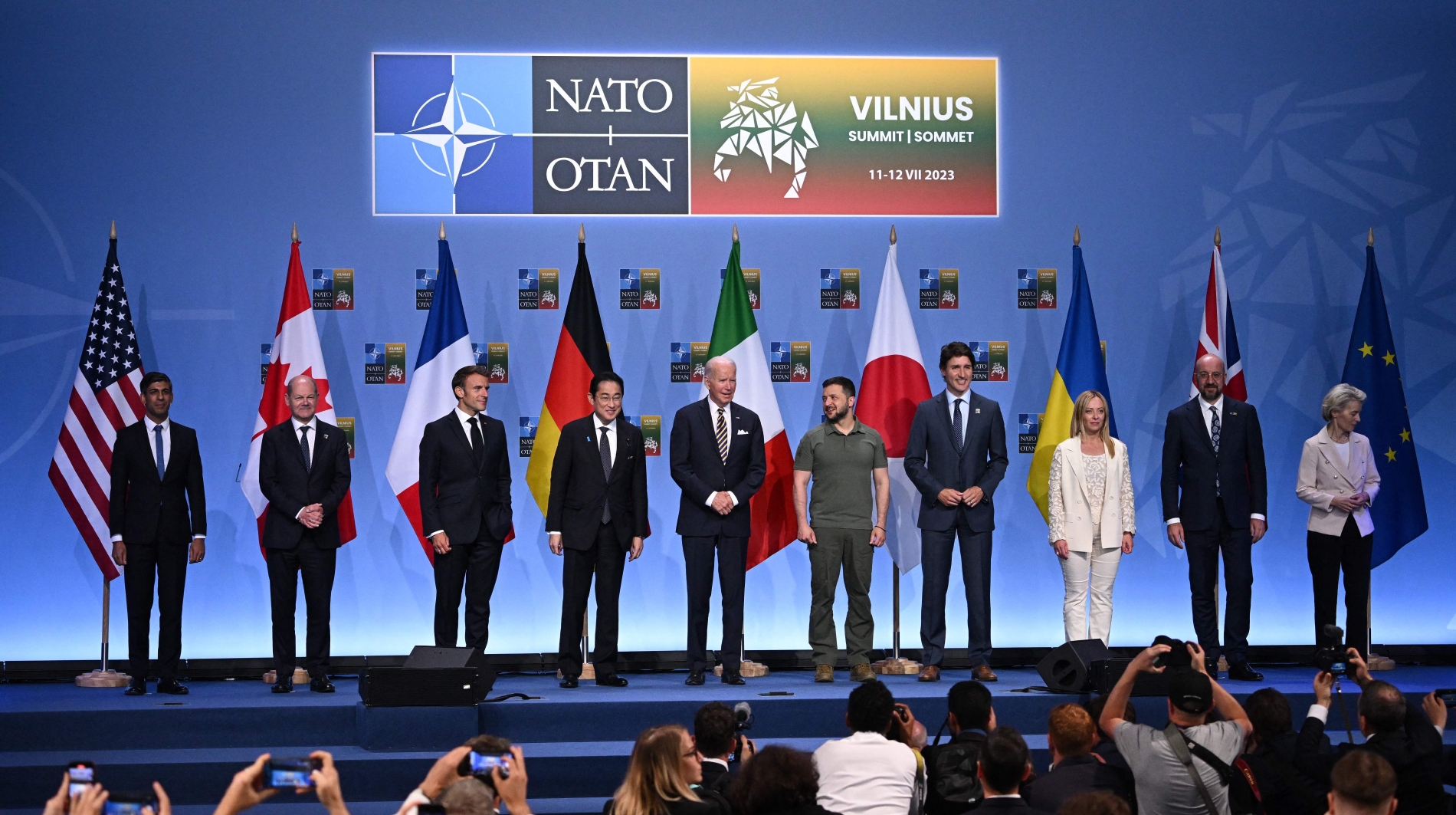
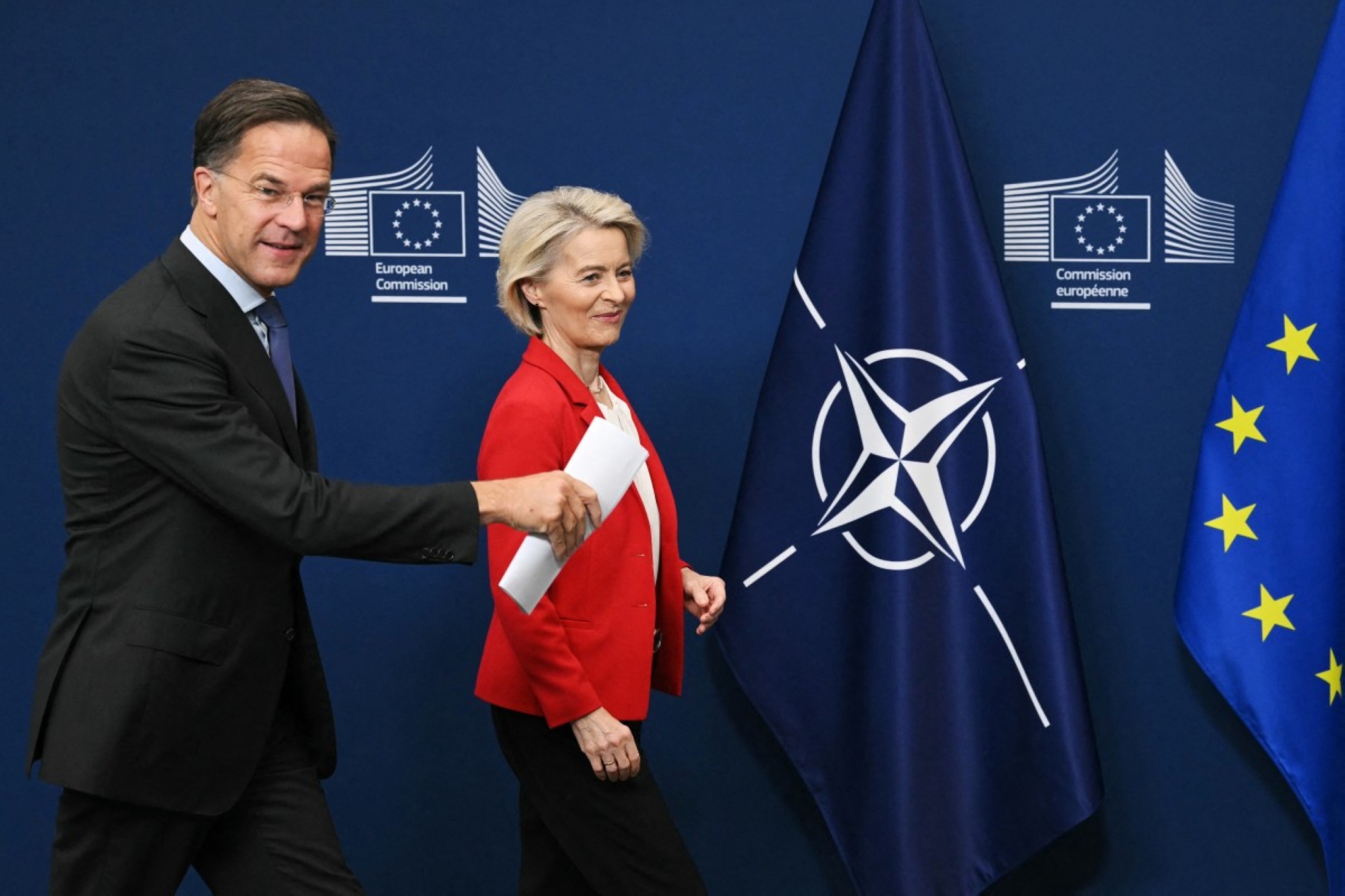
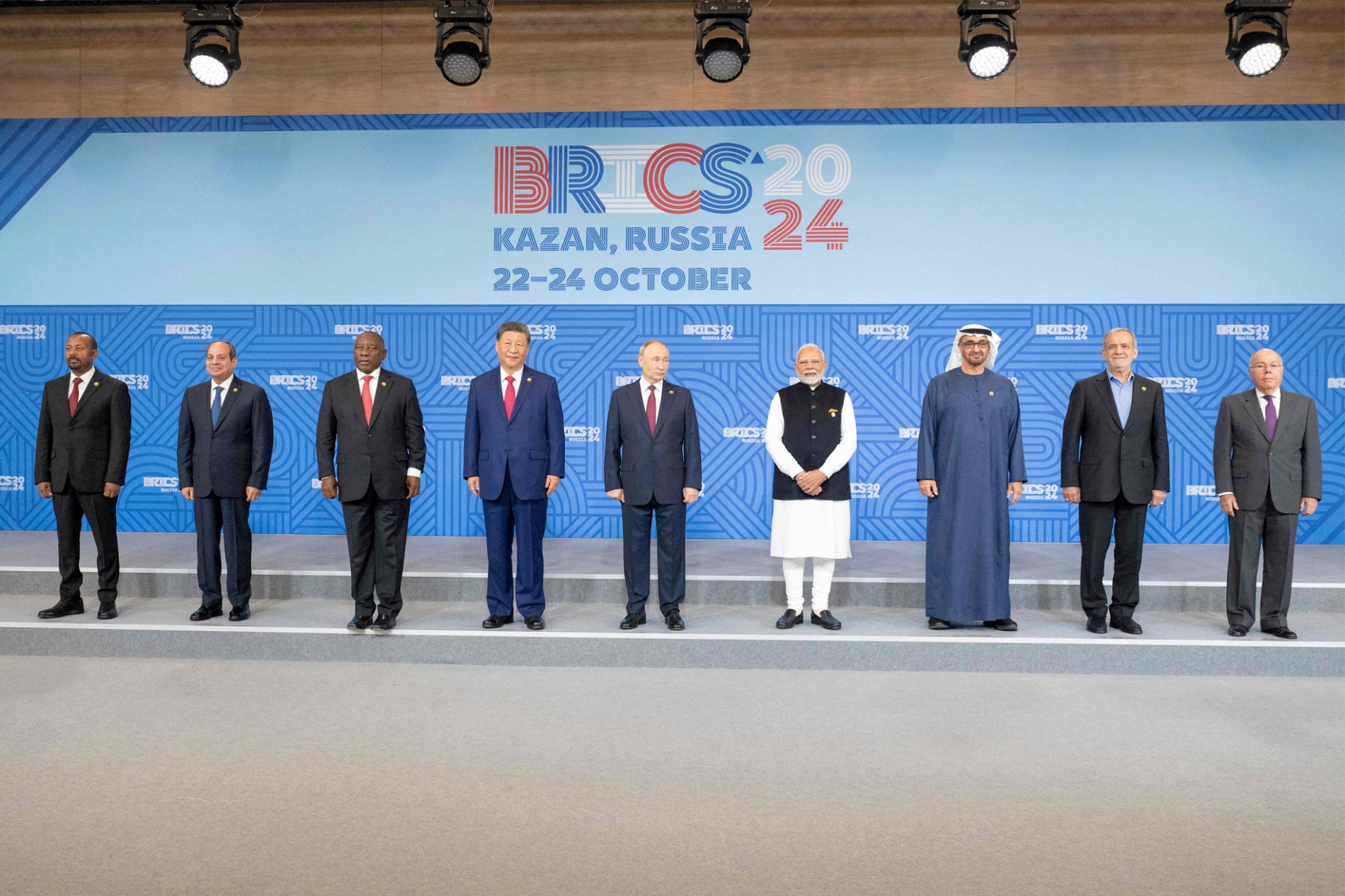
Russia’s 2022 invasion, though, revealed the answer. While Washington—led by then-President Joe Biden—tried to rally the world to condemn Moscow’s aggression, much as George HW Bush did against Saddam Hussein, the world had changed. Only Western allies, including Japan and South Korea, joined the US in imposing sanctions on Russia. China, Brazil, India, South Africa and the entire Global South refused.
The Middle East also refused. Key US allies like Israel, Saudi Arabia and the UAE not only didn't join the sanctions, but the latter two also refused Biden’s request to produce more oil to help compensate Europeans for losing access to Russian gas. It became clear that—though still allies of the US—such Middle Powers no longer felt compelled to toe the US line when it diverged from their interests.