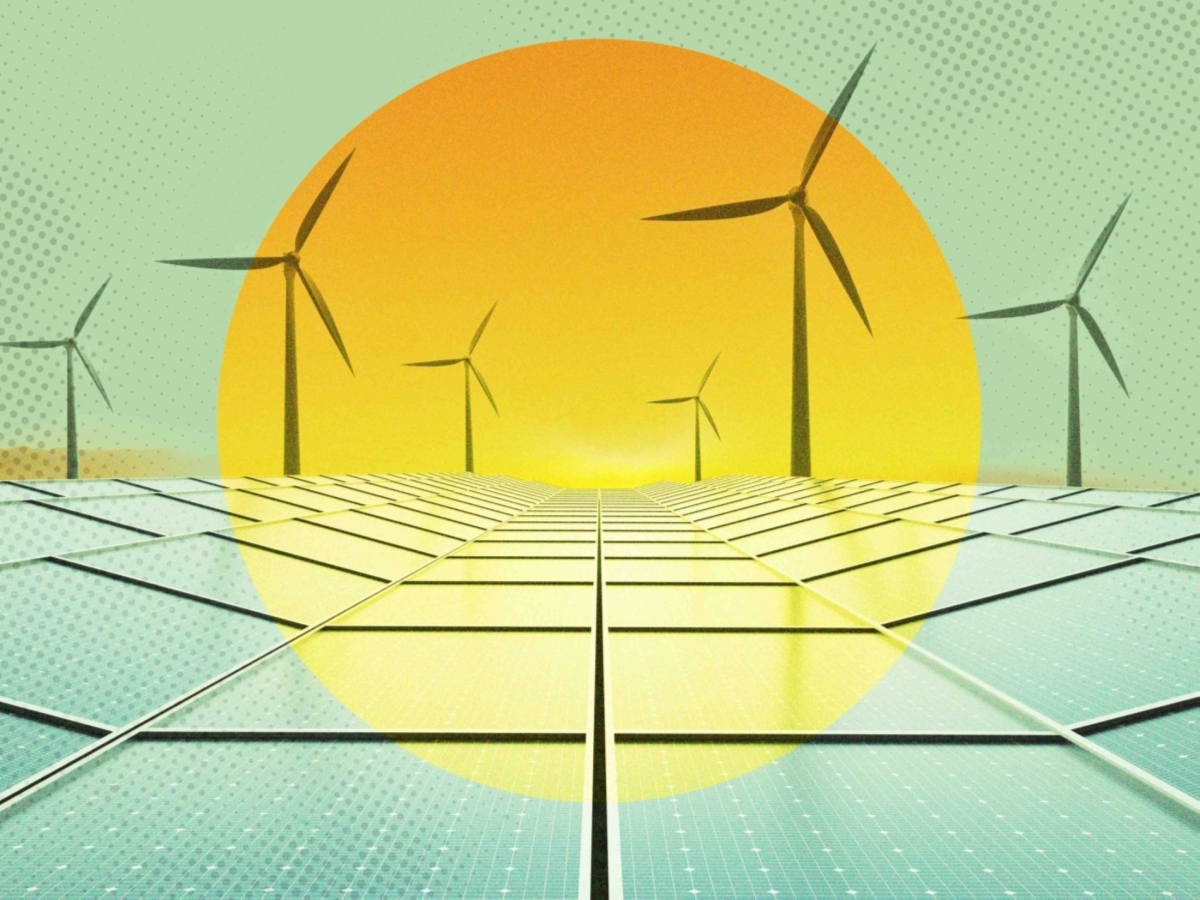

Since the Industrial Revolution in the 18th century, civilisation has relied for its energy on fossil fuels in the form of coal, oil, and gas. They hold energy stored by plants through photosynthesis hundreds of millions of years ago, which was later transformed over geological time. They power the industry, transport, and cities, but they pollute the atmosphere. All that is now changing.
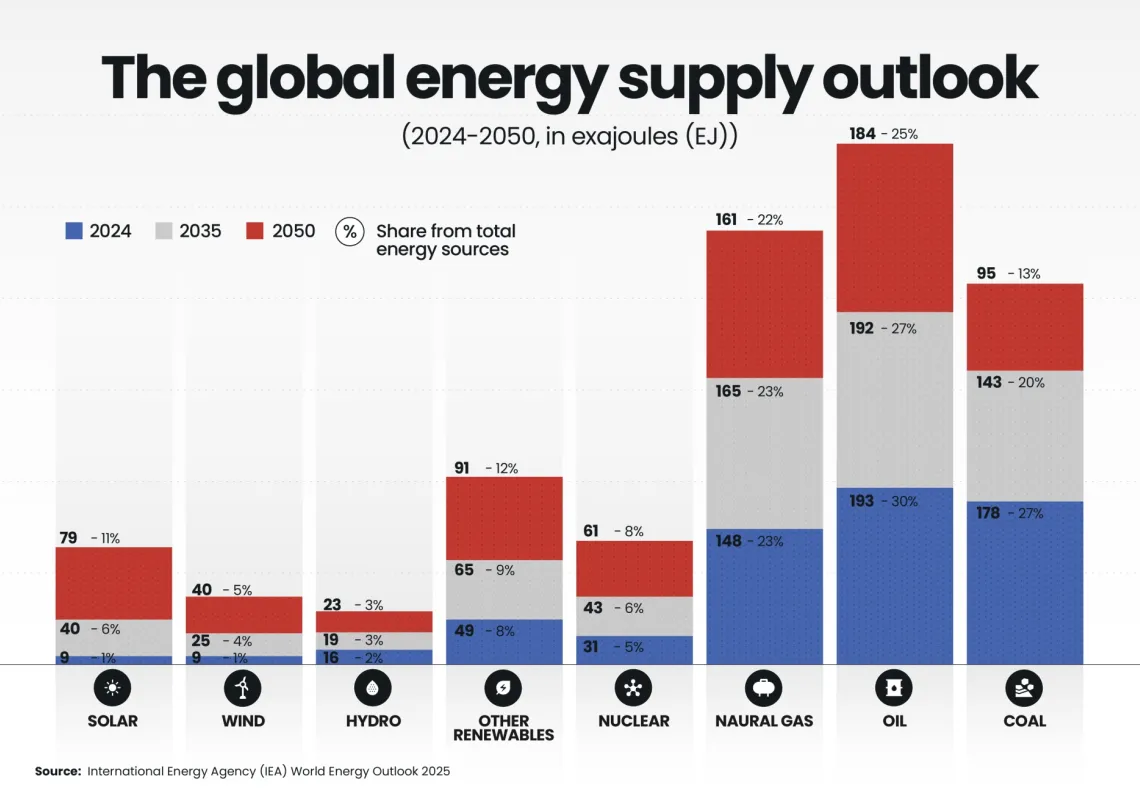
Last year, for the first time in more than a century, fossil fuels were no longer the only, cheapest, or most efficient energy option. Renewable energy, led by solar and wind power, has taken top spot. The rapid expansion of renewables has been described as a turning point in the trajectory of modern civilisation, with renewables surpassing coal for the first time as the world’s leading source of electricity generation.
Solar and wind power expanded so fast that they accounted for the entire increase in global electricity supply during the first half of 2025. Yet this represents more than an increase in installed capacity; it is a fundamental rethinking of how energy is produced and consumed.
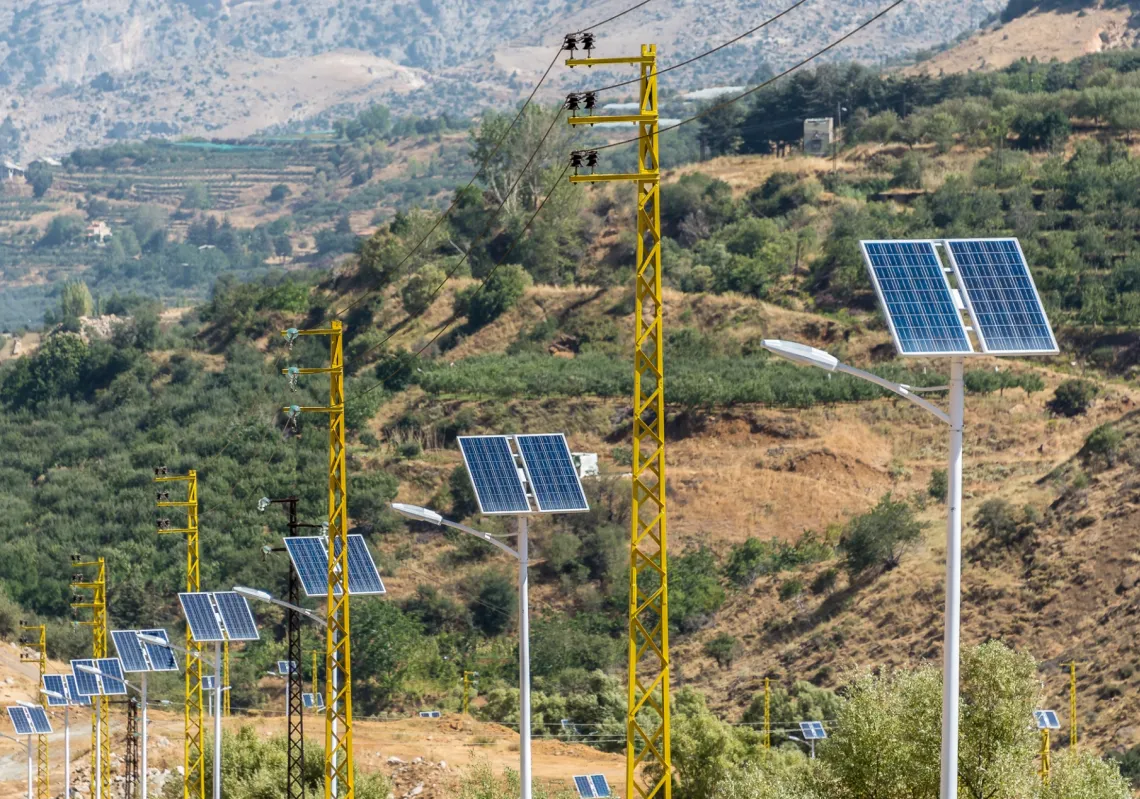
At the heart of the solar system, the sun is now also at the heart of the global energy system. Solar panels installed on rooftops, across deserts, and on high plateaux convert sunlight directly into clean electricity, while wind turbines provide a dependable and sustainable source of power on land and at sea.
Made in China
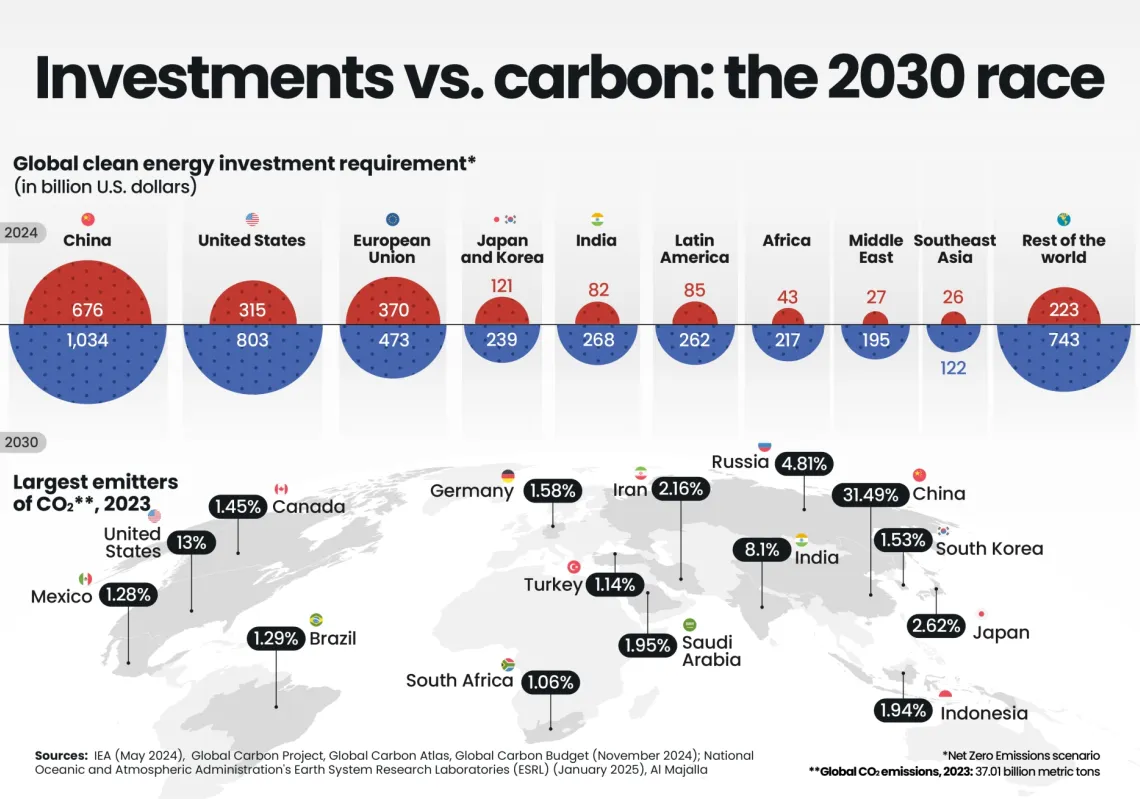
Central to this shift has been China. For two decades, China has fostered and advanced clean energy technologies through government subsidies, substantial investment in research and development, and the creation of integrated supply chains. Today, it is the largest producer of renewable energy technologies, manufacturing 80% of the world’s photovoltaic cells, 70% of its wind turbines, and 70% of its lithium batteries. A vast domestic market, formidable manufacturing capacity, and intense competition among Chinese firms have all helped. The resulting scale of production has pushed prices down to unprecedented levels, making solar and wind power the cheapest sources of energy in most countries.
For decades, China’s industrial development was closely associated with coal, but its primary energy source brought suffocating air pollution, with environmental and health costs. In September 2025, President Xi Jinping told the United Nations General Assembly that China will cut its carbon emissions by up to 10% within a decade, not by using less energy but by doubling its reliance on solar and wind. The message was clear: future economic growth no longer relies on fossil fuels.
Today, solar panels cover vast stretches, including the sun‑drenched Tibetan Plateau. Towering 300-metre wind turbines line coasts and hillsides. China’s capacity to generate electricity from solar power has increased more than twentyfold over the past decade. Its combined solar and wind farms could now supply electricity to everyone in the United States.
This did not happen by chance. Beijing leant in, investing heavily in supporting infrastructure, including ultra‑high‑voltage transmission networks, large‑scale battery storage facilities, and hydropower dams upgraded with pumped‑storage technologies. The effects of China’s energy transformation have spread well beyond its borders, particularly across the Global South. Affordable Chinese renewable technologies now offer clean energy to millions in Africa and South Asia.
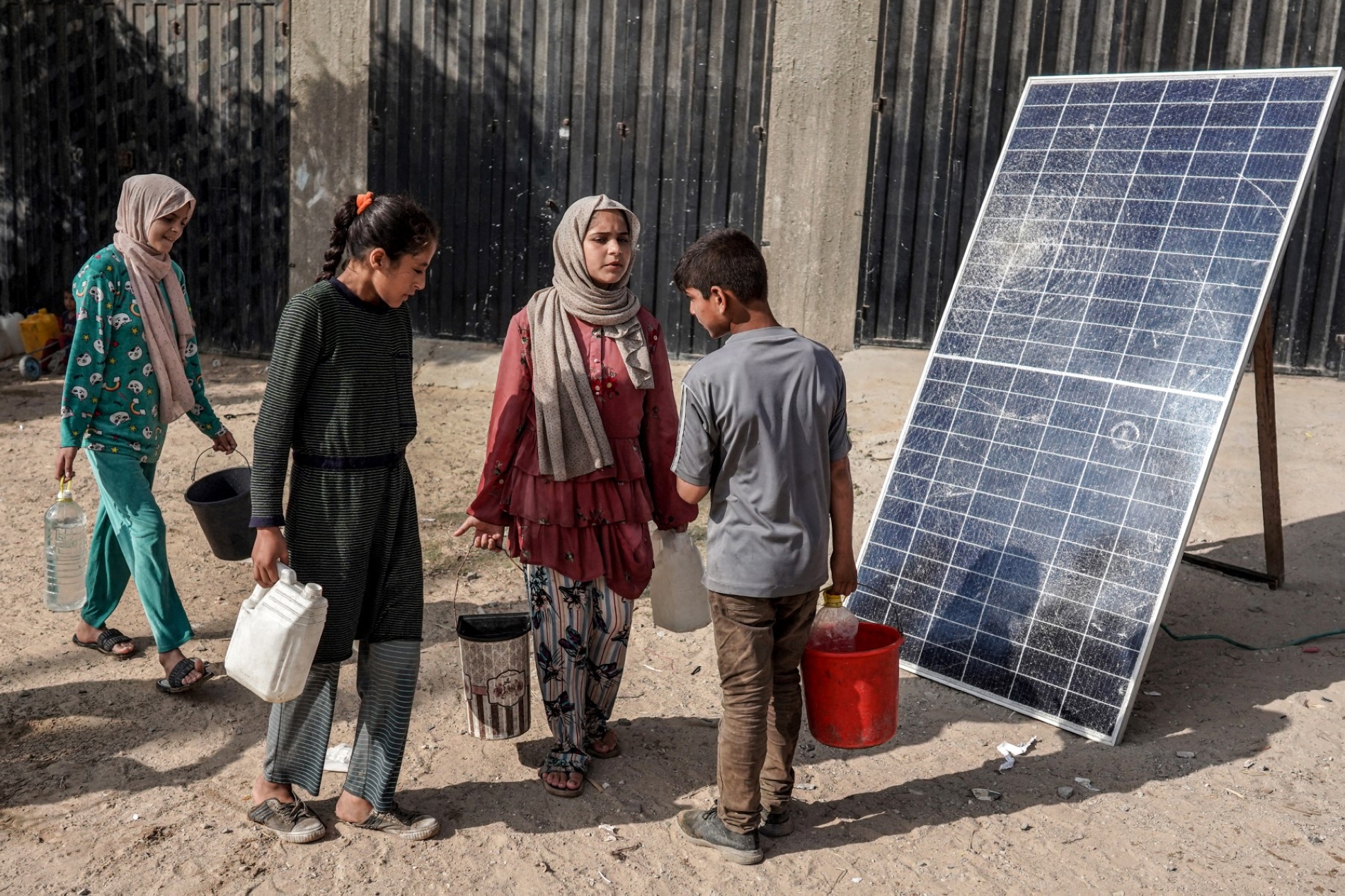
In low‑income neighbourhoods of Kenya, small rooftop solar systems now provide reliable, inexpensive electricity for lighting, mobile phone charging, and household fans. In Pakistan, imports of Chinese solar panels rose fivefold between 2022 and 2024, driven in part by soaring natural gas prices following the war in Ukraine. From South Africa, with its ageing coal plants, to drought‑stricken Ethiopia, where hydropower output is waning, solar and wind power are key elements in a new energy strategy.
Spurred by science
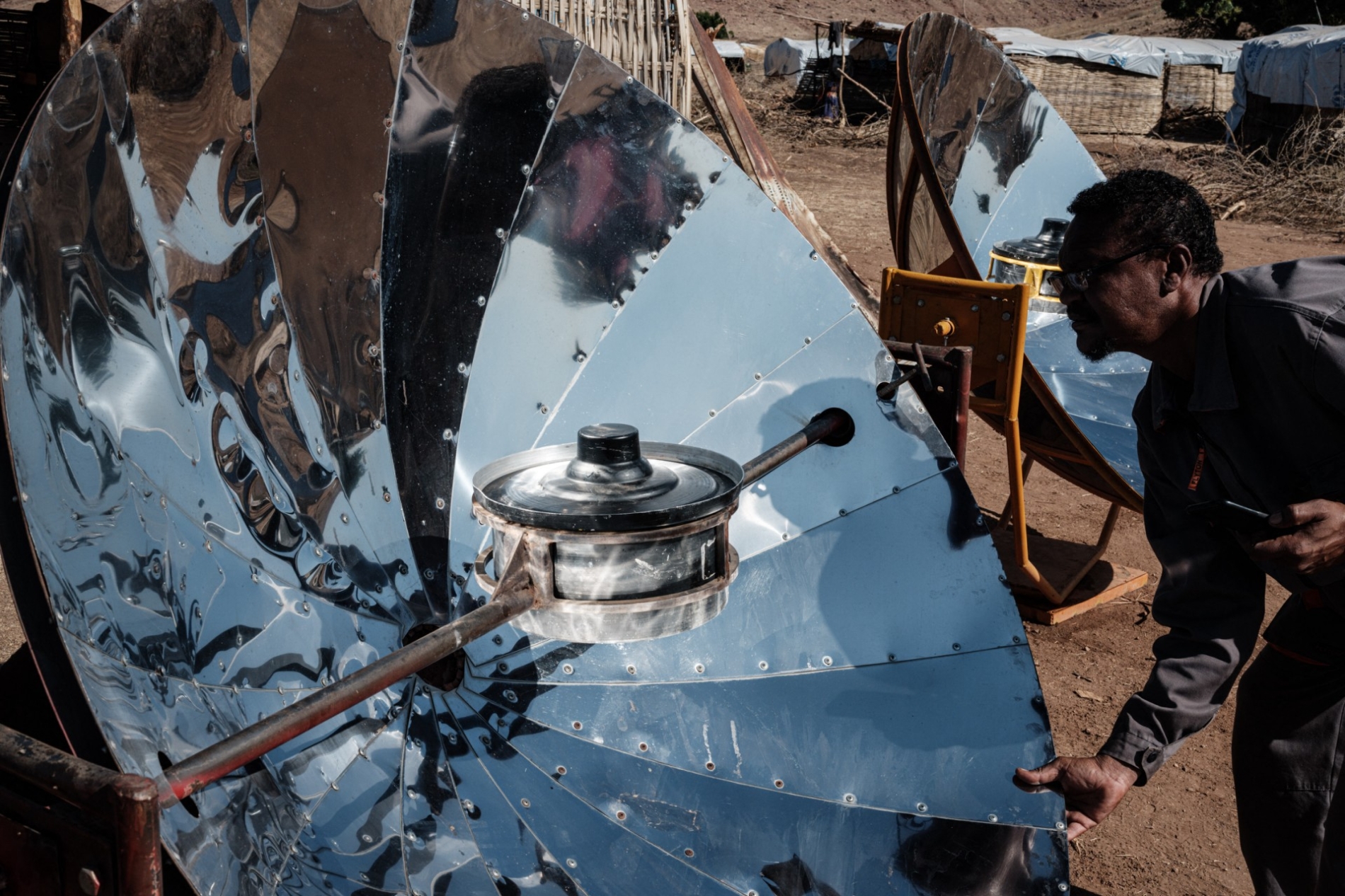
Technology is moving forward. Most solar cells today are made of crystalline silicon, a technology that dates back more than half a century. Research suggests that efficiency can be improved by integrating these cells with newer materials such as perovskite, which can absorb a broader spectrum of light.
In wind energy, advances in materials science mean longer, lighter turbine blades, increasing generating capacity, while the development of floating turbine designs offers countries the chance to harness offshore wind power. In energy storage, researchers are designing cheaper, safer alternatives to lithium batteries using vanadium, sodium, and zinc‑air systems.
Despite the optimism over these developments, fossil fuels are still an important part of the energy mix. China is building new coal‑fired power plants to meet periods of peak demand, while in the United States, federal policies that are unfavourable to wind and solar power, combined with trade barriers on Chinese products, have slowed the pace of the energy transition.
In many countries, existing infrastructure cannot absorb large volumes of intermittent renewable energy (the sun does not shine at night, and the wind does not always blow). This makes substantial investment in storage systems and smart transmission networks essential. Sectors such as aviation and heavy industry are yet to embrace full electrification through clean power.
Still, the direction of travel is unmistakable. In 2004, the world needed an entire year to install one gigawatt (GW) of solar capacity; today, it takes about 12 hours. Whereas once the main drivers of renewable adoption were ethical and environmental, with consumers willing to pay higher costs in the name of climate protection, today the key drivers are affordability, energy security, and energy independence. According to forecasts by the International Energy Agency, renewables will provide 36% of global electricity production in 2026, underscoring the accelerating shift.
Demand and supply
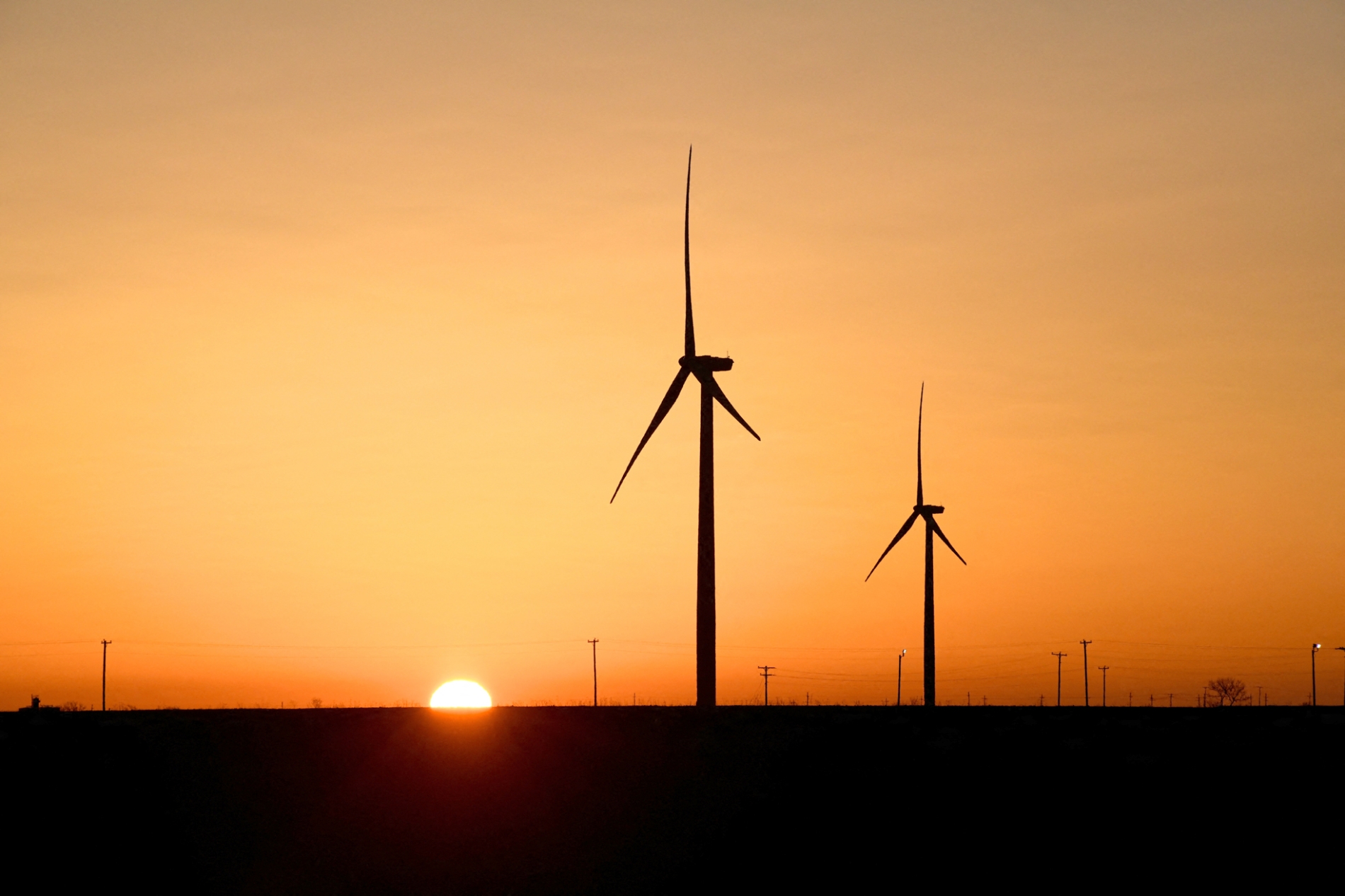
Worldwide, and in the United States in particular, most new electricity generation capacity this year is expected to come from solar and wind projects, combined with new battery storage systems. Solar power output is expected to rise by about 21% in a single year, supported by falling costs, ease of installation, and rapid deployment. Meanwhile, reliance on coal continues to decline.